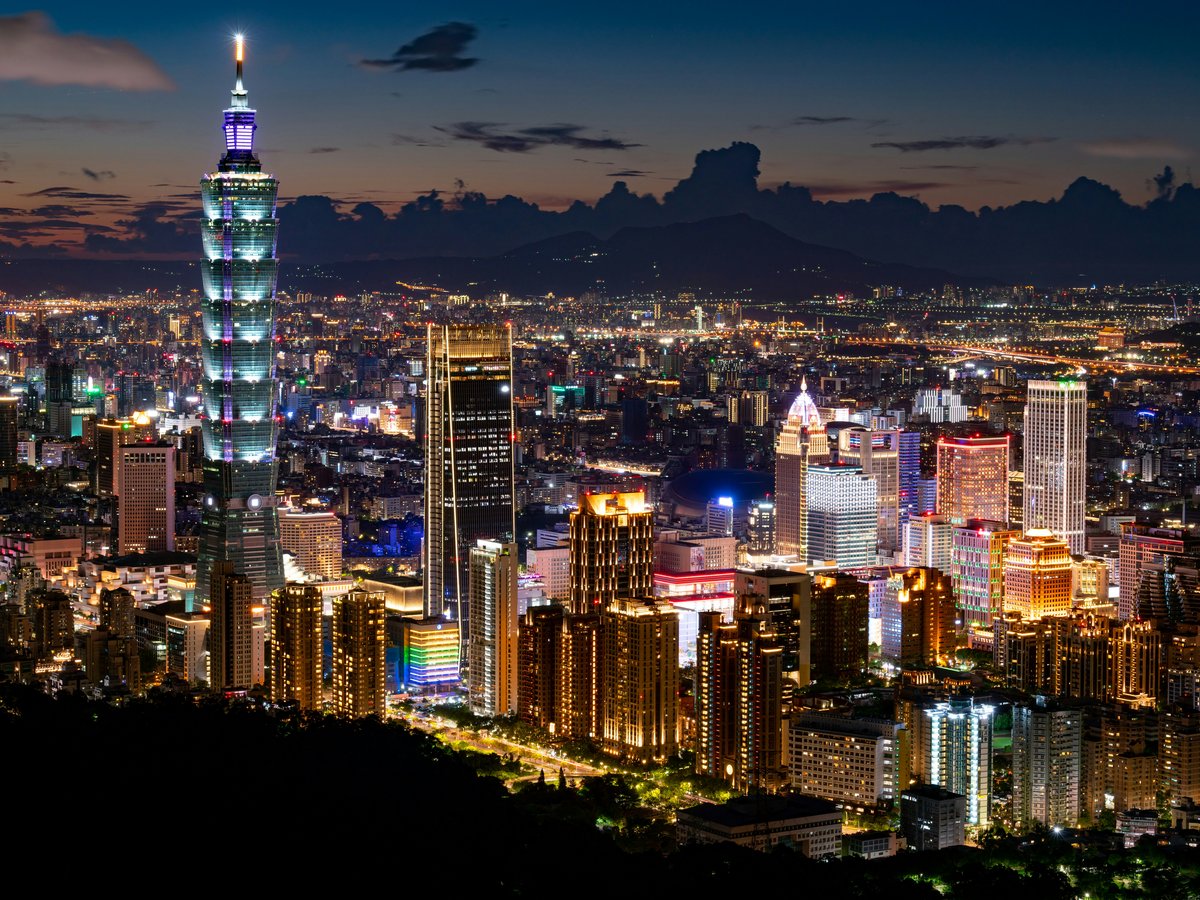
Where do locals actually go in Taipei?
Taipei's locals skip the big-name night markets. Minsheng Community's Fujin Street in Songshan fills with the coffee-and-bookshop crowd on weekday mornings. Nanjichang Night Market in Zhongzheng has almost zero tourists after 6pm. Gongguan's lanes near NTU fill with students eating NT$60 bento boxes between classes.
Minsheng Community in Songshan sits about a 12-minute walk from Songshan Nanjing MRT, the nearest station. That distance is the filter. Fujin Street runs roughly 800 meters through the neighborhood. Independent coffee roasters, small galleries, and design studios line both sides. On weekday mornings, the cafes fill with freelancers and remote workers nursing NT$150 flat whites at wooden tables. The bakeries sell out of sourdough by 10am. Saturday mornings bring a small farmers' market to one of the side lanes, where vendors from Yilan County sell wild greens and handmade mochi for about NT$40 a piece. You might notice the quiet. No tour buses pull through here, and no loudspeaker promotions compete with birdsong from the camphor trees along the sidewalk. The whole neighborhood smells like roasted coffee and warm pastry before noon.
Shilin Night Market sees roughly 10,000 visitors a night, and most of them are tourists. Nanjichang Night Market on Zhonghua Road Section 2 in Zhongzheng is where Taipei's office workers eat after 6pm. It runs about 15 stalls deep, and the whole thing takes 4 minutes to walk. The oyster vermicelli at the stall closest to the entrance costs NT$55 and tastes briny and sharp, with black vinegar and basil wilted into thick soup. On the other side of the city, Shuanglian Morning Market near Shuanglian MRT in Datong opens around 5:30am and winds down by noon. Butchers, fish sellers, and vegetable vendors supply the neighborhood's home cooks. The air at 7am smells like raw ginger and wet concrete. At the far end, past the fruit displays, an unmarked counter sells sticky rice rolls with pickled mustard greens and fried breadstick for NT$45. Most tourists never find it because they're still asleep at Ximending hotels 2km south.
Gongguan starts at NTU's main gate on Roosevelt Road Section 4 and spreads into a grid of narrow lanes to the south. The night market here runs parallel to Roosevelt and tends to be cheaper than Raohe or Shilin. A plate of stir-fried water spinach with garlic costs NT$40. Scooters thread between pedestrians on lanes barely 3 meters wide, and you can hear metal woks hitting gas burners from every other shopfront. The temperature inside the covered sections drops a few degrees from the humidity on the street, and fluorescent lighting gives everything a faintly green cast. South along the riverbank, Treasure Hill Artist Village sits in a cluster of former military dependents' housing from the 1940s. The site opened to resident artists around 2010 and holds about 20 small studios. Locals from the Gongguan area walk through on weekend afternoons. The concrete steps are steep and the views over Xindian River run wide and flat to the south.
Dadaocheng along Dihua Street in Datong was Taipei's main trading port from the 1850s. Some dried-goods shops on the southern stretch have operated under the same family for three generations. The area has been renovated over the past 15 years, to be fair, but the renovation brought in Taiwanese-owned tea houses and fabric shops rather than international chains. Weekday afternoon foot traffic is still overwhelmingly local. Tea houses along Dihua Street Section 1 serve oolong from Alishan and Lugu in clay cups, typically NT$200 to NT$300 per pot. The tea is grassy and slightly sweet. The wooden floorboards creak when you shift in your seat. Yongle Market at the north end of Dihua Street runs a fabric market on the second floor and a food court on the first. The pork rib soup at the food court has held at about NT$70 for the past 3 years. Locals from Zhongshan and Datong walk over for it. By 1pm, most food stalls have closed and the building goes quiet.
Where they actually go
Fujin Street cafes
Minsheng Community, Songshan: Freelancers at wooden tables, roasted-coffee smell from independent roasters, camphor tree shade on the sidewalk. No tourist foot traffic before noon.
Nanjichang Night Market
Zhongzheng: NT$55 oyster vermicelli, thick steam from soup pots, fluorescent-lit and loud. Office workers in business casual eating on their feet after 6pm.
Shuanglian Morning Market
Datong: Raw ginger and wet concrete at 7am. Butchers and fish sellers supplying home cooks. Winds down by noon, half-empty by 10 on slow weekdays.
Gongguan night market lanes
Da'an / Zhongzheng: Cheap NTU student food in narrow lanes. Wok-clang and scooter exhaust. NT$40 plates. Younger crowd with faster turnover than the tourist markets.
Treasure Hill Artist Village
Gongguan: 1940s military housing turned artist studios on a riverside hillside. Steep concrete steps, quiet weekday afternoons, open studios on weekends.
Dihua Street tea houses
Dadaocheng, Datong: Oolong in clay cups, creaking wooden floors, dried-goods shops that have operated here since the Japanese colonial era. Weekday afternoons are emptiest.
Yongle Market food court
Dadaocheng, Datong: Ground-floor food stalls packed with locals before noon. NT$70 pork rib soup. Fabric market upstairs. The whole building empties by 1pm.
Best times to visit
Fujin Street weekday mornings before 11am. Nanjichang weeknights 6pm to 9pm. Shuanglian Market 5:30am to 9am daily. Gongguan lanes after 5pm on school days. Dadaocheng tea houses on weekday afternoons, Yongle Market food court before noon on Saturdays.
Last verified by automated review (v1.7.2) on . What is automated review?