What should I avoid in Udaipur?
Avoid the 'art school' painting scam near Jagdish Temple, auto-rickshaw drivers who refuse meters, and Lal Ghat rooftop restaurants charging ₹700 for paneer you can buy for ₹150 near Clock Tower. Skip Gulab Bagh Zoo entirely. During monsoon months, July through September, streets around Gangaur Ghat flood and some Jag Mandir boat services stop running.
Within 30 seconds of stepping onto the narrow lane between Jagdish Temple and Lal Ghat, where motorcycle exhaust mixes with incense from the temple steps, someone will approach you. They're friendly. They speak good English. They want to show you their 'art school' paintings, claiming to be students working toward an exhibition. The pitch is warm, the paintings are decent watercolors of City Palace, and the pressure to buy starts at ₹3,000-5,000 (roughly $30-50) for work worth maybe ₹300. This happens 4-6 times per day along that 200-meter stretch. A related version involves a tout steering you toward a 'government-approved emporium' on Hathi Pol or Bhatiyani Chohatta, where textile prices sit at 5-10x what you'd pay for the same quality at stalls in Bapu Bazaar. The commission structure is the tell. If someone walks you in, the shop is paying them 30-40% of whatever you spend.
Auto-rickshaws in Udaipur don't use meters. Full stop. Every ride is a negotiation, and the opening ask from the stand outside Udaipur City Railway Station or the Udai Pol gate will be ₹200-300 for a trip that should cost ₹50-80. Settle the fare before sitting down. The Ola app works in Udaipur and prices rides at 40-60% of what a street-hail costs, though wait times near the old city can stretch to 15 minutes because the lanes around Gangaur Ghat are too narrow for cars. Worth noting, the airport sits only 22 km from City Palace, but drivers quote ₹800-1,200 for the ride. An Ola booking for the same route tends to land around ₹350-450.
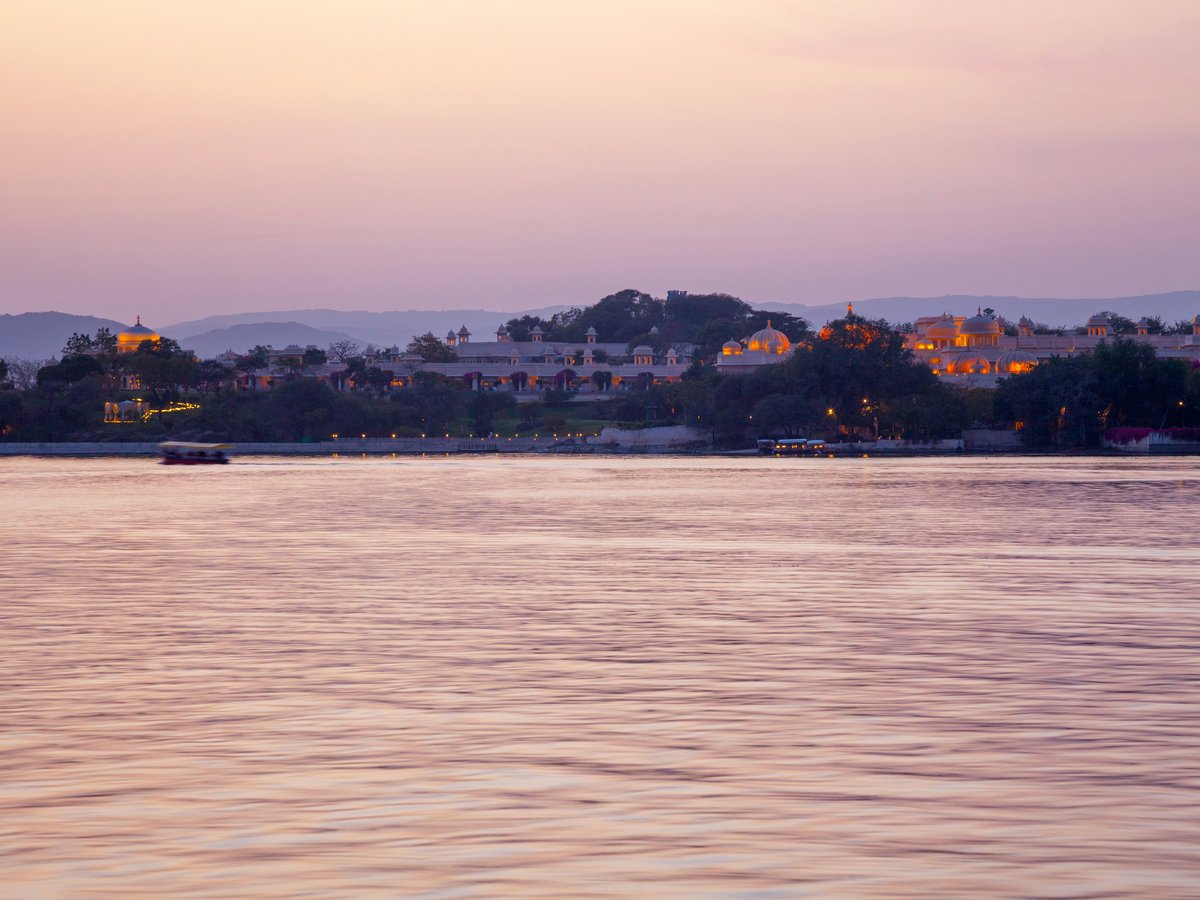
The rooftop restaurants stacked along Lal Ghat and Hanuman Ghat charge a premium for the Lake Pichola view, not the food. A paneer tikka at Ambrai or the Upré terrace runs ₹500-650, while you'll pay ₹120-180 for a comparable plate at restaurants on Sukhadia Circle. That said, Ambrai after dark, when the City Palace lights up gold across the water, is one of those meals where you're paying for the setting and it might be worth it once. The trap is eating every meal at a lake-view spot. For thali, head to Natraj Dining Hall on Bapu Bazaar, where ₹120 buys a full Rajasthani spread. The baati arrives dense and golden-brown, crumbling when you break it into the thick yellow dal, and they pour hot ghee over the top until you wave them off.
Udaipur sits at 577 meters elevation, which takes the edge off Rajasthan's worst summer heat, but May and June still hit 40-42°C with dry, gritty wind that makes walking the old city between noon and 4pm feel punishing. The monsoon arrives in late June or early July and runs through September. Today's conditions are typical of peak monsoon season, 89% humidity and overcast skies at 23°C. Lake Pichola fills during the rains, which is when it looks its best, but low-lying streets in the old city can flood on heavy-rain days, and boat crossings to the island palaces sometimes stop running during storms. If your trip falls in August, pack a light rain jacket and a waterproof bag for your phone. Hotel rates drop 30-40% from the October through March peak.
The zoo inside Gulab Bagh is the part to walk past. The garden itself, established in 1881 under Maharana Sajjan Singh, has pleasant banyan shade and a quiet rose section, but the zoo portion holds animals in small enclosures that most visitors find difficult to watch. Moti Magri, the hilltop Maharana Pratap memorial, charges ₹80 entry for a bronze equestrian statue and a view you can get free from the road to Monsoon Palace. LGBTQ+ travelers should know Udaipur scores 3.5/10 for LGBTQ+ friendliness (sourced from TTDI's editorial rubric). Public displays of affection between same-sex couples draw stares and sometimes confrontation outside the tourist areas around Lal Ghat. The Bagore-ki-Haveli evening folk-dance show, on the other hand, is worth the ₹150 ticket. Performances start at 7pm and fill by 6:40pm.
Tourist traps to skip
- Gulab Bagh Zoo. Poor enclosures and visibly distressed animals. The surrounding gardens are worth a walk on their own.
- Moti Magri memorial. ₹80 for a bronze equestrian statue and a view you can get free from the Monsoon Palace road.
- Eating every meal at a Lal Ghat rooftop. The lake view comes with a 3-5x markup over restaurants a short walk inland.
- Fateh Sagar Lake motorboat rides. Overpriced diesel boats on a lake that looks better from the shoreside promenade.
- Shilpgram craft village outside the city. ₹100 entry for a recreated village that feels like a theme park.
- Any shop a tout walks you into. Commission-based steering adds 30-40% to the price before you even start bargaining.
Common scams
- 'Art school' painting scam near Jagdish Temple. Young men claim to be art students and pressure you to buy overpriced watercolors at ₹3,000-5,000.
- Auto-rickshaw 'no meter' overcharging, worst at the railway station and Udai Pol gate. Opening asks run 3-5x the fair price.
- Hotel commission touts at the bus stand who insist your booked hotel is 'closed' or 'flooded' and redirect you to one paying them.
- 'Free' boat ride offers on Lake Pichola that detour to a lakeshore textile shop where you're expected to buy.
- Gem and textile shop redirects where your driver or a friendly stranger earns 30-40% commission on whatever you purchase.
- Fake guides outside City Palace offering 'official' tours at discounted rates with no credentials.
Seasonal hazards
- May and June temperatures reach 40-42°C with dry, gritty wind. Avoid walking the old city between noon and 4pm.
- Monsoon runs late June through September. Old-city lanes become slippery and unpaved paths turn to mud.
- Post-monsoon October and November bring dengue-risk mosquitoes near the lakes. Use repellent at dusk.
Last verified by automated review (v1.7.2) on . What is automated review?