Stay in Edinburgh in January
48 hotels in the Trip.com pool for Edinburgh, from US$22 a night.
Opens Trip.com on Fri 1 Jan to Sun 3 Jan 2027; change the dates there.
January in Edinburgh is dark, cold, and quiet, and honestly, that might be exactly what you're after. Daylight runs from roughly 8:45am to 3:45pm, giving you fewer than seven hours of usable light, and the average high sits around 6°C (43°F) with lows dipping to 2°C (36°F). The wind off the Firth of Forth tends to cut right through you on Princes Street, making it feel several degrees colder than the thermometer suggests. This is not the Edinburgh of August, when the Festival Fringe turns every spare room into a performance venue and you can barely walk down the Royal Mile. January is the opposite of that: the city exhales.
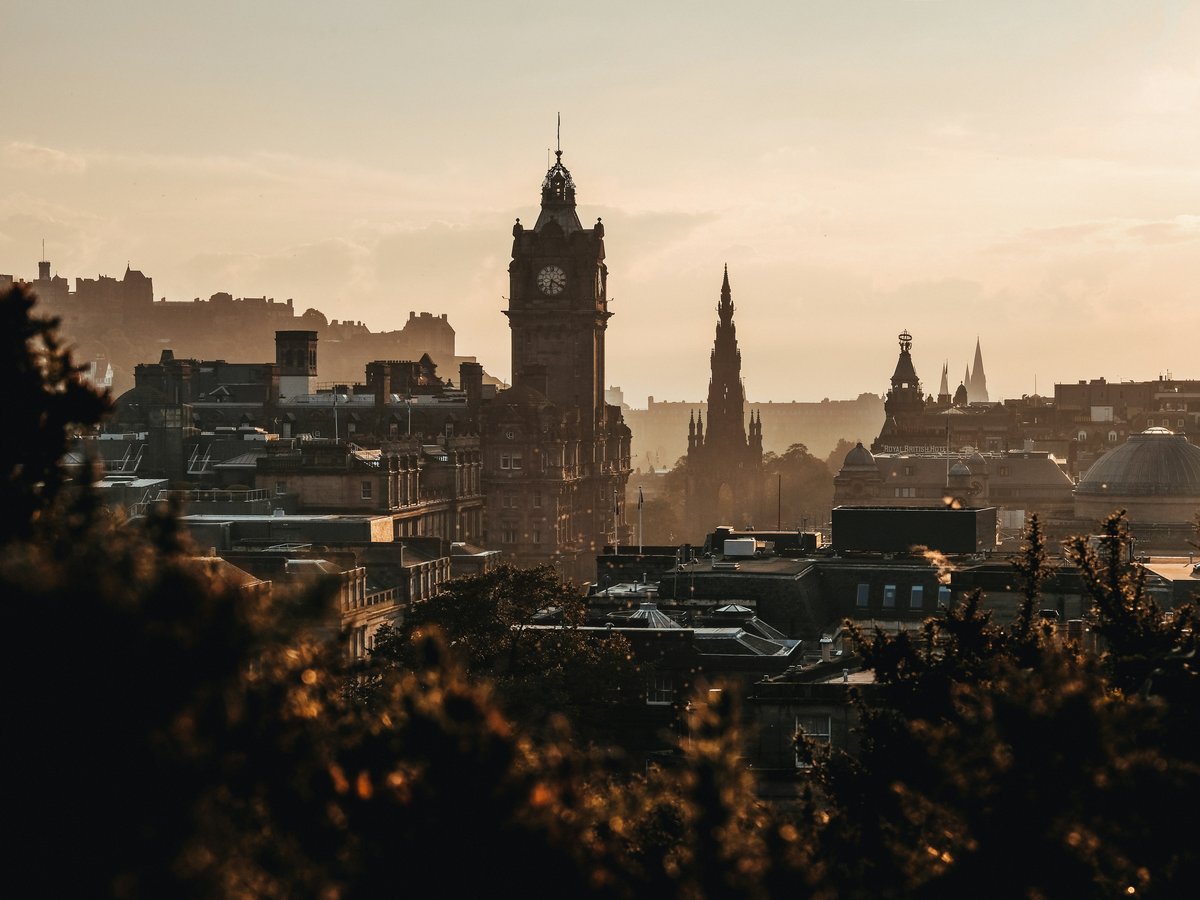
That said, there's a certain appeal to Edinburgh stripped back to its bones. The castle looms over a skyline that looks sharper against grey winter skies. Hogmanay celebrations spill into the first few days of the month, so if you arrive around New Year you'll catch the tail end of one of Europe's bigger street parties. Hotel rates drop noticeably after the Hogmanay crowds leave, restaurants that were fully booked in summer have tables free, and you can hear your own footsteps on the cobblestones of the Old Town. The Scottish National Gallery, the Museum of Edinburgh, the Writers' Museum: these are all better when you're not jostling for space.
Mind you, January does ask something of you. You'll want proper layers, waterproof outer shells, and a willingness to duck into a pub when the rain turns horizontal, which it will, at some point. The city rewards that patience. A bowl of cullen skink in a Grassmarket pub after walking through a freezing Greyfriars Kirkyard is the kind of warmth that stays with you. January Edinburgh is for people who like cities best when the tourists have gone home.
Why visit in January
- Hotel rates drop 30-50% from August peak: January is one of the cheapest months to stay in the city centre, with rooms in the Old Town and New Town genuinely affordable
- The major museums and galleries (National Museum of Scotland, Scottish National Gallery, Scottish National Portrait Gallery) are free, uncrowded, and perfect for short-daylight days when you want to be indoors by mid-afternoon
- Hogmanay festivities carry into the first days of January: the street party, torchlight procession, and fireworks over the castle are a legitimate reason to plan around New Year
- Burns Night on January 25th brings haggis suppers, ceilidh dances, and whisky tastings across the city: a genuinely Scottish cultural experience you won't find in summer
- The winter atmosphere in the Old Town is striking: frost on the closes and wynds, the castle floodlit against dark skies by 4pm, wood-smoke drifting from pub chimneys along the Cowgate
Worth knowing
- Fewer than seven hours of daylight: the sun doesn't rise until nearly 9am and sets before 4pm, which severely limits outdoor sightseeing and photography windows
- Wind chill off the Firth of Forth regularly makes 6°C feel like 0°C or below, particularly on exposed routes like Calton Hill, Arthur's Seat, and along Princes Street
- Rain falls on roughly 12 days of the month and tends to arrive sideways thanks to the wind: you will get wet at some point regardless of preparation
- Some seasonal attractions and outdoor tour operators reduce hours or close entirely between Hogmanay and February, and restaurant hours can be shorter on weekday evenings
Best for
Think twice if
January is Edinburgh's joint-coldest month. The average high reaches 6.3°C (43°F) and the average low sits at 2.2°C (36°F), though wind chill frequently pushes the felt temperature below freezing, particularly on exposed hilltops and along the waterfront at Leith. Rain falls on about 12 days, totalling around 74mm (2.9 inches), not heavy by Scottish standards, but the wind makes it feel relentless. Humidity hovers around 84%, which means the cold has a damp quality that seeps into your clothes. Snow is possible but rarely settles in the city centre for more than a day or two. Overcast skies are the norm, though you'll occasionally get a sharp, clear winter day where the light across the Forth is genuinely beautiful.
Seasonal caution
- Wind chill regularly drops the felt temperature below 0°C (32°F), particularly on Calton Hill, Arthur's Seat, and along the Forth waterfront: exposed skin can get painfully cold quickly on gusty days
- Occasional freezing temperatures overnight create icy patches on cobblestoned streets and steep closes in the Old Town: the steps down from the Royal Mile to the Cowgate and Grassmarket can be slippery
- Winter storms from the North Atlantic can bring gusts exceeding 80 km/h (50 mph), occasionally disrupting the Forth Road Bridge crossings and ferry services
Year-round climate
Averages from the last 5 years.
| Month | Avg high (°C) | Avg low (°C) | Rainfall (mm) |
|---|---|---|---|
| Jan | 6 | 2 | 74 |
| Feb | 8 | 3 | 74 |
| Mar | 10 | 4 | 69 |
| Apr | 11 | 4 | 60 |
| May | 15 | 8 | 91 |
| Jun | 18 | 11 | 58 |
| Jul | 19 | 13 | 91 |
| Aug | 19 | 12 | 70 |
| Sep | 17 | 11 | 86 |
| Oct | 13 | 9 | 123 |
| Nov | 10 | 5 | 89 |
| Dec | 8 | 4 | 108 |
Holidays and festivals in January
Public holidays
- New Year's Day(New Year's Day)1 January 2027
- 2 January(2 January)2 January 2027
Headline events
Edinburgh's Hogmanay
December 30 – January 1
One of the largest New Year celebrations in the world, stretching across several days with a torchlight procession through the Old Town, a massive street party on Princes Street, a concert in the gardens below the castle, and a midnight fireworks display that lights up the entire skyline. The celebrations typically spill into January 1st and sometimes January 2nd. It genuinely transforms the city.
Burns Night
January 25 (celebrations often span the surrounding weekend)
The birthday of Robert Burns on January 25th is celebrated across Scotland, but Edinburgh (where Burns lived, drank, and published) does it with particular conviction. Pubs, restaurants, and cultural venues host Burns Suppers with haggis, neeps, and tatties, the Address to a Haggis recited with theatrical flair, whisky toasts, and ceilidh dancing. The entire city participates.
Best things to do in January
Edinburgh Castle in winter light
sightseeingThe castle sits on its volcanic rock looking particularly dramatic in January, when low winter sun catches the stone in the late morning and the floodlights take over by 4pm. The crowds thin out enormously compared to summer: you can take your time in the Great Hall and the Scottish Crown Jewels room without being herded through. The views from the battlements across a grey, frosty city are sharper and moodier than anything you'd see in August.
Visitor numbers drop to a fraction of summer levels, and the winter light on the volcanic rock and across the city creates a completely different atmosphere from peak seasonBooking tipBook online a day or two ahead for a small discount: walk-ups are rarely an issue in January
Burns Night supper at a traditional pub
culturalOn or around January 25th, pubs, restaurants, and hotels host Burns Suppers: a structured evening of haggis, whisky, poetry, and often ceilidh dancing. Someone recites the Address to a Haggis over a steaming platter, there are toasts to the lassies and the laddies, and the whisky flows freely. Pubs in the Grassmarket and along Rose Street tend to do less formal, more convivial versions than the black-tie hotel affairs.
Burns Night is January 25th: this is the only time of year the full supper tradition happens citywide, and Edinburgh's connection to Burns (he lived and published here) gives it particular weightBooking tipBook at least a week ahead for Burns Night weekend: popular venues like the pubs along the Grassmarket sell out their supper seatings early
Scotch whisky tasting on the Royal Mile
food and drinkThe Scotch Whisky Experience near the castle and several independent whisky bars along the Royal Mile offer tastings and flights. In January the rooms are quiet enough that staff will often spend extra time talking through the regions and distilling methods. The warmth of the tasting room and the burn of a good Islay malt after walking through freezing rain is one of those moments that makes January in Edinburgh work.
Low crowds mean more personal attention from knowledgeable staff, and Burns Night creates a natural whisky-focused atmosphere across the city in late JanuaryBooking tipThe Scotch Whisky Experience runs tours throughout the day: afternoon slots on weekdays are typically the quietest
National Museum of Scotland deep dive
museumsThe National Museum on Chambers Street is free and enormous: you could spend an entire rainy afternoon working through the Scottish history galleries, the natural world floors, and the rooftop terrace (worth braving the cold for the panoramic view). The Grand Gallery alone, with its soaring Victorian ironwork and natural light, justifies the visit. In January, you can stand in front of Dolly the sheep's taxidermy case without twenty people behind you.
Free admission makes it perfect for budget January travel, and the short daylight hours mean you'll want substantial indoor activities: this fills a full afternoon without feeling forcedWinter walk through Holyrood Park and Arthur's Seat
outdoorArthur's Seat, the 251-metre extinct volcano in the middle of the city, is striking in January when frost or light snow covers the gorse and the city spreads out below in grey and amber tones. The climb takes roughly 45 minutes from the Holyrood Palace entrance and the wind at the summit can be fierce. On a clear day you can see the Highlands to the north and the Borders to the south.
Frost and occasional snow give the landscape a rugged quality you won't see in summer, and clear winter days (when they happen) offer the sharpest visibility of the year for long-distance viewsBooking tipStart by 10am to ensure you summit and return before the light fades around 3:30pm; bring a headlamp as backup
Ghost tour through the Old Town vaults
toursEdinburgh's underground vaults beneath the South Bridge date to the late 1700s and are genuinely atmospheric: damp stone chambers where the city's poorest lived, and where Burke and Hare reportedly sourced some of their victims. Several companies run evening tours, and in January the early darkness means even 5pm departures feel properly nocturnal. The temperature underground is roughly the same year-round, which in January means it feels warmer down there than on the street.
Darkness falls before 4pm, making early-evening tours feel properly atmospheric: summer tours at 9pm with lingering daylight lose somethingBooking tipMercat Tours and City of the Dead Tours are the most established operators: book online for weekend evening slots
Scottish National Gallery and the Portrait Gallery
museumsThe Scottish National Gallery on the Mound holds Raeburns, Ramsays, and a strong collection of Impressionists in a neoclassical building that's a pleasure to be inside on a grey day. The Portrait Gallery on Queen Street, a few minutes' walk north, is a Gothic red sandstone building with a decorated Great Hall that's worth seeing for the architecture alone. Both are free.
January crowds are minimal and both galleries are free: you can move between them on foot along Hanover Street and fill a morning without spending anything or fighting for space in front of the paintingsPub crawl through the Grassmarket and Cowgate
food and drinkThe Grassmarket, sitting in the shadow of the castle, has a concentration of pubs that ranges from centuries-old inns to newer craft beer spots. The Cowgate, running parallel below the Royal Mile, adds a grittier layer of student bars and live music venues. In January the pubs are warm, the locals outnumber the tourists, and you can get a seat by the fire. The smell of hops and old wood, the sound of someone's phone playing football commentary at the bar: this is Edinburgh at its most honest.
Tourist numbers are at their lowest, meaning you'll drink alongside locals rather than other visitors: the atmosphere in these pubs is fundamentally different from what you'd find in AugustWhat to eat in January
On menus now
Haggis, neeps, and tatties
The traditional Burns Night supper: sheep's pluck mixed with oatmeal, onions, and spices, served with mashed swede and potatoes. Every pub and restaurant in the city puts a version on the menu in late January. The smell of peppery, savoury haggis drifting from a kitchen on a freezing evening is distinctly Edinburgh in winter.
Cullen skink
A thick, creamy soup made from smoked haddock, potatoes, and onions: proper cold-weather food that warms you from the centre outward. The smoky, briny flavour cuts through a cold January afternoon like nothing else in the Scottish kitchen.
Scotch broth
Hearty barley and root vegetable soup with lamb or mutton, eaten across Scotland through the winter months. Thick enough to stand a spoon in. January is when this tastes best: it's fuel, not refinement.
Cranachan
Layers of whipped cream, toasted oatmeal, honey, and whisky: served at Burns Suppers as the pudding course. The crunch of the oats against the boozy cream is a small reward for surviving the cold.
Stovies
A one-pot dish of leftover meat, potatoes, and onions slow-cooked until everything collapses together. Working-class Scottish comfort food: filling, cheap, and matched to the temperature outside.
What to drink
Hot toddy
Scotch whisky, honey, lemon, and hot water: the standard Scottish response to winter weather. Pubs across the Old Town and Grassmarket serve their own versions, some with cloves or cinnamon. The warmth hits your chest immediately.
Regular events in January
Edinburgh's Hogmanay: Loony DookFree
On New Year's Day, hundreds of people in fancy dress wade into the freezing Firth of Forth at South Queensferry. It's exactly as cold as it sounds and draws a big crowd of spectators along the waterfront. The shrieks when people hit the water carry a surprising distance.
January 1Celtic Connections Edinburgh events
Glasgow's Celtic Connections festival (the largest winter music festival in the UK) occasionally programmes satellite events in Edinburgh venues during January. Worth checking the programme for any Edinburgh-based concerts featuring traditional Scottish, Irish, and folk musicians from around the world.
Mid to late JanuaryBurns Night celebrations citywide
Beyond formal Burns Suppers, many pubs and cultural venues hold poetry readings, whisky tastings, and ceilidh nights in the days surrounding January 25th. The Scottish Poetry Library on the Canongate and the Scottish Storytelling Centre typically programme Burns-related events.
January 23-27 (around the 25th)January sales on Princes Street and George StreetFree
Edinburgh's main shopping thoroughfares (Princes Street, George Street, and Multrees Walk) run post-Christmas sales through most of January. Jenners (the historic department store building on Princes Street) and the independent shops in Victoria Street and the West End attract bargain hunters, particularly in the first two weeks.
Throughout January, strongest first two weeksBest places this January
Greyfriars Kirkyard
historic siteThis 16th-century graveyard next to the National Museum is atmospheric year-round, but frost on the headstones and bare trees in January give it a quality that no other season matches. The Covenanters' Prison section at the back is where the ghost tours go at night. Bobby's grave is near the entrance, usually with a small offering of dog treats left by visitors. The silence in January is striking: in summer it's full of Potter fans looking for Tom Riddell's grave.
Old TownVictoria Street
shopping and architectureThe curving, colourful street dropping from the Royal Mile to the Grassmarket is often photographed, but in January you can browse the independent shops (antiquarian bookshops, whisky retailers, vintage clothing) without the summer crowds. The curve of painted shopfronts against a grey sky is more photogenic than you'd expect.
Old TownCalton Hill
viewpointA short climb from the east end of Princes Street to the unfinished National Monument (Edinburgh's Parthenon that ran out of funding in 1829) and the Nelson Monument. On a clear January afternoon the views west to the castle and north across the Forth to Fife are sharp and cold. Worth timing for the brief golden hour around 3pm, but dress warm: the hilltop is exposed to wind from every direction.
New TownDean Village
neighborhood walkA former milling village tucked into the Water of Leith valley, just minutes from the West End but feeling like a different century. The stone buildings, the weir, the old granary: it's compact and quietly beautiful. In January, when the trees are bare, you can see the architectural details usually hidden by foliage. The walk along the Water of Leith path from here to Stockbridge takes about 20 minutes.
West EndStockbridge Market
marketThis Sunday-only market in the Stockbridge neighbourhood runs year-round and draws a local crowd even in January. Street food stalls, artisan bread, Scottish cheese, and hot drinks. Smaller and less tourist-oriented than most Edinburgh markets: the vendors know their regulars by name. The smell of wood-fired pizza on a cold Sunday morning is unreasonably persuasive.
StockbridgeThe Meadows
parkThe large park south of the Old Town is bare and open in January, with the castle and Salisbury Crags visible through the leafless trees. Locals walk dogs and run through the frost in the morning. It's not a destination: more a reminder that Edinburgh has breathing room between its stone buildings. On a rare sunny January afternoon the light across the grass is golden for about twenty minutes before the sun drops behind the university buildings.
SouthsideThe Scottish Poetry Library
cultural venueA small, free library on the Canongate (lower stretch of the Royal Mile) with a beautiful modern interior: concrete, glass, and warm wood. It programmes readings and events around Burns Night and is a genuinely quiet place to sit with a book when the weather outside is uncooperative. One of those places only locals seem to know about.
Old Town
Your packing checklist
Tick items off as you pack. Your progress saves in this browser.
All packed — have a great trip.
Insider tips
The real Burns Night atmosphere is in the Grassmarket and Leith pubs, not the expensive hotel suppers. A Burns Supper at a local pub runs a fraction of the price and the crowd is largely Scottish: the energy is completely different from a ticketed hotel event with assigned seating and formal toasts.
If you're climbing Arthur's Seat in January, approach from the Dunsapie Loch side (east) rather than the steeper Holyrood side. The eastern path is less exposed to the prevailing westerly wind and the gradient is gentler on potentially icy ground. Either way, check the Met Office mountain weather forecast before you go: it's a city hill, but it behaves like a mountain in winter wind.
The Water of Leith Walkway from Dean Village through Stockbridge to Leith is one of the best walks in the city and feels almost rural in sections, even though you're never more than a few minutes from a street. In January you'll likely have long stretches to yourself. The path can be muddy: those waterproof boots earn their weight.
Edinburgh's bus system (Lothian Buses) is reliable and runs frequently even in January. A day ticket covers unlimited rides and saves the repeated walk up and down the hills between the Old Town and the New Town, which gets tiring by day three, especially in the wind. The number 35 to the Botanic Garden and the number 36 to Leith are particularly useful.
For coffee that locals drink (rather than tourist-strip chains), head to Stockbridge or Bruntsfield. The concentration of independent cafes in both neighborhoods is high, the quality is strong, and you won't pay Royal Mile prices.
Avoid these mistakes
- Underestimating how little daylight there is. Seven hours sounds manageable until you realise that means choosing between Edinburgh Castle and Arthur's Seat on a given day: you likely cannot do both with adequate time in natural light. Plan your outdoor priorities and use the dark hours for museums, pubs, and whisky bars instead of trying to cram in a summer-length itinerary.
- Wearing fashion shoes on the cobblestones. The Old Town's streets were built for horses, not smooth leather soles, and a layer of rain or frost turns the steep closes into something close to a skating rink. This is not a minor style compromise: people fall and injure themselves on these stones every winter.
- Booking a Hogmanay street party ticket without understanding the cold. The Princes Street party runs until well past midnight in temperatures that can feel like -5°C with wind chill. Standing still in a crowd for hours is substantially colder than walking. People who dress for a mild autumn evening genuinely struggle, and there's limited shelter once you're inside the event barriers.
- Assuming Edinburgh shuts down in January. It's quieter, not closed. Museums, galleries, restaurants, and pubs all operate: some with reduced hours on weekday evenings, but the core of the city functions. The mistake runs both ways: some visitors don't come because they assume nothing's open, and others arrive expecting full summer programming.
Practical tips for January
Book Hogmanay street party and concert tickets well in advance if you're arriving for New Year: they sell out, and there's no walk-up option. For Burns Night weekend (around January 25th), reserve your supper a week ahead at minimum for popular Grassmarket and Royal Mile pubs. Most major museums and galleries (National Museum of Scotland, Scottish National Gallery, Scottish National Portrait Gallery, Museum of Edinburgh) remain free and open year-round, though some reduce weekday hours in January. Dress in layers you can remove: the temperature difference between the street and a heated pub is easily 20°C, and you'll transition between the two constantly. Tipping in Edinburgh follows standard UK practice: service charge is sometimes included at restaurants (check the bill), otherwise 10-12% is typical; pubs don't expect tips at the bar. The Edinburgh Airport tram runs to the city centre in about 35 minutes and is cheaper than a taxi. If you're doing any hillwalking (Arthur's Seat, Calton Hill, Pentland Hills), check the Met Office forecast that morning: conditions can change within an hour, and what started as a crisp clear walk can turn into a whiteout of horizontal rain remarkably fast.
FAQ
Is January a good time to visit Edinburgh?
It depends on what you want. January is cold, dark, and wet: you'll get roughly seven hours of daylight and temperatures between 2-6°C (36-43°F). That rules out long days of outdoor sightseeing. But hotel prices are some of the lowest of the year, the city's free museums and galleries are uncrowded, and Burns Night (January 25th) brings a genuinely Scottish cultural experience. If you're after the Festival atmosphere, wait for August. If you want Edinburgh with the volume turned down and your budget intact, January works, just pack properly.
What is the weather like in Edinburgh in January?
Cold, damp, and windy. The average high is about 6°C (43°F) and the average low is 2°C (36°F), but wind chill frequently makes it feel colder, especially on exposed spots like Arthur's Seat and Calton Hill. Rain falls on roughly 12 days of the month, totalling about 74mm (2.9 inches), and it often arrives horizontally. Humidity sits around 84%, which gives the cold a penetrating, damp quality. Snow is possible but rarely settles in the city for long. You'll want windproof waterproof layers, warm accessories, and shoes with real grip.
Is Edinburgh crowded in January?
Not at all: January is one of the quietest months for tourism. The exception is the first day or two, when Hogmanay crowds from New Year's Eve are still in the city. After about January 3rd, visitor numbers drop sharply. You can walk into the Scottish National Gallery without queuing, get a table at restaurants that require summer reservations, and explore the Royal Mile without being swept along in a crowd. Burns Night weekend (around the 25th) brings a modest bump of domestic visitors, but nothing close to summer levels.
What should I wear in Edinburgh in January?
Layers, and waterproof ones at that. A merino base layer, a warm mid-layer (wool sweater or fleece), and a windproof waterproof jacket with a hood is the working combination. Waterproof shoes or boots with proper grip are close to essential: the Old Town cobblestones are slippery in the rain and frost. A warm hat, scarf, and gloves round it out. The key insight is that Edinburgh's 84% humidity makes the cold feel worse than the number suggests, and the wind makes rain jackets more useful than umbrellas.
What is there to do in Edinburgh in January at night?
Quite a lot, given that 'night' starts before 4pm. The pub culture is the main draw: the Grassmarket, Rose Street, and Leith all have concentrations of pubs with character, real ale, and whisky selections. Ghost tours through the Old Town vaults run in the early evening and benefit from the darkness. Whisky tasting bars along the Royal Mile are warm and unhurried. Live music venues in the Cowgate programme gigs most nights. Around Burns Night, ceilidh dancing and poetry readings add a distinctly Scottish dimension to the evenings. The main constraint is that some restaurants close earlier on midweek evenings.
Things to Do in Edinburgh in January
 Free cancellation
 The World Famous Underground Ghost Tour
City tour: 1.2 hours, free cancellation.
via Viator Free cancellation
 Loch Ness, Scottish Highlands, Glencoe and Pitlochry Tour
Day trip: 12.5 hours, free cancellation.
via Viator Free cancellation
 Edinburgh: Loch Ness, Glencoe and The Highlands
Day trip: 12.5 hours, free cancellation.
via Viator Free cancellation
 Loch Ness & Highlands Small-Group Tour from Edinburgh with Cruise
Day trip: 12 hours, free cancellation.
via Viator Free cancellation
 Edinburgh: Glenfinnan Viaduct, Glencoe & Fort William
Day trip: 12 hours, free cancellation.
via Viator Free cancellation
 1 Day Loch Ness, Glen Coe & the Scottish Highlands from Edinburgh
Day trip: 12 hours, free cancellation.
via ViatorFind a flight to Edinburgh
Live fares to Edinburgh appear here once cookies are accepted.
Last verified by automated review (v1.7.2) on . What is automated review?