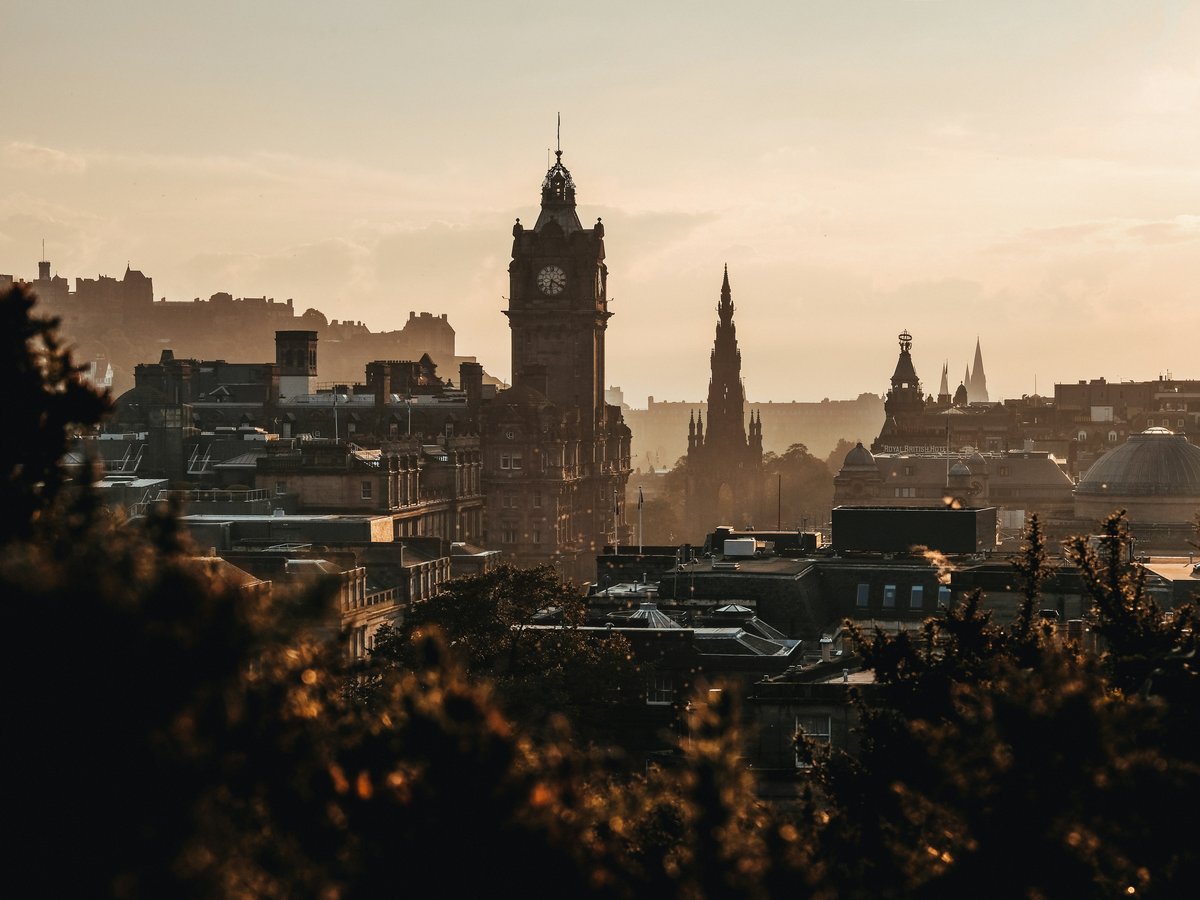
Edinburgh's nightlife has a split personality, and that's part of the charm. The Old Town (all narrow closes and stone staircases) hides basement bars where you can smell the damp centuries on the walls. Cross over to the New Town and the tone shifts to polished cocktail spots on George Street with pressed-tin ceilings and carefully considered ice. The city doesn't stay out as late as Glasgow (locals will tell you this unprompted, usually with a shrug), but what Edinburgh does well is atmosphere. There's something about drinking in a city built on volcanic rock, where the castle looms above you no matter which direction you stumble. The Festival in August turns the whole place into a month-long house party, but the rest of the year has its own quieter rhythm: Thursday is the real locals' night out, Friday belongs to the after-work crowd, and Saturday draws everyone in from the surrounding towns. Last orders still tend to come around midnight in most pubs, with late-licensed spots pushing to three. The smoking ban years ago pushed half the social life onto the pavement, so even in January you'll find clusters of people outside pubs, breath visible, pint in hand, utterly unbothered by the cold.
The Bar Scene: From Candlelit Basements to George Street Glamour
Edinburgh's bar culture leans heavily on the basement. The Old Town is riddled with underground spaces carved out of old vaults and cellars, and drinking in one of these places: stone walls close around you, candlelight catching the condensation on your glass: feels genuinely different from a night out anywhere else. The cocktail scene has grown steadily over the past decade without losing its sense of place. You'll find bartenders who take the craft seriously on and around George Street and Broughton Street, mixing with Scottish gins and whiskies alongside the usual suspects. Prices for cocktails currently sit around twelve to fifteen pounds in the New Town spots, which stings a bit but tends to reflect the quality. Dive bars are alive and well, particularly around the Cowgate and Grassmarket, where the student crowd keeps things loud and cheap. These places smell like spilled lager and have sticky floors, no pretence whatsoever. Worth it for the atmosphere, though, especially on a Thursday when the university crowd floods in. Wine bars have been creeping into the scene, mostly in Stockbridge and the New Town. They tend toward natural wines and small plates, drawing a slightly older crowd who want to sit and talk without shouting over music. Edinburgh's weather makes rooftop drinking a seasonal gamble at best: a few hotel bars offer terrace views toward the castle, but you're at the mercy of Scottish summer, which might give you four perfect evenings all year. Mind you, when it works, the light at ten PM in June with the castle silhouetted against a pale sky is hard to beat. Whisky deserves its own mention. Edinburgh is surrounded by distilleries, and plenty of bars keep selections running into the hundreds. The trick is finding one where the staff want to talk you through it rather than just hand you a Glenfiddich 12 and move on. The places tucked away on the Royal Mile side streets tend to be better for this than the tourist-facing ones on the main drag.
The Club Scene: Smaller Floors, Loyal Crowds
Edinburgh's club scene is compact. It doesn't have the warehouse-scale venues you'll find in Glasgow, Manchester, or Berlin: the spaces here tend to be smaller, sweatier, more personal. The Cowgate is still the spine of it. On a Saturday night, the bass from multiple venues bleeds together as you walk down that narrow street under the bridges, the sound bouncing off the stone walls above you. The music leans toward house and techno on the main club nights, with a strong undercurrent of drum and bass. Hip-hop and R&B nights have a reliable following, usually midweek. Indie and alternative club nights still draw crowds: this is the city that gave the world half the bands on your parents' record shelf, after all. Dress codes are generally relaxed. Trainers are fine almost everywhere now, though a handful of spots on George Street still enforce a smarter standard at weekends. The bouncers' mood can be unpredictable: it's less about what you're wearing and more about how you're carrying yourself. Showing up visibly drunk is the fastest way to get turned away. Things don't really pick up on the dance floor until midnight or later. If you arrive at a club before eleven, you'll likely be standing in a half-empty room under harsh lights. Most places run until three, with a few pushing to five on special event nights. During the Festival in August, pop-up club nights appear in unlikely spaces: old churches, warehouse conversions, the backs of comedy venues. The whole city's schedule shifts later, and you can find yourself at four AM in a venue that'll be a book reading the next morning. Cover charges vary wildly. Midweek you might walk in free or pay five pounds. Weekend headline nights at the bigger venues could be fifteen to twenty. Buying tickets online in advance is almost always cheaper and sometimes the only way to guarantee entry, particularly for touring DJs.
Live Music: Sticky Stages and Standing Rooms
Edinburgh punches well above its weight for live music. The city has a dense spread of small-to-medium venues where the sound quality is often surprisingly good for the size of the room. You can see touring bands in intimate settings that would be arenas-only in bigger cities. The folk and traditional scene is deeply rooted. Sandy Bell's on Forrest Road has been hosting sessions for decades: you walk in, there's a fiddle and a guitar in the corner, people are singing, and nobody's performing for you exactly; you're just there while it happens. The smell of old wood and hops. That kind of spontaneous session culture still exists in several pubs around the Grassmarket and Leith, usually on weekday evenings. For rock, indie, and everything heavier, the mid-size venues scattered across the city host touring acts most nights of the week. The crowds tend to be knowledgeable and enthusiastic without being aggressive: Edinburgh audiences have a reputation for being attentive, which bands seem to genuinely appreciate. Jazz has a quiet but persistent presence. A few basement venues run regular jazz nights, usually midweek, drawing a mixed crowd of students and older enthusiasts. The atmosphere in these places (dim lighting, the warmth of a brass section filling a low-ceilinged room) is worth seeking out even if jazz isn't normally your thing. During the Festival, every surface becomes a stage. Street performers, comedy acts that blur into musical performance, late-night piano bars that materialise for three weeks and vanish. The rest of the year is quieter but arguably better for discovering what Edinburgh's own music scene sounds like, without the tourist overlay. Sunday sessions in Leith pubs are a particular highlight: unhurried, often acoustic, the kind of afternoon that slides into evening without you noticing.
Nightlife neighborhoods
-
Cowgate and Grassmarket
The old beating heart of Edinburgh's night out: stone-walled venues crammed into the valley below the castle, bass leaking from doorways, the smell of chip fat drifting from late-night takeaways. Loud, young, and unpretentious.
- Best for
- Students, clubbers, anyone who wants cheap drinks and doesn't mind sticky floors on a Friday or Saturday night.
- Standouts
- The Cowgate strip below South Bridge is where most of the late-night clubs cluster. The Grassmarket's pubs are better for starting the evening before migrating downhill.
-
George Street and the New Town
Polished cocktail bars and hotel lounges with high ceilings, soft lighting, and prices to match. The after-work crowd fills the terraces from around six on a Thursday. Quieter than you'd expect once you step off the main drag onto the side streets.
- Best for
- Date nights, cocktail lovers, the over-thirty crowd who want conversation without shouting.
- Standouts
- The cocktail bars along George Street and the surrounding lanes. Several hotel rooftop terraces open seasonally with castle views.
-
Leith
Edinburgh's port district has its own personality: grittier, more local, less tourist-facing. The pubs along the Shore have waterside seating that catches the evening light. The brewery taprooms and wine bars tucked into the side streets draw a creative crowd. Feels like a different city from the Old Town.
- Best for
- Locals' nights out, craft beer enthusiasts, anyone wanting to escape the Royal Mile tourist circuit. Sunday sessions are a particular strength.
- Standouts
- The pubs and restaurants along the Shore and Constitution Street. Several craft breweries have opened taprooms in the surrounding industrial spaces.
-
Broughton Street
Edinburgh's traditional LGBTQ+ hub, though the identity has broadened. Small independent bars, a couple of long-standing queer venues, and an easy warmth that the New Town proper sometimes lacks. The street has a community feel: people know each other.
- Best for
- LGBTQ+ nightlife, a relaxed weeknight drink, finding places where regulars still outnumber tourists.
- Standouts
- Several of Edinburgh's longest-running LGBTQ+ bars and clubs are on or near Broughton Street, along with independent cocktail spots.
-
Lothian Road and Tollcross
A transitional strip between the West End and the Meadows. Cinemas, late-night takeaways, a few larger venues, and a scattering of pubs that range from theatre-crowd wine bars to proper locals' boozers. Less curated than George Street, more interesting for it.
- Best for
- Pre-theatre drinks, late-night food runs, catching live comedy or music at the larger venues along the road.
- Standouts
- Several of the city's larger live entertainment venues sit along this corridor, alongside independent pubs and the Filmhouse cinema's bar (a favourite pre-show gathering spot for years).
-
Stockbridge
Village-within-a-city energy. Quieter than the centre, with gastropubs and wine bars that draw a residential crowd. The kind of neighbourhood where you might end up at a kitchen supper club or a pop-up tasting event. The pace is slower, the conversation longer.
- Best for
- A civilised evening drink, wine lovers, couples, and anyone who finds the Old Town too hectic after dark.
- Standouts
- Independent wine bars and gastropubs along Raeburn Place and the surrounding streets. The Sunday market area transforms on warm evenings.
Safety after dark
Edinburgh is generally a safe city after dark, but the usual precautions apply. The Old Town's cobblestones and steep closes get slippery when wet (and they're wet often) so watch your footing, especially after a few drinks. Heels on the Royal Mile cobbles are an optimistic choice at best.
Getting home is straightforward. Night buses run key routes into the early hours, and taxis are plentiful around the main nightlife areas. Uber and other ride-hailing apps work reliably. The taxi rank system is still the quickest option after closing time: the main ranks are well-lit and usually have a short queue. Avoid unlicensed minicabs, which occasionally circle the Cowgate area after two AM.
Drink spiking, while not common, has been reported, and most venues now offer drink covers and testing kits if you ask at the bar. Keep your drink in your hand. If you feel suddenly and disproportionately unwell, tell bar staff immediately: Edinburgh venues have generally been responsive to this.
The Cowgate and Grassmarket can get rowdy around closing time, particularly on Saturday nights and during the Festival. Fights are rare but not unheard of. Walking up toward the Bridges or the Royal Mile puts you back among crowds quickly. Stick to well-lit routes: the Old Town closes are atmospheric but some are genuinely dark and isolated at three AM.
Scams are minimal compared to larger European cities. The main annoyance is overpriced tourist-trap pubs on the Royal Mile: you'll know them by the tartan-heavy decor and the prices that seem to assume you've never been to a bar before. Walk two minutes in any direction and you'll find something better and cheaper.
Practical tips
- Cover charges
- Most pubs and bars are free to enter any night of the week. Clubs typically charge between five and fifteen pounds on weekends, with midweek often free or cheaper. Festival season inflates everything: expect to pay for entry at places that are normally free. Buying tickets online in advance is almost always cheaper for club nights with named DJs.
- Tipping at bars
- Tipping at bars isn't expected the way it is in the US. Most people don't tip on individual drinks. If you're running a tab or the bartender has gone out of their way with a complicated cocktail order, leaving a pound or two is appreciated but not required. Nobody will chase you out the door for not tipping.
- Rounds culture
- Buying rounds is still deeply embedded in Scottish drinking culture. If someone buys you a drink, you're expected to get the next one. Trying to settle up individually in a group marks you as an outsider faster than your accent will. If the group is large, suggest splitting into smaller round groups: locals do this too.
- Last orders and closing
- Most pubs call last orders around midnight, though some have late licences until one or two AM. Clubs typically run until three, occasionally later for special events. 'Last orders' means exactly that: you have about fifteen minutes to finish your drink before the lights come up and the staff start collecting glasses. Don't be the person who argues about it.
- Festival nightlife
- August transforms the city completely. Pop-up bars appear in car parks and courtyards. Shows run until two or three AM. The normal capacity of every venue roughly doubles through creative scheduling. Book ahead for anything specific you want to see: walking up and hoping for the best still works for smaller shows, but the popular late-night events sell out days in advance.
- What locals drink
- Pints of lager or ale are the default for most people. Tennent's is the house lager you'll see everywhere: it's fine, it's cheap, and ordering it won't raise an eyebrow. Scottish gin has had a genuine surge, and most bars now stock several local options. Whisky is obviously a thing, but plenty of locals don't drink it regularly: it's less of a daily habit than visitors sometimes assume. Buckfast and Irn-Bru as mixers exist but are more of a west coast joke that Edinburgh tolerates.
FAQ
How late does Edinburgh's nightlife run compared to other UK cities?
Edinburgh tends to wind down earlier than Glasgow or London. Most pubs close around midnight, with late-licensed bars pushing to one or two AM. Clubs generally run until three AM, with occasional extensions to five for special events. During the August Festival, the whole schedule shifts later and you can find things going on well past three on most nights. Thursday through Saturday are the main nights out: Sunday through Wednesday are noticeably quieter outside of Festival season.
Is Edinburgh's nightlife expensive compared to the rest of the UK?
It sits somewhere in the middle. Cheaper than London by a fair margin, but a step up from Glasgow, Newcastle, or most northern English cities. A pint currently runs around five to six pounds in most places, with the tourist-heavy Royal Mile charging more. Cocktails in the New Town bars hit twelve to fifteen pounds. The Cowgate and student-oriented spots are where you'll find the best deals, with drink promotions common on weekday nights.
Do I need to book or queue to get into Edinburgh clubs?
For regular weekend club nights, arriving before midnight usually means walking in without much wait. After midnight, queues at the more popular Cowgate venues can stretch to thirty minutes or more, especially on Saturdays. For nights with touring DJs or special events, buying advance tickets online is strongly recommended: these do sell out, and door prices are always higher. During the Festival, everything gets busier and advance booking becomes more important across the board.
What should I wear for a night out in Edinburgh?
Edinburgh is fairly relaxed about dress codes. Clean trainers, jeans, and a decent top will get you into the vast majority of places. A few of the George Street cocktail bars and hotel venues lean smarter, but even there it's smart-casual rather than formal. The Cowgate and Grassmarket clubs rarely turn anyone away on clothing grounds: it's more about behaviour and sobriety. The one practical note: bring a jacket. Edinburgh gets cold after dark even in summer, and you will be standing outside at some point, whether in a smoking area or a queue.
Is Edinburgh safe for solo nightlife, especially for women?
Edinburgh is generally considered one of the safer UK cities for a night out. The main nightlife areas are well-covered by CCTV and have regular police presence on weekend nights. That said, the usual common-sense precautions apply everywhere: keep your phone and wallet secure, stay aware of your surroundings, and stick to busier routes when walking home. Many venues have Ask for Angela schemes in place, and bar staff in Edinburgh have a good reputation for taking safety concerns seriously. Solo drinking in pubs during the week is perfectly normal and comfortable in most of the city.
Where should I go for a quiet drink away from the tourist crowds?
Head to Leith, Stockbridge, or the side streets off Broughton Street. These neighbourhoods have plenty of excellent pubs and bars where you're far more likely to be surrounded by locals than tourists. Even in the Old Town, stepping off the Royal Mile into the closes and side streets reveals quieter spots that the walking-tour crowds never find. Tollcross and Bruntsfield also have good options: neighbourhood pubs with a local feel, just a short walk from the centre but a world away from the tartan-and-bagpipe tourist circuit.
Last verified by automated review (v1.7.2) on . What is automated review?