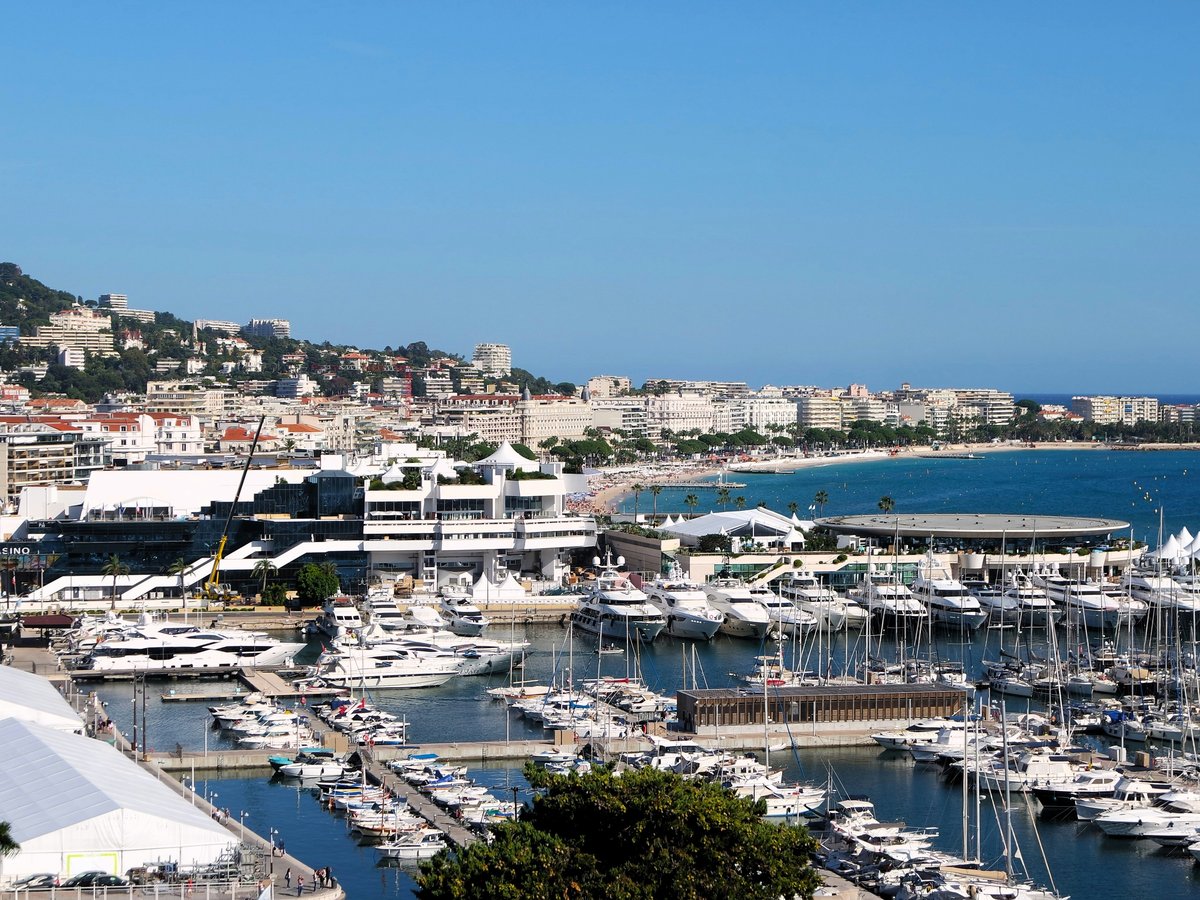
Cannes tends to get pigeonholed as a luxury-only destination, but the shopping scene here is more layered than its red-carpet reputation might suggest. Yes, La Croisette has the Chanel and Dior storefronts you'd expect from a city that hosts the film festival every May. That said, step a few blocks inland and you'll find Provençal food markets where vendors have been selling tapenades and olive oils since before the festival existed. The Rue d'Antibes corridor runs parallel to the waterfront and caters to a broader range of budgets, with French high-street brands sitting beside independent perfumeries. Cannes still has a working fishing port at the old quarter, Le Suquet, and the shops clustered around Rue Meynadier reflect that older, more residential character. You might notice that locals tend to do their actual grocery shopping at Marché Forville rather than the glossy boutiques near the Palais des Festivals. Worth noting, too, that Cannes sits in the Grasse perfume basin, so fragrance products here aren't generic tourist fare. They're sourced from perfumeries within 20 kilometers of town.
Shopping districts
-
Boulevard de la Croisette
luxuryThe 2-kilometer seafront promenade is where the big fashion houses keep their Cannes outposts. Chanel, Louis Vuitton, Dior, and Cartier all have storefronts facing the Mediterranean. The buildings are Belle Époque, the clientele tends toward film festival visitors and yacht owners, and the sales staff generally speak 3 or 4 languages. During the festival in May, some boutiques extend their hours and host private events. The rest of the year, it's quieter than you'd think. To be fair, most locals walk past these shops daily without going in, but La Croisette is still the reference point for Cannes retail.
Best for: High fashion, watches, fine jewelry, and designer accessories
-
Rue d'Antibes
mid-rangeThis is the street where Cannes residents shop for clothes. It runs roughly parallel to La Croisette, one block inland, stretching about 1.5 kilometers from east to west. You'll find Zara, Mango, and Sephora alongside independent French boutiques selling linen dresses and leather goods. The western end near Rue Hoche tends to have more one-off shops. Perfumeries cluster here too, some of them stocking Grasse-made fragrances that you won't find in Paris department stores. The sidewalks get crowded on Saturday afternoons, and window displays change with the seasons more dramatically than on La Croisette. Foot traffic is heavier here because the price points are reachable.
Best for: French fashion brands, perfume, cosmetics, and everyday shopping
-
Rue Meynadier
budget to mid-rangeA pedestrianized street connecting the port area to Marché Forville, and it feels like old Cannes. The shops here sell food first. Fromageries, charcuteries, bakeries, wine merchants, and Provençal specialty stores line both sides. The buildings are narrow, 3 or 4 stories, with faded pastel facades. You'll smell fresh bread in the morning and roasted chicken by midday. A few clothing shops and gift stores have crept in over the years, but the character remains food-forward and local. Prices sit well below Rue d'Antibes for comparable products. This is where you'll find olive oils, dried herbs, and local wines without the tourist markup.
Best for: Provençal food products, local wines, cheese, and affordable gifts
-
Le Suquet (Old Town)
mid-range to highThe hill above the port is the oldest part of Cannes, with narrow cobblestone streets climbing toward the 11th-century watchtower and the church of Notre-Dame d'Espérance. Shopping here is sparse but distinctive. Small galleries sell paintings of Riviera landscapes. A few artisan shops carry hand-painted ceramics and Provençal textiles. The pace is slow, the streets are steep, and you might find yourself buying something because the conversation with the shopkeeper went on for 20 minutes. It's not a shopping destination in the conventional sense, but the things you find here tend to be one-offs.
Best for: Art galleries, handmade ceramics, and one-of-a-kind artisan finds
-
Rue du Commandant André
mid-rangeA quieter street that branches off from the main commercial zone, this stretch has been picking up more independent boutiques in recent years. Vintage clothing shops, contemporary jewelry designers, and a few concept stores have opened here. The vibe is younger than Rue d'Antibes and less performative than La Croisette. Some of the shops rotate stock frequently, sourcing from young French designers. Mind you, it's still a short street, so you can cover it in 15 minutes, but the curation tends to be sharper than what you'll find in the chain-heavy sections of town.
Best for: Independent boutiques, contemporary jewelry, and vintage fashion
-
La Bocca commercial zone
budgetAbout 3 kilometers west of the city center, La Bocca is where Cannes residents go for practical shopping. A mix of supermarkets, home goods stores, and discount retailers line the Avenue Francis Tonner area. This is not a tourist district at all. You'll hear more local dialect here, and the cafés serve coffee for half the price of those on La Croisette. If you need something functional, a phone charger, sunscreen, a beach towel, this is where to come without paying a premium for the postcode.
Best for: Everyday essentials, supermarkets, and non-tourist practical shopping
Markets
-
Marché Forville
food and flea (Monday)The covered market at the foot of Le Suquet is the heart of daily food shopping in Cannes. Built in the 1930s, the structure houses around 40 vendors under a concrete canopy. Farmers from the hills behind Grasse bring down courgette flowers, mesclun salad, and small Provençal strawberries called gariguettes. Fishmongers display the morning catch, often including rouget, loup de mer, and sea urchins when they're in season from October through April. Cheese vendors will let you taste before you buy. The smell of lavender bundles mixes with ripe tomatoes on warm mornings. On Mondays, when the food vendors take the day off, the space converts into a flea market with brocante dealers selling vintage Riviera posters, old silverware, and second-hand books.
Food market: Tuesday through Sunday, roughly 7:00 to 13:00. Flea market (brocante): Monday, same hours.
-
Marché de la Bocca
foodLess visited by tourists, this neighborhood market in the La Bocca quarter serves the local population west of central Cannes. The produce tends to be a touch cheaper than Forville, and the vendors are more likely to recognize regulars. You'll find North African spices, merguez sausages, and halal butchers alongside traditional Provençal stalls. The community feel is strong here. It's worth the bus ride if you want to see how Cannes eats when the cameras aren't rolling.
Tuesday through Sunday mornings, typically 7:00 to 13:00
-
Marché aux Fleurs (Allées de la Liberté)
flower and artisanThe flower market on the Allées de la Liberté, the tree-lined square near the port, runs daily and fills the air with jasmine, mimosa (in late winter), and cut roses. Cannes has deep ties to the flower trade thanks to Grasse, and this market reflects that. Beyond flowers, a handful of stalls sell Provençal soaps, dried lavender sachets, and locally produced honey. The square itself is pleasant, shaded by plane trees, with pétanque players often visible nearby. It's small enough to browse in 20 minutes but fragrant enough to linger.
Daily, mornings until early afternoon. Busiest on weekends.
-
Brocante de Cannes (periodic)
flea and antiqueSeveral times a year, larger brocante and vide-grenier events take over sections of the Boulevard de la Croisette or the port area. These are genuine flea markets where residents clear out their attics. You'll find vintage glassware from the 1950s and 1960s, old cinema memorabilia (film festival posters, signed programs), Provençal quilts called boutis, and sometimes furniture. The schedule changes annually, so checking with the Cannes tourism office or local event listings a few days before your visit is the practical move.
Several times per year, dates vary. Check with the Office de Tourisme for upcoming dates.
-
Marché nocturne (summer night market)
night and artisanDuring July and August, evening markets appear along the port area and sometimes near the Allées de la Liberté. Artisans sell handmade jewelry, leather sandals, painted tiles, and Provençal table linens. The atmosphere is relaxed, with live music occasionally drifting from nearby restaurants. Temperatures drop to a comfortable 24 or 25 degrees Celsius by 9 PM, making it a pleasant evening walk. The vendors here are a mix of local craftspeople and traveling artisans who follow the Riviera summer circuit from Saint-Tropez to Menton.
July and August evenings, typically from 19:00 to 23:00. Location and exact dates vary by year.
Souvenirs worth bringing home
The most genuinely Cannes-specific thing you can bring home is perfume from the Grasse basin, which sits about 30 minutes north. Several shops on Rue d'Antibes and Rue Meynadier carry fragrances from Grasse houses like Fragonard, Molinard, and Galimard. These are real perfumeries with 200-plus years of history, not tourist gimmicks. Provençal soaps, particularly savon de Marseille, are widely available and they pack well. Olive oil from the Alpes-Maritimes region is another solid choice. Look for bottles marked with an AOC or AOP label from Nice or the Vallée des Baux. Dried herbs de Provence, tapenade in jars, and calisson sweets from Aix (widely sold in Cannes) all travel without refrigeration. For something less expected, the Monday brocante at Forville sometimes turns up vintage Cannes film festival posters or old Riviera tourism prints from the 1950s and 1960s. Provençal textiles, the printed cotton fabrics in yellow and blue patterns originally from the Souleiado and Les Olivades workshops, make distinctive table linens or napkins. Skip the generic keychains and fridge magnets near the port. They're made in China and sold at every town from Nice to Marseille.
Practical tips
- Bargaining norms
- Fixed prices are the rule in shops and boutiques throughout Cannes. Don't attempt to haggle in retail stores or food markets. Prices are set and vendors will likely find it rude. The one exception is the Monday flea market at Forville and the periodic brocante events, where polite negotiation on antiques and second-hand goods is expected. A reasonable opening is 10 to 20 percent below the asking price. Keep it friendly. Pushy haggling will get you nowhere on the Riviera.
- Tax refunds (détaxe)
- Non-EU residents can claim a VAT refund on purchases totaling at least 100.01 euros at a single store on the same day. Ask for a détaxe form (bordereau de détaxe) at the point of sale. You'll need your passport. At the airport, scan the barcode at a PABLO kiosk before checking luggage. Refunds typically run 10 to 12 percent of the purchase price after processing fees. The luxury boutiques on La Croisette handle détaxe paperwork routinely. Smaller shops on Rue Meynadier may not participate, so ask before you buy if the refund matters to your budget.
- Opening hours
- Most Cannes shops open between 9:30 and 10:00 and close by 19:00. Many still close for lunch, particularly on Rue Meynadier and in Le Suquet, typically from 12:30 to 14:30 or 15:00. Sunday closures are widespread outside of summer. During July and August, many shops extend hours to 20:00 or later, and Sunday opening becomes more common. Marché Forville wraps up by 13:00 sharp, so arrive by 10:00 for the best selection. The food vendors start packing at 12:30.
- Payment methods
- Credit and debit cards are accepted almost everywhere in Cannes, including at most market stalls in Forville. Contactless payment via card or phone works widely. Some smaller brocante vendors and flea market sellers still prefer cash, so carry 50 to 100 euros in small bills if you're heading to the Monday market. ATMs are easy to find along Rue d'Antibes and near the train station. Visa and Mastercard are universal. American Express is accepted at luxury boutiques but may be declined at smaller shops.
- Carrying purchases
- France charges for plastic bags in all shops, typically 10 to 30 centimes depending on size. Bring a reusable tote. At Marché Forville, vendors will bag produce but the bags are thin. If you're buying olive oil or wine to take home, several shops on Rue Meynadier will pack bottles in padded wine carriers for a few euros. For luxury purchases, most La Croisette boutiques will ship internationally if you'd rather not carry a designer handbag through airport security.
- Best days to shop
- Saturday morning is prime time for Marché Forville, with the widest selection and the most energy. Monday is the only day for the flea market at the same location. Avoid the last two weeks of May if you dislike crowds. The film festival fills every street and restaurant in the center, and shops near the Palais des Festivals may have restricted access. September is likely the best month overall. The summer crowds thin out, shops run end-of-season sales (soldes usually start in late June and run 4 weeks), and the weather stays warm enough for comfortable walking.
FAQ
Is Cannes shopping only for luxury budgets?
Not at all. La Croisette gets the attention, but Rue d'Antibes has French high-street brands at normal prices, and Rue Meynadier is genuinely affordable for food products and local goods. Marché Forville is where working Cannes shops for groceries. You can spend a full day browsing without touching a luxury boutique.
Where can I buy authentic perfume from Grasse in Cannes?
Several perfumeries on Rue d'Antibes carry Grasse-made fragrances from established houses like Fragonard, Molinard, and Galimard. These are the real thing, produced in factories you can visit 30 minutes north of Cannes. Prices tend to be lower than department store perfumes because you're buying direct from regional producers without the Paris markup.
What time should I arrive at Marché Forville?
Between 8:00 and 10:00 gives you the best balance of full stalls and manageable crowds. The fishmongers and produce vendors set up by 7:00, and the serious cooks come early. By 12:00, many vendors start packing up. On Saturday mornings expect the market to be busiest, so arriving closer to 8:00 is worth the effort.
Can I get a tax refund on food and market purchases?
Generally no. The détaxe minimum of 100.01 euros at a single store on the same day means that small food purchases at individual market stalls won't qualify. Some gourmet shops on Rue Meynadier might reach the threshold if you're buying several bottles of wine or olive oil at once. Ask at the register before paying.
Are shops in Cannes open on Sundays?
It depends on the season. During July and August, many shops on Rue d'Antibes and La Croisette open on Sundays, though hours are often shorter, typically 10:00 to 18:00. Outside of summer, Sunday closures are common for smaller shops. Marché Forville operates on Sundays year-round. Large chain stores near La Bocca tend to follow national rules and may close on Sundays except during designated tourist-zone exceptions.
Is it worth visiting the Monday flea market at Forville?
If you have any interest in vintage items, old books, or Riviera memorabilia, yes. The Monday brocante at Marché Forville replaces the regular food market and draws dealers selling everything from 1960s glassware to vintage Cannes film festival programs. Quality varies week to week, so expectations should be flexible. Prices are negotiable, and arriving before 10:00 gives you first pick.
Last verified by automated review (v1.7.2) on . What is automated review?