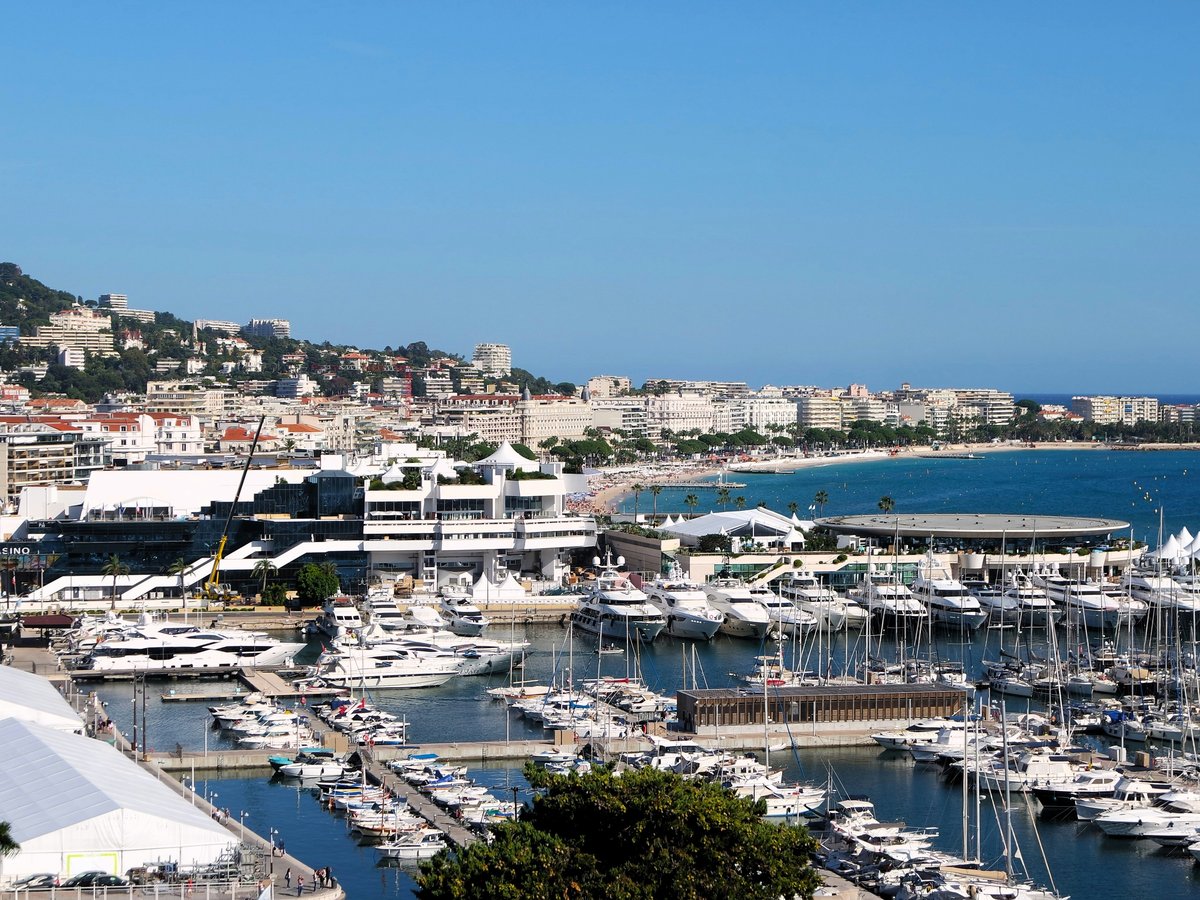
Cannes runs on a different clock than most French cities. The film industry's fingerprints are all over the nightlife, but for 11 months of the year, this is still a Provençal town of about 75,000 people where dinner rarely starts before 9 PM and the first serious drink comes closer to 11. The Croisette gets most of the attention, but the real after-dark personality sits a few streets inland, in the tight blocks between Rue d'Antibes and the old port. Locals tend to drink rosé by the carafe, pastis when they're feeling traditional, and spritz when they're not. The whole scene tilts heavily seasonal. From late June through mid-September, beach clubs morph into evening venues with DJs, and the population triples with summer visitors from Paris, Milan, and London. During the Film Festival in May, the city becomes something else entirely. Prices double, door policies tighten, and private parties take over rooftops you didn't know existed. The rest of the year, Cannes settles into a quieter rhythm. Mid-week nights can feel genuinely sleepy outside the Carré d'Or. That said, even in January you'll find a handful of bars open past 1 AM if you know where to look.
The Bar Scene in Cannes
The divide in Cannes is between the Croisette palace bars and everything else. The grand hotel bars at places like the Hôtel Martinez, the Carlton, and the Majestic Barrière still pull a well-dressed crowd ordering champagne by the glass at 18 to 25 euros a pour. These spots feel like a film set, all polished marble and low lighting. You might catch a piano player on a Friday. The smell of expensive perfume hangs in the air, mixed with sea salt drifting off the Mediterranean through open terrace doors. A few streets back from the seafront, the tone shifts. The blocks around Rue Félix Faure and the pedestrian streets near the old port hold most of the city's casual drinking. Wine bars tend to pour local Côtes de Provence and Bellet, often by the glass for 6 to 9 euros. The standard order among locals still seems to be a carafe of rosé, especially from May onward when the terraces fill up. Worth noting, Cannes doesn't really have a "dive bar" culture the way Anglo cities do. Even the scruffier spots tend to keep tablecloths. Cocktail bars have been gaining ground since around 2018, with a few spots in the Carré d'Or area mixing drinks in the 14 to 18 euro range. Rooftop bars are mostly hotel-attached. The terraces at the larger Croisette properties open seasonally, usually from April or May through October, and tend to close by 1 AM. The after-work aperitif crowd fills the port-side terraces around 6 PM, especially on the Quai Saint-Pierre, where you can smell grilled fish from the restaurants next door while the boats rock in the harbor. By 8 PM, those terraces are full. By 10, the crowd has shifted to dinner, and the bars pick up again closer to 11.
Clubs in Cannes
Cannes has a handful of proper nightclubs, most of them clustered in or near the Carré d'Or district. The scene leans heavily toward house and commercial dance music, with some clubs booking international DJs for weekend residencies in July and August. Hip-hop and R&B sets tend to appear on specific themed nights, usually Thursdays or Saturdays depending on the venue. Dress codes are enforced more strictly here than in Nice or Marseille. Trainers and shorts will likely get you turned away at most doors, even in summer. Collared shirts for men, smart shoes. Women face fewer restrictions but the general expectation is "effort made." Doormen at Cannes clubs can be blunt. To be fair, the stricter spots also tend to have better sound systems. Things don't really get moving until midnight. Most clubs open their doors around 11:30 PM, but the dance floor stays thin until 12:30 or 1 AM. Peak hours run from about 1 to 3:30 AM. Closing time is technically 5 or 6 AM at most venues, though plenty wind down by 4 outside peak summer weekends. During the Film Festival in May, temporary pop-up clubs appear along the Croisette, and the established spots run special programming that can feel like a different city entirely. Bottle service is common at the higher-end clubs, with table minimums that might start around 200 to 300 euros for a basic bottle of vodka or champagne. Walk-in cover charges at the door, when they exist, tend to run 15 to 25 euros on a typical weekend, sometimes including a drink. That said, guest lists and promoter connections still carry weight. Locals tend to know someone at the door. The bass thumps through the walls of the Carré d'Or on Saturday nights, and you can feel it in your chest before you even reach the entrance.
Live Music in Cannes
Cannes has a smaller live music scene than Marseille or Nice, but it still delivers on certain nights. Jazz has deep roots on the Côte d'Azur, and Cannes reflects that. Several bars and restaurants along the port and in Le Suquet host jazz combos, typically on Thursday, Friday, or Saturday evenings from around 9 PM. The sound tends toward classic French jazz and bossa nova, sometimes with a guitarist and vocalist playing standards for a dining crowd. The Palais des Festivals, the same building that hosts the film festival each May, programs concerts and cultural events year-round. Acts range from French pop to international touring artists, with ticket prices that vary from about 30 to 90 euros depending on the performer. Summer brings open-air concerts to various spots along the coast and in nearby towns like Antibes and Juan-les-Pins, which hosts its own jazz festival in July. Street musicians appear along the Croisette and Rue d'Antibes on warm evenings, usually playing acoustic guitar or accordion. Mind you, these aren't always background quality. Some are genuinely skilled. A few of the hotel bars feature resident pianists or small ensembles, particularly during high season. The Carlton terrace has been known for this. For rock, indie, or electronic acts, locals often head to Nice, about 30 minutes east by train, where the venue scene is considerably larger. Cannes tends to draw its live music energy from the broader Alpes-Maritimes region rather than sustaining a full independent circuit of its own. The last SNCF train back from Nice departs around 11 PM on weeknights, closer to midnight on weekends.
Nightlife neighborhoods
-
Le Carré d'Or
The dense grid of streets between Rue d'Antibes and La Croisette, roughly bounded by Rue des Serbes and Rue Macé. After 11 PM on weekends, the narrow streets fill with groups moving between bars and clubs. The smell of cigarette smoke and cologne mingles with the warm night air. This is where the bass hits you from doorways.
- Best for
- Clubbing, late-night bar crawls, anyone who wants to be in the thick of it on a Friday or Saturday
- Standouts
- Most of the city's proper nightclubs sit here or within a 5-minute walk. Cocktail bars and late-night spots share the blocks.
-
Le Suquet
The old town climbs the hill above the port, with stone steps and narrow lanes that feel distinctly medieval after dark. The pace is slower here. Candlelit restaurant terraces give way to a few quiet wine bars. You can hear the clink of glasses and conversation carrying down the stone staircases. The views over the port and the Îles de Lérins from the top are worth the climb, especially around sunset.
- Best for
- Couples, wine drinkers, anyone who wants a quieter evening with a local feel and a 180-degree sea view
- Standouts
- Small wine bars and restaurant terraces. The area doesn't have clubs, which is part of its appeal.
-
La Croisette and the Palace Hotels
The famous 2-kilometer seafront boulevard, lined with luxury hotels and their ground-floor bars and terraces. The crowd skews older and wealthier, especially at the hotel bars. In summer, you'll hear a mix of French, English, Russian, and Arabic on the terraces. The sea breeze keeps things cool even on August nights, and the palm trees rustle overhead.
- Best for
- Champagne-budget evenings, people-watching, a nightcap with a view of the Estérel mountains lit by moonlight
- Standouts
- The hotel bars at the Martinez, the Carlton InterContinental, and the Majestic Barrière are the anchor points along this stretch.
-
Quai Saint-Pierre and the Old Port
The portside strip runs along the western edge of the old harbor, with restaurant terraces that transition into drinking spots as the dinner plates get cleared. The sound of rigging clinking against masts carries across the water. Fishing boats and megayachts sit 20 meters apart. The air smells like salt and grilled loup de mer.
- Best for
- Apéritif hour, casual weeknight drinks with locals, anyone who wants to eat and drink in the same spot without moving
- Standouts
- A string of restaurants and bars with terraces facing the port. The western end near the fish market tends to be more local.
-
Rue d'Antibes and Rue Félix Faure
Rue d'Antibes is the main commercial street, about 1.5 kilometers long. After the shops close around 7 PM, a few bars and brasseries take over the foot traffic. Rue Félix Faure, the pedestrian stretch near the Marché Forville, picks up in the evening with terrace seating and a mixed crowd of tourists and residents. It currently feels like the most relaxed drinking strip in central Cannes.
- Best for
- Pre-dinner drinks, casual evenings without dress code pressure, groups who want options within a short walk
- Standouts
- Brasseries and casual bars with outdoor seating. Less nightclub energy, more terrace conversation.
-
La Bocca
The western district, about 3 kilometers from central Cannes, has a more working-class feel with North African and Italian influences. A few local bars cater to residents, and you might find a shisha lounge or two. It rarely appears in tourist guides, which is partly the point. The pace is unhurried. You'll hear Arabic and Niçois alongside French.
- Best for
- Travelers who want to see the non-tourist side of Cannes, budget-conscious drinkers, late-night kebabs after the bars close
- Standouts
- Neighborhood bars and cafes along the Boulevard de la République and Avenue Francis Tonner. Not a destination nightlife district, but genuine.
Safety after dark
Cannes is generally safe after dark, especially along the Croisette and in the central tourist areas. That said, a few things to keep in mind. Pickpocketing tends to pick up during the Film Festival in May and through peak summer, particularly in crowded bars and on the beach promenade after midnight. Keep your phone in a front pocket.
Drink spiking happens in resort towns across the Côte d'Azur. Watch your glass, especially at crowded venues during high season. If a drink tastes off, leave it.
Taxis can be hard to find after 2 AM on summer weekends. The main taxi stand sits near the Gare de Cannes on Rue Jean Jaurès, but queues get long. Ride-hailing apps work but surge pricing applies. Pre-booking a taxi through the local dispatch is often more reliable. The last Bus Azur routes tend to stop running around 9 PM, with limited Noctambus night services on certain lines.
The Croisette beach is not well-lit past the public sections. Walking along the sand alone at 3 AM is not advisable. Stick to the lit boulevard.
During festival periods, unofficial "promoters" sometimes approach tourists near the Carré d'Or offering free entry or VIP access. These can be legitimate, but some lead to overpriced bottle-service traps. If the deal sounds too good, it likely is. Verify the venue name independently before following anyone.
Practical tips
- Tipping
- Service is included in French bar and restaurant bills by law (the service compris). Leaving a euro or two on top for a bartender is a nice gesture but not expected. Nobody tips 15 to 20 percent at a bar in France. Rounding up the bill is the local norm.
- Cover charges
- Most bars in Cannes have no cover charge. Clubs charge entry on weekends, typically 15 to 25 euros, sometimes with a drink included. During the Film Festival and peak July-August weekends, those prices can rise. Guest lists, which you can sometimes get on via a venue's social media or by asking at your hotel concierge, often waive or reduce the cover.
- Dress code
- Cannes leans dressier than most French cities its size. For clubs, smart shoes and a collared shirt are the baseline for men. Flip-flops and beachwear will get you turned away at any serious venue after dark, even in August. Bar terraces are more forgiving, but the Croisette hotel bars still expect a certain level of effort.
- When to go out
- Apéritif hour runs roughly 6 to 8 PM. Dinner starts at 9 PM, sometimes later. Bars fill up around 11 PM. Clubs open around 11:30 PM but peak between 1 and 3 AM. On weeknights outside of summer, expect a quieter scene. Thursday tends to be the first real going-out night of the week.
- Language
- English is widely spoken in bars and clubs along the Croisette and in the Carré d'Or, especially during tourist season. In Le Suquet and La Bocca, French goes further. A basic "bonsoir" and "l'addition, s'il vous plaît" still smooth things over considerably.
- Seasonal swings
- The Cannes nightlife calendar has two gears. From late June through mid-September, the city is in full summer mode with beach club parties, late-night DJs, and packed terraces. From October through April, many venues reduce hours or close entirely. The Film Festival in May is its own beast, with private parties and pop-up venues layered on top of the regular scene.
FAQ
What time do bars and clubs close in Cannes?
Most bars close between midnight and 2 AM, depending on the night and season. Clubs typically stay open until 5 or 6 AM on weekends during summer, though the crowd thins after 3:30 AM outside of peak periods. In the quieter months from October to April, some venues close earlier or shut entirely.
Is Cannes nightlife expensive compared to other French cities?
Yes, noticeably more so than Marseille or Montpellier, and somewhat more than Nice. A glass of wine at a Croisette hotel bar might run 12 to 18 euros, while the same pour at a bar near Rue Félix Faure could be 6 to 9 euros. Club bottle service starts around 200 to 300 euros. It tends to be comparable to Saint-Tropez at the high end, though the mid-range options are more accessible than Saint-Tropez offers.
Do I need to book ahead for bars and clubs in Cannes?
For most bars, no reservation is needed outside of festival periods. For clubs, getting on a guest list in advance helps, especially on summer weekends and during the Film Festival in May. Hotel concierges in Cannes are often well-connected and can arrange guest list spots or table reservations at the busier venues.
What is the legal drinking age in Cannes?
The legal drinking age in France is 18. Bars and clubs in Cannes do check IDs, particularly at club doors. Carry a passport or national ID card rather than a photocopy, as some doormen insist on the original document.
How do I get back to my hotel late at night in Cannes?
Taxis are the most reliable option after midnight. The main rank near Gare de Cannes on Rue Jean Jaurès operates 24 hours, though waits of 20 to 30 minutes are common after 2 AM on summer weekends. Ride-hailing apps work but expect surge pricing. The city center is walkable if your hotel is within the Croisette-to-Suquet corridor, roughly a 15-minute walk end to end.
Is Cannes nightlife worth visiting outside of summer?
It depends on what you're after. The winter months from November through February are genuinely quiet, with reduced hours and some closures. That said, the Carré d'Or keeps a few spots open year-round, and the hotel bars on the Croisette still serve through winter. Spring and early autumn, particularly May and September, offer a good middle ground with warm evenings and fewer crowds than July and August.
Last verified by automated review (v1.7.2) on . What is automated review?