Huntsville tends to fly under the radar as a shopping destination, which is part of its appeal. The city's economy has long been driven by NASA's Marshall Space Flight Center and the Redstone Arsenal, and that engineering culture bleeds into what you'll find on shelves. Space memorabilia is everywhere, sure, but the more interesting finds are in the repurposed industrial buildings south of downtown. Lowe Mill ARTS & Entertainment, a converted 1901 cotton mill on Seminole Drive, currently holds more than 150 working artist studios across 171,000 square feet, making it the largest privately owned arts facility in the United States. That single building tells you more about Huntsville's shopping personality than any mall could. The city sits in the Tennessee Valley of north Alabama, and the surrounding farms still feed into local markets with sorghum syrup, pecans, and seasonal produce that has been part of the regional food culture for generations.
Shopping districts
-
Lowe Mill ARTS & Entertainment District
mid-rangeThe old Dallas Manufacturing Company cotton mill at 2211 Seminole Drive has been converted into a sprawling arts campus with over 150 studios, galleries, and small retail spaces. You'll find painters, potters, jewelers, woodworkers, and textile artists selling directly from their working studios. The building itself smells like turpentine and sawdust in some corridors, candle wax and incense in others. Prices reflect handmade goods from working artists, so expect to pay more than big-box retail but less than gallery markup in larger cities. Most pieces run from the low tens to a few hundred dollars. The vibe tends to attract a younger, creative crowd, though on weekends you'll see families wandering through too.
Best for: Handmade art, original paintings, pottery, jewelry, and one-of-a-kind gifts
-
Bridge Street Town Centre
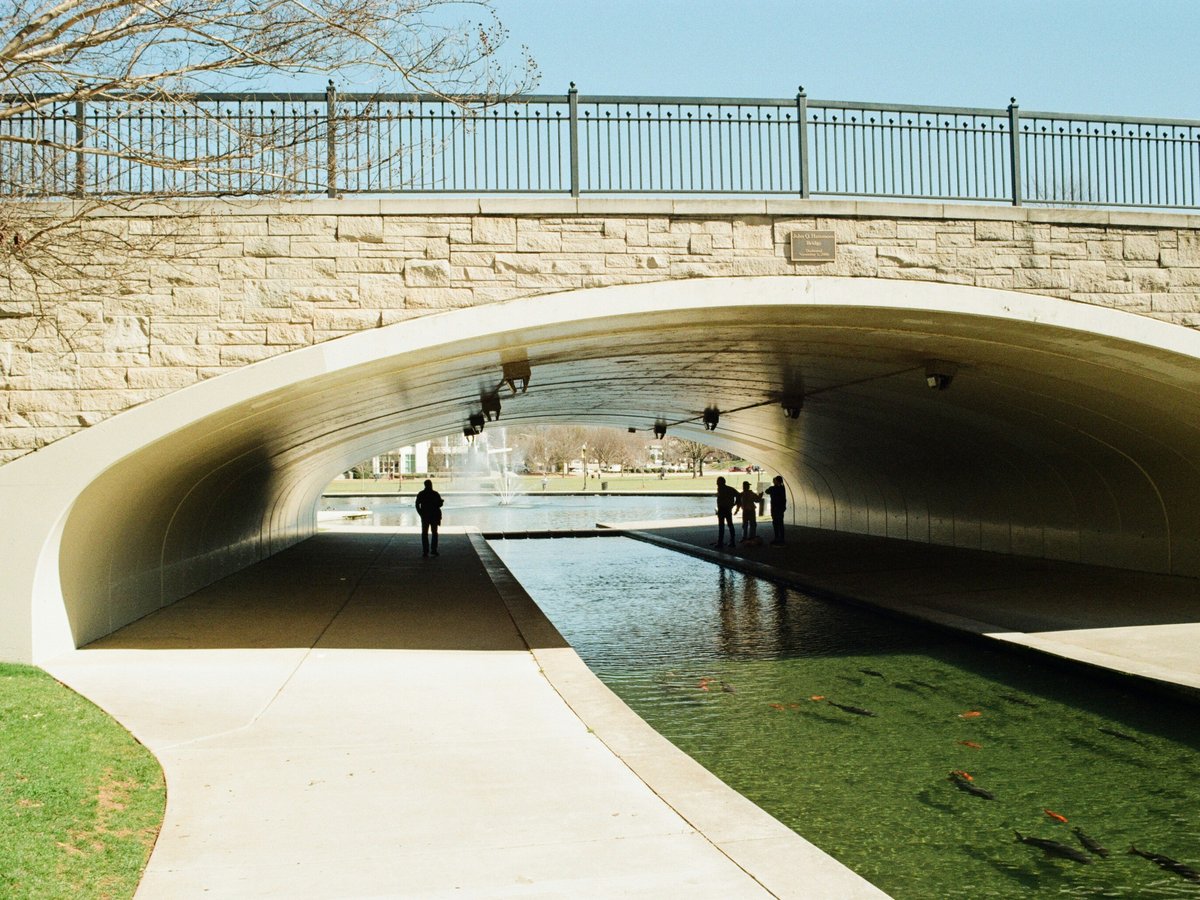
upper mid-range to luxuryHuntsville's upscale outdoor shopping center sits off Interstate 565 near the U.S. Space and Rocket Center. The layout follows the open-air lifestyle center model that replaced traditional malls across the Southeast during the 2000s. National retailers like Apple, Brooks Brothers, and Anthropologie anchor the complex. A small lake runs through the center with a fountain feature. The foot traffic here skews toward the Cummings Research Park crowd, engineers and defense contractors with disposable income. Parking is free, which still feels like a novelty if you've been shopping in bigger cities.
Best for: Brand-name retail, electronics, date-night dinner-and-shopping outings
-
Downtown Huntsville and the Courthouse Square area
mixedThe blocks around the Madison County Courthouse have gone through serious revitalization over the past decade. Washington Street, Jefferson Street, and Clinton Avenue now hold a rotating cast of independent boutiques, vintage shops, and locally owned stores. The storefronts tend to be small, with curated selections rather than deep inventory. You might notice the mix of old brick facades and newer construction. Harrison Brothers Hardware on the south side of the Square has operated since 1897 and still sells cast iron cookware, pocket knives, and old-fashioned candy from wooden bins. It smells like oiled wood floors and metal tools. The pace down here is slower than the suburban shopping centers.
Best for: Independent boutiques, vintage clothing, locally owned specialty shops, and Harrison Brothers Hardware
-
Parkway Place Mall
budget to mid-rangeHuntsville's traditional enclosed mall sits on Memorial Parkway, the city's main north-south commercial corridor. Anchor tenants have shifted over the years, as they have at most American malls built in the 1980s. Dillard's still holds one end. The interior feels dated compared to Bridge Street, but prices tend to run lower, and you'll find more everyday retail here. This is where locals go for practical shopping rather than browsing. The food court still does steady business at lunch.
Best for: Everyday retail, family shopping, and practical purchases at lower price points
-
Campus No. 805
mid-rangeA former school building on Pratt Avenue in the Five Points neighborhood has been converted into a mixed-use space with craft breweries, restaurants, and a handful of retail vendors. The shopping component is small but worth noting because it tends to rotate. Local makers set up in the common areas, and the building hosts pop-up markets through the warmer months. The Five Points neighborhood around it has its own walkable stretch of coffee shops, vintage stores, and restaurants along Andrew Jackson Way and Pratt Avenue. The whole area has a slightly scruffy, creative-class feel.
Best for: Browsing local maker goods while visiting breweries, exploring the Five Points neighborhood
-
Stovehouse
mid-rangeThis repurposed Martin Stove Company factory on Governors Drive opened as a food and entertainment complex and has been adding retail tenants. The industrial bones of the building are still visible, all exposed steel beams and concrete floors. Most of the draw is food-related, but a few local retail shops have taken up space inside, selling candles, home goods, and gifts. The outdoor courtyard area hosts rotating vendors and seasonal pop-up markets. It still feels like a work in progress, which is part of its charm.
Best for: Combining a meal with casual browsing, picking up locally made home goods and gifts
Markets
-
Madison County Farmers Market
food and produceThe county-run market on Cook Avenue operates out of an open-air pavilion near Huntsville Hospital. Local farmers sell seasonal produce, cut flowers, honey, eggs, and homemade preserves. In summer, you'll find tables stacked with tomatoes, okra, corn, and peaches from farms in the Tennessee Valley. The crowd is a mix of retirees who arrive at opening and younger families shopping for the week. Sorghum syrup from local producers appears in fall. The smell of fresh basil and ripe cantaloupe hangs in the air on July mornings.
Tuesdays, Thursdays, and Saturdays from spring through late fall, typically opening around 6 or 7 AM
-
Lowe Mill First Friday Market
artisan and art walkOn the first Friday of each month, Lowe Mill opens its doors for an evening market and art walk that draws a bigger crowd than the regular studio hours. Artists who don't have permanent studios set up temporary booths in the hallways and parking areas. You'll find screen-printed posters, handmade soap, leather goods, ceramics, and photography prints alongside live music. The energy is noticeably different from daytime visits. Food trucks park outside.
First Friday of each month, typically 6 PM to 9 PM
-
Huntsville Flea Market at the Jaycees Fairground
fleaA long-running weekend flea market that sets up at the Jaycees Fairground on Airport Road. The quality varies wildly, which is part of the appeal. You'll wade through tables of used tools, vinyl records, old military surplus, and Depression-era glassware alongside newer goods. The vendors tend to be regulars who have been setting up at the same tables for years. Expect to negotiate. Cash is still king here.
Weekends, typically Saturday and Sunday mornings
-
Greene Street Market
food and artisanA Saturday morning market that has been building a following in downtown Huntsville. Local vendors sell baked goods, artisan cheeses, fresh pasta, and seasonal produce alongside prepared food stalls. The crowd tends to skew younger than the county farmers market. You'll hear live acoustic music from a small stage, and the smell of fresh coffee and wood-fired pizza drifts across the market. It tends to feel more curated than the county market.
Saturday mornings, seasonal schedule
Souvenirs worth bringing home
The most genuinely local thing you can bring home from Huntsville is something space-related, but skip the generic NASA logo t-shirts from gift shops and look for the actual mission patches, technical prints, and Saturn V memorabilia sold at the U.S. Space and Rocket Center's museum store. Sorghum syrup from a north Alabama farm makes a distinctive edible gift. You might not find it outside the Southeast. Local honey from Tennessee Valley beekeepers appears at both the county farmers market and some downtown shops. Artwork from Lowe Mill is about as local as it gets, since you're likely buying directly from the person who made it. Huntsville-roasted coffee from one of the local roasters on or near Jefferson Street packs well. Cast iron pieces from Harrison Brothers Hardware carry some historical weight, given the store has been open since 1897. Avoid anything labeled 'Sweet Home Alabama' that was clearly mass-produced out of state.
Practical tips
- Sales tax
- Alabama's combined state and local sales tax in Huntsville currently sits around 9%, which tends to surprise visitors from states with lower rates or no sales tax. There is no tax refund program for international visitors in the United States, so what you see at the register is what you pay. Groceries are taxed in Alabama, unlike many other states.
- Bargaining
- Fixed prices are the norm at retail stores, boutiques, and most markets. The exception is the flea market at the Jaycees Fairground, where polite negotiation is expected and vendors often have some flexibility, especially later in the day. At Lowe Mill, prices are set by the artists. Asking for a discount on handmade art from the person who made it is considered poor form.
- Opening hours
- Most Huntsville retail opens between 10 AM and 11 AM and closes by 8 or 9 PM on weekdays. Sunday hours tend to be shorter, often noon to 6 PM. Lowe Mill keeps its own schedule, generally Wednesday through Saturday with extended evening hours on First Friday. The farmers market opens early, sometimes by 6 AM, and the best produce goes fast. Downtown shops may close by 5 or 6 PM on weekdays.
- Payment methods
- Credit and debit cards are accepted nearly everywhere in Huntsville, including most Lowe Mill studios. The flea market is the main exception. Bring cash for the Jaycees Fairground, and small bills help. Some farmers market vendors still prefer cash, though more have started accepting Venmo or Square payments.
- Getting around for shopping
- Huntsville is a car city. Memorial Parkway connects most of the commercial districts north to south, and University Drive runs east to west. Free parking is widely available at malls and shopping centers. Downtown has metered street parking and a few small lots. Walking between Lowe Mill, downtown, and Five Points is possible but not comfortable in Alabama's summer heat, when temperatures regularly pass 90°F from June through September.
FAQ
Is Huntsville a good city for vintage and thrift shopping?
Huntsville has a reasonable thrift scene, though it tends to be scattered across the city rather than concentrated in one walkable strip. Several consignment and vintage shops operate in the downtown and Five Points areas. The Jaycees Fairground flea market turns up older items, especially mid-century furniture, vinyl, and military surplus. It is not on the level of Nashville or Atlanta for vintage density, but you'll likely find things worth the trip if you're willing to drive between spots.
What are the best locally made food products to buy in Huntsville?
North Alabama sorghum syrup is the standout. It has been produced in this part of the state for well over a century, and the flavor is distinct from molasses or honey. Local pecans appear seasonally. Tennessee Valley honey, often sold at the Madison County Farmers Market, varies in flavor depending on what the bees were feeding on. Small-batch hot sauces and pepper jellies from local producers show up at weekend markets. Locally roasted coffee from Huntsville roasters is easy to pack in a suitcase.
Are shops open on Sundays in Huntsville?
Most retail stores and malls open on Sundays, but with reduced hours. Expect noon to 6 PM at places like Bridge Street and Parkway Place. Independent downtown shops vary. Some close entirely on Sundays, and others keep abbreviated afternoon hours. Lowe Mill is typically open on Saturdays but check their current schedule for Sunday availability. Farmers markets do not run on Sundays.
How far apart are the main shopping areas in Huntsville?
Downtown, Lowe Mill, and Five Points are all within about 2 to 3 miles of each other on the south side of the city. Bridge Street Town Centre sits roughly 8 miles west near the Space and Rocket Center. Parkway Place Mall is on Memorial Parkway, about 5 miles south of downtown. You will likely need a car to move between them. Drive times tend to stay under 15 to 20 minutes unless you hit Memorial Parkway at rush hour.
Last verified by automated review (v1.7.2) on . What is automated review?