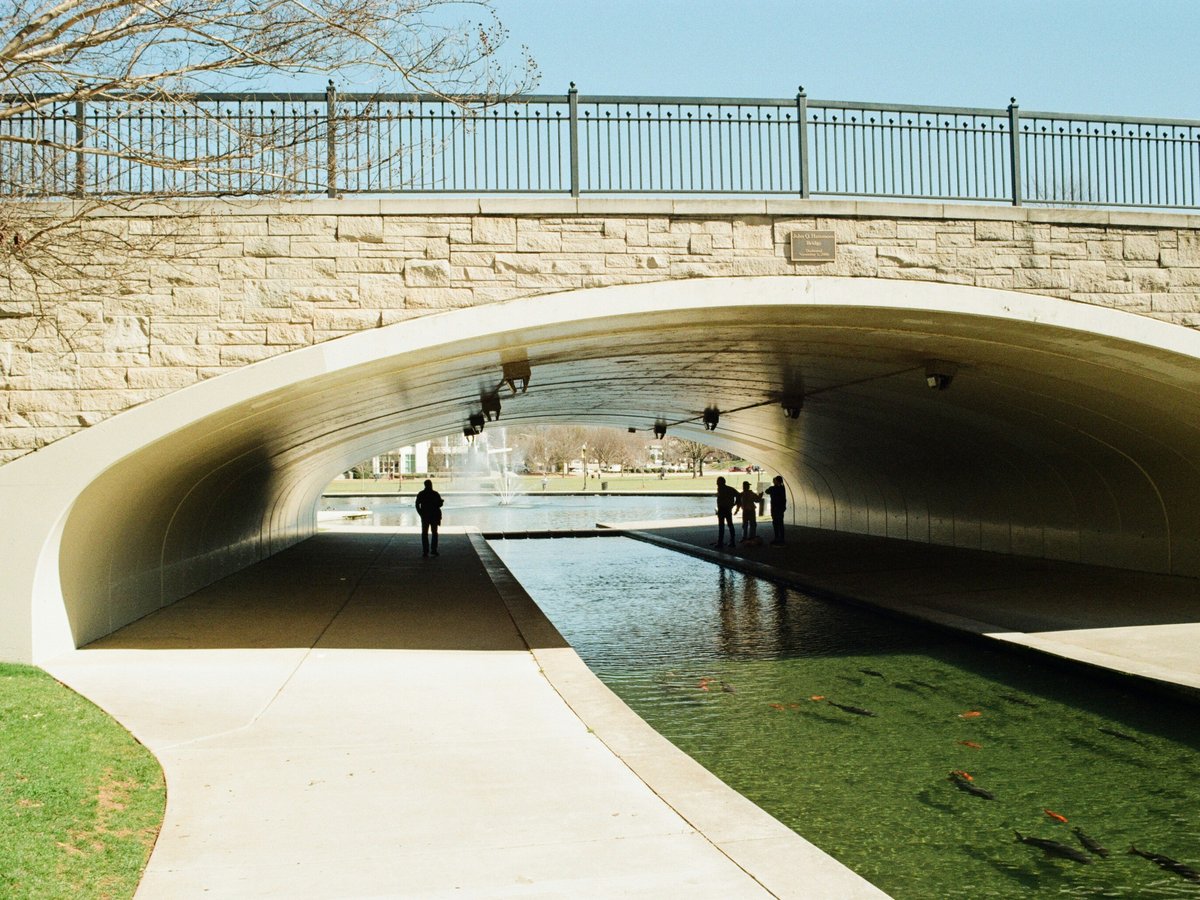
Huntsville sits in the Tennessee Valley of north Alabama, pressed up against the southern edge of the Appalachian foothills. Monte Sano Mountain rises about 1,600 feet to the city's east, and a patchwork of smaller ridges, Wade Mountain and Rainbow Mountain among them, frame the northern and western edges. The Tennessee River bends through the county's western half. For a metro area of roughly 500,000 people, the amount of protected trail land is striking. The Land Trust of North Alabama currently manages over 70 miles of trails on preserves scattered across Madison County, most of them free and open sunrise to sunset. Summers here run hot and sticky, with July highs regularly touching 93°F and humidity that makes 85°F feel worse than 100°F out west. Spring and fall are the sweet spot. March through May brings mild temperatures in the 60s and 70s, and October through mid-November tends to deliver the best trail conditions of the year, with dry air and foliage color peaking around the last week of October. Winter is short but real. Lows dip into the upper 20s in January, and Monte Sano sees occasional ice that closes trails for a day or two.
Outdoor activities
-
Mountain Biking on Monte Sano
Monte Sano State Park and the adjoining Land Trust trails form probably the best mountain biking network in north Alabama. The singletrack ranges from smooth, rolling fire roads to rocky, rooty descents on trails like the Waterline Trail. The park charges a $5 per vehicle day-use fee. You might find the trails muddy after rain, especially on the north-facing slopes, and the park sometimes closes trails when conditions get too wet. Local riders tend to favor the Dead End Trail loop for a solid intermediate ride.
- Difficulty
- Moderate to difficult depending on trail choice
- Duration
- 1.5 to 3 hours for a full loop
- Best season
- October through April, when humidity drops and the trails dry out faster
-
Road Cycling on the Aldridge Creek Greenway
The Aldridge Creek Greenway runs about 7.5 miles through south Huntsville, mostly paved and flat, connecting neighborhoods from John Hunt Park down to Ditto Landing on the Tennessee River. It is popular with after-work riders and families on weekends. The surface is smooth asphalt, and you will share it with joggers and dog walkers. Mind you, there is almost no shade on the middle section, so afternoon rides in July feel punishing.
- Difficulty
- Easy
- Duration
- 45 minutes to 1.5 hours one way at a casual pace
- Best season
- Year-round, but spring mornings and fall afternoons are the most comfortable
-
Rock Climbing at Stone Cuts
Huntsville has a small but dedicated climbing community, and the sandstone bluffs on Monte Sano offer top-rope and bouldering routes. The Stone Cuts area on Monte Sano sees the most traffic. Routes tend to run 30 to 50 feet on textured sandstone with decent holds. Worth noting, the rock gets slippery when wet, and summer humidity can make even dry holds feel greasy. A few sport routes have been bolted in recent years, but many climbers still set their own anchors.
- Difficulty
- Moderate to advanced, depending on the route
- Duration
- Half-day sessions are typical
- Best season
- Late September through November, when the air is dry and the friction is best
-
Trail Running on Land Trust Preserves
The Land Trust of North Alabama operates preserves on Monte Sano, Wade Mountain, Blevins Gap, and Chapman Mountain, among others. Trail runners tend to favor the Monte Sano and Blevins Gap networks for longer efforts. The Wade Mountain Preserve trails are hillier and more technical, with exposed limestone and short steep pitches. All Land Trust trailheads are free to access. The Blevins Gap loop covers around 4 miles with about 600 feet of elevation gain.
- Difficulty
- Moderate
- Duration
- 30 minutes to 2 hours depending on distance and fitness
- Best season
- March through May and October through November
-
Birding at Wheeler National Wildlife Refuge
Wheeler National Wildlife Refuge covers about 35,000 acres along the Tennessee River, roughly 20 miles southwest of downtown Huntsville off I-565. The refuge hosts one of the largest wintering populations of sandhill cranes east of the Mississippi. Peak crane season runs from late November through February, and the observation building on the south shore of the refuge provides viewing scopes. During spring migration in April, warblers and shorebirds pass through in good numbers. The visitor center is free.
- Difficulty
- Easy
- Duration
- 2 to 4 hours for a visit
- Best season
- Late November through February for sandhill cranes, April for spring migration
Day hikes
-
Monte Sano Nature Preserve Loop (Land Trust)
The Land Trust's Monte Sano Nature Preserve connects to the state park but operates separately, with free access from the Bankhead Parkway trailhead. A loop combining the Bluff Line Trail and the Tollgate Trail covers around 5 miles with moderate elevation change. The Bluff Line section follows the edge of the mountain's western escarpment, with open views across the valley. The trail surface is mostly packed dirt and rock with some rooty sections. You will encounter a few short, steep switchbacks on the Tollgate descent.
- Difficulty
- Moderate
- Duration
- 2.5 to 3.5 hours
- Best season
- October through November for fall color and comfortable temperatures
-
Blevins Gap Preserve
Blevins Gap sits on the western slope of Monte Sano, accessed from Toll Gate Road. The main loop covers about 4 miles with roughly 600 feet of elevation gain. The trail passes through mixed hardwood forest and crosses a couple of seasonal creek beds that run dry by midsummer. The lower sections can be overgrown in late June and July, so long pants help. This hike feels quieter than the state park trails, with noticeably fewer people on weekdays.
- Difficulty
- Moderate
- Duration
- 2 to 3 hours
- Best season
- March through May and September through November
-
Wade Mountain Preserve
Wade Mountain Preserve is on the north side of the city, accessed off Old Highway 431. The trail system here is hillier and more technical than Monte Sano, with exposed limestone ledges and steeper grades. The main loop covers roughly 3.5 miles. Spring wildflowers are good here in April, especially trillium and hepatica on the north-facing slopes. The footing can be tricky on the limestone sections, particularly when wet. This one likely demands decent ankle support.
- Difficulty
- Moderate to difficult
- Duration
- 2 to 3 hours
- Best season
- April for wildflowers, October for fall foliage
-
Rainbow Mountain Nature Preserve
Rainbow Mountain is a Land Trust preserve on the northwest side of Huntsville, closer to the residential areas around County Line Road. The trails here total about 5 miles across several short loops. The terrain is rolling rather than steep, with open meadow sections and some wooded stretches. It tends to draw more families and casual hikers than the Monte Sano network. The sunset views from the upper meadow are worth the 20-minute walk up from the main trailhead.
- Difficulty
- Easy to moderate
- Duration
- 1 to 2.5 hours depending on loop choice
- Best season
- Year-round, though summer afternoons are uncomfortably hot on the exposed meadow sections
-
Sipsey Wilderness Day Hike
Sipsey Wilderness in Bankhead National Forest is about 75 miles west of Huntsville, roughly a 90-minute drive, but it is the closest real wilderness-designated area. The Sipsey Fork Trail follows a creek through sandstone canyon walls with seasonal waterfalls. A common day hike covers about 7 miles round trip to the first major waterfall and back. The trail crosses the creek multiple times, so expect wet feet. After heavy rain the crossings can be knee-deep. Ticks are thick in the undergrowth from April through August.
- Difficulty
- Moderate to difficult due to creek crossings and uneven terrain
- Duration
- 4 to 6 hours
- Best season
- Late February through April for peak waterfall flow, and October for lower water and easier crossings
Water activities
-
Kayaking at Ditto Landing
Ditto Landing Marina sits on the Tennessee River at the southern end of the Aldridge Creek Greenway. You can launch your own kayak or canoe from the public ramp for a small fee, currently around $5. The river here is wide and slow-moving, and paddling upstream toward Hobbs Island gives you about 3 miles of relatively sheltered water before the channel opens up. On weekends the boat traffic picks up, so early morning launches tend to be calmer. A few local outfitters rent kayaks seasonally.
- Difficulty
- Easy to moderate depending on river current
- Duration
- 2 to 4 hours
- Best season
- April through October, though summer afternoons bring thunderstorms that roll in fast
-
Canoeing the Flint River
The Flint River flows through eastern Madison County and offers a mellower paddling experience than the Tennessee. The section from Brownsboro down to the Hays Nature Preserve area is popular for casual float trips, covering roughly 6 to 8 miles depending on put-in and take-out. The water is shallow in spots during late summer, so you might scrape bottom in August and September. Herons and turtles are common along the banks. You will need to arrange a shuttle or two-car setup.
- Difficulty
- Easy
- Duration
- 3 to 5 hours for a full float
- Best season
- March through June when water levels are higher
-
Swimming at Point Mallard Water Park
Point Mallard is in Decatur, about 25 miles southwest of Huntsville. The water park has a wave pool, slides, and a sandy beach area on the Tennessee River. It is a public facility with admission currently around $15 for adults. The park is open from late May through Labor Day. It gets crowded on holiday weekends, but weekday mornings are manageable. The beach area on the river side is a quieter alternative to the wave pool.
- Difficulty
- Easy
- Duration
- Half day to full day
- Best season
- Late May through early September
-
Fishing on Wheeler Lake
Wheeler Lake is a TVA reservoir on the Tennessee River that stretches about 60 miles through the Huntsville metro's western side. Largemouth bass, crappie, and catfish are the main catches. The spring crappie run in March and April draws anglers from across the Southeast. Bank fishing is accessible at several points along the reservoir, and Ditto Landing offers boat ramp access. An Alabama fishing license is required and currently costs $13.60 for residents or about $52 for non-residents.
- Difficulty
- Easy to moderate depending on method
- Duration
- Half day to full day
- Best season
- March through May for crappie and bass, catfish year-round
Parks & gardens
-
Big Spring International Park
FreeBig Spring sits in the middle of downtown Huntsville, built around one of the largest natural springs in Alabama. The spring produces millions of gallons daily and feeds a lagoon where ducks and geese congregate year-round. The park covers about 10 acres and connects to the Von Braun Center. On weekday lunches you will find office workers from the surrounding blocks eating on the benches. The water in the spring pool stays noticeably cool even in August, and you can feel the temperature drop a few degrees standing near it.
Highlights: The limestone spring pool, resident ducks, walking paths along the lagoon, and seasonal flower plantings near the Japanese bridge
-
Huntsville Botanical Garden
The Botanical Garden covers 112 acres on Bob Wallace Avenue and is the largest open-air butterfly house in the state. The gardens are well maintained and organized into themed sections. The children's garden includes a nature trail that winds through a wetland area. Admission currently runs around $15 for adults and $10 for children ages 3 to 18. The aquatic garden ponds fill with blooming lotus and water lilies in June and July. That said, the open meadow sections offer almost no shade, so summer visits are better in the early morning.
Highlights: Open-air butterfly house (seasonal, typically May through September), the aquatic garden with lotus blooms in early summer, dogwood collection in spring, and the Galaxy of Lights holiday display in November and December
-
Hays Nature Preserve
FreeHays Nature Preserve stretches along about 4 miles of the Flint River in southeast Huntsville. The preserve has paved and unpaved trails through bottomland hardwood forest, and the Flint River sections are good for spotting great blue herons and the occasional beaver. The paved path is flat and accessible. The unpaved nature trails are short loops, none longer than about a mile, with soft ground that gets muddy after heavy rain. Local runners use the paved trail for out-and-back routes.
Highlights: Flint River overlooks, bottomland hardwood forest, the 3.5-mile paved multi-use trail, and the short nature loop trails near the eastern parking area
-
Monte Sano State Park
Monte Sano sits on the mountain of the same name, right at the city's eastern edge, about a 15-minute drive from downtown. The park covers roughly 2,140 acres and includes developed campgrounds, picnic pavilions, and over 20 miles of hiking and biking trails. The Japanese garden near the park's south entrance is a quiet spot with stone lanterns and a small reflecting pool. On clear fall mornings the overlook near O'Shaughnessy Point gives you a wide view across the valley to the west.
Highlights: O'Shaughnessy Point overlook, the stone-constructed CCC-era pavilions from the 1930s, the Japanese garden, campground with 89 improved sites, and disc golf course
-
John Hunt Park
FreeJohn Hunt Park covers about 430 acres in south Huntsville and functions as the city's main recreational hub. It has soccer and baseball fields, a public pool, and paved walking paths. The area around the lake is quieter than the sports complexes. The park connects to the Aldridge Creek Greenway, so you can start a longer bike ride or run from here.
Highlights: The 1.5-mile walking loop around the lake, connection to Aldridge Creek Greenway, public swimming pool open Memorial Day through Labor Day, and shaded picnic areas
Practical tips
- Hydration and Heat
- Huntsville summers are brutal. July and August humidity regularly pushes the heat index past 100°F. Carry at least 2 liters of water for any hike over an hour, and 3 liters if you are out past noon. The trails on Monte Sano offer some canopy shade, but open meadow trails like Rainbow Mountain will cook you. Start before 8 a.m. in summer or wait until October.
- Tick and Bug Protection
- Lone star ticks are aggressive in north Alabama from April through August. Treat clothing and shoes with permethrin before the season starts, and do a thorough tick check after every hike. Mosquitoes are worst near water in the evening, especially at Hays Nature Preserve and along the Flint River. DEET or picaridin-based repellent works better than citronella here.
- Trail Conditions After Rain
- North Alabama red clay turns slick and sticky after rain. Many Land Trust trails drain poorly on lower sections, and Monte Sano's north-facing slopes can stay muddy for 2 to 3 days after a good storm. Check the Land Trust of North Alabama's website or Facebook page for trail status updates before heading out. Gaiters help if you insist on hiking within 24 hours of rain.
- Sun Protection
- Even in spring, UV exposure on the open meadow trails and on the water is intense. Sunscreen (SPF 30 minimum), a brimmed hat, and sunglasses are baseline for any outdoor activity. The reflection off Wheeler Lake and the Tennessee River will burn you faster than you expect, especially on the water between 10 a.m. and 3 p.m.
- Footwear
- Most Monte Sano and Land Trust trails have rocky, uneven surfaces with exposed roots and limestone ledges. Trail runners work for the smoother paths like Rainbow Mountain, but Wade Mountain and Sipsey Wilderness really need ankle-supporting hiking boots. The creek crossings at Sipsey will soak whatever you wear, so quick-dry boots or dedicated water shoes for the crossings save you blisters on the return.
- Parking and Access
- Land Trust trailheads are free but some have limited parking. The Monte Sano Nature Preserve lot on Bankhead Parkway fills up by 9 a.m. on Saturday mornings in fall. Monte Sano State Park charges $5 per vehicle. Keep your receipt visible on the dashboard. The Blevins Gap and Wade Mountain trailheads have smaller gravel lots that hold maybe 10 to 15 cars each.
FAQ
What is the best time of year for outdoor activities in Huntsville?
October and early November tend to be the best window. Temperatures settle into the mid-60s to low 70s, humidity drops noticeably, and the fall foliage on Monte Sano peaks around the last week of October. Spring, from mid-March through May, is the second-best period, though April rain can make trails muddy for days at a time.
Are the trails in Huntsville free to use?
Most Land Trust of North Alabama trails are free and open from sunrise to sunset, with no permit required. Monte Sano State Park charges a $5 per vehicle day-use fee. The Aldridge Creek Greenway, Hays Nature Preserve, and city parks like Big Spring and John Hunt Park are all free.
Can I kayak or canoe in Huntsville without bringing my own boat?
A few local outfitters rent kayaks seasonally near Ditto Landing on the Tennessee River. Availability varies by year, so checking ahead is worth the trouble. For the Flint River, rental options are more limited and you might need to look at outfitters in the broader north Alabama area or bring your own.
How difficult are the hiking trails on Monte Sano?
Monte Sano has a range. The fire roads and the Natural Well Trail are flat to rolling and suitable for families with younger kids. The Bluff Line and some of the Land Trust singletrack involve steeper grades, rocky footing, and a few scrambles. Most fit adults in decent shoes will handle the moderate trails without trouble, but the rocky descents demand attention.
Is it safe to swim in the Tennessee River or Flint River?
The Tennessee River near Ditto Landing has boat traffic that makes casual swimming risky. Point Mallard in Decatur has a designated beach area that is safer and monitored during park hours. The Flint River has some calm, shallow spots in the Hays Nature Preserve area where locals wade, but there are no lifeguards or designated swimming areas. Always check water conditions and current before getting in.
Do I need any permits for fishing near Huntsville?
Yes. An Alabama freshwater fishing license is required for anyone 16 or older. Resident licenses currently cost about $13.60 annually, and non-resident licenses run around $52. You can buy them online through the Alabama Department of Conservation and Natural Resources website or at most sporting goods stores in the area.
Last verified by automated review (v1.7.2) on . What is automated review?