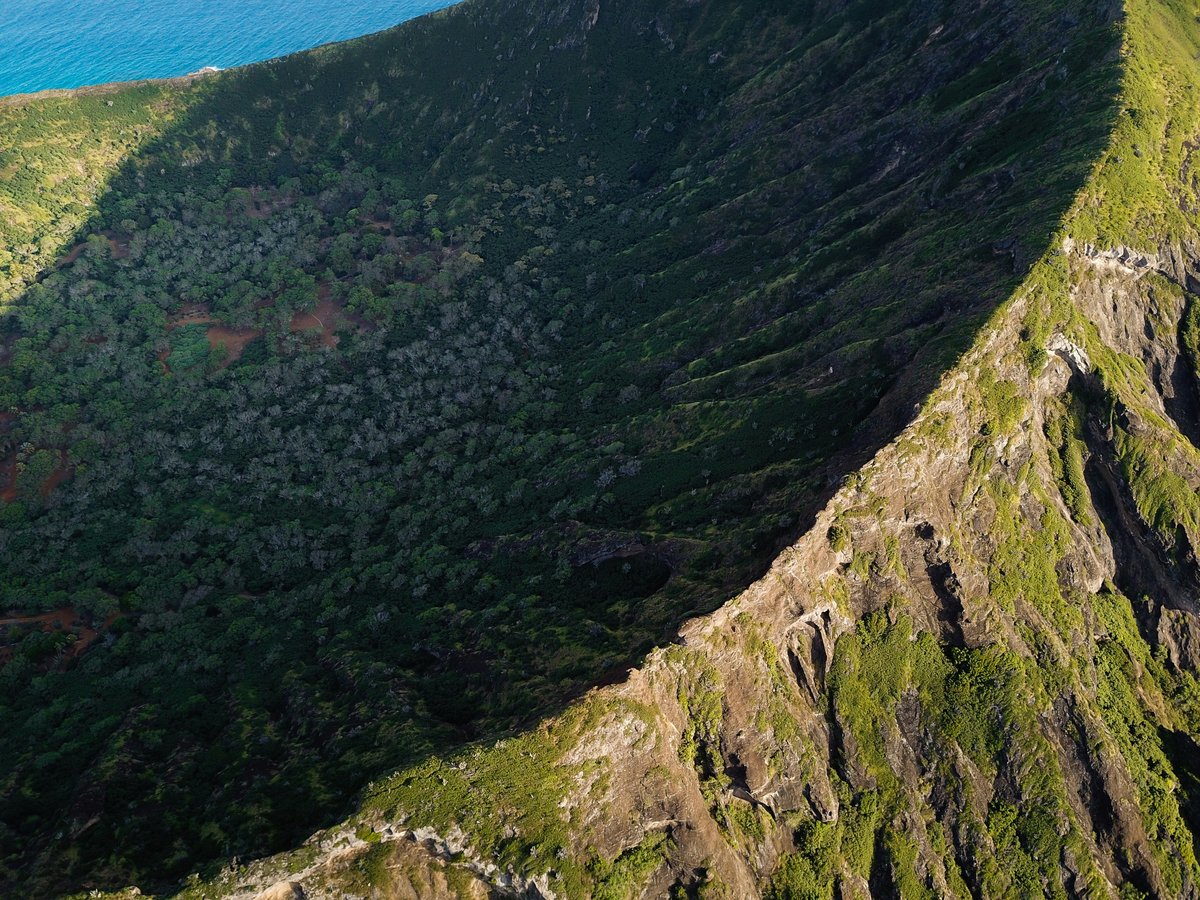
What should I pack for Big Island?
Pack reef-safe sunscreen (Hawaii bans oxybenzone as of 2021), sturdy hiking shoes for lava rock at Hawai'i Volcanoes National Park, and warm layers for the 20°C temperature swing between Kona's coast and Mauna Kea's near-freezing 4,205-meter summit. A packable rain shell is non-negotiable on the Hilo side. Skip the umbrella.
Shop the packing list (17 items)The Big Island's lava fields will shred your shoes. The ʻaʻā rock along the Kīlauea Iki trail in Hawai'i Volcanoes National Park has edges sharp enough to cut through mesh running shoes in a single 4-mile loop. Pack sturdy closed-toe hiking boots with thick soles. The Kalapana lava viewing area near Puna, the cinder cone trails on Mauna Kea's flank, the coastal path at Pu'uhonua o Hōnaunau. All of them punish thin soles. Flip-flops work at the resort pool and around Kailua-Kona's waterfront. Everywhere else, bring something that grips rough basalt. Water shoes matter too. Most Big Island beaches are black lava rock or rough coral, not the powdery sand the brochures imply. Punalu'u Black Sand Beach looks soft in photos. The actual surface is coarse volcanic grit that can reach 50°C under direct afternoon sun, hot enough to sting bare feet before you reach the waterline.
The elevation range is the packing problem most first-time visitors underestimate. Kona's coast sits at sea level. Summer days reach 27-30°C with dry heat that smells like salt and plumeria. Mauna Kea's peak, the highest point in Hawaii, drops below freezing after dark. Early-morning readings above 3,000 meters currently sit around 10°C with a wind chill near 9°C. You can drive from beach weather to near-freezing conditions in under 90 minutes. Pack a fleece mid-layer and a wind shell you can stuff into a day pack. You will need both for stargazing at the Maunakea Visitor Information Station at 2,804 meters, where August nights hover around 7-10°C and the wind cuts through cotton. The Hilo side of the island receives roughly 330 cm of rain per year, most of it falling as warm, sudden downpours that soak a cotton shirt in 30 seconds. You need a packable rain jacket for the Hilo coast, Akaka Falls, and any stretch of the Hamakua Coast.
Hawaii state law, Act 104, has banned sunscreens containing oxybenzone and octinoxate since January 1, 2021. You can see why at Kealakekua Bay and Two Step near Hōnaunau. The reef cover there looks healthier than pre-ban photos suggest. Pack reef-safe sunscreen before you fly. Big Island stores carry it, but a bottle at Target in Kailua-Kona runs $14-18 compared to $9-12 on the mainland. A rash guard does more than any SPF number on the label. The Big Island sits at 19°N latitude, and the UV index regularly hits 11-12 even on partly cloudy afternoons. You will burn faster than you expect. The salt air makes the sting worse by evening. Bring a wide-brim hat, not a baseball cap. Your ears and neck need the coverage on a 3-4 hour snorkel boat off the Kona coast.
Skip packing bulky snorkel gear. Rental shops along Ali'i Drive in Kailua-Kona offer mask-and-snorkel sets for $8-15 per day, and fit matters more than brand. Snorkel Bob's in Kailua-Kona rents quality weekly sets for $35-45. Leave the umbrella home. Locals don't carry them, and trade-wind gusts along the Kohala Coast will invert a travel umbrella in seconds. Buy cheap rubber slippers, the local word for flip-flops, at Longs Drugs or the Kailua-Kona Walmart for $5-8. One thing worth packing that people forget is a reusable water bottle. Tap water on the Big Island tastes clean because it filters naturally through porous volcanic rock. Single-use plastic bottles cost $2-3 at trailheads, and several parks including Hawai'i Volcanoes have refill stations with no bottle vendors on site.
Essentials
- Reef-safe sunscreen (oxybenzone-free per Hawaii law) Shop
- Sturdy closed-toe hiking boots with thick soles for lava terrain Shop
- Packable rain shell or waterproof jacket Shop
- Fleece mid-layer for Mauna Kea elevation Shop
- Wind shell that compresses into a day pack Shop
- Water shoes or reef walkers for rocky shorelines Shop
- Wide-brim sun hat for tropical UV protection Shop
- Rash guard or long-sleeve swim shirt Shop
- Reusable water bottle (safe tap water, refill stations at parks) Shop
- Portable charger for GPS navigation between remote areas Shop
- Day pack, 15-25 liters, for trail layers and water Shop
- Two swimsuits (salt and volcanic sand wear fabric fast) Shop
- Universal power adapter if traveling from outside the US (Type A/B, 120V) Shop
Seasonal extras
- November-March: thermal base layer for pre-dawn Mauna Kea trips (below -2°C possible at summit) Shop
- November-March: compact binoculars for humpback whale watching from Kohala Coast Shop
- December-February: wetsuit top for 24°C ocean water Shop
- June-September: second set of quick-dry clothes for windward-coast humidity Shop
Buy on arrival
- Rubber slippers (flip-flops) at Longs Drugs or Walmart, $5-8
- Macadamia nuts at Costco Kailua-Kona, half the airport gift-shop price
- Aloe vera gel at any Longs Drugs, $6-10
- Bug spray for Hilo-side rainforest trails (mosquitoes near waterfalls are persistent)
- Cheap cooler bag at Walmart for beach days, $8-12
- Snorkel gear rental from Ali'i Drive shops, $8-15 per day or $35-45 per week
Last verified by automated review (v1.7.2) on . What is automated review?