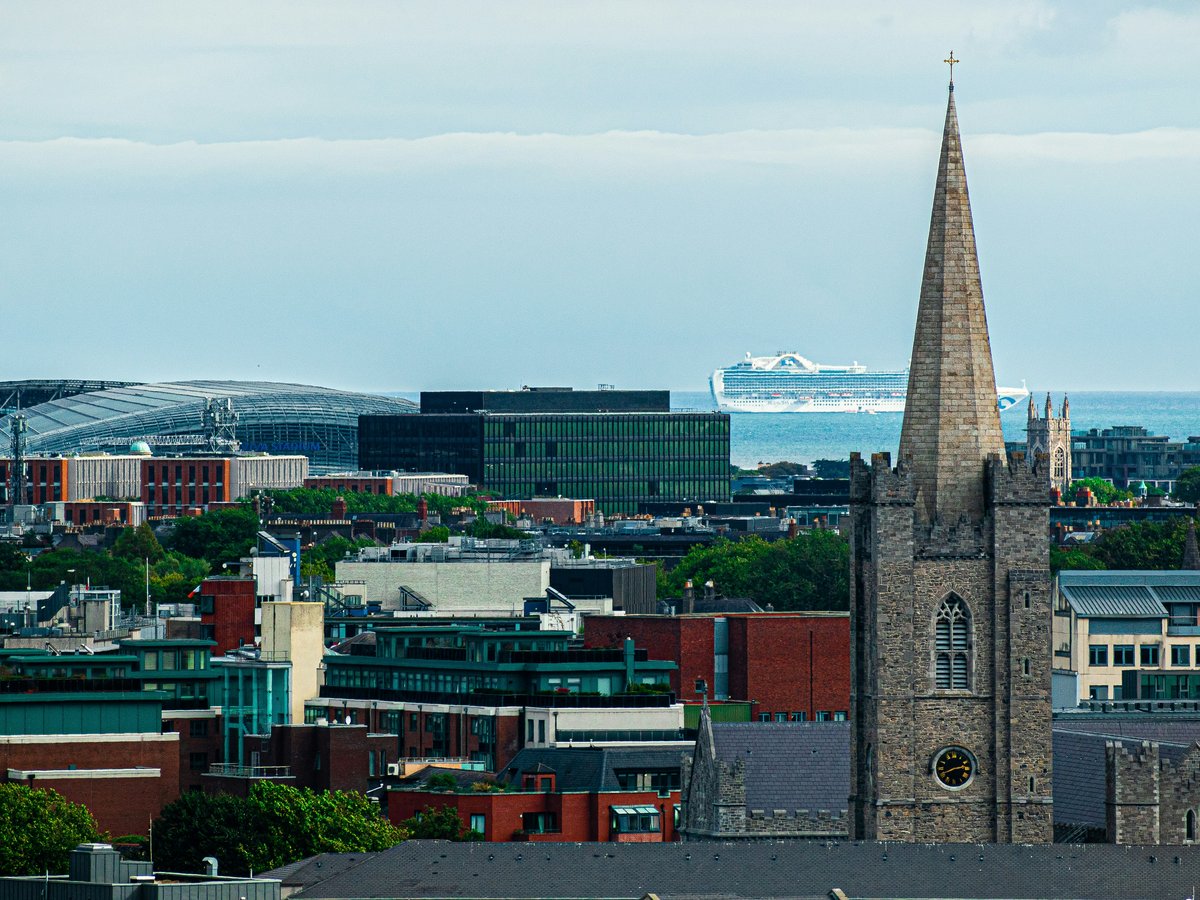
Where do locals actually go in Dublin?
Stoneybatter pubs like The Cobblestone on Monday trad nights, Portobello's canal banks on warm evenings, Phibsborough for Saturday brunch, and Croke Park on match days draw actual Dubliners rather than the Temple Bar corridor. Remote workers integrate fastest through sea swimming at the Forty Foot, parkrun at Phoenix Park, and settling into a local GAA pub.
Stoneybatter is where Dublin drinks on weeknights. Not performs drinking, just drinks. The Cobblestone on King Street North runs trad sessions most evenings, but Monday night is the one where the musicians outnumber the audience and the barman knows half the room by name. The smell of turf and spilled Guinness hits you at the door. Two streets over, L. Mulligan Grocer pulls the 28-to-40 craft-beer crowd who work in tech or the public service: the kind of place where conversations start because someone's reading the same book you are. Stoneybatter has a Lidl, a Tesco Express, two launderettes, and rent that still comes in under €1,800 for a one-bed if you look on Daft.ie rather than Airbnb. The pavements are narrow, the Victorian redbricks leak heat in winter, and the bus connections to the city centre take twelve minutes on the 39A. For a nomad staying eight weeks, this is the neighbourhood that stops feeling temporary first.
Portobello along the Grand Canal is Dublin's version of a neighbourhood that works for living, not visiting. On warm evenings (and June gives you daylight past 10pm) Dubliners sit on the canal banks between Portobello Bridge and La Touche Bridge with cans of Rockshore and takeaway burritos from Pablo Picante. The Barge pub right on the canal fills with locals from Thursday onward, the outdoor seating packed with people still in office clothes. Walk ten minutes south to Rathmines and you'll find the Stella cinema for late-night screenings, a SuperValu open until 10pm, and a string of restaurants on the main road that survive on repeat locals, not foot traffic. Rent here runs €1,900 to €2,200 for a one-bed. The trade-off: the LUAS Green Line is a fifteen-minute walk at Charlemont, and the 15 bus gets unreliable after 9pm. You'll want a bike. Dublin Bikes docking stations sit at both ends of the canal stretch.
Weekends sort Dublin into two tribes. Saturday morning belongs to the markets: Blackrock Market on the DART line south has been running since the 1990s and the food stalls get loud by 11am, the air thick with coffee smoke and the sweet char of Turkish gözleme. Closer in, the Liberty Market on Meath Street does cheap clothes and household goods in a fluorescent-lit warehouse that smells of plastic and floor cleaner. Worth it for the atmosphere alone. The real weekend signal is GAA. When Dublin plays at Croke Park, Drumcondra turns into a river of blue jerseys walking north from the city centre, and every pub within a kilometre of the stadium (Fagan's, Quinn's, The Ivy House) fills two hours before throw-in. If you want to understand how Dublin socialises, find a pub showing a hurling match. Nobody cares whether you understand the rules. They'll explain. Loudly.
Remote workers who stay longer than a month tend to find their people through three routes. Sea swimming at the Forty Foot in Sandycove: a concrete platform dropping into the Irish Sea that's been in use since the 1700s: draws a daily 7am crowd year-round, water temperature hovering around 10°C even in June. The shock wakes you up and the post-swim conversation at the car park is where introductions happen. Parkrun at Phoenix Park every Saturday at 9:30am pulls 300-plus runners along the Fifteen Acres, and nobody asks what you do for a living until the third week. That said, the other route is the library. The Chester Beatty Library near Dublin Castle is free, has wifi that holds a video call, and the reading room stays quiet until the tour groups arrive around 2pm. Mind you, it's not a coworking space: don't spread cables across the table. One laptop, one seat, earbuds in.
Where they actually go
The Cobblestone
Smithfield: Bare wooden floors, turf fire smell, trad musicians packed into the back room on Monday nights. The barman pours slow pints and nobody's in a rush.
L. Mulligan Grocer
Stoneybatter: Craft beer and toasted sandwiches in a converted Victorian grocer. Tech workers and civil servants reading at the bar. Quiet enough to think on Tuesday evenings.
The Barge
Portobello: Canal-side pub with outdoor benches that fill by 5:30pm on Thursdays. Office crowd in warm weather, rugby crowd in winter. Reasonably priced pints for the area.
Blackrock Market
Blackrock: Weekend food stalls loud with espresso machines and sizzling pans. The vinyl stall at the back pulls a devoted crowd. Warm croissants and the smell of melted cheese by 11am.
Fagan's
Drumcondra: Match-day pub where strangers in blue jerseys share tables, shout at screens, and buy each other rounds. The craic peaks at halftime. Empty on weekdays: a different place entirely.
Forty Foot
Sandycove: Concrete bathing platform above freezing Irish Sea water. Regular 7am swimmers who nod, shiver, and talk openly once you show up three days running.
Chester Beatty Library
Dublin Castle / Dame Street: Free, quiet, warm. The reading room has reliable wifi and natural light through tall windows. Tour groups arrive at 2pm: mornings belong to serious readers.
The Back Page
Phibsborough: Board games stacked on shelves, craft beer on tap, and a crowd that's 90% locals from the terraced houses within walking distance. No TVs, no loud music, just talk.
Best times to visit
Monday and Wednesday evenings for Stoneybatter trad sessions from 9:30pm. Thursday-to-Saturday canal-side from 6pm in summer. Saturday 9:30am for Phoenix Park parkrun. GAA match days (check gaa.ie fixtures): pubs fill from 1pm for a 3:30pm throw-in.
Last verified by automated review (v1.7.2) on . What is automated review?