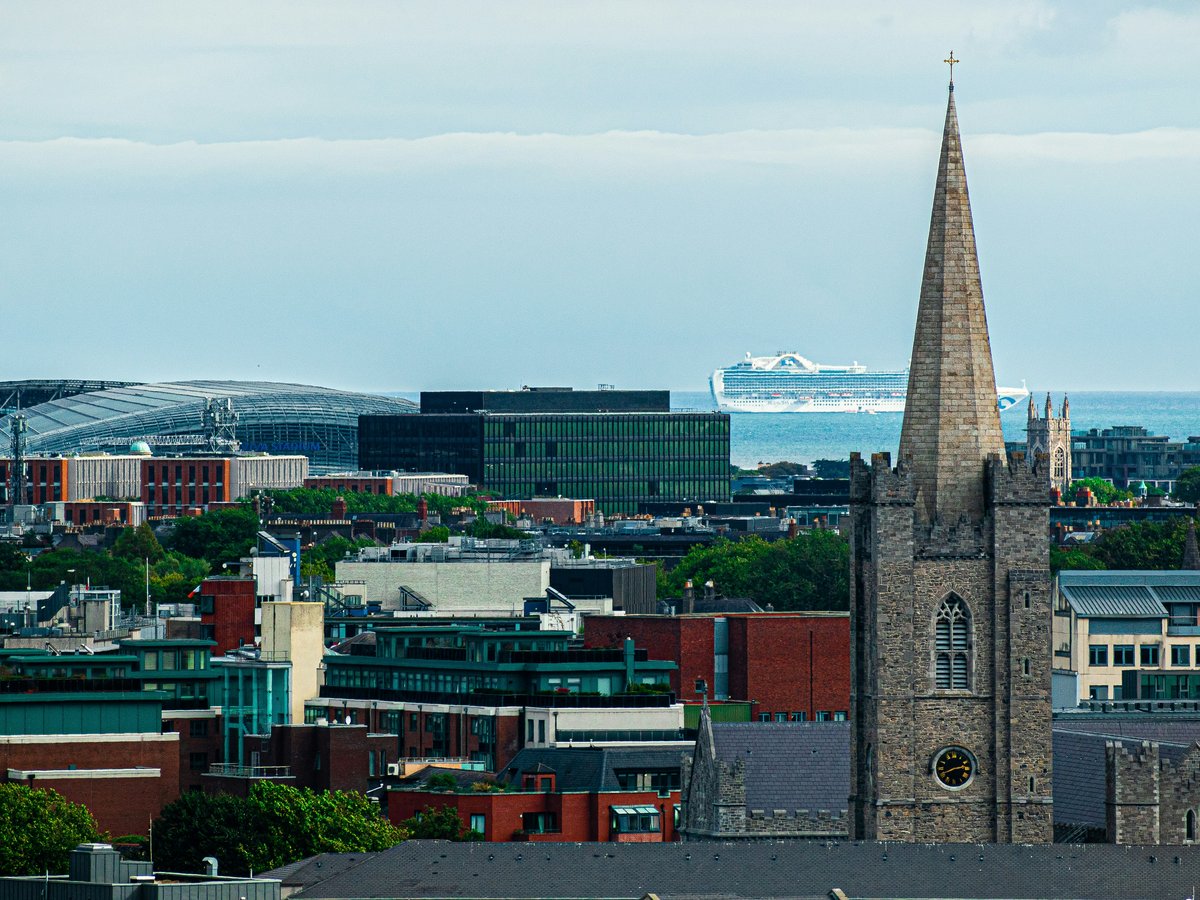
Dublin's shopping scene tends to reflect the city itself: a bit literary, a bit rough around the edges, and genuinely proud of what's made locally. You won't find the mega-mall culture of American cities or the luxury corridor density of Paris. What you will find is a compact city where craft whiskey distillers operate a few streets from vintage record shops, where woolly Aran jumpers hang in windows next to contemporary Irish design, and where the smell of fresh brown bread drifts out of market stalls on Saturday mornings. The city is still known for its tweeds, knitwear, and crystal, but there's a newer layer now: small-batch ceramics, Irish-made skincare, letterpress prints, and a growing cohort of independent fashion designers working out of studios in the Liberties and around the Dublin 8 postcode. To be fair, Grafton Street gets most of the tourist footfall, but locals tend to scatter across neighbourhoods. The real finds are often on side streets or at weekend markets where makers sell direct. Mind you, Dublin isn't cheap. VAT sits at 23%, and rent pressures have pushed some beloved independents out of the centre. But the ones that remain are worth seeking out, and the market scene has quietly become one of the better ones in northern Europe.
Shopping districts
-
Grafton Street and surrounding lanes
mid-range to luxuryDublin's most famous pedestrianised shopping street runs from St Stephen's Green to College Green, and it's where most visitors end up first. The main drag is dominated by Brown Thomas: Ireland's answer to a department store, with cosmetics counters that smell like competing perfume samples on a warm afternoon, and familiar high-street chains. But the real personality lives in the lanes that branch off it. Powerscourt Townhouse Centre, a converted Georgian mansion just off South William Street, has independent boutiques, jewellers, and a Design Centre on the top floor with Irish-made crafts. The creative centre of gravity has shifted slightly toward South William Street and Drury Street in recent years, where you'll find vintage clothing shops, independent coffee roasters, and small Irish fashion labels. The George's Street Arcade, a Victorian covered market between South Great George's Street and Drury Street, adds a grittier, more eclectic layer: vinyl records, second-hand books, fortune tellers, and stalls selling handmade jewellery. Worth noting: the buskers on Grafton Street are genuinely good and officially licensed, so the soundtrack while you browse tends to be decent.
Best for: Department store shopping, Irish designer fashion, vintage finds in the side lanes, and general city-centre browsing
-
Henry Street and Mary Street
budget to mid-rangeThe northside's main commercial strip, running west from O'Connell Street. This is where Dubliners who aren't heading for Grafton Street do their everyday shopping: it's busier, louder, and noticeably more affordable. The Ilac Centre and Jervis Shopping Centre anchor the area with familiar chain stores. It's not glamorous. It's functional. But it's also genuinely useful if you need practical items without paying southside premiums. The street itself has an energy to it: vendors selling fruit from stalls, the occasional preacher with a megaphone, and a general buzz that feels more like the real working city than the curated Grafton Street experience. Capel Street, running parallel nearby, has undergone a quiet transformation with independent cafes, vintage shops, and Asian grocery stores making it one of Dublin's most interesting streets for casual browsing.
Best for: Everyday shopping, high-street chains at lower price points, and Capel Street's emerging independent scene
-
Temple Bar
mid-range to expensiveLet's be honest about Temple Bar. Locals tend to avoid it for pints because the prices are inflated, and the cobblestone streets on a Saturday night smell like spilled lager and damp stone. But for shopping during the daytime, it's a different story. The area has a decent concentration of galleries, Irish craft shops, and independent boutiques. The Irish Design Shop on Drury Street (technically just south of Temple Bar) and various smaller galleries around Meeting House Square stock contemporary Irish ceramics, prints, and textiles. There are also good record shops and bookshops tucked into the side streets. The weekend markets in Meeting House Square and the cultural centre vibe give it a daytime character that the nighttime crowd tends to obliterate. Go before noon on a Saturday for the best of it.
Best for: Irish crafts, art galleries, independent bookshops, and weekend market browsing
-
The Liberties and Dublin 8
mixed: antiques vary widely, studios tend toward mid-rangeThis is where Dublin's creative energy has been migrating as rents in the city centre climb. The Liberties is one of Dublin's oldest neighbourhoods (the Guinness brewery still dominates the skyline) and the streets around Francis Street and Thomas Street have become a quiet hub for antiques, vintage furniture, and small design studios. Francis Street in particular has a cluster of antique dealers that's been there for decades, and it still feels more like the old Dublin than most places: the kind of street where you might hear someone's radio through an open window. Newer arrivals include small-batch makers, printmakers, and a few Irish fashion labels operating from shared studio spaces. It's not polished. Some of the shopfronts look like they haven't changed since the 1970s. That's part of the appeal.
Best for: Antiques on Francis Street, contemporary Irish design studios, and a less touristy browsing experience
-
Dundrum Town Centre
mid-range to luxuryIf you want the large suburban shopping centre experience, Dundrum is where Dubliners go. It's south of the city centre, reachable by the Luas green line in about twenty minutes, and it has the full spectrum: Harvey Nichols-branded department store, international fashion chains, a massive cinema, and a food court that's a step above the usual. It's not charming. It's a shopping centre. But it's a well-executed one, and on a rainy Dublin afternoon (which is most afternoons) the covered warmth and the sheer range of shops make it practical. Locals use it heavily, which means the stock tends to be current and the shops stay competitive. You might notice it feels more like a local hangout than a tourist destination, because it is.
Best for: Rainy-day shopping with a wide range of international and Irish brands under one roof
-
Blackrock and Dún Laoghaire
budget to mid-rangeThese two coastal towns south of Dublin are worth the DART train ride for a different kind of shopping day. Blackrock Market, housed in a converted building near the station, has been running since the 1990s and stocks a rotating mix of vintage clothing, books, crafts, and bric-a-brac: the sort of place where you might find a first-edition Flann O'Brien if the gods are kind. Dún Laoghaire's main street has independent bookshops and craft shops, and the harbour area has a Sunday market worth timing a visit around. The sea air changes the feel entirely. You'll smell salt and seaweed between the shops, and on clear days the views across Dublin Bay toward Howth are genuinely lovely. It feels like a different city, even though it's twenty minutes by rail.
Best for: Vintage and secondhand finds, seaside browsing, and a half-day excursion combining shopping with coastal walks
Markets
-
Temple Bar Food Market
food and artisanA Saturday morning fixture in Meeting House Square. It's not large (maybe thirty stalls) but the quality tends to be high. You'll find Irish farmhouse cheeses that smell like they mean it, cured meats, artisan breads, homemade jams and chutneys, and seasonal fruit and veg. Several stalls sell hot food: crêpes, falafel wraps, wood-fired pizza slices. The crowd is a mix of locals doing their weekly cheese run and visitors drawn by the atmosphere. The square has a sheltered feel even in light rain, and the surrounding cafés fill up fast. Arrive by half ten if you want first pick of the cheeses: the Durrus and Cashel Blue tend to sell early.
Saturdays, roughly 10:00 to 16:00
-
George's Street Arcade
flea and mixed retailDublin's oldest covered market, and it still has the Victorian wrought-iron atmosphere to prove it. This is a permanent market rather than a weekend pop-up, which gives it a different rhythm: stallholders know their regulars. You'll find vinyl records, vintage clothing, secondhand books, handmade jewellery, palm readers, and a barber or two. The food stalls at either end serve decent lunches: hot noodle bowls, burritos, Middle Eastern platters. The acoustics bounce conversations around the vaulted ceiling, and on busy afternoons it has a low, pleasant hum. It sits right between South Great George's Street and Drury Street, which makes it easy to combine with the surrounding independent shops.
Daily, typically 09:00 to 18:00; some stalls keep shorter hours
-
Blackrock Market
flea and vintageA southside institution since the early 1990s, housed in a somewhat rambling building near Blackrock DART station. The stalls rotate, but you'll reliably find vintage clothing, secondhand books and records, handcrafted jewellery, prints by local artists, and curiosities that defy easy classification: old typewriters, mid-century ceramics, the occasional taxidermied animal. There's a food court area with decent coffee and hot food. The whole place has a slightly shambolic warmth to it. Worth combining with a walk along the coast to Dún Laoghaire if the weather cooperates.
Saturdays and Sundays, roughly 11:00 to 17:30
-
Dublin Flea Market
fleaThis one moves around and pops up periodically: currently it tends to appear at various venues including Newmarket Square in Dublin 8. It's the closest Dublin gets to a proper Berlin-style flea market: stalls selling secondhand furniture, retro clothes, records, handmade crafts, odd bits of kitchenware, and things you didn't know you needed until you saw them. Live music sometimes. The crowd skews younger and creative. Worth checking social media for the next scheduled date, as it's not a fixed weekly event and the venue can shift.
Periodic: check their social media channels for dates and locations
-
Dún Laoghaire Sunday Market
food and artisanA harbourside market that runs on Sundays along the People's Park area in Dún Laoghaire. Food stalls dominate (sourdough bread, Irish smoked salmon, handmade chocolates, organic vegetables) but there are also crafts, candles, and small Irish maker stalls. The setting is part of the draw: Victorian park, the harbour visible beyond the trees, and the kind of sea breeze that makes hot coffee from the stalls taste better than it has any right to. It's well-attended by locals from the surrounding suburbs, which keeps the quality honest.
Sundays, approximately 11:00 to 16:00
-
Eatyard / various street food markets
street foodDublin's street food market scene shifts around. At the moment, various pop-up food markets and food truck events appear in spots like the area behind the Bernard Shaw's former site and around the Camden Street corridor. These tend to feature Dublin's independent food operators (Korean fried chicken, wood-fired pizza, specialty tacos, craft beer) and they attract a younger, foodie crowd. The specific venues and names change, so it's worth checking local listings. They're more about eating than shopping in the traditional sense, but the atmosphere is good and they often feature local craft vendors alongside the food.
Varies: typically weekends, check local listings
Souvenirs worth bringing home
Skip the mass-produced leprechaun figurines and shamrock tea towels. Genuinely local things to bring home from Dublin: Irish whiskey is the obvious one, and with the recent distillery boom you can find bottles from newer operations like those in the Liberties area alongside the established names; a single pot still whiskey is distinctively Irish and hard to replicate elsewhere. Aran knitwear (actual Aran knits, not the synthetic tourist versions) remains a legitimate purchase; look for hand-knit or Irish-made labels and expect to pay accordingly (real Aran sweaters are not cheap, but they'll last decades). Irish linen, particularly tea towels and table runners, is a traditional craft that's still produced domestically. Claddagh rings are rooted in Galway rather than Dublin specifically, but they're widely available and they're a genuine piece of Irish jewellery tradition if you buy from a reputable jeweller rather than a souvenir shop. Contemporary Irish ceramics have become genuinely interesting: look for pieces at craft fairs or in shops like those in the Powerscourt Centre. Irish farmhouse cheese travels well if you're heading home the same day or next: a wedge of Cashel Blue or Durrus wrapped properly will survive a flight. Barry's or Lyons tea bags are what Dubliners drink every day, and they cost practically nothing. A bottle of poitín (once illegal, now legally distilled) makes for a conversation-starting gift. And Irish-made chocolate has improved considerably; several small producers make bars with Irish milk and distinctive flavours. That said, the single best souvenir from Dublin might be a book: the city's literary tradition is genuine, and you can find signed first editions, illustrated Irish mythology collections, and beautifully printed poetry volumes in the independent bookshops around the city centre.
Practical tips
- Bargaining norms
- Dublin shops do not have a bargaining culture. Prices are fixed in retail stores, and attempting to negotiate will likely get you a polite but firm refusal. The exception is at flea markets and antique dealers (particularly on Francis Street) where there's some room for negotiation, especially on higher-priced items or if you're buying multiple pieces. Even there, the haggling style is gentle. Offer about ten to fifteen percent below asking and see where it lands. Being aggressive about it won't help.
- Tax refunds for non-EU visitors
- If you're visiting from outside the EU, you can reclaim the 23% VAT on purchases through the Tax Free Shopping scheme. Look for shops displaying the relevant signage, ask for a tax refund form at the time of purchase, and process the refund at Dublin Airport before you fly. There's usually a minimum purchase threshold per store. Keep your receipts and the goods accessible: customs may want to inspect them. The refund desks at Dublin Airport can have queues during peak travel times, so allow extra time. The actual refund amount after processing fees is typically around 14-16% rather than the full 23%.
- Opening hours
- Most Dublin shops open around 09:30 or 10:00 and close by 18:00 Monday through Saturday. Thursday tends to be late-shopping night in the city centre, with some shops staying open until 20:00 or 21:00. Sunday hours are shorter: typically 12:00 to 18:00, and not every independent shop opens at all. Markets keep their own schedules, and most are weekend-only. December sees extended hours across the board. If you're heading to specific independent shops, it's worth checking ahead: some keep irregular hours or close for lunch.
- Payment methods
- Ireland uses the euro, and Dublin is largely a card-first city now. Contactless payment is accepted almost everywhere, including at many market stalls. Some smaller flea market vendors and very old-school antique dealers still prefer cash, so carrying some is wise if you're heading to Francis Street or the weekend flea markets. Apple Pay and Google Pay work widely. American Express is accepted at larger retailers but refused at many smaller shops: Visa and Mastercard are the safe options.
- Getting purchases home
- If you buy anything fragile (ceramics, crystal, bottles of whiskey) most of the shops that sell them regularly to tourists will wrap items for travel and some offer shipping. For larger antique purchases from Francis Street dealers, many have shipping arrangements with courier companies and can quote you a door-to-door price. Dublin Airport allows liquids over 100ml in checked luggage, so bottles of whiskey or poitín need to go in your hold bag unless you buy them in the airport duty-free shops. Irish wool knitwear compresses well and survives being stuffed into a suitcase without damage.
- Avoiding tourist markup
- The highest markup concentrations are along the main stretch of Temple Bar and in the souvenir shops clustered around O'Connell Street and the GPO. The same Aran sweater or Claddagh ring can cost noticeably less a few streets away from the main tourist corridors. If you're buying knitwear, compare prices at shops off the main drag: the Powerscourt Centre and George's Street Arcade area tend to offer better value than shops directly on Grafton Street. For whiskey, off-licence shops in residential neighbourhoods often have the same bottles at lower prices than tourist-facing spirit shops.
FAQ
What are the best days for shopping in Dublin?
Saturday is the strongest day overall: the Temple Bar Food Market runs, George's Street Arcade is at its busiest, and the city centre has its full energy. Thursday evening offers late shopping hours on Grafton Street and Henry Street. Sunday is quieter, with shorter hours at most shops, but the Dún Laoghaire market and Blackrock Market make it worthwhile if you're heading south. Monday through Wednesday are the calmest, which can be pleasant if you prefer browsing without crowds but means some independent shops may keep shorter hours.
Is Dublin expensive for shopping compared to other European cities?
Honestly, yes. Ireland's 23% VAT rate is among the highest in Europe, and Dublin's rent costs push retail prices up. You'll likely find high-street fashion cheaper in London, Madrid, or Berlin. Where Dublin offers genuine value is in locally made goods: Irish knitwear, ceramics, whiskey, and farmhouse cheese are priced at source here, without the export markup you'd pay buying them abroad. The secondhand and vintage markets are also reasonably priced by European standards. For everyday shopping, the northside around Henry Street tends to be more affordable than the southside Grafton Street area.
Where can I find authentic Irish-made products rather than imported souvenirs?
The key is looking for 'Made in Ireland' or 'Déanta in Éirinn' labels. The Powerscourt Townhouse Centre's Design Centre stocks verified Irish makers. George's Street Arcade has stalls where makers sell their own work directly. The weekend markets (particularly Temple Bar and Dún Laoghaire) feature Irish artisan producers who can tell you exactly where and how their products are made. For knitwear specifically, ask whether it's hand-knit or machine-knit and where the wool was sourced. Shops in the Kilkenny Group chain and the various craft council-affiliated stores carry vetted Irish-made products. Avoid the souvenir shops clustered around O'Connell Street: most of their stock is imported.
Are shops in Dublin open on public holidays?
It varies. Major shopping centres like Dundrum and Jervis tend to open on most public holidays with reduced hours, typically 12:00 to 18:00. Independent shops frequently close entirely on public holidays, particularly on Christmas Day, St Stephen's Day, and Good Friday. The St Patrick's Day weekend sees the city centre packed but many smaller shops closed for the parade and celebrations. Markets generally don't operate on public holidays unless they fall on their regular day. If you're planning shopping around an Irish bank holiday, checking individual shop hours in advance saves wasted trips.
What is worth buying at Dublin Airport duty-free?
Irish whiskey is the standout: the airport duty-free shops carry a wide range including some limited editions and travel exclusives you won't find elsewhere, and the prices are genuinely competitive since you're avoiding the 23% VAT. Irish cream liqueurs and gin are also well-priced. Smoked salmon and Irish chocolates are available in the food section. Beyond alcohol and food, the savings on other goods are less compelling: perfume and cosmetics prices are comparable to high-street sales, and the knitwear and crystal sold at the airport tends to carry premium pricing for the convenience. If you forgot to buy whiskey in the city, the airport is a solid backup. For everything else, you'll likely do better in town.
Can I ship large purchases from Dublin to my home country?
Yes, though the logistics depend on what you're shipping. Most established antique dealers on Francis Street and around the Liberties have relationships with shipping companies and can arrange door-to-door delivery for furniture and fragile items: expect to pay a meaningful shipping fee on top of the purchase price, and transit times to North America or Australia can run several weeks. Larger craft shops and department stores like Brown Thomas offer international shipping on many items. For smaller purchases, An Post (the Irish postal service) offers international parcel shipping at reasonable rates, and packing materials are available at their offices. Keep your receipts for customs declarations at the receiving end.
Last verified by automated review (v1.7.2) on . What is automated review?