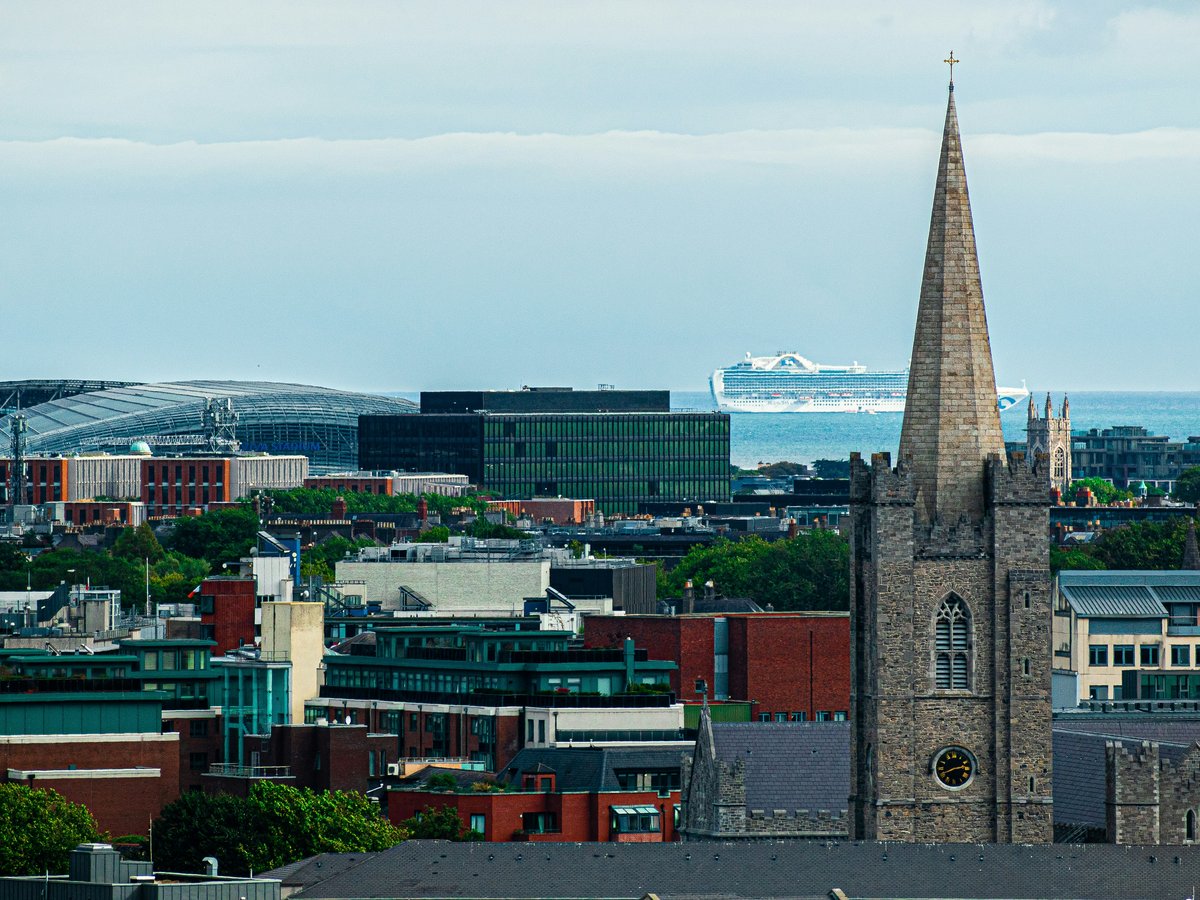
Dublin's must-see list is not a march of superlatives; it is a walk through a compact medieval capital where the state, the church, and the stage all argue their case within a few streets of each other. The twelve entries here sit inside a tight ring of coordinates between roughly 53.28 and 53.36 north, which means a determined walker can string most of them together in a long day and still stop for lunch. Two working cathedrals face each other across the old city, a third pro-cathedral holds the Catholic centre north of the river, and three parish churches carry the quieter devotional life that the guidebooks skim past. A castle that shaped centuries of Irish government sits a short block from a parliament house that shapes the current one. Two theatres, one on each side of the Liffey, keep the city's literary reputation from ossifying. And on O'Connell Street, a stainless spike anchors the modern skyline. This is a list for visitors who want the city's civic and spiritual spine, not a souvenir shop crawl.
-
1 Dublin Castle
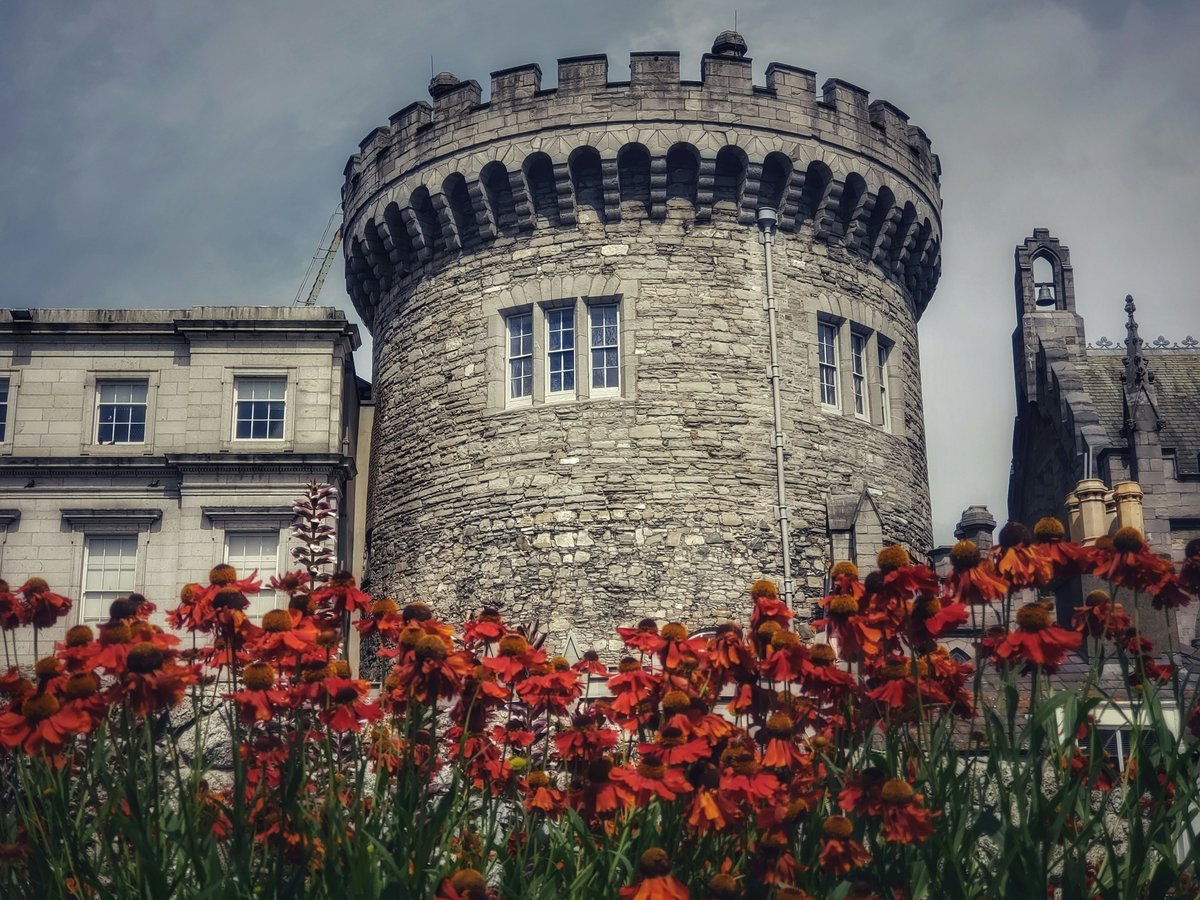
Approximately 53.3431 N, -6.2674 E in central DublinThe seat of Irish government for centuries, now a working state ceremonial complex you can walk into
The courtyards of Dublin Castle read more like a small university precinct than a defensible keep, at 53.3431 N, -6.2674 E. Skip the temptation to treat it as a single monument; the complex is a working government precinct that has absorbed rebuild after rebuild over the centuries. On paper it is a castle, but what you walk through is a set of state apartments, a chapel, and a Georgian upper yard laid over the medieval footprint. Check the official schedule at dublincastle.ie before you go, because state functions close rooms without much warning. A quiet weekday morning is the honest hour on the site. Give it a proper afternoon; less and you are only seeing the gift shop end.
-
2 St Patrick's Cathedral
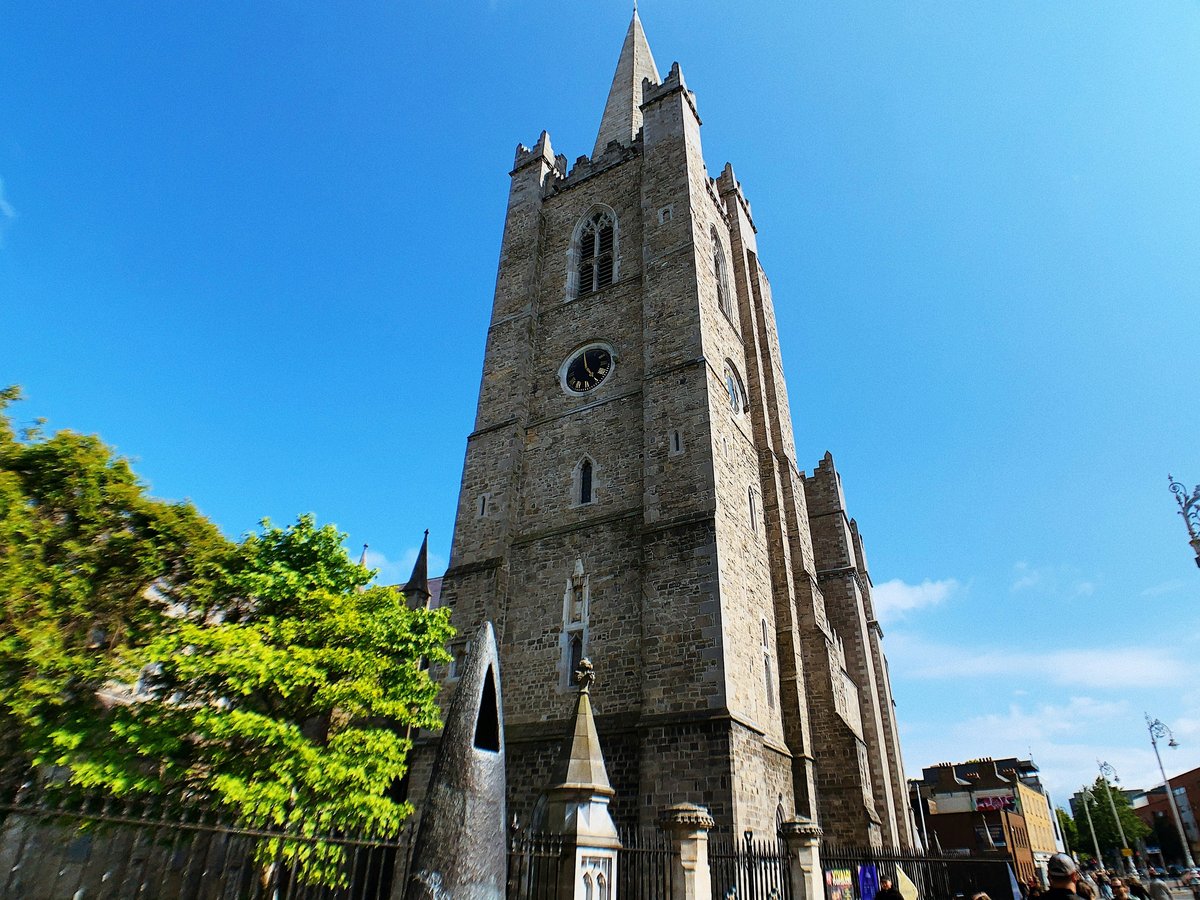
Approximately 53.3394 N, -6.2714 E, south of the old city wallsThe national cathedral of the Church of Ireland, and Jonathan Swift's parish
The great west door of St Patrick's Cathedral opens onto a nave long enough that the far end takes a moment to resolve, at 53.3394 N, -6.2714 E. This is a working cathedral in Dublin, not a museum in cathedral clothing, and the daily choral services are the honest way to hear the building. Don't bother rushing through in a quarter of an hour to tick it off; the memorials in the aisles are half the story, and the acoustic only makes sense when you sit down. Check service times at stpatrickscathedral.ie before you commit an afternoon, because tourist access closes around rehearsals. Go for the sung offices rather than the guided walk. Pair the visit with Christ Church up the hill if you want the full argument between the two medieval foundations; either alone tells only half the story of the south city's ecclesiastical geography.
-
3 Leinster House
Approximately 53.3406 N, -6.2540 E, on Kildare StreetThe working seat of the Oireachtas, Ireland's national parliament
Book through irlgov.ie or you won't get past the gates of Leinster House at 53.3406 N, -6.2540 E. This is the building where modern Ireland is legislated, not a themed reconstruction, and that changes how you approach it. The locals know it as a workplace first and a heritage site second, which is why the tour is a real tour, not a costumed pageant. The schedule respects the parliamentary calendar, not the tourist one. Don't bother turning up on a sitting morning expecting to wander in. Skip the surrounding chain cafes on Kildare Street and give the front facade a proper look from Merrion Square before you go in; the ducal townhouse it once was still shows through, and understanding that layer makes the tour interior legible.
-
4 Christ Church Cathedral, Dublin
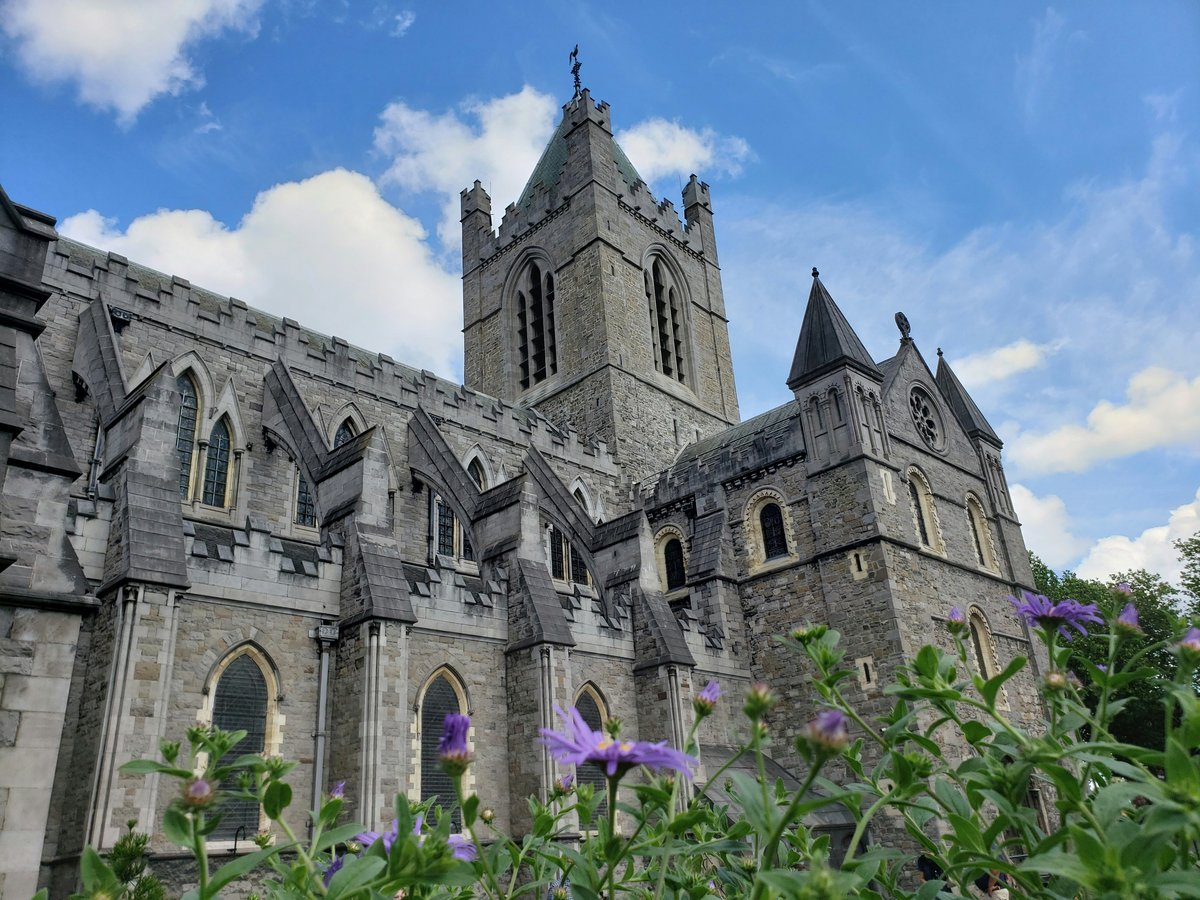
Approximately 53.3431 N, -6.2714 E, on the ridge above the LiffeyThe elder of Dublin's two medieval cathedrals, with a crypt that runs the full footprint of the church
Come early to Christ Church Cathedral, before the coach parties arrive, at 53.3431 N, -6.2714 E. The crypt beneath the nave runs the full footprint of the church above, and the vaulted chambers repay the hour. As the diocesan cathedral of Dublin and Glendalough for the Church of Ireland, it shares a communion with St Patrick's a few hundred metres south, but the two buildings read very differently: this one is compact, high, and Norman in its bones. The stone bridge over Winetavern Street to the old Synod Hall is the postcard shot, but the interior is where the time is spent. Don't bother with the guided combo tickets that bundle three unrelated sites; go direct through christchurchcathedral.ie and pace yourself. Skip the surrounding tourist bars afterward; the locals head a few streets north for the real pubs of the old city.
-
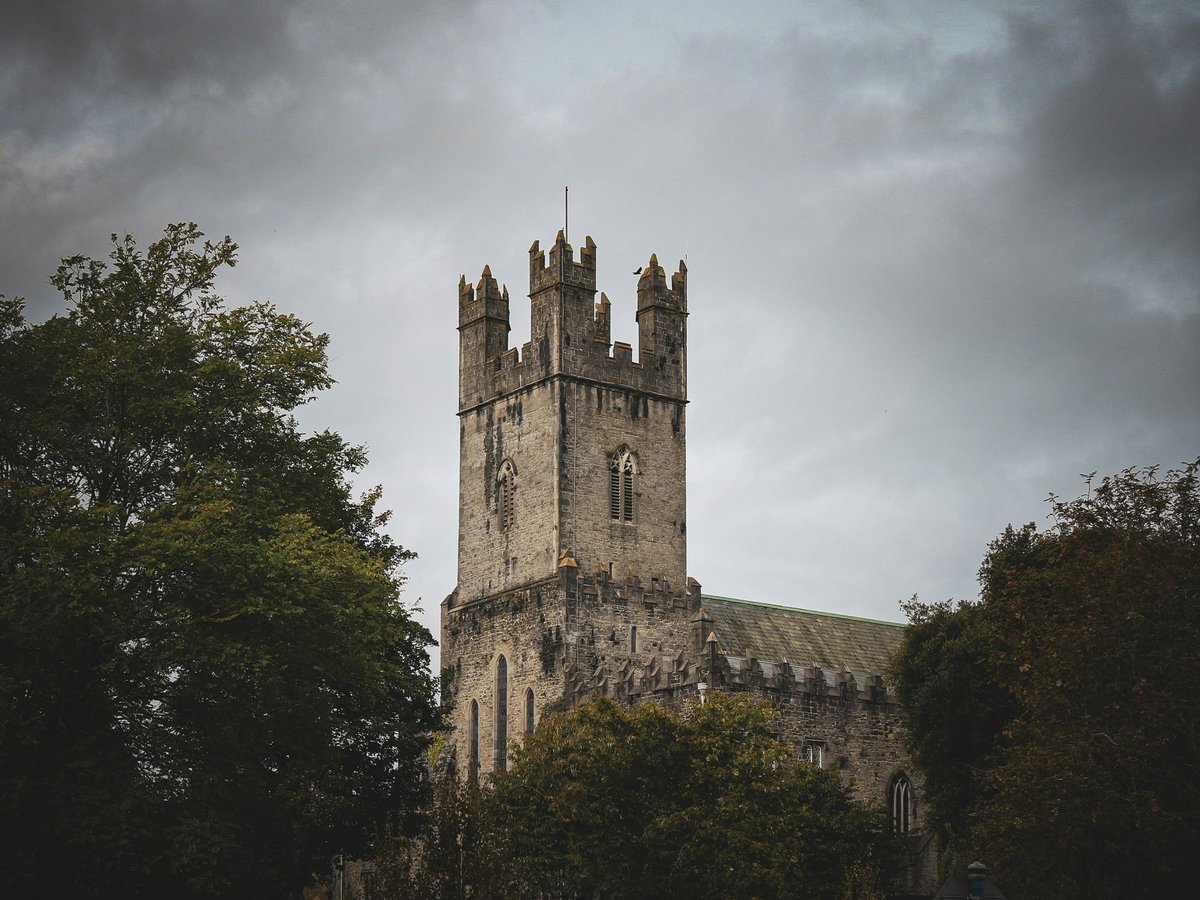
5 St Mary's Cathedral
Approximately 53.3508 N, -6.2592 E, north of the Liffey on Marlborough StreetThe Catholic pro-cathedral of Dublin, and the seat of the archdiocese
Song echoes down the nave at St Mary's Cathedral, at 53.3508 N, -6.2592 E. This is the working Catholic cathedral of the city, despite the fact that the two medieval cathedrals on the south side keep most of the tourist attention. Come for the Palestrina Choir at the Latin Mass; that is the honest reason to time a visit. The neoclassical facade is easy to miss from the street because Marlborough Street was never widened to give the building a proper approach, and that mildly hidden quality is part of its character. Check procathedral.ie for the choir schedule before you go; hearing the building sing is worth more than photographing it silent. Skip the souvenir stalls on O'Connell Street after; the immediate blocks north of the cathedral are quieter and more real.
-
6 Deans Grange Cemetery
2 Dean's Grange Rd, Kill of the Grange, Dublin, IrelandThe great south-Dublin necropolis, a Victorian civic cemetery still in use
Number 2 Dean's Grange Road in Kill of the Grange is a genuine detour from the city centre, at 53.2833 N, -6.1667 E, and that is exactly the point. This is not a tourist stop; it is a working cemetery in County Dublin where Dubliners have buried their families for generations, and the register reads like a social history of the south side. Don't bother coming for a quick drop-in; the grounds are large, and the older sections repay slow reading of the stones. Practical information and burial records are at dlrcoco.ie/en/deansgrange-cemetery. The locals treat it as a park as much as a graveyard, which is the right register to visit in. Skip the pilgrimage-style photo stops for individual graves; walk the perimeter and let the shape of the place do the work.
-
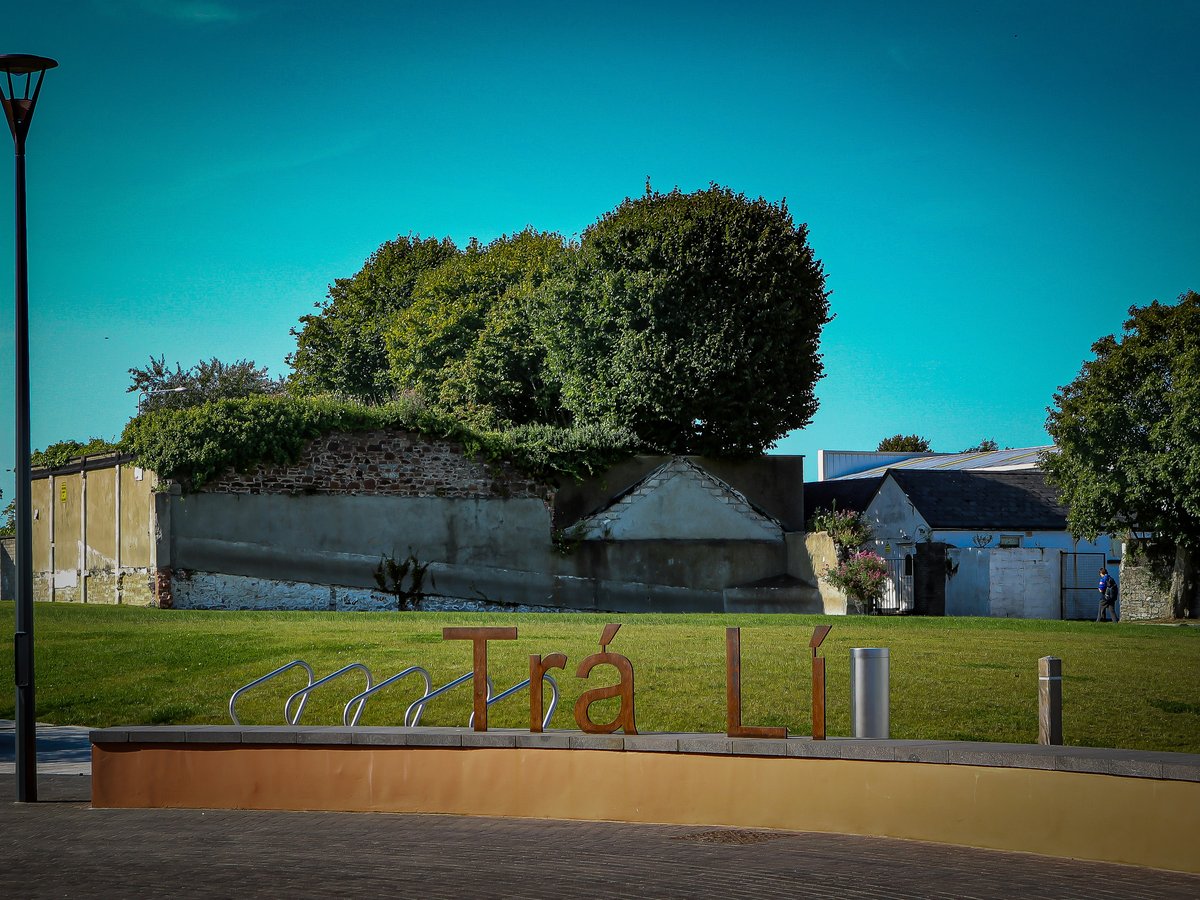
7 Gate Theatre
Approximately 53.3531 N, -6.2622 E, on Cavendish Row at the top of O'Connell StreetA small, sharp repertory house north of the Liffey with a habit of premiering serious new work
Applause spills out of the Gate Theatre onto the street outside at 53.3531 N, -6.2622 E. This is a small, sharp room tucked into a Georgian corner at the top of O'Connell Street, and the auditorium is small enough that no seat is a bad one. It bills itself simply as a theatre in Dublin, and that understatement is characteristic; the programming does not chase the tourist trade. Book for the writing and the direction, not the building. Check gatetheatre.ie a week or two ahead; the good runs sell out to Dubliners before they show up on any hotel concierge sheet. Don't bother with a walk-up on a Friday night. Pair a ticket with dinner in Parnell Square rather than the O'Connell Street chains; the neighbourhood improves the further north you walk from the Spire.
-
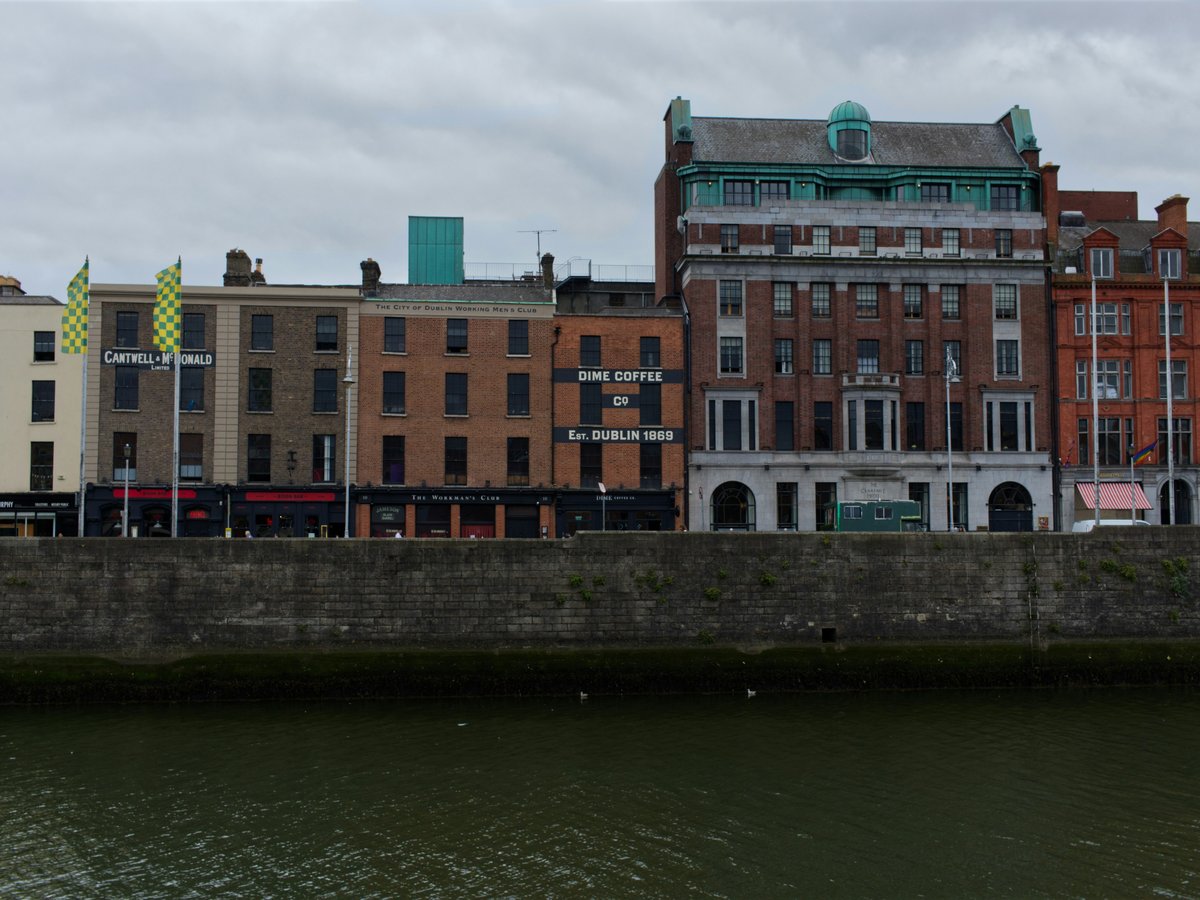
8 Gaiety Theatre
Approximately 53.3403 N, -6.2616 E, on South King Street off Grafton StreetA large late-Victorian receiving house that carries the touring musicals, opera and the pantomime season
The touring programme at gaietytheatre.ie is where to plan the night, and the Gaiety Theatre at 53.3403 N, -6.2616 E is where the shows land, opening onto South King Street with the ornate front you expect of a proper theatre building in Dublin. This is the receiving house, not the studio; the bill runs to big touring productions, opera visits, and the Christmas pantomime that Dubliners take their children to. Skip it if you have come to Ireland looking for a niche fringe evening; that is not what this room does. Sit in the circle rather than the stalls; the sightlines and acoustic both improve. Pair the show with an early dinner around Grafton Street; the immediate blocks have kept a decent standard despite the retail pressure. Match the night to your appetite before you buy.
-
9 Spire of Dublin
Approximately 53.3497 N, -6.2603 E, on the median of O'Connell StreetThe stainless steel monument that anchors the north-side skyline
A stainless steel needle punctures the middle of O'Connell Street at 53.3497 N, -6.2603 E, and the Spire of Dublin gives the city a legible vertical from almost any bridge on the Liffey. It is catalogued flatly as a monument in Dublin, and the flatness of that description is oddly appropriate; this is not a plinth, not a statue, not a memorial with a plaque, it is a needle. Don't bother with the tourist photograph from directly beneath; the object was designed to be seen at distance, from the Parnell Square end or from across the river. Skip the fast-food strip immediately around it and use the Spire as a navigation point, not a destination in itself. The locals treat it as a meeting spot, which is the honest use of it. Give it a moment and keep walking.
-
10 John's Lane Church
Approximately 53.3431 N, -6.2775 E, on Thomas StreetAn Augustinian parish church with one of the finest Gothic Revival spires in the country
The nave inside John's Lane Church rewards more time than the tower niches do, at 53.3431 N, -6.2775 E. Formally a church in Dublin, it is best known as a working Augustinian parish rather than a heritage stop, and the register on a weekday morning is prayer, not tourism. Skip the summary paragraphs in the free maps and go direct to johnslane.ie for the parish calendar. The carved apostles set into the tower niches are celebrated, but the stonework of the interior is the better lesson in Victorian ecclesiastical craft. Don't bother pairing it with a Guinness Storehouse ticket; give it its own quiet hour and walk back into town along the quays. The westward walk out along Thomas Street is part of the reward.
-
11 Saint Francis Xavier Church
Approximately 53.3579 N, -6.2599 E, on Upper Gardiner StreetA neoclassical Jesuit church that is the anchor of the Gardiner Street parish
Don't bother with a quick drop-in at Saint Francis Xavier Church on Upper Gardiner Street at 53.3579 N, -6.2599 E; sit in a pew for a full quarter of an hour and let the acoustic do its work. Described plainly as a church in County Dublin, the interior understates itself; the barrel-vaulted nave and the coffered ceiling reward a proper look upward. The Jesuit preaching tradition and the music are the draw, and the parish schedule at gardinerstparish.ie is where to check before you visit. Skip the wander along Mountjoy Square that the older guidebooks recommend; the neighbourhood has moved on and the church is the reason to come, not the streetscape. The pillared front opens directly onto the pavement, which tells you what kind of Georgian confidence Upper Gardiner Street once carried.
-
12 Whitefriar Street Carmelite Church
Approximately 53.3397 N, -6.2665 E, on Aungier StreetThe Carmelite parish church at the heart of the south city, and a stop on the informal Valentine pilgrimage
Candle stands mark the busy shrines at Whitefriar Street Carmelite Church, at 53.3397 N, -6.2665 E. It is catalogued simply as a church building in Dublin, but the parish is one of the busiest in the city, and the shrines inside pull a steady stream of Dubliners through the doors on any given weekday. Skip the queue at the more famous churches on the two cathedral ridges and come here for the working devotional life instead. Consult carmelites.ie/whitefriarstreet.html for Mass and confession times before you turn up. The side aisles reward slow attention, and the candle stands tell you which shrines the neighbourhood visits most, which is the honest measure of a parish church. The doors are set back from Aungier Street in a way that means most tourists walk past without seeing them.
Last verified by automated review (v1.7.2_accom-wave-767-20260903071849) on . What is automated review?