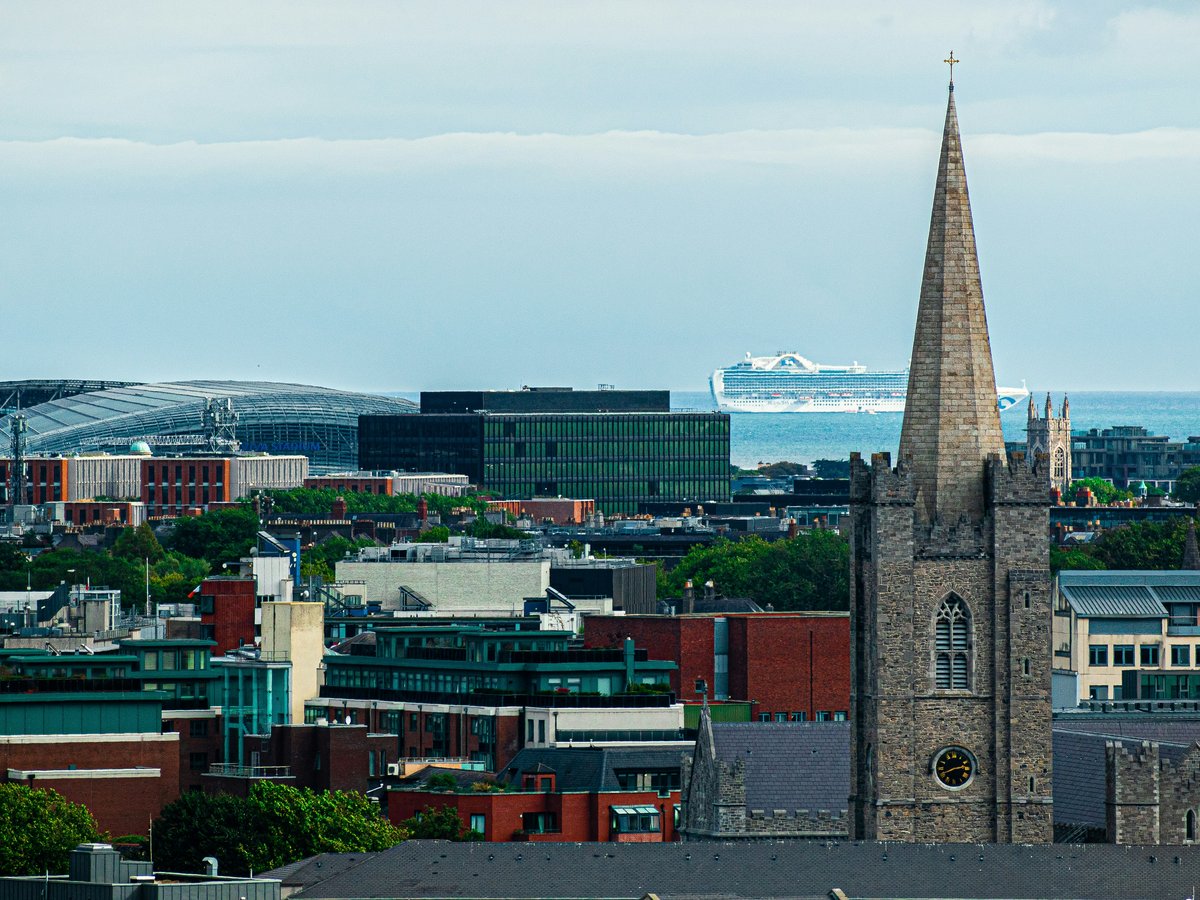
Where should I stay in Dublin?
Stay near St. Stephen's Green in Dublin 2 for a first visit: ten minutes on foot to Trinity College, five to Grafton Street, and on the Luas green line south. Budget €130–220 ($150–255) for a three-star double. Portobello, fifteen minutes south along the Grand Canal, runs €90–150 and feels more like a neighbourhood than a hotel district.
Dublin 2: the stretch between St. Stephen's Green and Merrion Square: is where you should book on a first trip. Step outside and you're on Georgian terraces where the brick runs that particular Dublin shade of brown-red, front doors painted canary yellow or cobalt blue for no reason anyone can fully explain. Trinity College is a ten-minute walk north; you'll hear the Luas bell chiming at the Harcourt Street stop before you see the tram. The Chester Beatty Library, which might be Dublin's best museum and charges nothing to enter, sits behind Dublin Castle about fifteen minutes west on foot. Hotels here run €130–220 ($150–255) for a three-star double room. The Dean on Harcourt Street tends to sit around €170 and has a rooftop bar where the wind off the Wicklow hills hits you at about the same time as the view. The Merrion is the splurge (€400-plus) with gardens that smell like cut grass and old boxwood even when the sky is doing its usual grey thing.
Portobello, a fifteen-minute walk south of St. Stephen's Green along the Grand Canal, is the neighbourhood that feels most like living in Dublin rather than visiting it. The towpath in the morning smells of damp stone and whatever the bakeries on Camden Street have going. Guesthouses and short-term rentals run €90–150 ($105–175). You're a seven-minute walk from the Charlemont Luas stop, so the tram network is still within reach, but most days you'll walk the canal: flat, lined with houseboats, and usually occupied by at least one heron standing completely still in the reeds. Lennox Street has a few neighbourhood restaurants where the menus rotate weekly and the servers remember what you ordered yesterday. The catch: Dublin averages some form of rain about 150 days a year, and a canalside walk in a downpour is less romantic than it sounds. The 14 and 15 bus routes along Camden Street run every ten minutes and keep you dry.
For a repeat visit, Stoneybatter on the north side is the area Dubliners themselves are currently talking about. It runs along Manor Street and Aughrim Street, roughly twenty minutes on foot from O'Connell Bridge or one Luas red line stop from Smithfield. The pubs here still have the dark wood panelling and patterned carpet that southside bars tore out during the Celtic Tiger years. L. Mulligan Grocer on Stoneybatter road does slow-braised meats and craft beer in a room that feels like someone's front parlour with better lighting. Accommodation is limited (this is residential territory, not hotel strip) but the B&Bs and rentals that exist run €80–130 ($93–150). The honest trade-off: north of the Liffey after midnight is quieter than the southside in a way that can feel empty rather than peaceful. Not a safety issue, just a texture difference. If you want to be out late and walk home, the southside is easier.
Temple Bar is the neighbourhood every first-timer considers because the name is everywhere. Don't sleep there. The cobblestones are handsome during the day, but after 9pm the stag parties from the UK arrive, and the sound of someone murdering 'Galway Girl' through a karaoke mic carries through every window on Fleet Street. Hotels here run €180–280 for rooms you'd get at €140 two blocks south: a noise premium, nothing more. Worth noting: Dún Laoghaire, the seaside town thirty minutes south on the DART, is a fine day trip; the pier walk with the salt wind off Dublin Bay, the Forty Foot swimming spot where people jump into water that sits around 12°C year-round, but it's too far from the centre for a short first visit. The last DART runs around 11:30pm, which cuts every evening short. Book in Dublin 2, day-trip to Dún Laoghaire, and you get both.
Recommended neighborhoods
St. Stephen's Green / Dublin 2
The default first-timer pick: walkable to Trinity College, Grafton Street, and the Chester Beatty Library, with the Luas green line at your door. Three-star doubles run €130–220.
Portobello
Fifteen minutes south along the Grand Canal. Neighbourhood restaurants, towpath walks, and guesthouses at €90–150: close enough to walk into the centre but quiet enough to sleep with the window open.
Stoneybatter
North-side neighbourhood with the pubs and restaurants Dubliners prefer over the tourist-facing southside. Limited accommodation but genuine local feel at €80–130. Better for repeat visitors.
Ballsbridge
The embassy quarter southeast of the centre. Quiet tree-lined streets, a DART station for coastal day trips, and four-star hotels at €120–190. Suits people who want calm evenings.
Skip these areas
- Temple Bar: Looks great in photos, sounds terrible after 9pm. Stag parties, overpriced pints (€8–9 vs €6 elsewhere), and hotel rates inflated by €40–60 for the privilege of hearing it all through the walls.
- O'Connell Street / North Inner City: Dublin's main commercial artery. Loud, chain-heavy, and the side streets (Talbot Street, Abbey Street) can feel edgy after dark. Hotels look cheap on paper but the surroundings don't match the price.
Top-rated hotels in Dublin
Highly rated stays you can book on Trip.com. Prices are indicative: tap through for live availability and the current rate.
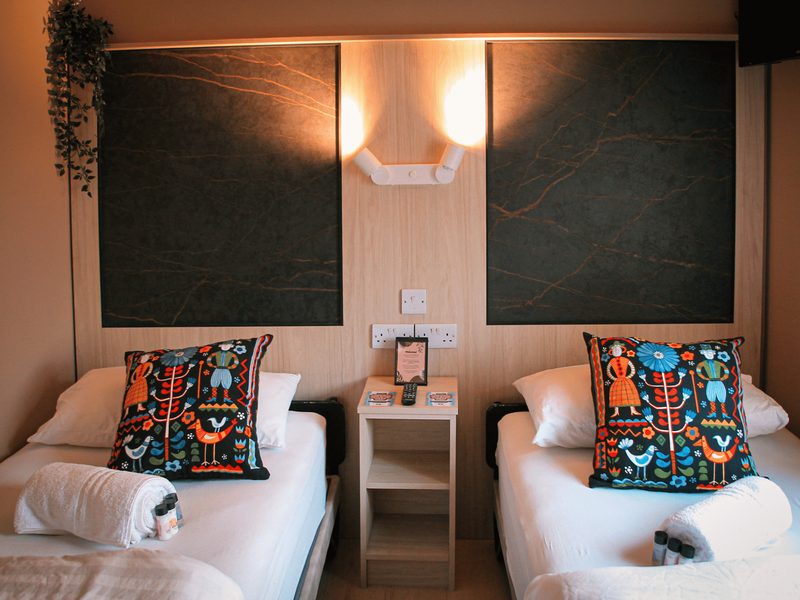
Gardiner House Hostel
from $26/night View deal
Saint Annes
from $91/night View deal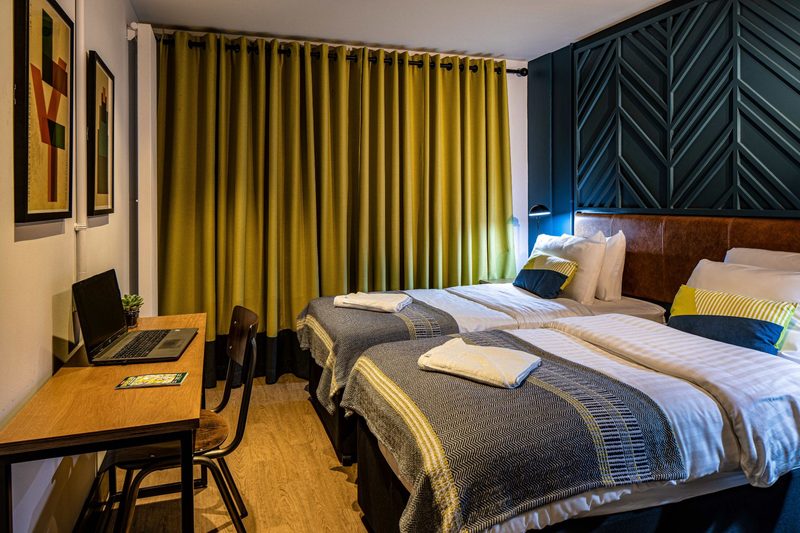
Latroupe Jacobs Inn
from $18/night View deal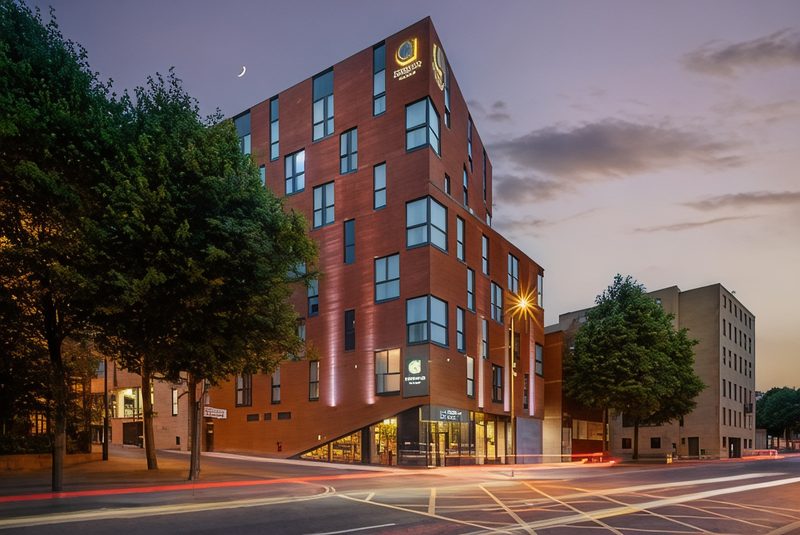
Point A Dublin Liberties
from $172/night View deal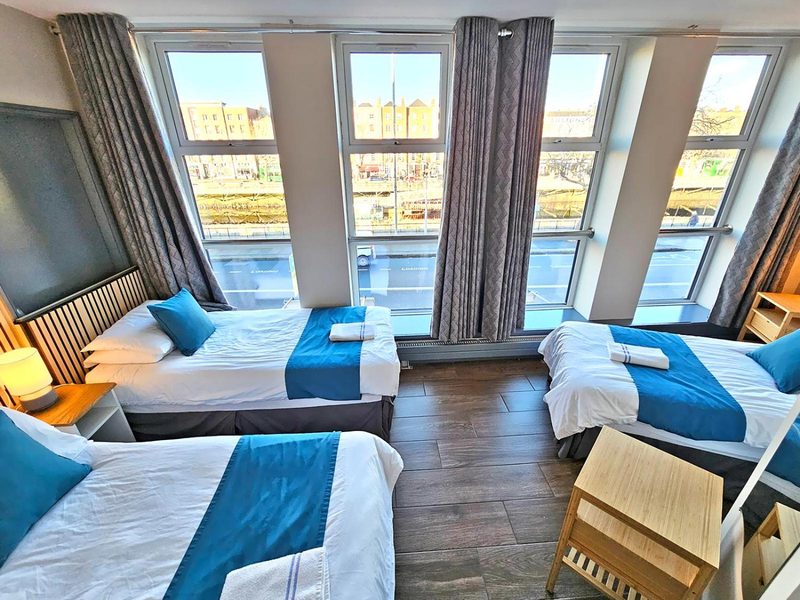
Abigail's Hostel
from $23/night View deal
easyHotel Dublin
from $143/night View deal
Drury Court Hotel
from $195/night View deal
Clayton Hotel Charlemont
from $184/night View deal
TTDI earns a commission on bookings made through these links, at no extra cost to you. We never accept payment for placement.
Last verified by automated review (v1.7.2) on . What is automated review?