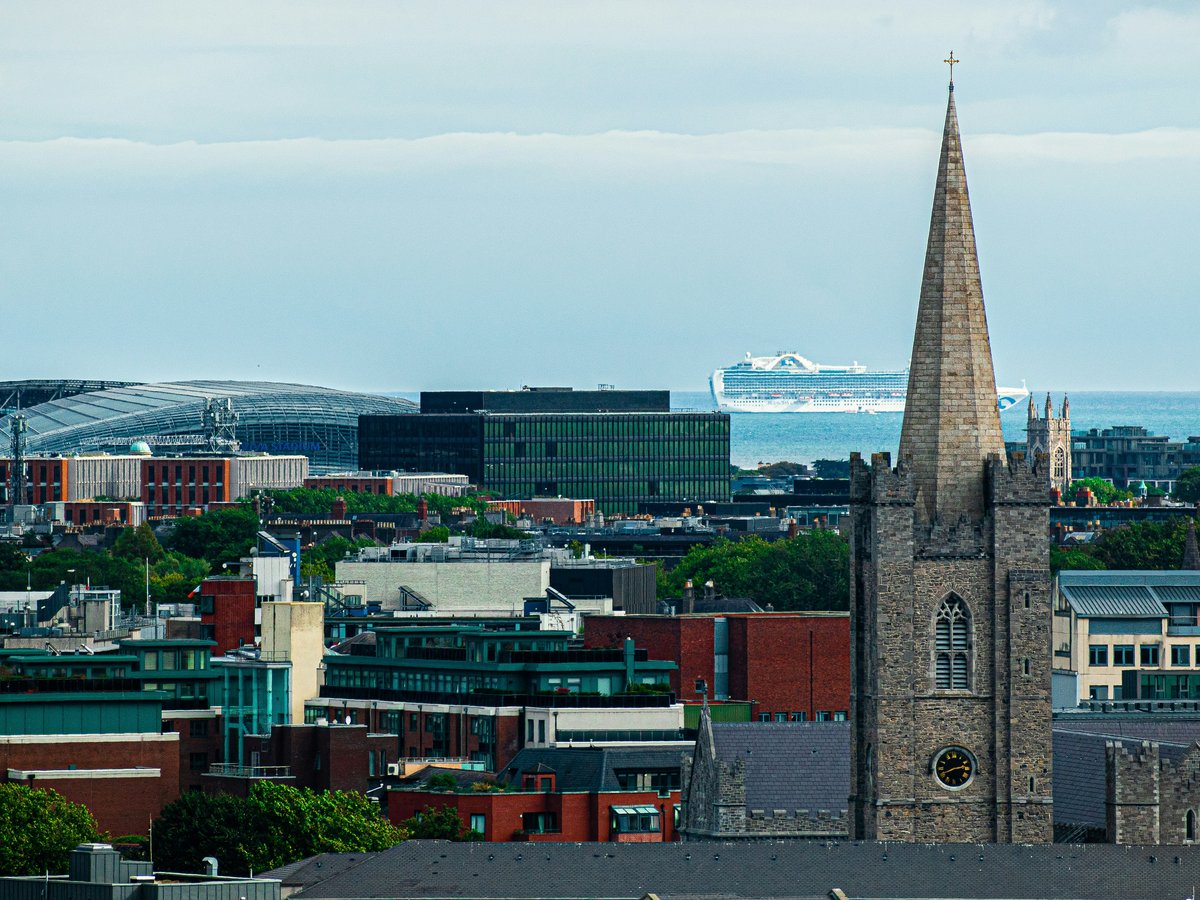
Dublin for digital nomads
Caffe Cagliostro is a properly pulled Italian espresso in a room that turns into a wine service after the coffee shift. Ten of the picks for remote workers in Dublin open by 09:00, so mornings can start early.
Dublin for digital nomads, in numbers
- Score for remote work
- 5.2 out of 10
- Picks on this page
- 12 places across 1 lists, led by Caffe Cagliostro, Starbucks, Coffee Angel
- Posted hours
- 11 picks post hours earliest 07:30, latest 21:00; 10 open by 09:00, 0 past 21:00
Questions digital nomads ask about Dublin
-
Digital nomads
Dublin scores 5.2/10 for digital-nomad suitability (sourced from TTDI's editorial rubric). 300-Mbps fibre is standard in city-centre apartments, and coworking hot-desks run €250-350 a month at Dogpatch Labs or The Tara Building. The 5.2 reflects a brutal housing market, no nomad visa, and a monthly all-in near $3,200. English-speaking, strong tech scene, terrible weather.
Read the full answer → -
Where locals go
Locals drink and work in Stoneybatter, Smithfield and Phibsborough, north of the Liffey, and avoid Temple Bar. Kavanagh's in Glasnevin has no TV and no music, while The Cobblestone on North King Street has trad music in the front bar every night. Two Boys Brew in Phibsborough is quiet before 10am on weekdays. The Forty Foot regulars in Sandycove swim at 7am all year round.
Read the full answer → -
Where to stay
Stay near St. Stephen's Green in Dublin 2 for a first visit: ten minutes on foot to Trinity College, five to Grafton Street, and on the Luas green line south. Budget €130–220 ($150–255) for a three-star double. Portobello, fifteen minutes south along the Grand Canal, runs €90–150 and feels more like a neighbourhood than a hotel district.
Read the full answer → -
Cost per day
Budget €50/day ($58) covers a hostel dorm on Gardiner Street, Leap card buses, and deli lunches. Midrange €170/day ($197) gets a three-star near Grafton Street plus two restaurant meals. Luxury starts at €390/day ($450) with the Shelbourne or Merrion Hotel. Dublin's biggest hidden cost is the Temple Bar zone, where pints cost €2-3 above the citywide average.
Read the full answer → -
Best time to visit
Go in late May, June, or September. June gives Dublin about 17 hours of daylight and highs near 19°C, and September stays almost as warm with fewer people and cheaper rooms than July and August. Avoid St Patrick's week in March, when hotel rates jump, and give November to February a miss as well: the sun sets shortly after 4pm in December.
Read the full answer →