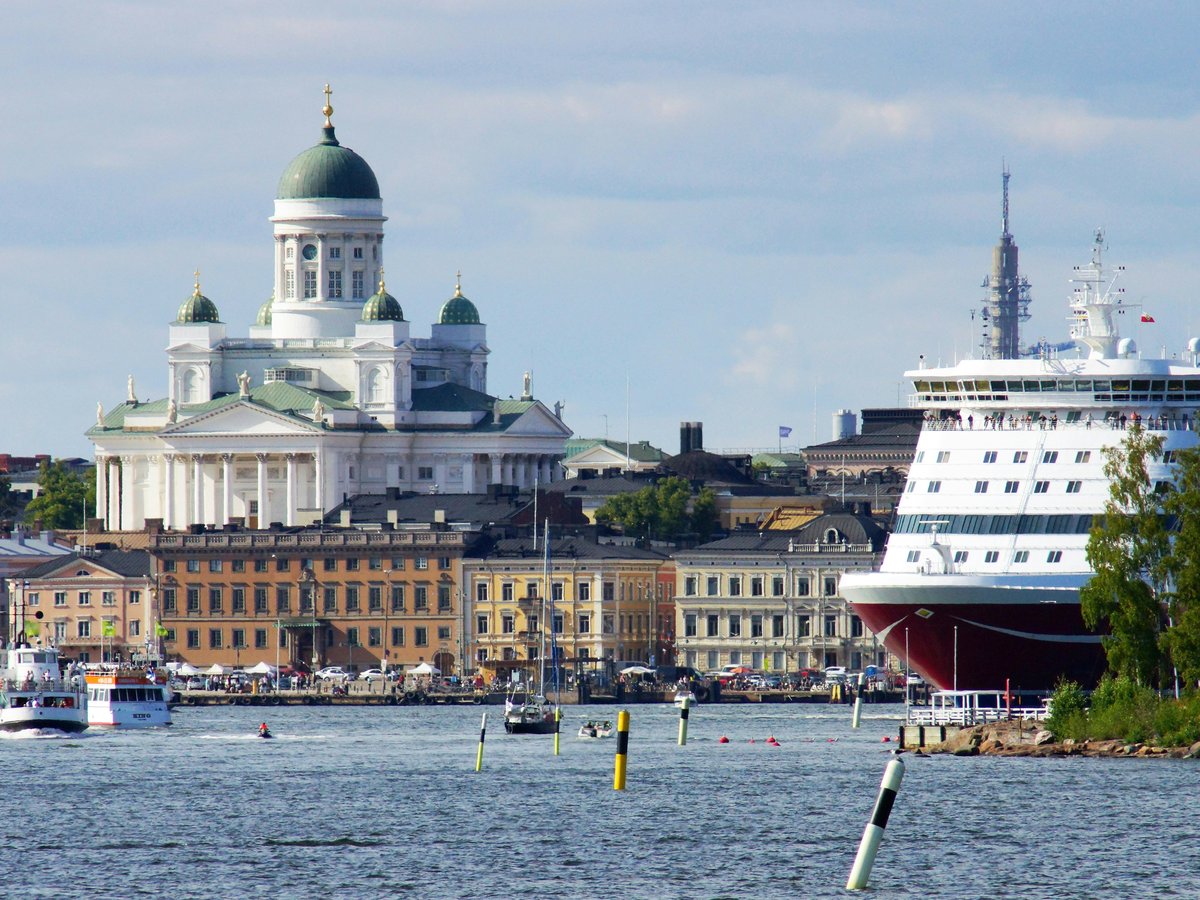
Is Helsinki good for digital nomads in 2026?
Helsinki works well for nomads, held back mainly by cost and a missing visa pathway. DNA and Elisa deliver 100-300 Mbps fiber to most central apartments. Coworking at MOW in Kamppi runs around €250 per month for a hot-desk, and Oodi library offers free 100+ Mbps workspaces until 21:00. Monthly budget sits around $3,200. No digital nomad visa exists, so you're working within Schengen's 90-day window.
Helsinki works well for nomads, though two things hold it back. The bandwidth alone would rate near-perfect. DNA and Elisa, the two dominant ISPs, deliver 100-300 Mbps fiber to most apartments in Kallio, Punavuori, and Kamppi, often included in the lease. You won't fight for signal here. The drag comes from cost and visa friction. A furnished studio on a 1-3 month lease runs €1,300-1,800 in those central neighborhoods, and daily expenses add up when a weekday lunch plate at a Kallio bistro costs €12-15. The tap water tastes better than most bottled water in southern Europe, which saves something. Coffee is another story, though. Flat whites run €5-6 at specialty shops, and Helsinki has more of them per capita than you'd expect for a city of 670,000.
Kallio is the default nomad neighborhood for practical reasons. The grid between Hämeentie and Helsinginkatu has a K-Market or Alepa every two blocks, three laundromats within walking distance, and rent that drops €200-400 below Punavuori for comparable studios. Daytime noise is minimal. You'll hear trams rattling down Hämeentie and not much else. Friday nights get loud around Bear Park Café, which turns into a techno pre-game by 22:00, but that's contained to a few blocks. Punavuori, the Design District, is quieter, prettier, and has better coffee, but grocery options thin out south of Iso Roobertinkatu. Sörnäinen, one metro stop east, has the cheapest studios (€1,000-1,300) but feels remote in January when sunset hits at 15:20 and the wind off Sompasaari cuts through your jacket. Töölö is peaceful and close to the waterfront, but coworking and café infrastructure is thin. The 68 tram runs through Kallio to Central Station every 8 minutes.
MOW on Arkadiankatu in Kamppi is the main coworking option. Hot-desks start around €250 per month, dedicated desks closer to €400, both with 24/7 access. The space runs quiet enough to hear someone's phone buzz two rows over. Maria 01, the startup campus in a converted hospital on Lapinlahdenkatu, offers shared desks from roughly €190 per month, though they lean toward startup affiliations. Epicenter on Mikonkatu charges around €350 for flex seating and skews corporate. The real infrastructure play is Helsinki's public library network. Oodi, the central library that opened in 2018 on Töölölahdenkatu, has a third-floor working area with 100+ Mbps wifi, power at every seat, and enforced silence. The ground floor still smells like the Finnish spruce and birch cladding they built it with. No membership required, open until 21:00 most days. Pasila library and Kallio library both have smaller but usable work rooms. For café sessions, Good Life Coffee on Kolmas Linja 17 in Kallio tolerates afternoon laptop users. Café Regatta on Merikannontie has four tables and zero power outlets.
Monthly all-in for a single nomad lands around €2,700-3,000. That's roughly €1,400 for a Kallio studio, €250 for coworking, €400-500 for groceries (Lidl on Hämeentie keeps this manageable), €62 for the HSL monthly transit pass covering metro and trams in the AB zone, and €300-400 for eating out and weekend plans. At current rates that converts to $3,100-3,500. The seasonal variable matters more here than almost anywhere in Europe. June through August brings 18-23 hours of daylight and warm evenings along the Kaivopuisto waterfront, where the air carries sea salt and the smell of grilled sausage from the kiosks. December through February means 5-6 hours of dim gray light and temperatures that sit around -10°C for weeks. Many nomads find winter productive, nothing pulling them outside. By mid-December, sunset in Helsinki falls before 15:30.
Finland has no dedicated digital nomad visa as of 2026. Schengen visa-exempt nationals (US, UK, Canada, Australia) get 90 days within any 180-day rolling window. That ceiling is firm. Hopping to Tallinn or Stockholm does not reset the clock, since all three countries are inside the Schengen zone. A genuine reset requires leaving Schengen entirely for the balance of time. The residence permit for self-employed persons costs €520 in fees and takes 2-4 months, so apply before arrival if you're planning beyond 90 days. Mind you, Tallinn still makes sense as a weekend trip. The Tallink ferry departs from West Terminal in Jätkäsaari, takes 2 hours, and runs €15-20 each way.
Composite of cafe + coworking download speeds and reliability.
Apartment, coworking membership, food, and transit at a comfortable level.
Coworking spaces
- MOW Kamppi (Arkadiankatu)
- Maria 01 (Lapinlahdenkatu)
- Epicenter Helsinki (Mikonkatu)
- Oodi Central Library (Töölölahdenkatu)
- Kallio Library (Viides linja)
- Good Life Coffee (Kolmas Linja 17, Kallio)
Visa options
No dedicated digital nomad visa. Schengen visa-exempt nationals (US, UK, Canada, Australia) get 90 days per 180-day rolling window across all 29 Schengen states. For stays beyond 90 days, apply for Finland's self-employed residence permit (€520 fee, 2-4 month processing, income documentation required). The clock runs across all Schengen members, not per country.
Last verified by automated review (v1.7.2) on . What is automated review?