Helsinki tends to fly under the radar as a shopping city, which is part of its appeal. Finland's capital has built a reputation around design, particularly the mid-century and contemporary Nordic kind, and you'll find Marimekko, Iittala, and Arabia ceramics here at their source. The Design District alone spans 25 streets in the Punavuori and Kaartinkaupunki neighborhoods, with around 200 shops, galleries, and studios. That said, Helsinki is not a bargain destination. VAT runs at 25.5%, one of the highest in Europe, and everyday goods tend to cost 20-30% more than in central European capitals. What you get for that is quality. Finnish shopkeepers stock fewer things but better things, and there's very little of the mass-produced souvenir junk that clogs other Nordic capitals. The city's retail rhythm follows the seasons. Summer brings outdoor markets and late-night shopping hours. Winter drives everything indoors, into the shopping centers and department stores clustered around Aleksanterinkatu. Worth noting, Finns are not big on haggling. Prices are fixed almost everywhere except flea markets, and even there, the negotiation tends to be polite and modest.
Shopping districts
-
Aleksanterinkatu and Keskuskatu
mid-range to upperHelsinki's main commercial spine runs east from Stockmann department store, which has anchored the corner of Aleksanterinkatu and Mannerheimintie since 1930. Stockmann's 8 floors carry everything from Finnish food products in the basement Herkku deli to international fashion on the upper levels. Across the street sits the Forum shopping center with about 120 shops on 6 levels. The surrounding blocks hold most of the international chains you'd expect. H&M, Zara, COS. During December, Aleksanterinkatu lights up with its Christmas street illumination, a tradition since 1949, and the foot traffic gets heavy. This is where Helsinki feels most like a conventional European shopping city.
Best for: Department stores, international chains, one-stop shopping in central Helsinki
-
Design District Helsinki
mid-range to highThe Design District covers roughly 25 streets between Esplanadi and the southern waterfront, concentrated in the Punavuori and Kaartinkaupunki neighborhoods. About 200 locations participate, marked with black Design District stickers in their windows. You'll find Marimekko's flagship on Pohjoisesplanadi, the Iittala and Arabia store on Esplanadi, and the Artek flagship nearby. Smaller studios in the side streets sell ceramics, textiles, jewelry, and furniture from independent Finnish designers. The neighborhood has a calm, residential feel. Old apartment buildings with shops at street level, coffee places on the corners. Prices reflect the quality. A handmade ceramic piece might run 40-150 euros, and a piece of Finnish glassware from 20 euros upward.
Best for: Finnish design, ceramics, glassware, textiles, independent studios
-
Fredrikinkatu and Punavuori
mixed, skewing affordable to mid-rangeFredrikinkatu runs through the heart of Punavuori, Helsinki's closest thing to a bohemian quarter. The street has shifted over the past decade toward independent boutiques, vintage shops, and specialty food stores. You might find a small-batch roaster next to a secondhand clothing shop next to a store selling handmade leather goods. The neighborhood draws a younger, design-conscious crowd. It still has a slightly rough-around-the-edges feel compared to the polished Esplanadi strip, with older buildings and narrower sidewalks. Several of Helsinki's better vintage clothing stores cluster here, and the stock tends to rotate quickly.
Best for: Vintage clothing, independent boutiques, specialty food, browsing without crowds
-
Kamppi
mid-rangeKamppi Shopping Centre sits above the Kamppi metro and bus terminal, which makes it the de facto first stop for anyone arriving from the airport by bus. The center holds around 150 shops across several floors, leaning toward mid-range fashion, electronics, and Finnish lifestyle brands. The lower levels connect directly to the metro. It's functional more than charming, but the foot traffic keeps the selection current. The area around the center, particularly along Fredrikinkatu heading south, transitions into the more interesting independent retail zone.
Best for: Practical shopping, Finnish lifestyle brands, electronics, quick stops near transit
-
Esplanadi Park and Pohjoisesplanadi
luxury to upper mid-rangeThe Esplanadi boulevard runs from the Swedish Theatre to the Market Square at the harbor. Pohjoisesplanadi, the north side, holds Helsinki's most established luxury retail. The Marimekko flagship, Iittala flagship, and several Finnish jewelry brands line this stretch. In summer, the Esplanadi Park between the two boulevards fills with buskers and outdoor cafe seating. The vibe is polished but not stuffy. Mind you, the prices on Esplanadi sit at Helsinki's top tier, and some of the same Finnish brands sell for less at outlet locations outside the city center.
Best for: Finnish luxury brands, flagship stores, gifts in polished surroundings
-
Kallio
budget to mid-rangeKallio, across the Long Bridge northeast of the center, has been Helsinki's working-class neighborhood for over a century. It still has a grittier energy than the design-district streets, but gentrification has brought in record shops, vintage stores, thrift chains like UFF and Fida, and small independent retailers. Vaasankatu is the main commercial street. Prices here tend to sit lower than in Punavuori for comparable secondhand goods. The neighborhood draws students and younger residents from the surrounding apartment blocks. On summer weekends, Kallio Block Party and various pop-up markets take over stretches of the street.
Best for: Thrift and vintage clothing, records, budget-friendly browsing, local neighborhood feel
Markets
-
Kauppatori (Market Square)
food and generalHelsinki's harbor-front market square has operated since the 1800s, with orange-tented stalls selling fresh fish, berries, vegetables, and tourist-oriented goods. The fish stalls sell smoked salmon and vendace, and in late summer you'll find cloudberries and chanterelle mushrooms. It's touristy, yes, and locals tend to shop at the covered Hakaniemi market instead. But the setting on the South Harbor, with ferries departing for Suomenlinna in the background, gives it a feel that's hard to dismiss. The adjacent Old Market Hall, Vanha Kauppahalli, opened in 1889 and holds about 20 food stalls selling reindeer meat, Finnish cheese, and specialty chocolates.
Year-round, daily from around 6:30 to roughly 17:00 in summer, shorter hours in winter
-
Hakaniemen Kauppahalli (Hakaniemi Market Hall)
food and artisanHakaniemi Market Hall sits in the Hakaniemi square across the Long Bridge from the center. It has been under renovation for several years and reopened in 2024 after a major restoration. The ground floor holds food vendors selling meat, fish, bread, and Finnish specialties like kalakukko (fish-filled bread from eastern Finland). The upper floor has traditionally carried textiles, handicrafts, and household goods. This is where Helsinki residents do their market shopping, and the prices tend to run 10-15% lower than at the tourist-facing Kauppatori.
Monday to Saturday, typically 8:00-18:00, closed Sundays
-
Hietalahti Flea Market
fleaHietalahti sits at the western end of Bulevardi, near the old shipyard area. The outdoor flea market operates in summer, roughly May through September, with private sellers and semi-professional dealers spreading goods across folding tables. You'll find vintage Finnish ceramics, particularly Arabia and Iittala pieces from the 1960s and 1970s, old vinyl records, Soviet-era curiosities, and plenty of ordinary household items. Prices are negotiable here. Arrive early on Saturday mornings for the best selection. The neighboring Hietalahti Market Hall has permanent food and craft vendors year-round.
Summer only, roughly May to September, weekends and some weekdays, mornings from around 10:00
-
Cleantech and Design Christmas Market (Tuomaan Markkinat)
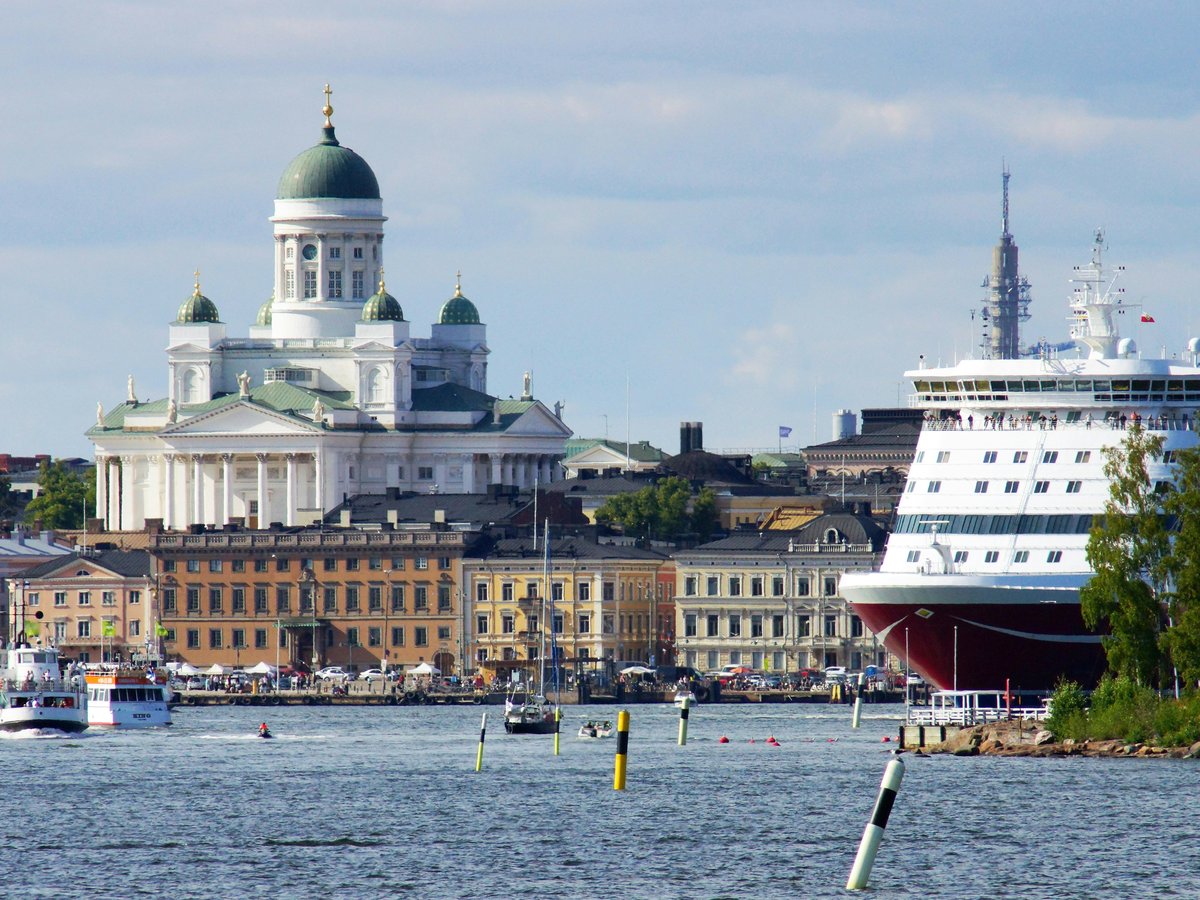
seasonal and artisanHelsinki's main Christmas market sets up in Senate Square each December, running for about 4 weeks from late November. Around 100 stalls sell handicrafts, Finnish food products, and seasonal goods beneath the white Helsinki Cathedral. Glögi (Finnish mulled wine, often non-alcoholic) and fresh pastries warm you up between stalls. Temperatures in December hover around -2 to -7°C, so dress for it. The market draws both locals and tourists, and it's one of the few places where you'll find a concentrated selection of small-batch Finnish artisan goods in one location.
Late November through late December, daily, typically 10:00-19:00
-
Restaurant Day / Pop-Up Food Markets
food pop-upHelsinki pioneered Restaurant Day in 2011, a concept where anyone could set up a pop-up restaurant for a day. The formal quarterly events have faded, but the spirit lives on in various pop-up food markets throughout the year, particularly in summer. Teurastamo, the former abattoir complex in the Sörnäinen area, hosts regular food events and a summer terrace. Kallio and Punavuori also see frequent weekend pop-ups. These aren't scheduled with the regularity of a weekly market, so checking local listings or the Visit Helsinki site before your trip helps.
Irregular, most frequent May through September, check local event listings
-
UFF and Fida Thrift Store Network
thrift and secondhandNot a single market but worth mentioning as a system. UFF and Fida operate thrift stores across Helsinki, with concentrations in Kallio, Sörnäinen, and the city center. UFF is the larger chain, run by a development aid organization, and sells secondhand clothing by weight or per piece. Fida, linked to Finnish Pentecostal churches, tends to carry slightly more curated stock. Both offer winter coats, Finnish knitwear, and vintage pieces at a fraction of retail. Individual stores vary wildly in quality. The Kallio locations tend to have faster turnover and younger stock.
Varies by location, typically Monday to Saturday 10:00-18:00, some Sunday hours
Souvenirs worth bringing home
The most genuinely Finnish things to bring home tend to be functional rather than decorative. Iittala glassware and Arabia ceramics remain the classic choices, and buying them at the factory outlets in Fiskars village (about 110 km west of Helsinki) or at the flagship stores saves over international retail pricing. Marimekko fabric and clothing travel well. For something smaller, look for puukko knives, the traditional Finnish sheath knife, which range from simple birch-handled utility knives to ornamental collector pieces. Fazer chocolates are a staple. The blue-wrapped milk chocolate bar has been made in Finland since 1922, and the Fazer Cafe on Kluuvikatu sells fresh pastries alongside their chocolate range. Birch products appear everywhere, from cutting boards to drinking cups called kuksa. The genuine hand-carved kuksa from Lapland might cost 50-100 euros. Factory-made versions go for 15-30 euros. Finnish licorice, particularly the salty variety called salmiakki, makes a divisive but memorable gift. Rye bread, cloudberry jam, and tar-flavored candy are other food items that don't cross borders easily. To be fair, the reindeer hides and Sámi-inspired crafts sold in tourist shops near Kauppatori are often imported or mass-produced. If you want authentic Sámi crafts, look for the Sámi Duodji trademark.
Practical tips
- Bargaining
- Fixed prices are the norm across Helsinki. The only real exceptions are flea markets like Hietalahti and Facebook Marketplace transactions. Even at flea markets, the negotiation tends to be gentle. Offering 20% below the asking price is reasonable. Going lower might get a flat 'no' without drama. Finnish sellers don't take it personally, but they also won't chase you down to make a deal.
- Tax Refund (VAT)
- Non-EU residents can claim a VAT refund on purchases over 40 euros from a single store in a single day. Look for Tax Free or Global Blue signage and ask for the form at checkout. The refund runs roughly 10-16% of the purchase price after the service fee. Process the refund at Helsinki-Vantaa Airport before departure. The refund desk is in the departure hall, but queues before flights to Asia and the US can run 30-45 minutes in peak season. Digital tax-free services like Global Blue and Planet have sped things up, but bring your receipts regardless.
- Opening Hours
- Most Helsinki shops open between 10:00 and 11:00 on weekdays and close at 18:00 or 19:00. Saturday hours tend to be shorter, often 10:00 to 16:00 or 17:00. Sunday shopping has become more common since Finland deregulated retail hours, but smaller independent shops still close on Sundays. Major shopping centers like Kamppi and Forum are open 7 days, typically until 21:00 on weekdays. During the December holiday season, hours extend. In June and July, some smaller shops reduce hours or close entirely as owners take their summer holiday.
- Payment Methods
- Finland is nearly cashless. Contactless card payments work in virtually every shop, market stall, and even some flea market vendors. Apple Pay and Google Pay are widely accepted. Many smaller shops and market vendors have moved to mobile payment apps like MobilePay. Carrying some cash helps at outdoor flea markets where older sellers still prefer it, but you could realistically spend a week in Helsinki without touching a banknote. Credit cards from outside the EU work fine. Visa and Mastercard have near-universal acceptance. Amex is patchier.
- Seasonal Timing
- Helsinki's shopping scene shifts substantially by season. Summer, roughly June through August, opens up the outdoor markets, extends shop hours, and fills the streets with pop-up events. The winter holiday season from late November brings the Christmas markets and special retail events. January and July are the traditional sale months when Finnish retailers clear seasonal stock at 30-70% off. Midsummer weekend in late June effectively shuts the city down for 2-3 days as Finns head to their cottages. Plan around it.
- Getting Purchases Home
- Marimekko and Iittala stores offer international shipping, which can be worth it for fragile glassware. For bulkier items, Posti (Finnish post) operates conveniently located pickup points and shipping counters. A 5 kg parcel to most of Europe costs roughly 20-35 euros. Shipping to North America or Asia runs higher and takes 1-3 weeks. If you're buying ceramics or glass at flea markets, bring your own bubble wrap or newspaper. The sellers there rarely have packing materials.
FAQ
Is Helsinki an expensive city for shopping compared to other Nordic capitals?
Helsinki tends to be slightly cheaper than Stockholm, Copenhagen, and especially Oslo for comparable goods. Finnish VAT sits at 25.5%, which is similar to its Nordic neighbors. Where Helsinki offers better value is in Finnish-made design goods. Buying Iittala, Arabia, or Marimekko at their Helsinki flagship stores or Finnish outlets typically costs 15-25% less than buying the same items abroad. Everyday consumer goods and groceries, however, still run notably higher than in southern or central Europe.
What are the best areas for vintage and secondhand shopping in Helsinki?
Kallio and Punavuori are the two main vintage neighborhoods. Kallio has a higher concentration of thrift stores, particularly along Vaasankatu and the surrounding side streets, with UFF and Fida being the main chains. Punavuori and Fredrikinkatu have more curated vintage boutiques at slightly higher prices. The Hietalahti flea market in summer is the best single destination for vintage Finnish ceramics and housewares. Facebook Marketplace and the Finnish platform Tori.fi are also active for secondhand goods if you're staying long enough to arrange pickups.
Can I shop on Sundays in Helsinki?
Most large shopping centers and chain stores are open on Sundays, typically from noon to 18:00. Smaller independent shops and design boutiques are more likely to close on Sundays, particularly outside the peak summer and December seasons. Grocery stores in shopping centers and central locations generally open on Sundays with reduced hours. The Kauppatori market square operates daily in summer but may have fewer vendors on Sundays.
Where should I buy Finnish design if I only have a few hours in Helsinki?
Head straight to Pohjoisesplanadi, the north side of Esplanadi park. Within a 300-meter stretch you'll find the Marimekko flagship, the Iittala and Arabia flagship store, and the Artek store. Stockmann department store, a 5-minute walk west, carries a broad Finnish design selection on its upper floors and Finnish food products in the basement Herkku hall. This cluster gives you the main Finnish brands in one walkable strip. For a broader range including independent designers, allow at least 2-3 hours to wander through the Design District side streets south of Esplanadi.
Are there outlet stores for Finnish design brands near Helsinki?
The Arabia factory outlet in the Arabia district, about 15 minutes by tram from the city center on tram 6 or 8, sells seconds and discontinued Iittala and Arabia products at reduced prices. The Fiskars Village, about 110 km west of Helsinki, hosts outlets for Iittala, Fiskars, and other Finnish brands in a historic ironworks setting. It's a day trip but worth it if design shopping is a priority. Marimekko's outlet in Herttoniemi, an eastern Helsinki district reachable by metro, sells previous-season stock at 30-50% below retail.
Last verified by automated review (v1.7.2) on . What is automated review?