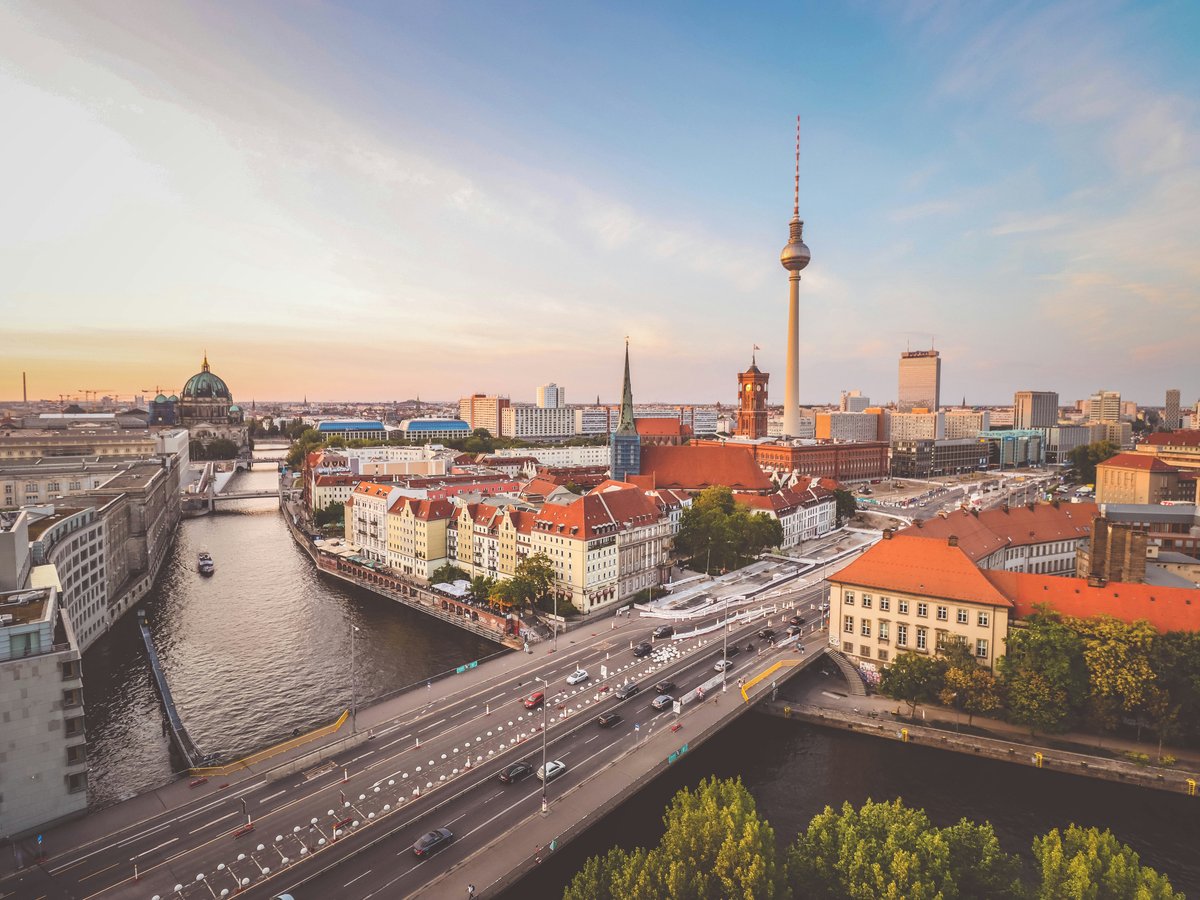
Berlin tends to attract people who aren't really looking for a traditional shopping trip. The city has never been about luxury flagships or polished malls, though Kurfürstendamm still holds its own on that front. What Berlin does well is the stuff you won't find anywhere else in Germany. Vintage clothing by the kilo, Cold War ephemera, small-batch ceramics from Neukölln studio collectives, and vinyl from what might be Europe's densest concentration of independent record shops. Sunday flea markets are practically a social institution here, with half of Kreuzberg and Friedrichshain turning out to rummage through DDR-era furniture and secondhand leather jackets. The city's relationship with consumption feels different from Munich or Hamburg. There's less polish, more personality. You'll find a lot of things priced to sell rather than priced to impress, and the line between gallery and shop gets blurry in neighborhoods like Mitte and Prenzlauer Berg. Worth noting, Berlin still runs largely on cash in smaller shops, which catches visitors off guard in 2026.
Shopping districts
-
Kurfürstendamm and Tauentzienstraße
luxury to mid-rangeWest Berlin's grand shopping boulevard still anchors the high-end retail scene. KaDeWe, the Kaufhaus des Westens on Tauentzienstraße, remains continental Europe's largest department store at around 60,000 square meters. Its 6th-floor food hall is worth visiting even if you buy nothing. The stretch between Wittenbergplatz and Breitscheidplatz leans toward international chains and mid-to-upper brands, with side streets like Fasanenstraße housing smaller galleries and boutiques. The crowd here skews older and more international than in the eastern districts. It feels like a different city from Kreuzberg.
Best for: Department store shopping, international designer brands, and KaDeWe's legendary food hall
-
Friedrichstraße and Unter den Linden, Mitte
mid-range to highFriedrichstraße between Checkpoint Charlie and Friedrichstraße station was rebuilt as East Berlin's answer to Ku'damm after reunification. Galeries Lafayette's Berlin outpost closed in 2024, which left a gap, but the street still pulls in visitors with a mix of international retail and some German labels. The side streets toward Gendarmenmarkt tend to be more interesting. Small concept stores and jewelry designers have set up in the courtyards off Markgrafenstraße. The Hackescher Markt area, a 10-minute walk north, is where Mitte gets genuinely local, with independent fashion labels in the Hackesche Höfe courtyards and along Alte Schönhauser Straße.
Best for: German and European fashion labels, concept stores, and courtyard browsing in the Hackesche Höfe
-
Kreuzberg, around Bergmannstraße and Oranienstraße
budget to mid-rangeBergmannstraße in Kreuzberg 61 has a Saturday-morning feel most days of the week. The street runs about 800 meters and mixes vintage clothing shops, used bookstores, and small cafes where the smell of fresh Flammkuchen drifts out onto the sidewalk. Oranienstraße, further east in Kreuzberg 36, is rougher around the edges but more creatively charged. Record stores sit next to Turkish grocery shops and screen-printing studios. Prices stay accessible here. You might spend 15 to 40 euros on a good vintage jacket, and the secondhand bookshops price paperbacks at 2 to 5 euros.
Best for: Vintage clothing, vinyl records, independent bookshops, and the neighborhood atmosphere of old West Berlin counterculture
-
Kastanienallee and Stargarder Straße, Prenzlauer Berg
mid-rangeKastanienallee earned the nickname 'Casting Alley' in the early 2000s for all the aspiring creatives. The irony has faded a bit since, but the street between Eberswalder Straße U-Bahn and Zionskirchplatz still has a strong run of independent shops. Small Scandinavian-influenced homeware stores, children's clothing boutiques, and a handful of studios selling handmade jewelry and leather goods. The sidewalks are cobblestone and narrow, lined with chestnut trees that shade everything in summer. Stargarder Straße, one block east, tends to be quieter with more local foot traffic. Prices sit in the mid-range, maybe 30 to 80 euros for a handmade bag.
Best for: Handmade jewelry, homeware, children's clothing, and a walkable neighborhood with strong cafe culture
-
Torstraße, Mitte
mid-range to highTorstraße runs east-west through northern Mitte and has become one of Berlin's strongest streets for contemporary fashion and design over the past decade. The stretch between Rosenthaler Platz and Rosa-Luxemburg-Platz concentrates maybe 15 to 20 independent boutiques within a kilometer. German labels like Lala Berlin have had presence here, alongside concept stores stocking emerging Scandinavian and Japanese designers. It feels curated without being precious. The buildings still show their pre-war bones, with high ceilings and stripped plaster. To be fair, it's gotten pricier since 2020, but it still undercuts comparable streets in Paris or London by a wide margin.
Best for: Contemporary fashion, emerging designers, and concept stores with a strong editorial eye
-
Neukölln, around Weserstraße and Sonnenallee
budgetNeukölln remains the neighborhood where Berlin's creative economy operates at ground level. Weserstraße, between Hermannplatz and the canal, has a rotating cast of small studios, ceramic workshops, and pop-up shops that change seasonally. The rent is still lower than Mitte or Prenzlauer Berg, which means younger designers can afford actual storefronts. Sonnenallee, sometimes called the Arab Street, is a different world entirely. Middle Eastern grocery shops sell spices, dried fruits, and fresh flatbread at prices well below supermarket rates. The sensory shift is immediate. You'll smell roasting coffee, za'atar, and cardamom within half a block of Hermannplatz station.
Best for: Emerging local designers, ceramics, Middle Eastern groceries, and experiencing Berlin's most culturally layered neighborhood
Markets
-
Mauerpark Flohmarkt
fleaBerlin's most famous Sunday flea market fills the park between Prenzlauer Berg and Wedding. On a warm Sunday, 10,000 or more people show up. The market stretches along the former death strip of the Berlin Wall, which gives the whole thing a strange historical weight underneath the carnival atmosphere. Vendors sell DDR memorabilia, vintage clothing, old cameras, and furniture. The adjacent karaoke amphitheater draws a crowd by early afternoon. Arrive before 11:00 to browse without the crush. Quality varies wildly. Some stalls sell genuine GDR-era items, others sell mass-produced knock-offs. A trained eye helps.
Sundays, roughly 10:00 to 18:00, year-round but best April through October
-
Nowkoelln Flowmarkt
flea and artisanA smaller, more curated flea market that sets up along the Maybachufer canal in Neukölln. The vendors lean toward handmade goods, illustration prints, and reworked vintage clothing rather than pure junk. The canal setting is genuinely pleasant, with ducks on the water and the smell of grilled corn from nearby Turkish food stalls. It draws a younger crowd than Mauerpark and feels less performative. Expect to pay 5 to 20 euros for prints and small handmade items.
Every other Sunday, approximately 10:00 to 17:00, seasonal from April through October
-
Türkenmarkt (Maybachufer Wochenmarkt)
food and textileThe Tuesday and Friday market along Maybachufer in Neukölln is one of Berlin's liveliest food markets. Turkish and Middle Eastern vendors dominate, selling olives, fresh herbs, börek, dried apricots, and bolts of fabric. The prices run noticeably lower than at supermarkets like Edeka or Rewe. A bag of fresh mint costs about 1 euro, and a kilo of tomatoes might be 2 euros in peak season. The sound of vendors calling out prices in Turkish and Arabic mixes with the clatter of the S-Bahn overhead. It gets crowded by noon on Fridays, so arriving around 10:00 is a good move.
Tuesdays and Fridays, approximately 11:00 to 18:00, year-round
-
Markthalle Neun, Kreuzberg
food hall and street foodThis restored 19th-century iron market hall on Eisenbahnstraße in Kreuzberg 36 reopened in 2011 as a food hall and community market. Thursday evenings bring Street Food Thursday, which packs in 30 to 40 food vendors selling everything from Taiwanese bao to Swabian Maultaschen. The regular weekday market is quieter and more local, with a butcher, a cheese counter, a wine shop, and a bakery that sells sourdough from a wood-fired oven. The hall itself smells like warm bread and roasted garlic on most mornings. Prices sit above supermarket level but below restaurant level, maybe 8 to 12 euros for a full Street Food Thursday meal.
Regular market Tuesday to Saturday, approximately 10:00 to 18:00. Street Food Thursday runs 17:00 to 22:00
-
Arkonaplatz Flohmarkt, Mitte
fleaA quieter alternative to Mauerpark that locals tend to prefer. The Sunday market at Arkonaplatz in northern Mitte fills a small tree-lined square with maybe 50 to 80 vendors. The selection runs toward mid-century modern furniture, vintage kitchenware, old books, and GDR-era electronics. The atmosphere feels like a neighborhood yard sale rather than a tourist attraction. The surrounding streets have a few cafes where you can sit with a Milchkaffee and watch the morning foot traffic. Fewer tourists, more Berliners sorting through crates of Bauhaus-era design books.
Sundays, approximately 10:00 to 16:00, year-round
Souvenirs worth bringing home
Berlin's strongest souvenir category is probably vinyl records. Shops like Hard Wax in Kreuzberg and OYE Records in Prenzlauer Berg stock deep selections of techno, house, and experimental electronic music, with many pressings from Berlin-based labels like Tresor and Ostgut Ton. Prices for new 12-inch records typically run 10 to 15 euros. Ampelmann merchandise, the little green and red pedestrian signal figures from East Germany, has become the city's most recognizable branded souvenir, with a dedicated shop near Potsdamer Platz selling everything from cookie cutters to umbrellas at 5 to 30 euros. Mind you, the Ampelmann gear is genuinely well-designed, not the usual tourist trinket. For something less obvious, Neukölln ceramics studios often sell small handmade bowls and cups for 15 to 40 euros. Pieces of the Berlin Wall, mounted in acrylic, appear at most flea markets and souvenir shops for 5 to 15 euros, though authenticity is hard to verify on the cheaper ones. KPM Berlin, the Königliche Porzellan-Manufaktur founded in 1763, sells porcelain from their factory shop on Wegelystraße in Tiergarten, with pieces starting around 30 euros for small items and reaching several hundred for full sets.
Practical tips
- Cash and payment
- Berlin is more cash-dependent than most Western European capitals. Smaller shops, flea market vendors, and many cafes in Kreuzberg and Neukölln still don't accept cards. Carry at least 50 to 100 euros in cash for a day of shopping, especially on Sundays at the markets. ATMs (Geldautomaten) from banks like Sparkasse and Deutsche Bank charge no withdrawal fee for most European cards.
- Sunday shopping restrictions
- Germany's Ladenschlussgesetz means almost all shops close on Sundays. The major exceptions are Hauptbahnhof's retail level, which stays open 7 days a week, and flea markets, which specifically operate on Sundays. Bakeries may open Sunday mornings for a few hours. Plan your retail shopping for Monday through Saturday, and save Sundays for markets.
- Tax-free shopping (VAT refund)
- Non-EU residents can claim back the 19% VAT (Mehrwertsteuer) on purchases over 50.01 euros from a single store. Ask for a Tax Free form at checkout. You'll need to get the form stamped by customs at Tegel, BER, or your departure point before checking your luggage. Global Blue and Planet Tax Free are the two main processors, with refund counters at BER Terminal 1.
- Opening hours
- Most Berlin shops open around 10:00 and close between 18:00 and 20:00 Monday through Saturday. Department stores like KaDeWe and shops on Ku'damm tend to stay open until 20:00. Smaller independent shops in Kreuzberg and Neukölln might not open until 11:00 or noon, and some close by 18:00. Thursday evenings are traditionally extended shopping hours, though this matters less now than it did a decade ago.
- Bargaining
- Fixed prices are the norm in German retail shops, and attempting to negotiate would seem odd. Flea markets are the one clear exception, where mild haggling is expected and a 10 to 20 percent reduction on the asking price is reasonable if you're polite about it. At the Mauerpark Flohmarkt and Arkonaplatz, vendors price with some negotiation room built in. The Türkenmarkt food vendors generally don't negotiate on individual items but might round down if you buy in quantity.
FAQ
What are the best flea markets in Berlin and when do they run?
Mauerpark Flohmarkt is the largest and most popular, running every Sunday from roughly 10:00 to 18:00 between Prenzlauer Berg and Wedding. Arkonaplatz in Mitte is smaller and more local, also on Sundays from about 10:00 to 16:00. Nowkoelln Flowmarkt along the Maybachufer canal in Neukölln runs every other Sunday from April through October, with a focus on handmade and artisan goods. For the best selection and smallest crowds, arrive at any of them before 11:00.
Is Berlin good for vintage and secondhand clothing shopping?
Berlin is likely the strongest city in Germany for vintage shopping. Kreuzberg has the highest concentration, particularly along Bergmannstraße and Oranienstraße, where vintage jackets might run 15 to 40 euros. Several shops in the area sell clothing by weight, typically 15 to 25 euros per kilo. Humana, a secondhand chain with locations across Berlin, offers sorted vintage at their larger stores on Frankfurter Tor and Ku'damm. The flea markets also have strong vintage sections, especially Mauerpark.
Do Berlin shops accept credit cards or should I carry cash?
Berlin is still more cash-reliant than cities like Amsterdam or Stockholm. Department stores, chain retailers, and most shops on Ku'damm and Friedrichstraße accept Visa and Mastercard. However, smaller independent shops, flea market vendors, many cafes, and some boutiques in Kreuzberg and Neukölln remain cash-only. Carrying 50 to 100 euros in cash for a shopping day is a safe approach, particularly if you plan to visit markets or neighborhoods like Neukölln.
Where can I buy authentic Berlin Wall pieces and Cold War memorabilia?
Genuine Berlin Wall fragments appear at the larger flea markets, particularly Mauerpark and Arkonaplatz, typically mounted in acrylic cases for 5 to 15 euros. Authenticity is difficult to verify at the lower price points. For verified pieces, the DDR Museum shop near Alexanderplatz and the Allied Museum (AlliiertenMuseum) in Dahlem sell authenticated fragments with certificates. Cold War ephemera, including East German military uniforms, medals, and propaganda posters, turns up regularly at Mauerpark and at specialty shops near Checkpoint Charlie, though the Checkpoint Charlie area tends to charge a premium.
What are Berlin's best areas for independent and emerging fashion designers?
Torstraße in northern Mitte currently has the strongest concentration, with 15 to 20 independent boutiques between Rosenthaler Platz and Rosa-Luxemburg-Platz stocking German, Scandinavian, and Japanese labels. The Hackesche Höfe courtyards near Hackescher Markt in Mitte house several local fashion labels in a historic Jugendstil setting. Neukölln, especially along Weserstraße, is where the newest and least established designers tend to set up, with lower rents allowing for more experimental retail. Kastanienallee in Prenzlauer Berg rounds it out with a mix of handmade clothing and accessories.
Last verified by automated review (v1.7.2) on . What is automated review?