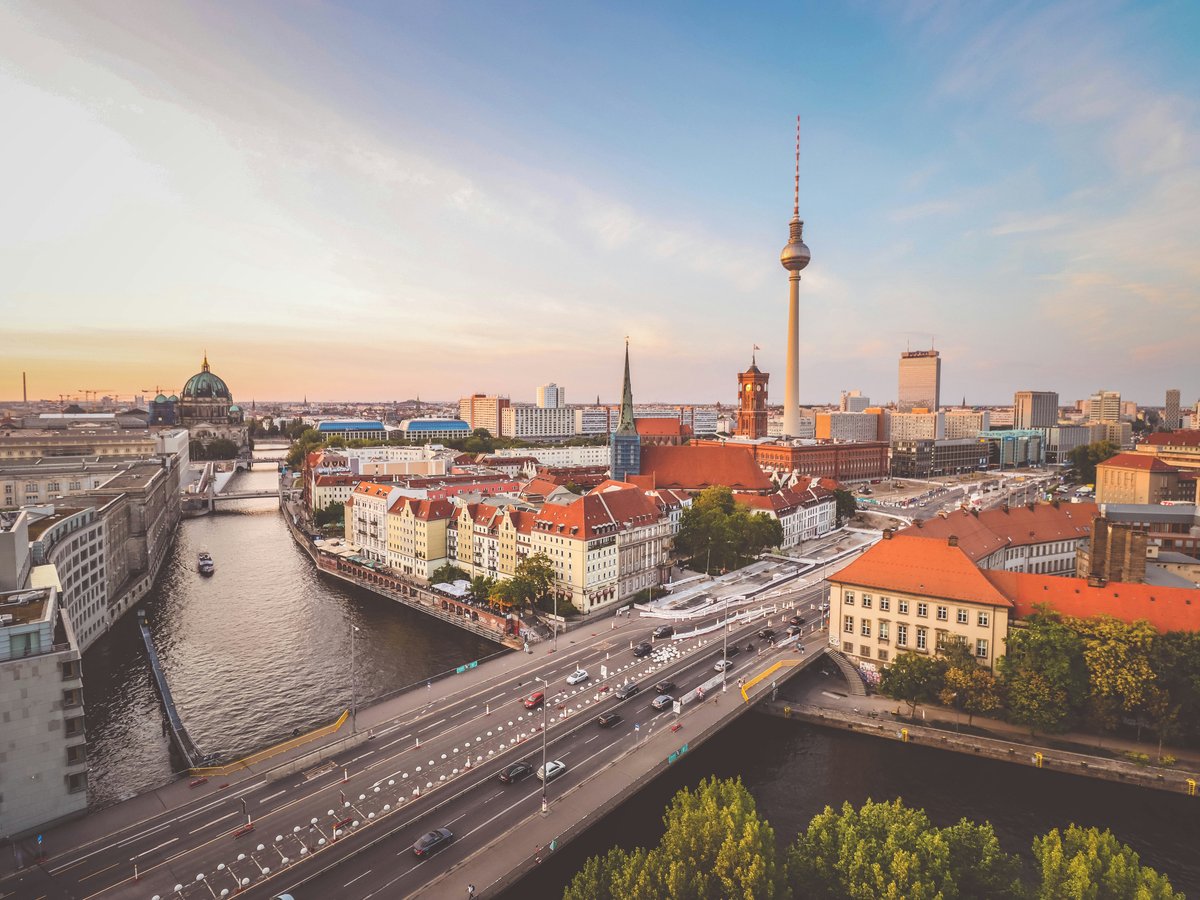
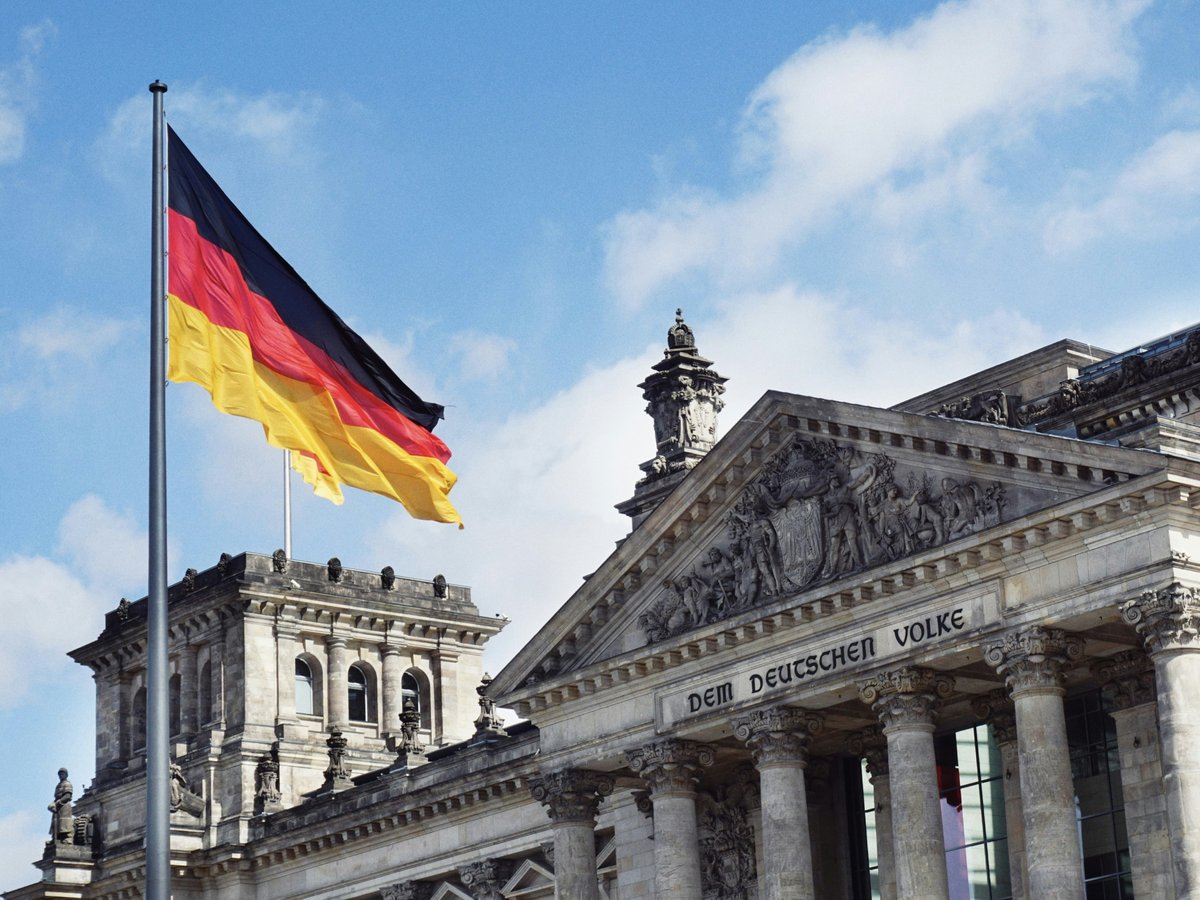
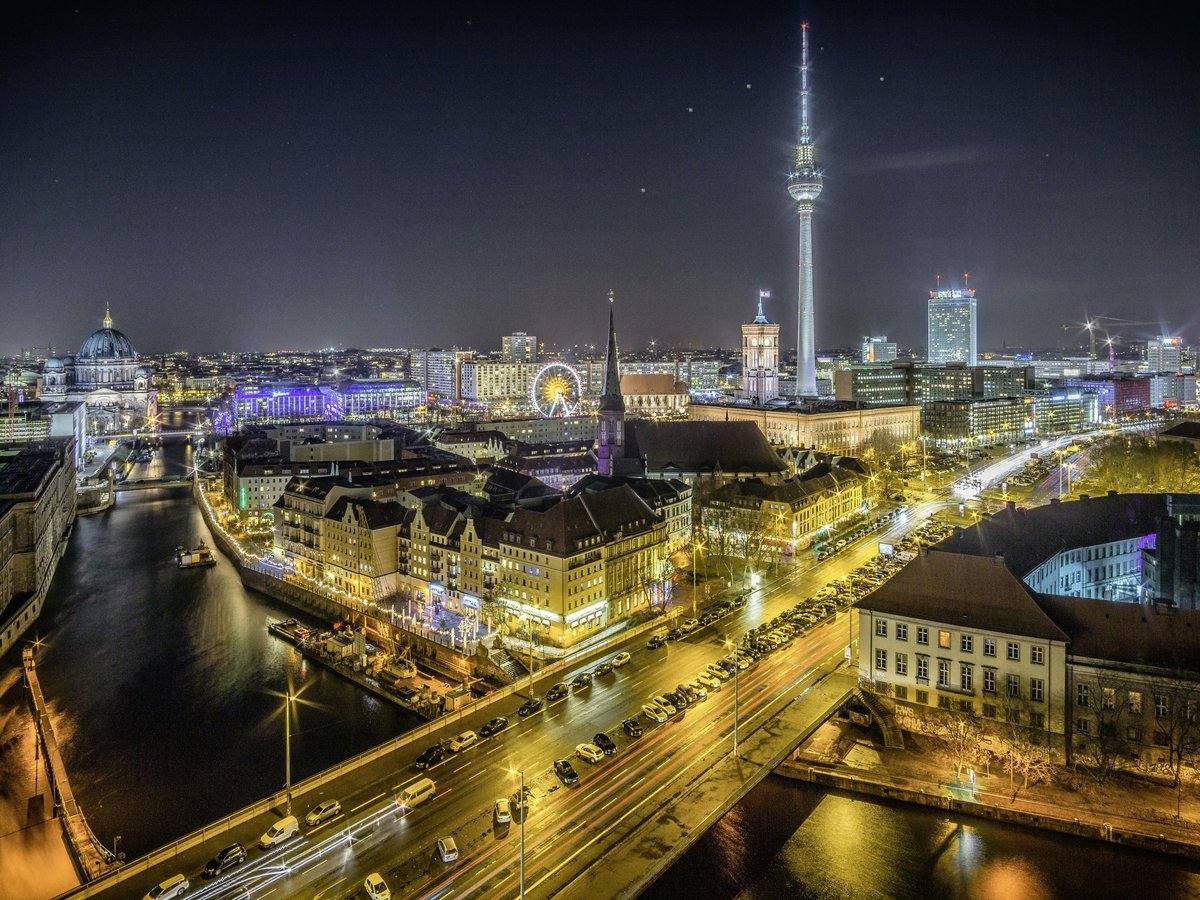
Berlin sprawls across an area nine times the size of Paris, and you feel it immediately: the gaps between buildings, the wide boulevards Prussian planners laid out centuries ago, the surprising amount of sky for a European capital of 3.6 million. The Spree river threads through the centre without dominating it, more workhorse than postcard, lined in some stretches with beach bars on imported sand and in others with remnants of the border fortifications that split the city for twenty-eight years. That division still organises the mental map. Mitte, the historical centre reclaimed after reunification, holds the museum cluster on its northern island and the government district where the Reichstag's glass dome (Norman Foster's pointed answer to the building's dark past) lets visitors look down on the parliamentary chamber below. Kreuzberg and Neukölln in the southeast run together in practice: Turkish grocery stores give way to Vietnamese restaurants give way to third-wave coffee roasters within a few blocks, and on Sunday mornings the Maybachufer market along the Landwehr Canal draws half the neighbourhood out for produce and street food. Prenzlauer Berg, once squatted and raw after the Wall fell, has settled into independent bookshops, weekend brunch queues, and tree-lined streets where prewar facades survived the bombing largely intact. Charlottenburg to the west still carries the quiet self-regard of old West Berlin, its cafés a little more formal, its department store the KaDeWe still trading on a reputation earned when it was the shopfront of capitalism during the Cold War. What strikes most visitors first, though, is the tempo: Berlin starts late, runs late, and builds its days around a long unhurried afternoon that stretches from a noon breakfast through a second coffee around four into an evening that rarely begins before nine. The city rewards patience far more than planning.
Berlin in photos
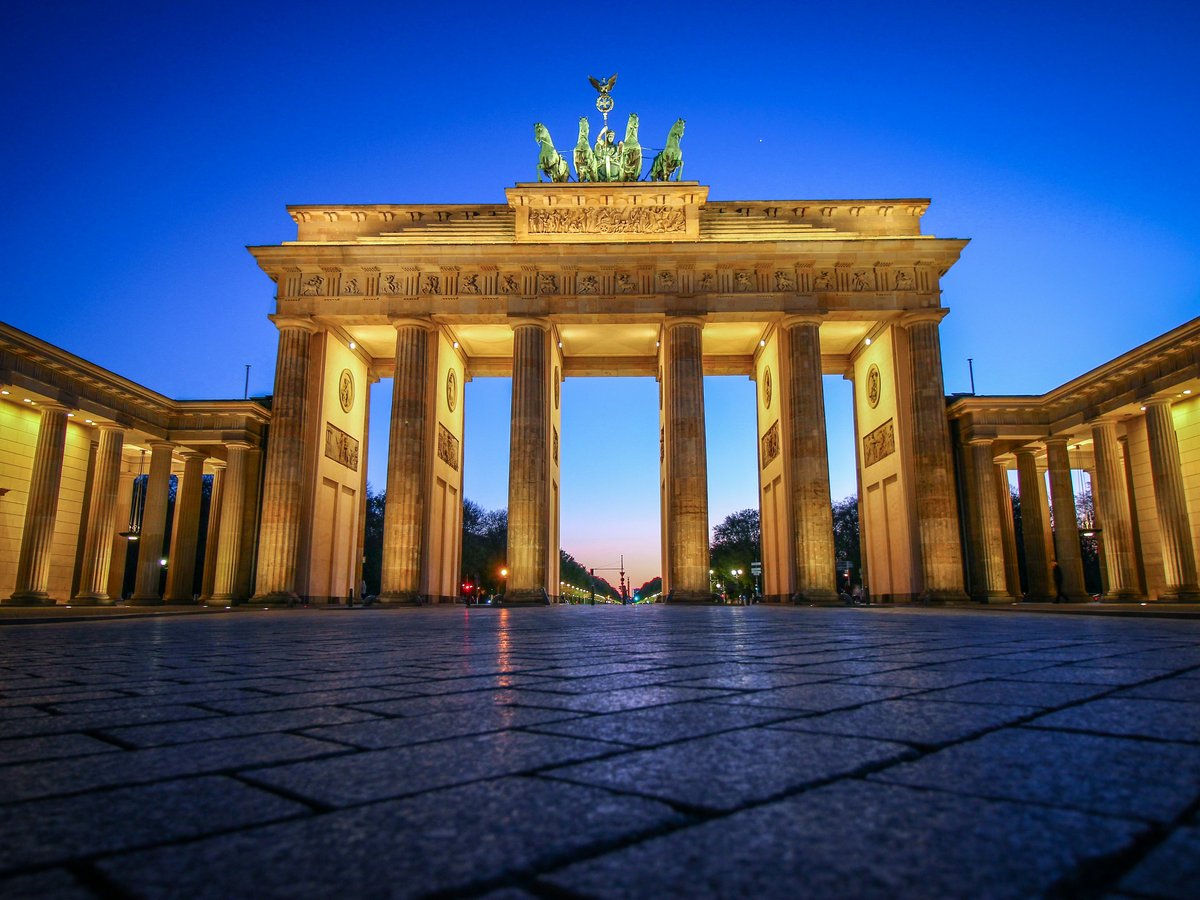
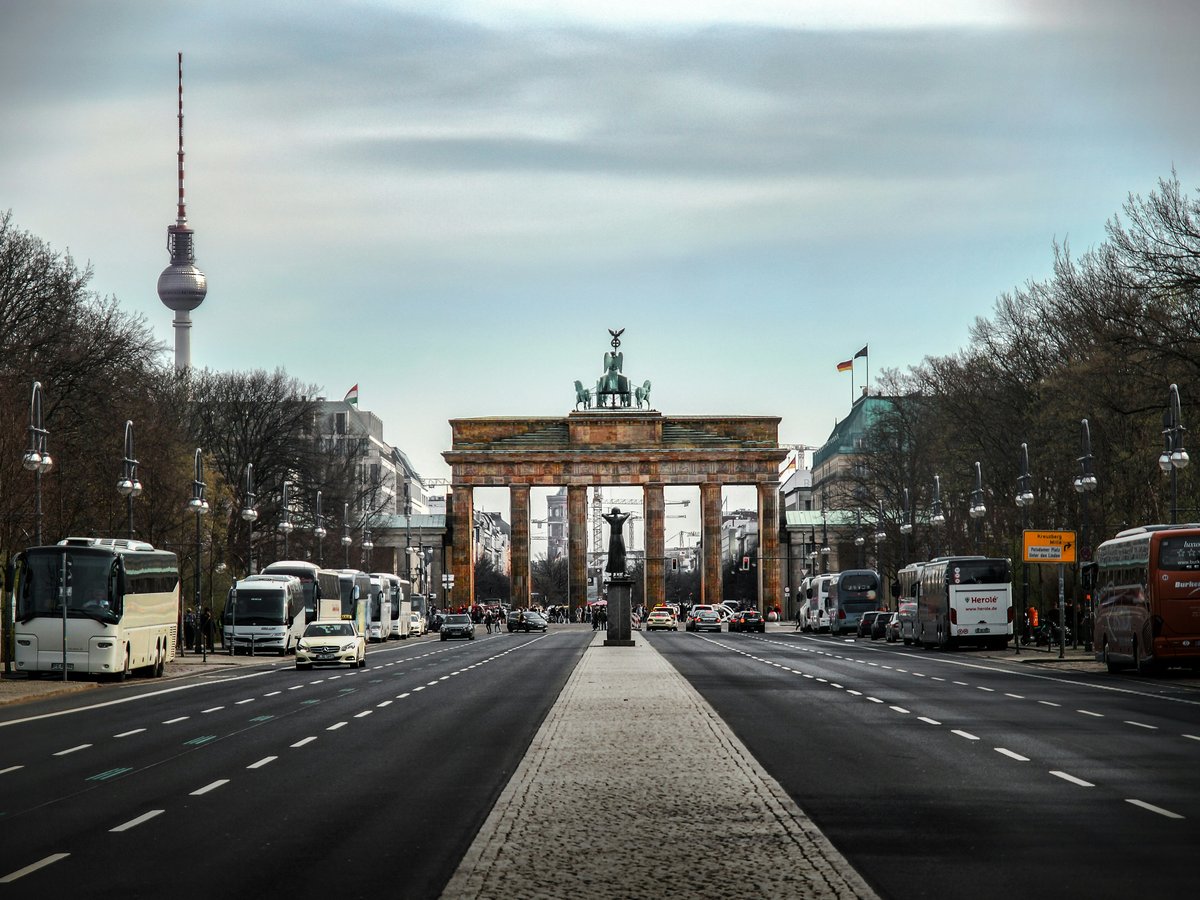
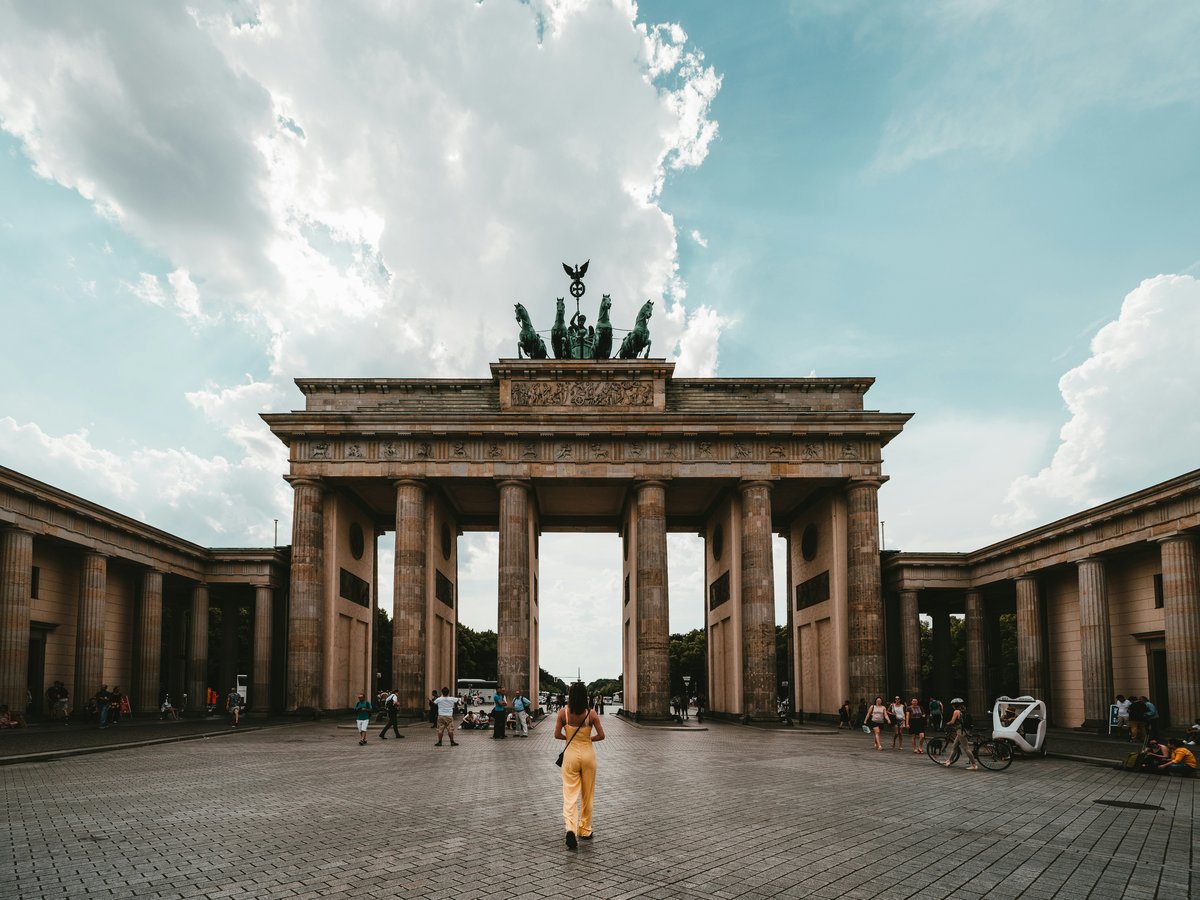
Berlin right now
Answers about Berlin
-
Airport to city
From Berlin Brandenburg (BER), take the FEX airport express to Berlin Hauptbahnhof. The ride costs €4.40 on a standard ABC zone ticket, takes about 30 minutes, and runs every 30 minutes until late evening. After midnight, a metered taxi to Mitte or Alexanderplatz runs roughly €45 to €55. The FEX is the fastest, cheapest option for most arrivals.
Read the full answer → -
Best time to visit
Go in May, June, or September, when Berlin's beer gardens and Spree-side bars are open, highs sit in the high teens to low 20s °C, and June daylight lasts past 21:30. Plan around the Berlin Marathon in late September. First-timers should skip January and February, which are grey, near freezing, and dark by late afternoon.
Read the full answer → -
Cost per day
Berlin runs about €45 ($52) per day on a tight budget. That covers a Friedrichshain hostel dorm, two döner kebabs, and a BVG day pass. Midrange lands near €130 ($150) with a Prenzlauer Berg three-star and sit-down dinners. Free landmarks like the Reichstag dome and cheap Späti beers keep Berlin's floor roughly 30% below Paris.
Read the full answer → -
Cultural etiquette
Berlin runs on directness, not politeness rituals. A firm handshake and "Hallo" opens most interactions. Tip 5-10% by stating the rounded total to your server. Nazi symbols and salutes carry up to 3 years in prison under §86a StGB. Wait at red pedestrian lights, keep quiet on Sundays, and look people in the eye during toasts.
Read the full answer → -
Best day trips
Potsdam is the best single-day trip from Berlin. The RE1 train covers 35 km in 25 minutes from Hauptbahnhof, round trip under €8 with a Berlin ABC ticket. Sanssouci Palace and the Dutch Quarter fill 6-7 hours comfortably. For a longer day, Spreewald's canal villages sit 100 km south-east, reachable by RE2 in 70 minutes.
Read the full answer → -
Digital nomads
Berlin scores 7.8/10 for digital-nomad suitability (sourced from TTDI's editorial rubric). Apartments in Kreuzberg and Neukölln advertise 100-250 Mbps fiber, though evening throughput drops to 50-80. Coworking starts at €120/month at Ahoy! Berlin or €149 at betahaus. The €58 Deutschlandticket covers all transit. Monthly all-in runs about $2,400. Apply for the freelancer visa (§21 AufenthG) for stays beyond 90 days.
Read the full answer → -
Family-friendly
Berlin tends to work well for families. Flat sidewalks, elevator-equipped U-Bahn stations, and a playground on nearly every block keep stroller days workable. The Berlin Zoo, open since 1844, and the Museum für Naturkunde's 13-meter Brachiosaurus hold kids for hours. Currywurst at €3.50 and bakery pretzels at €1.50 solve picky eaters. Strollers struggle only on Museum Island's cobblestones.
Read the full answer → -
Food culture
Berlin's food identity runs through immigrant kitchens more than traditional German cooking. The city's 1,600-plus döner shops set the daily rhythm alongside Vietnamese pho in Lichtenberg, Turkish breakfast spreads in Kreuzberg, and a vegan restaurant density that likely leads Europe. Currywurst remains the street-food constant, but the real eating happens in Neukölln and Wedding, not Mitte.
Read the full answer → -
Getting around
U-Bahn and S-Bahn cover every neighborhood a visitor needs. Buy an AB-zone day ticket for 9.50 EUR from the BVG app or any yellow station machine. Berlin is flat and bike-friendly but enormous at 892 km², so you will rely on trains between districts. The Ringbahn S41/S42 loop connects most tourist areas in under 40 minutes.
Read the full answer → -
How to get there
Berlin Brandenburg Airport (BER) handles all flights, 18 km southeast of the Brandenburger Tor. United flies nonstop from New York JFK in 9 hours at $550-950 round-trip. London is under 2 hours on easyJet or BA at £60-200. The FEX airport express reaches Hauptbahnhof in 30 minutes for €4. ICE trains connect Munich, Hamburg, and Amsterdam for travelers already in Europe.
Read the full answer → -
Is it safe?
Berlin is safe for solo travelers, with the main risks being petty theft on crowded U-Bahn platforms and scam teams at the central train station. Violent crime against tourists is rare for a European capital of 3.7 million. The transit network runs 24 hours on weekends, which means you're never stranded after dark.
Read the full answer → -
Language basics
German. English proficiency in central Berlin neighborhoods like Mitte, Kreuzberg, and Friedrichshain is high enough that most visitors never hit a real barrier. Most restaurant menus appear in both languages, and BVG transit machines offer an English toggle. The 5 words that shift interactions from transactional to warm are Hallo, Danke, Bitte, Entschuldigung, and Tschüss. A phrasebook is unnecessary, but those 5 words change how Berliners respond to you.
Read the full answer → -
Layover guide
Yes, with six hours or more. The FEX airport express reaches Berlin Hauptbahnhof in about 30 minutes, running every half hour. That arithmetic leaves roughly two hours in Mitte for Brandenburg Gate or the Fernsehturm. Germany sits inside Schengen, so many passports enter visa-free, but verify yours before leaving the terminal.
Read the full answer → -
LGBTQ-friendly
Berlin scores 9.5/10 for LGBTQ+ friendliness (sourced from TTDI's editorial rubric). Germany legalized same-sex marriage in October 2017, and Berlin's queer scene predates that law by decades. Schöneberg around Nollendorfplatz is the historic center. Kreuzberg and Neukölln draw a younger crowd. Same-sex couples hold hands on the U-Bahn without anyone looking up from their phone.
Read the full answer → -
Where locals go
Berliners spend weekdays in Neukölln's Schillerkiez, Kreuzberg's Wrangelkiez and Wedding, not Mitte. Go to Maybachufer's canal market on a Tuesday or Friday, eat at Markthalle Neun on a Thursday night, walk Tempelhofer Feld before the gates lock, and for a working desk, use the free Amerika-Gedenkbibliothek, because many cafes ban laptops at weekends. Supermarkets close on Sundays.
Read the full answer → -
Must-see
The Reichstag dome. Norman Foster's 1999 glass cupola crowns the 1894 parliament building. You walk twin spiral ramps above the Bundestag debating chamber while Berlin stretches flat to the horizon. Entry is free, but online registration fills up 2-3 weeks out. No booking, no entry.
Read the full answer → -
Solo travel
Berlin might be the strongest solo travel city in continental Europe. U-Bahn and S-Bahn trains run 24 hours on weekends, so you're never stranded. Solo dining carries no stigma, with counter seating and communal tables across Kreuzberg and Mitte. Single rooms at Motel One cost €79 to €95 with no supplement, and English proficiency is high enough for pharmacy visits and transit problems.
Read the full answer → -
This week
Berlin's week pivots on Sunday's Mauerpark flea market in Prenzlauer Berg, the Turkish Market on Maybachufer in Kreuzberg each Tuesday and Friday, and Thursday nights when the club weekend kicks off early. Monday is dead for museums and many restaurants. Mid-week delivers the shortest queues at major landmarks.
Read the full answer → -
3-day itinerary
Day 1 covers Mitte on foot. Brandenburg Gate and the Reichstag dome by mid-morning, Neues Museum after lunch, Berlin Cathedral's dome climb by late afternoon. Day 2 moves east to Kreuzberg and the East Side Gallery's 1.3 km of painted Wall. Day 3 heads west to Charlottenburg Palace and Tiergarten. About 28 km of walking total, with U-Bahn filling the gaps.
Read the full answer → -
What to avoid
Skip the Checkpoint Charlie photo stop, the walk-up queue at the Fernsehturm, and any first morning built around the Pergamon Museum. At BER, buy an ABC ticket, not an AB one, and stamp paper tickets before boarding the U-Bahn. Carry cash for Kreuzberg döner counters and Neukölln bars, decline conversion at Euronet ATMs, and stock up before Sunday closures.
Read the full answer → -
What to pack
Sturdy walking shoes for Berlin's cobblestones, a packable rain jacket, and cash in euros. Berlin's 230V Type F outlets need a European adapter. Layers matter year-round since mornings near the Spree run 10-15°C cooler than afternoon highs. Many Kreuzberg and Neukölln restaurants still refuse cards, so carry €50-100 daily.
Read the full answer → -
Where to stay
Mitte between Friedrichstraße and Hackescher Markt for a first visit. You're 10 minutes on foot from Brandenburg Gate, 5 from Museum Island, and on both the U6 and S-Bahn lines. Budget $100-170 per night for a mid-range hotel. Prenzlauer Berg if you want quieter streets and better café breakfasts, at $80-130, with a 15-minute U2 ride to the sights.
Read the full answer →
Deep guides for Berlin
-
Best Time to Visit Berlin, by Season
Berlin's weather swings from -0.2°C February nights to 24.7°C July afternoons. This month-by-month guide maps every season's trade-off between temperature, crowds, and accommodation price, then names the single best window for first-timers, sun seekers, budget travellers, and contrarians.
Read the guide → -
Berlin Restaurants: What's Worth It
Ten venues in central Berlin sorted into two tiers. Each one named, timed, and judged by who it is right for, when to arrive, and which one to skip it for.
Read the guide →
Curated lists for Berlin
accommodation
-
Best boutique hotels
Berlin's accommodation neighborhoods spread across a city divided until reunification, and the seams still show in where the hotels cluster. Mitte holds the densest inventory, anchored by prewar landmarks and postwar rebuilds along Unter den Linden. Moving west, City West and Charlottenburg carry the old West Berlin shopping-boulevard energy around Kurfürstendamm, while Kreuzberg and Friedrichshain draw travelers who want graffiti walls and late bars over marble lobbies. The mid-range tier dominates all ten neighborhoods here, with nightly rates running from $94 in Schöneberg and Kreuzberg to $191 near Potsdamer Platz. That spread matters: Berlin is cheap by capital-city standards, and the U-Bahn and S-Bahn network means a room outside the center saves real money without costing much time. The ten areas below are ordered by hotel density, not prestige; Mitte leads because it has the most beds, not because every traveler belongs there. Match the neighborhood to the trip: a conference staged from Europacity's Hauptbahnhof, a long weekend in Kreuzberg's cafe belt, a museum crawl from Friedrichstadt. The right area is the one where you walk out the door and the city you came for is already around you.
See the picks → -
Best hostels
Berlin splits into neighborhoods that barely resemble each other, and where you sleep decides what city you wake up to. The hostel inventory clusters in two broad bands: the central corridor from Mitte through Friedrichshain, where transit is dense and nightlife bleeds into breakfast hours; and the quieter residential rings in Charlottenburg, Wilmersdorf, and the eastern suburbs, where prices drop and mornings start with bakery lines instead of club queues. Budget travelers who want the classic Berlin experience: graffiti walls, late-night döner, U-Bahn platforms that stay busy past midnight: should anchor near Alexanderplatz or Warschauer Straße. Those who prefer wide sidewalks, mature trees, and a full night's sleep belong in the western and outer-eastern neighborhoods. The spread between the cheapest and priciest beds here runs from $16 to $77 a night, and the ratings hold steady across that range; the difference is about what is outside your door, not what is inside your room. Knowing which Berlin you want is the real booking decision.
See the picks → -
Best luxury hotels
Berlin's luxury hotel market draws a line that most European capitals blur. There are the Berlin City Centre addresses where the city's monuments and museums set the walking radius, and there are the properties in Kreuzberg and Tiergarten, where the pace shifts and the guests change. The 12 hotels on this list range from converted heritage buildings to full-service towers with indoor pools and executive floors. What unites them is a standard of service, location, and amenities that justifies the premium over Berlin's enormous midrange hotel stock. Some carry the names of global chains; others are independents or boutique collections that exist in this city and nowhere else. If you are choosing between them, the deciding details are specific: which zone suits your plans, whether you need a pool or a spa, and how much the view from your window matters on a quiet weekday morning.
See the picks → -
Where to stay
Berlin's accommodation map splits along old fault lines. The tourist gravity well around Mitte and Alexanderplatz holds the densest hotel cluster, but travelers who know the city book by neighborhood character, not by proximity to the Brandenburg Gate. West Berlin's Charlottenburg and City West trade on broad avenues, department-store shopping, and a quieter pace that suits families and repeat visitors. East of the Spree, Friedrichshain and Kreuzberg draw the crowd that wants bar-lined streets and late closing times. Tiergarten sits between both halves, anchored by the park and the Potsdamer Platz conference circuit. Europacity, the newest district, wraps around Hauptbahnhof and caters to travelers who value a train connection over street life. The price spread across these neighborhoods is wide: a&o Berlin Mitte rents budget rooms at $16 a night near Friedrichstrasse, while The Ritz-Carlton on Potsdamer Platz charges $408 a night for the luxury tier. Match your travel style to a postal code before you comparison-shop rooms; the difference between staying in Kreuzberg and staying in Charlottenburg is larger than the difference between any two hotels in the same block.
See the picks →
attractions
-
Best free attractions
Berlin's best free hours belong outdoors, on squares and in parks that cost nothing to cross. We lean on the city's public squares in this list because they hold the city's record in plain view: Lustgarten dates from 1646, Pariser Platz from 1732, Bebelplatz from 1740, Nollendorfplatz from 1862, and Rosa-Luxemburg-Platz from 1907. Several carry formal protection: the Großer Tiergarten is a listed cultural heritage monument, Gendarmenmarkt is a Kulturdenkmal, and Pariser Platz holds a Gartendenkmal listing. Two green spaces complete the list. The Tiergarten is open 24/7, and the Gardens of the World keep posted hours, from 09:00 until sunset, so check the official site before you set out. This list is built for walkers: people with a transit pass, comfortable shoes, and no wish to pay an entry fee to read a city. Go slowly. Most of these places reward a visitor who stands still for longer than a photo takes.
See the picks → -
Best museums
Berlin's museums run from Baroque rooms to natural history, and this list follows that range. The Pergamon Museum and the Neues Museum both belong to the Museumsinsel, Berlin's Museum Island, while the Altes Museum, an antiquities museum, carries UNESCO World Heritage status. Away from the island you get a Baroque palace at Charlottenburg, a museum of German history on Unter den Linden, a natural history museum on Invalidenstraße and the Jewish Museum Berlin, which opens every day of the week. This list is for visitors who want more than a photo on the steps: people who will check hours before they set out, give a collection a full morning and leave the rest of the day free. Check hours before anything else: most of the state museums here close on Mondays, and the Pergamon Museum currently lists its hours as off. Each entry gives you an address, the hours and one good reason to go.
See the picks → -
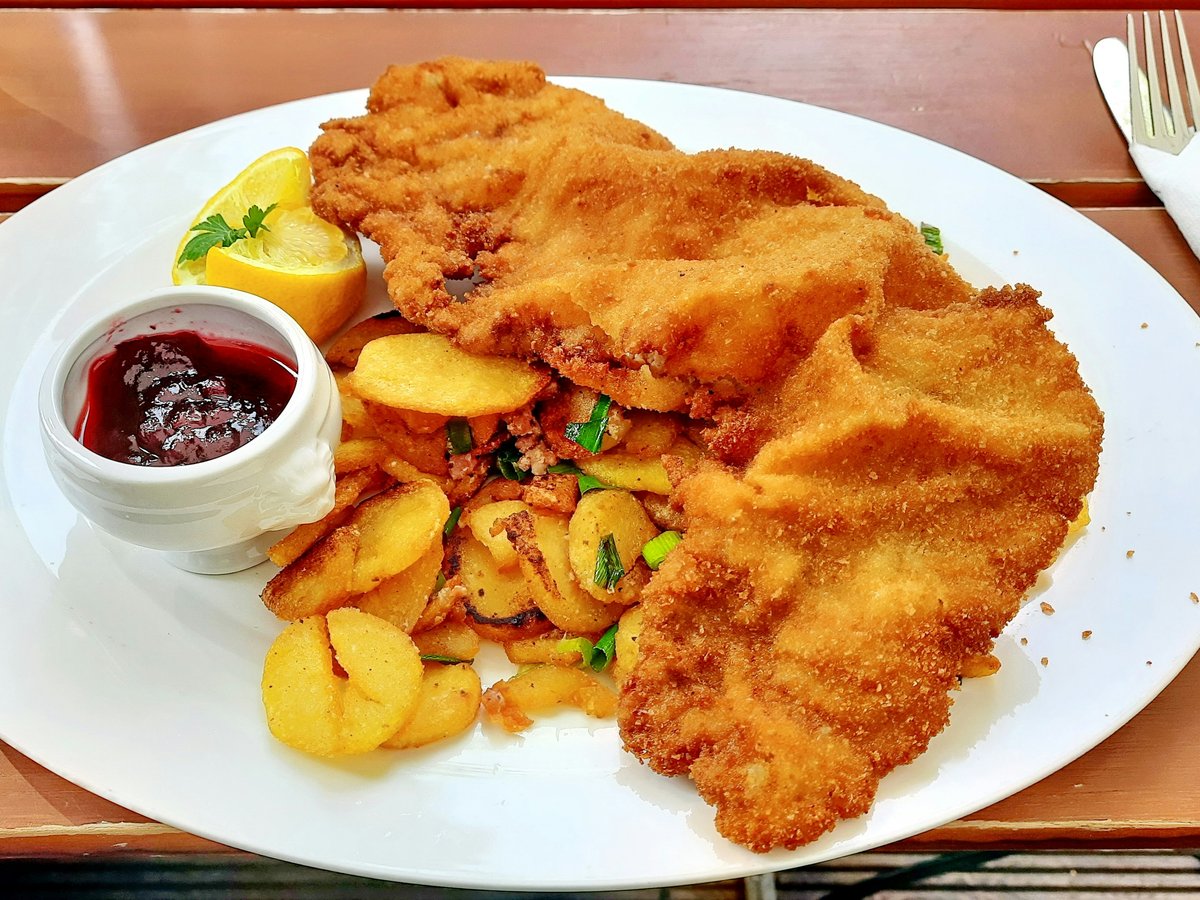
Must-see attractions
Berlin's must-sees are not a checklist so much as a walking argument about the twentieth century, staged along a two-kilometer axis between the Tiergarten and the Spree. The city keeps its landmarks close: a triumphal arch, a parliament, a broadcast tower and a cathedral all sit within a brisk half-hour of each other, and the harder monuments, to memory rather than to victory, sit right among them. This list is for the visitor who wants the civic core in a single unhurried day, and who would rather stand at 1 Pariser Platz than tick off outer-ring museums they will forget by the flight home. It rewards walking. It rewards reading the plaques. Skip the hop-on bus loops that promise to compress all of this into 90 minutes; Berlin does not compress, and the point is to feel the distances between the eras that these twelve buildings represent. Go in rank order or invert it, but do not try to see everything indoors: the outdoor pieces carry as much of the story.
See the picks →
food
-
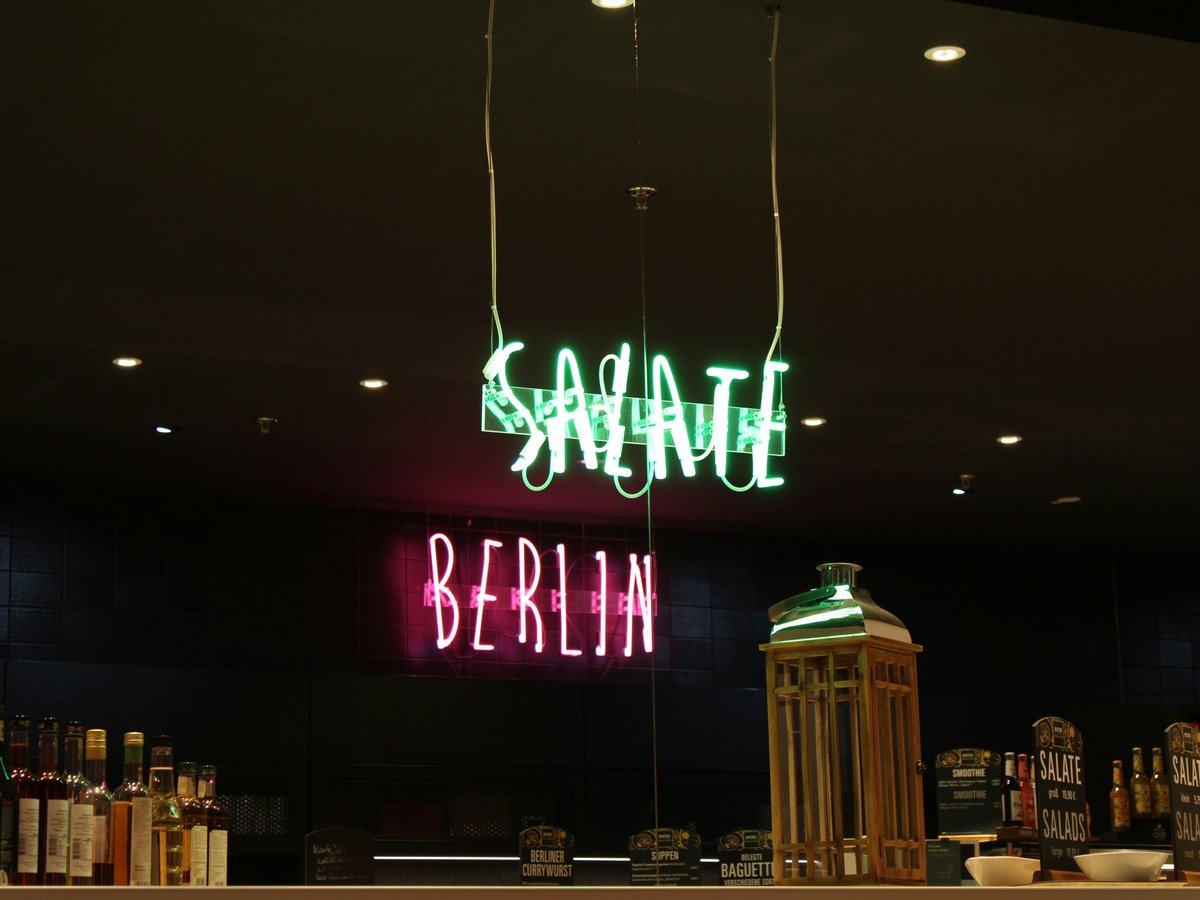
Best cafes
Berlin's cafe culture does not sit still. It runs on a bench outside a Mitte bakery at 08:00, on a bubble-tea counter under the television tower at 21:00, and on a tea room in Oranienburger Straße that only wakes up in the afternoon. The 12 rooms below sit inside a tight ring of the Mitte and Rosenthaler Platz postal areas, 10115 through 10179, which means you can walk this list in a single long day without touching a U-Bahn platform. They are picked for what they do, not for how they photograph: a French galette shop on Inselstraße, a Portuguese counter on Weinbergsweg, a coffee shop that stays open until 03:00 on Friday, and a museum cafe that only opens Thursday to Sunday. Skip the carbon-copy tourist terraces around Alexanderplatz; the rooms here belong to people who order in German, work from a laptop for four hours, and know which door faces the sun at what hour.
See the picks → -
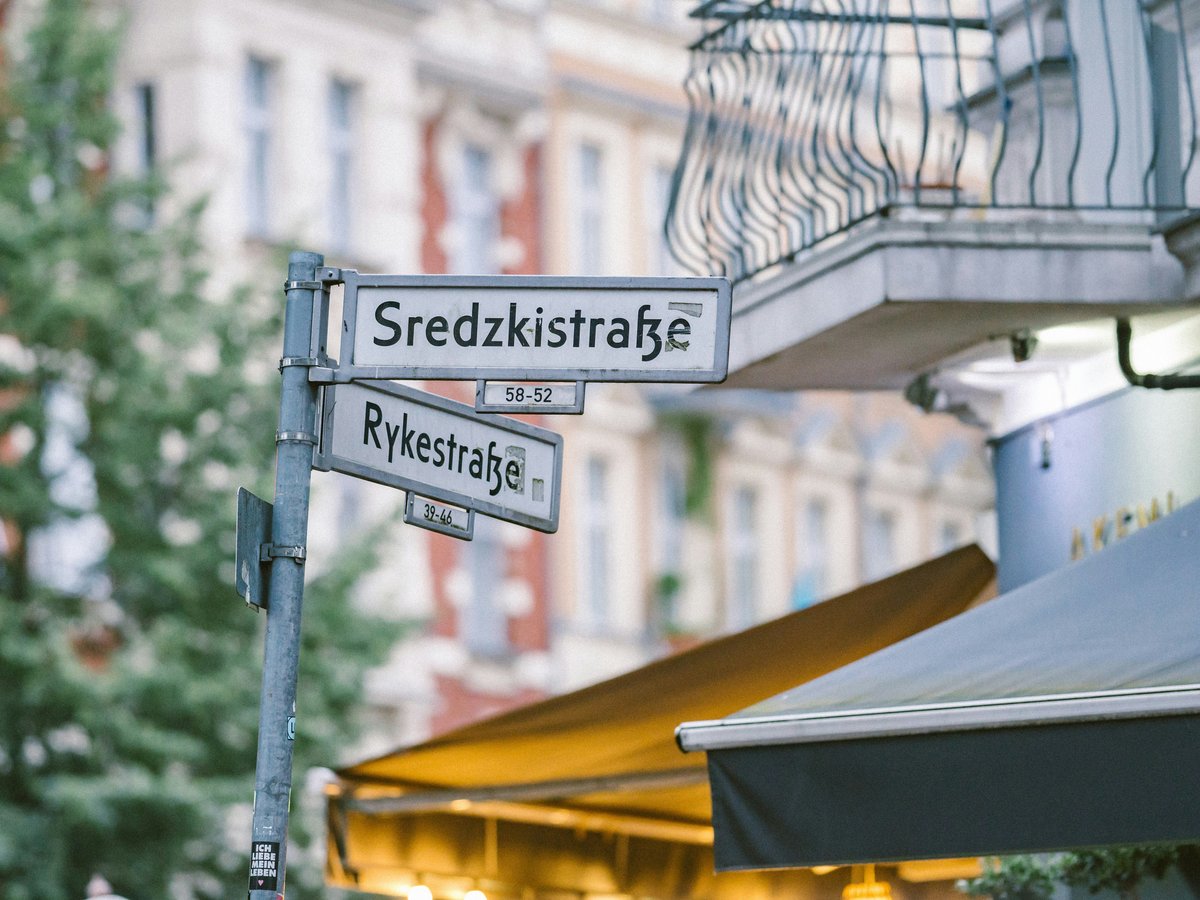
Best restaurants
Berlin's restaurant map, especially the wedge between Alexanderplatz and the Hackescher Markt, gets caricatured as a tourist trap studded with schnitzel factories. The truth is more interesting: within a few hundred meters of the 10178 postal code, you can eat old-Berlin regional cooking beside grilled-to-order steaks, a Vietnamese kitchen that stays open until midnight, a Mexican room that runs past 01:00, and Italian pasta with a view of the TV tower. This list is twelve addresses, ordered by our editorial ranking, that pay their rent on the plate rather than on the sidewalk sign. Some are unapologetically local: the Hoppe family alone anchors two of them on Rathausstraße. Others are Berlin's version of a global cuisine, cooked seriously enough to belong on a short list. Read it as a map: half a day of walking, phone numbers already in your pocket, hours you can trust. If you are here for one dinner, pick the address whose kitchen matches your appetite, not the one whose facade matches your camera.
See the picks →
Browse by traveler type
- For foodies
Berlin for foodies
- For families with kids
Berlin for families
- For digital nomads
Berlin for digital nomads
- For solo travelers
Berlin for solo travelers
- For couples
Berlin for couples
- For budget travelers
Berlin on a budget
- For luxury travelers
Berlin for luxury travelers
- For first-timers
Berlin for first-time visitors
Book experiences in Berlin
 Free cancellation
 Discover Berlin Half-Day Walking Tour
City tour: 3.5 hours, free cancellation.
via Viator Free cancellation
 Berlin: Sachsenhausen Concentration Camp Tour in English
Day trip: 5.5 hours, free cancellation.
via Viator Free cancellation
 Third Reich Berlin: Hitler and WWII Walking Tour
City tour: 3 hours, free cancellation.
via Viator Free cancellation
 Communist East Berlin and Berlin Wall Walking Tour
City tour: 2 hours, free cancellation.
via Viator Free cancellation
 Sachsenhausen Concentration Camp Memorial Tour (Max. 15 Guests)
City tour: 6 hours, free cancellation.
via Viator Free cancellation
 Cold War, Berlin Wall, Spies and the East Side Gallery
City tour: 3 hours, free cancellation.
via Viator Free cancellation
 Berlin: Highlights of Berlin Guided Bike & E-Bike Tour
City tour: 3 hours, free cancellation.
via Viator Free cancellation
 Berlin: 1-hr Boat Tour with Bilingual Live Guide (DE/EN)
Cruise: 1 hour, free cancellation.
via Viator Free cancellation
 Berlin: Ultimate Bike or E-Bike Tour with Beer Garden Stop
City tour: 5.5 hours, free cancellation.
via Viator Free cancellation
 Berlin Third Reich Walking Tour
City tour: 2 hours, free cancellation.
via Viator Free cancellation
 From Berlin: Sachsenhausen Concentration Camp Museum Tour
Day trip: free cancellation.
via Viator Free cancellation
 Potsdam Tour from Berlin With Guided Sanssouci Palace Visit
City tour: 4 hours, free cancellation.
via ViatorBrowse by interest
Compare Berlin with
Find a flight to Berlin
Live fares to Berlin appear here once cookies are accepted.
Last verified by automated review (v1.7.2) on . What is automated review?