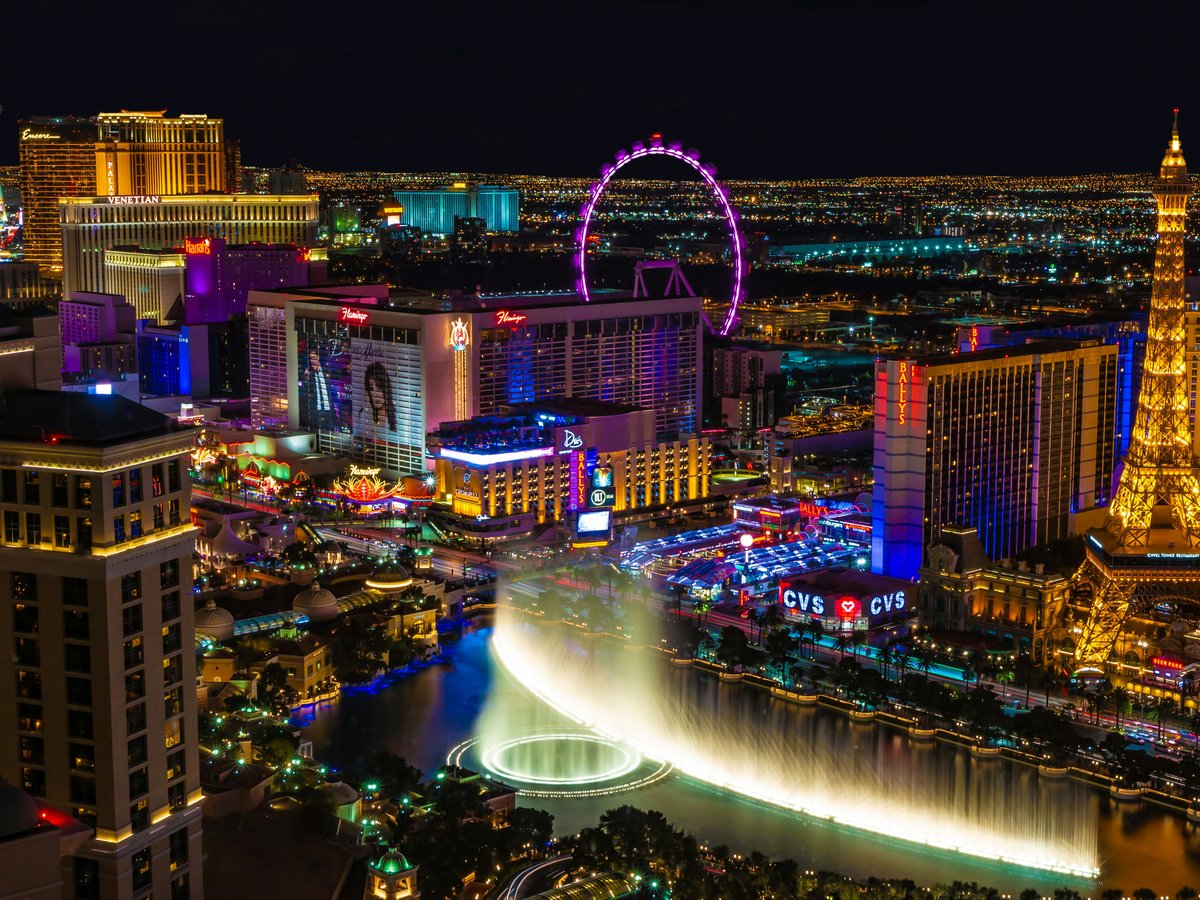
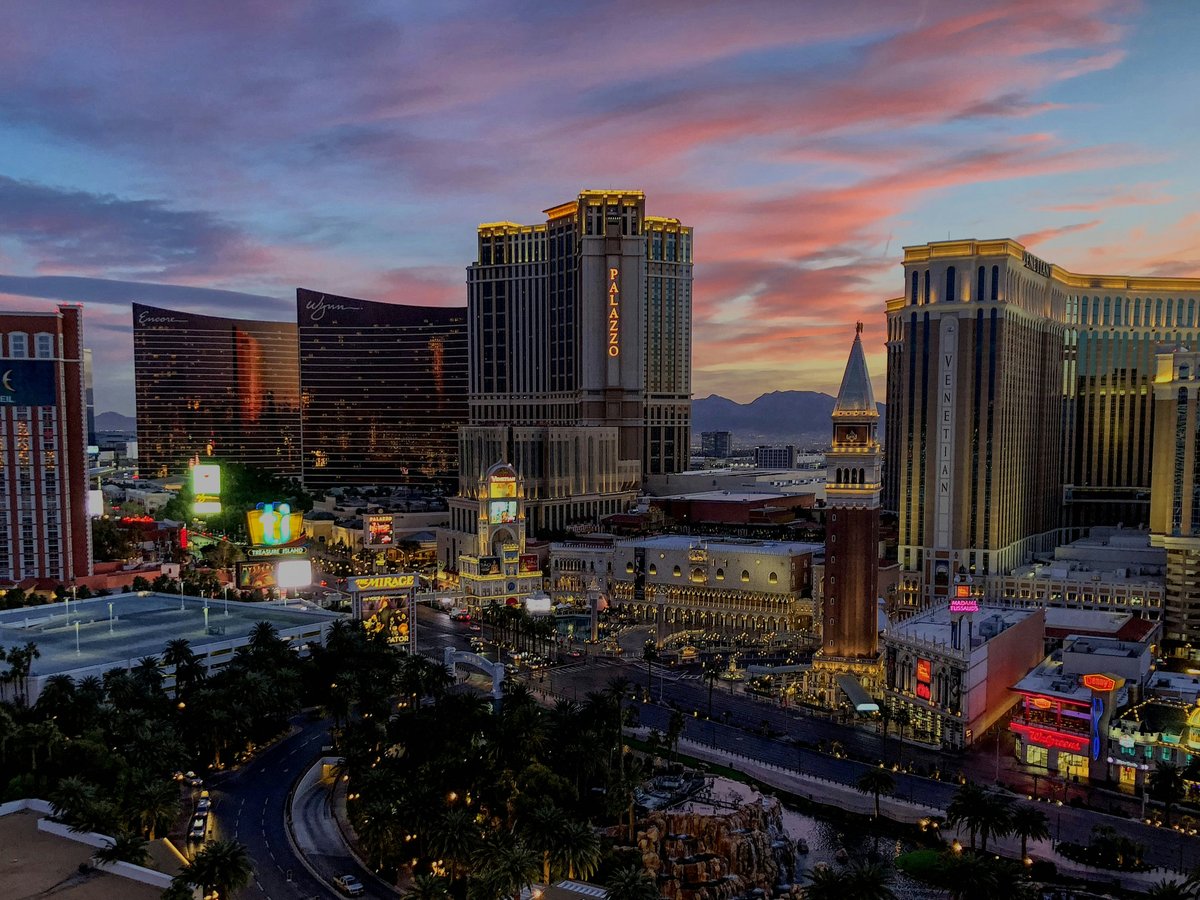
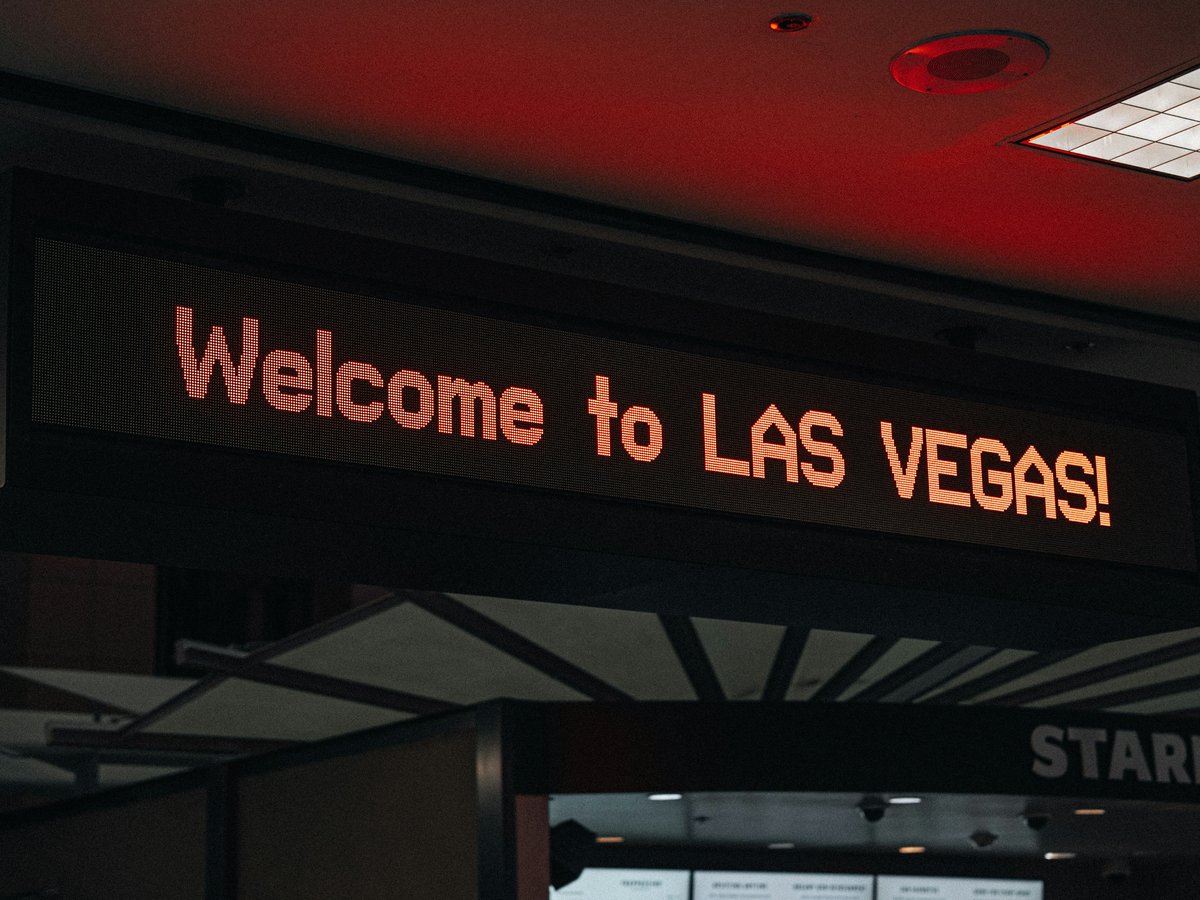
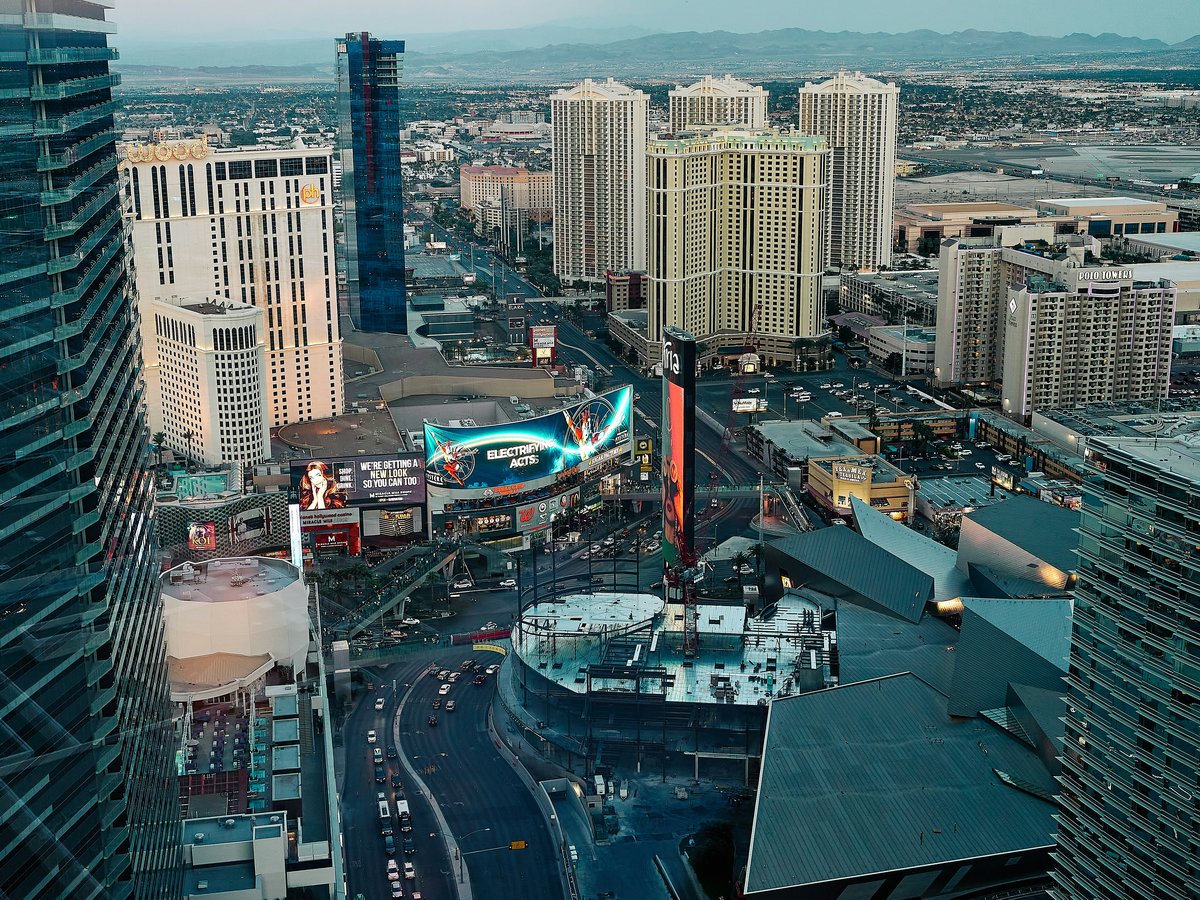
Las Vegas sits in the Mojave Desert at roughly 2,000 feet elevation, ringed by the Spring Mountains, and the fact that it exists at all is a kind of geological joke: a city of 641,000 that drinks from Lake Mead, a reservoir shrinking for two decades. The town started as a railroad watering stop in 1905, became a construction camp when Hoover Dam went up in the early 1930s, and legalized gambling the same year Nevada did, which set the trajectory for everything that followed. The Strip: a four-mile stretch of Las Vegas Boulevard that technically sits in unincorporated Clark County, not the city proper: is where most first-time visitors spend their time, moving between climate-controlled mega-resorts that each try to be a self-contained world. The reality of walking it in July, when pavement radiates 115-degree heat back at you and dry air turns your throat to paper within minutes, is something no photograph quite communicates. Downtown, centered on Fremont Street and the area locals call DTLV, runs older and weirder: neon signs dating to the 1950s, lower ceilings, cheaper table minimums, and a crowd that skews toward people who find the Strip exhausting rather than exhilarating. West of the Strip, Chinatown runs along Spring Mountain Road for several miles and holds one of the strongest pan-Asian restaurant corridors in the country, from Sichuan hot pot to Japanese izakayas that would easily hold their own in Los Angeles. The Arts District south of Fremont has converted enough warehouses into galleries and coffee shops to feel like a real neighborhood rather than a theme. A first visit works best when you treat the Strip as one experience among several and accept that the desert (Red Rock Canyon is twenty minutes from your hotel) is what makes this city possible and strange.
Las Vegas in photos
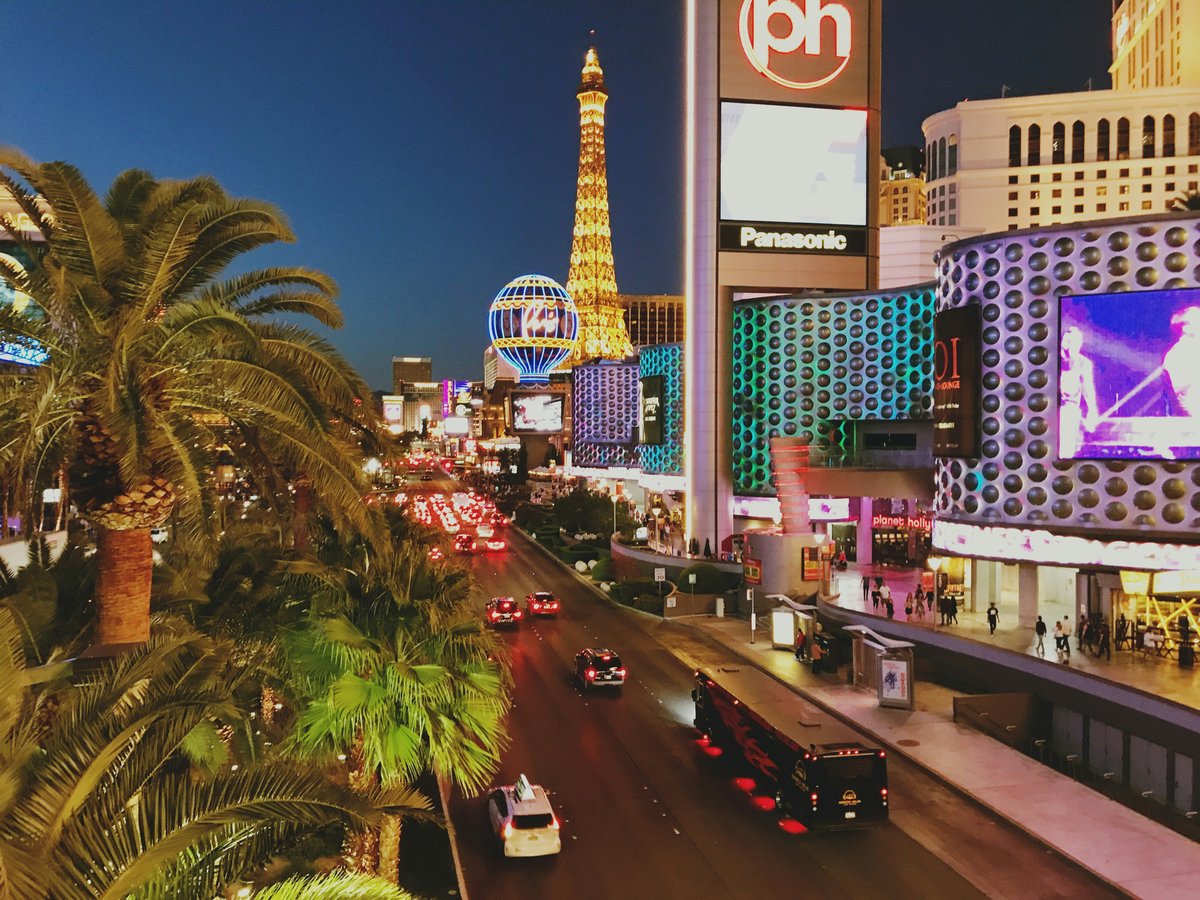
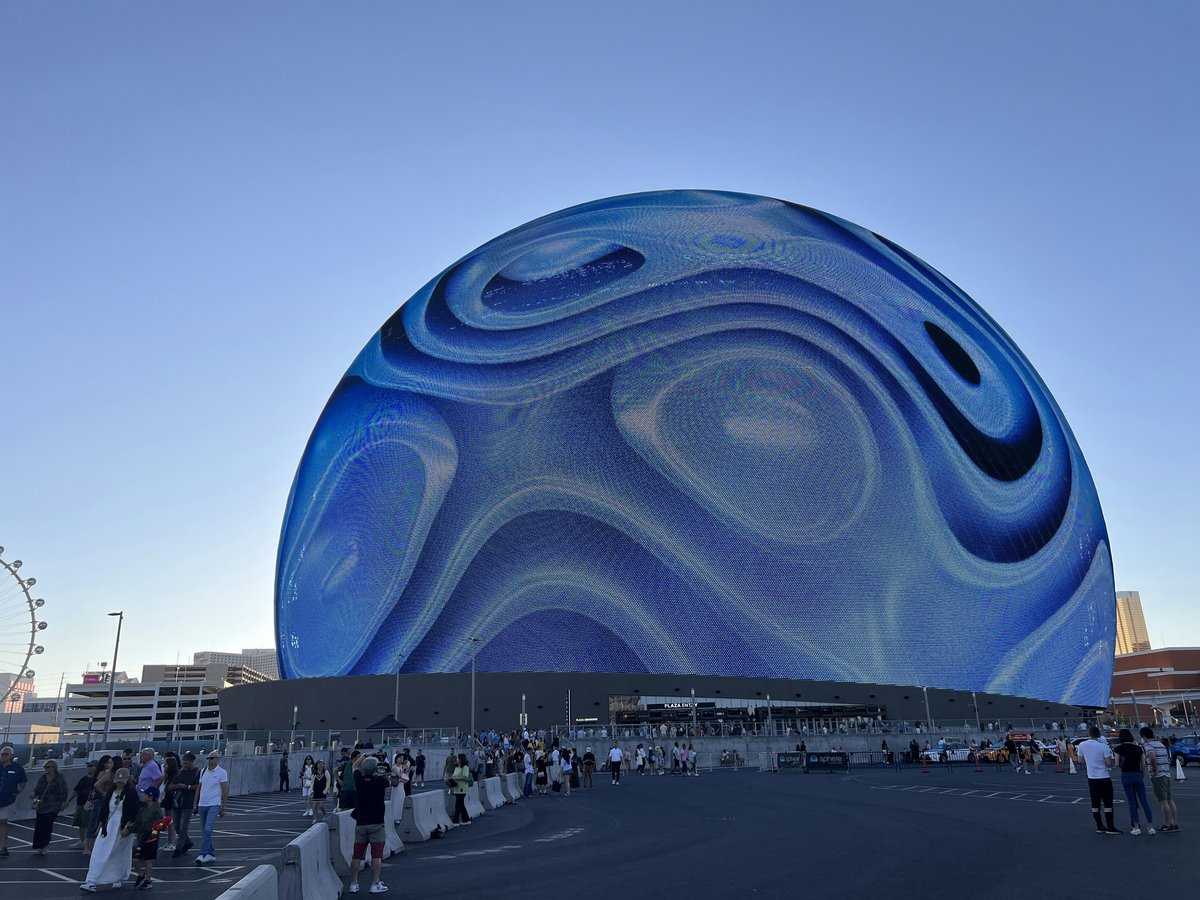
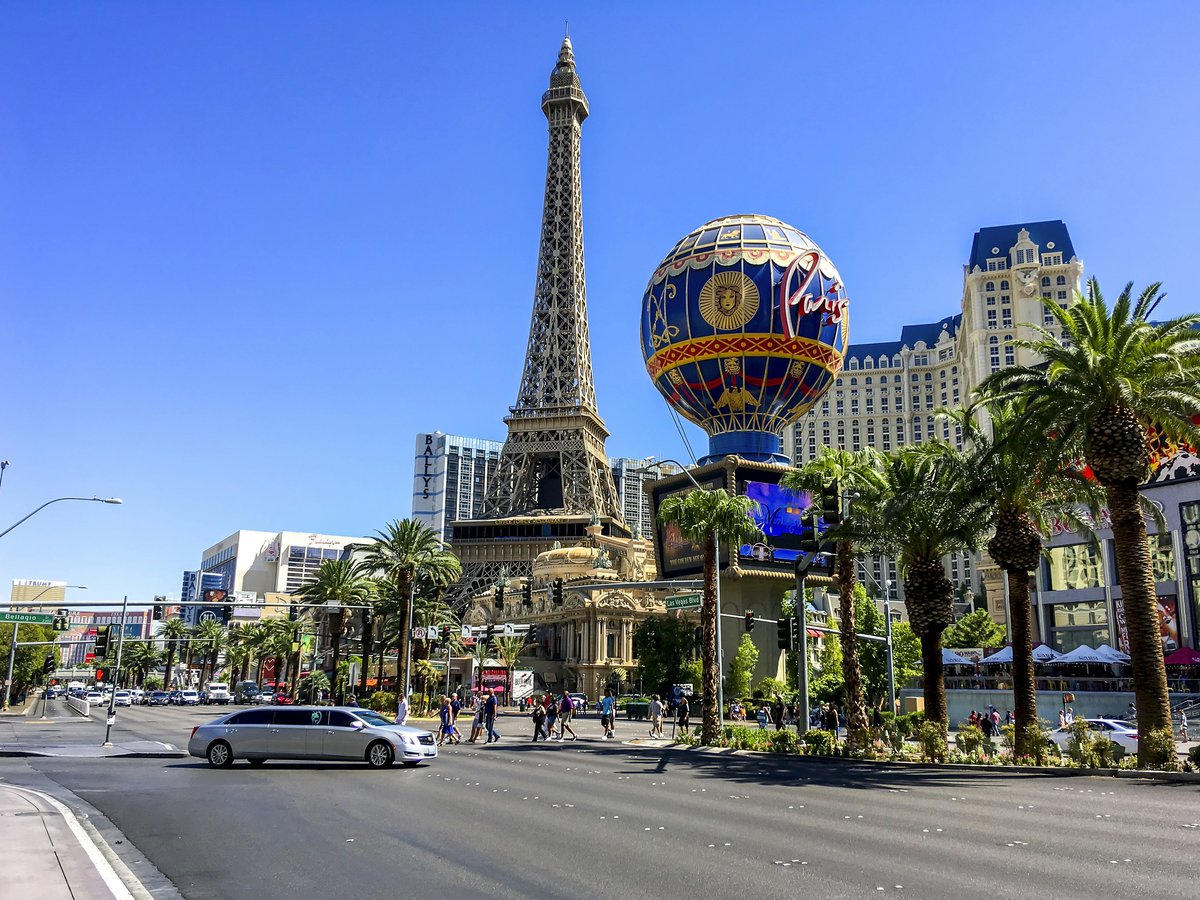
Las Vegas right now
Answers about Las Vegas
-
Airport to city
Harry Reid International Airport (LAS) sits about 2.5 miles south of the Las Vegas Strip. Take a rideshare (Uber or Lyft) for $15-25 and 10-15 minutes to most Strip hotels. Pickup is on Level 2 of the parking garage at both terminals. Taxis cost $5-10 more and carry a common long-haul scam risk.
Read the full answer → -
Best time to visit
Go in March, April, or mid-October to mid-November, when daytime highs run in the 70s and low 80s °F (21-28°C), the Strip is walkable at noon, and Red Rock Canyon is safe to hike. Skip June through August, when highs pass 104°F (40°C). Check the convention calendar before you book: one large trade show can triple a midweek room rate.
Read the full answer → -
Cost per day
Budget $65 (hostel dorm near the Strip, street tacos, walking), midrange $150 (off-Strip hotel after resort fees, two sit-down meals, one show), luxury $400+ (Bellagio suite, tasting menu, VIP access). Resort fees can nearly double a cheap room's price, and every major Strip property charges them.
Read the full answer → -
Cultural etiquette
Vegas runs on tips. Dealers, cocktail servers, valets, and housekeeping all expect them. At casino tables, don't touch your bet once cards are dealt, don't use your phone, and don't hand cash directly to the dealer. Place it on the felt. Nightclub dress codes are enforced at clubs like XS and Omnia. The rest of Vegas is casual.
Read the full answer → -
Best day trips
Valley of Fire State Park, 80 km northeast on I-15, is the best single-day trip from Las Vegas. It's a 50-minute drive with $10 entry, and the Fire Wave trail keeps hikers and photographers happy for 3 hours. Red Rock Canyon (27 km west, $15) works as a half-day. Mount Charleston sits 15°C cooler than the Strip. Hoover Dam rounds out the top picks at 48 km southeast.
Read the full answer → -
Digital nomads
Las Vegas scores 6.5/10 for digital nomads (sourced from TTDI's editorial rubric). Cox fibre hits 500 Mbps for $80/month, and off-Strip apartments in Summerlin or Henderson run $1,300-1,700/month. The catch is 5 months of 40°C-plus heat, total car dependency, and a thin nomad community. Monthly all-in budget sits around $2,800.
Read the full answer → -
Family-friendly
Las Vegas is more family-friendly than most visitors expect, with desert heat and casino smoke as the main caveats. Adventuredome at Circus Circus (open since 1993, fully indoor), Discovery Children's Museum, and the Shark Reef aquarium at Mandalay Bay work well for ages 3 to 12. Strollers handle the Strip's flat sidewalks fine. Budget $50 to $80 per kid per day for attractions.
Read the full answer → -
Food culture
Las Vegas eats in two parallel cities. The Strip runs on $300 omakase counters and celebrity-chef steakhouses from Gordon Ramsay and José Andrés. Spring Mountain Road, the 3-mile Chinatown corridor 10 minutes west, is where locals crowd into Korean BBQ joints and dim sum halls at 11pm on a Tuesday. The second city is better.
Read the full answer → -
Getting around
Uber and Lyft for everything beyond a 3-casino walking radius. The Strip stretches 4 miles, but pedestrian skybridges and casino-floor crossings double actual walking time. Summer daytime temperatures reach 40°C on the pavement. The Deuce bus runs 24 hours on Las Vegas Boulevard, $8 for a day pass. The monorail covers only the east side of the Strip and does not reach the airport.
Read the full answer → -
How to get there
Harry Reid International Airport (LAS) sits 8 km south of the Las Vegas Strip, with nonstop flights from most major US cities and select international destinations. Southwest, Spirit, and Frontier carry the bulk of budget domestic traffic. From Los Angeles, the 430-km I-15 drive takes 4 hours. Domestic round-trip fares average $200-400.
Read the full answer → -
Is it safe?
Las Vegas is safe for a careful solo visitor who stays on the Strip, which is lit, crowded and patrolled 24 hours a day between Mandalay Bay and Resorts World. Traffic on Las Vegas Boulevard, drink spiking at nightclubs, summer heat above 40°C, and quiet blocks east of Fremont Street after midnight are the real dangers. Call 911 in an emergency.
Read the full answer → -
Layover guide
Yes. Harry Reid International Airport sits roughly 2 miles south of the Las Vegas Strip. A rideshare to the mid-Strip takes 10 to 15 minutes and costs $15 to $25. Five hours is the realistic floor, factoring in security, transit both ways, and a 90-minute return buffer. Domestic connections can work in four hours since immigration is already cleared.
Read the full answer → -
LGBTQ-friendly
Las Vegas scores 9/10 for LGBTQ+ friendliness (sourced from TTDI's editorial rubric). Nevada recognized same-sex marriage before the federal ruling, and the Strip's major resorts have been openly welcoming for decades. The Fruit Loop district on Paradise Road anchors a year-round queer scene, with Pride filling October's calendar.
Read the full answer → -
Where locals go
Locals skip the Strip. Their mornings start at Vesta Coffee Roasters in the 18b Arts District, their late dinners land on Spring Mountain Road in Chinatown, and their drinks come from Frankie's Tiki Room or Atomic Liquors. Red Rock Canyon gets their early hours, well before the 8am timed-entry window opens. For karaoke, bowling and cheap beer, they head to off-Strip casinos like Ellis Island and South Point.
Read the full answer → -
Must-see
The Las Vegas Strip after dark. Walk south from The Venetian to the Bellagio, roughly a mile. The fountains fire every 15 minutes from 8pm, with jets reaching up to 460 feet in 28°C desert air. The Sphere, opened 2023, is the one structure worth booking a ticket for. The High Roller wheel gives the orientation view from 550 feet.
Read the full answer → -
Solo travel
Las Vegas scores a 6/10 for solo travel, reflecting a 5.8/10 solo-traveler safety floor (see the TTDI Solo-Safety Index). Hotels price by room, not by head, so there is no single supplement. The Strip is surveilled 24 hours, casino bars serve free drinks to anyone playing, and HI Las Vegas hostel fills its common room with strangers by 6pm.
Read the full answer → -
This week
Las Vegas this week hits 40°C by mid-morning, so the city tilts indoors. Pool parties and DJ residencies peak Friday through Sunday at Encore Beach Club and Wet Republic. The Sphere runs The Wizard of Oz most nights. Fremont Street's light show loops every hour after dark, when temperatures drop below 35°C.
Read the full answer → -
3-day itinerary
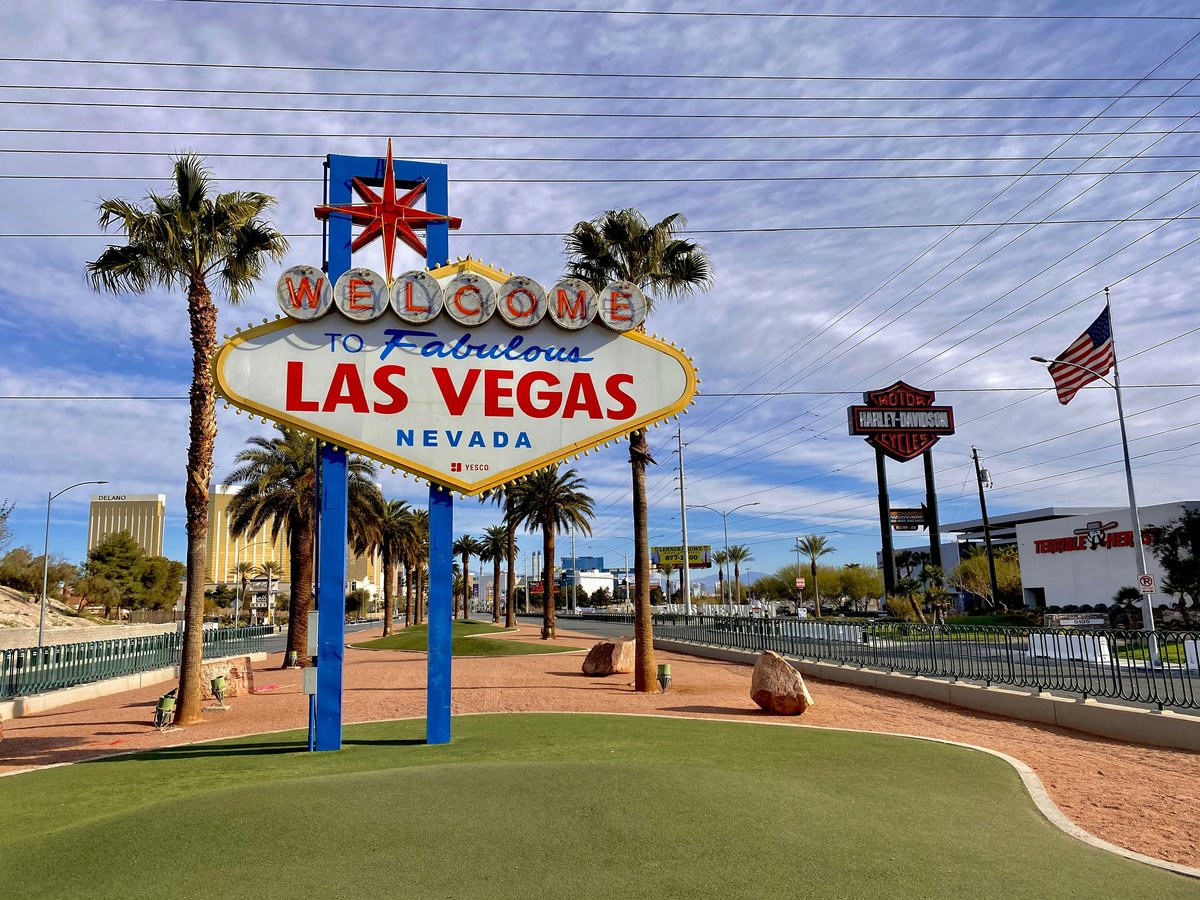
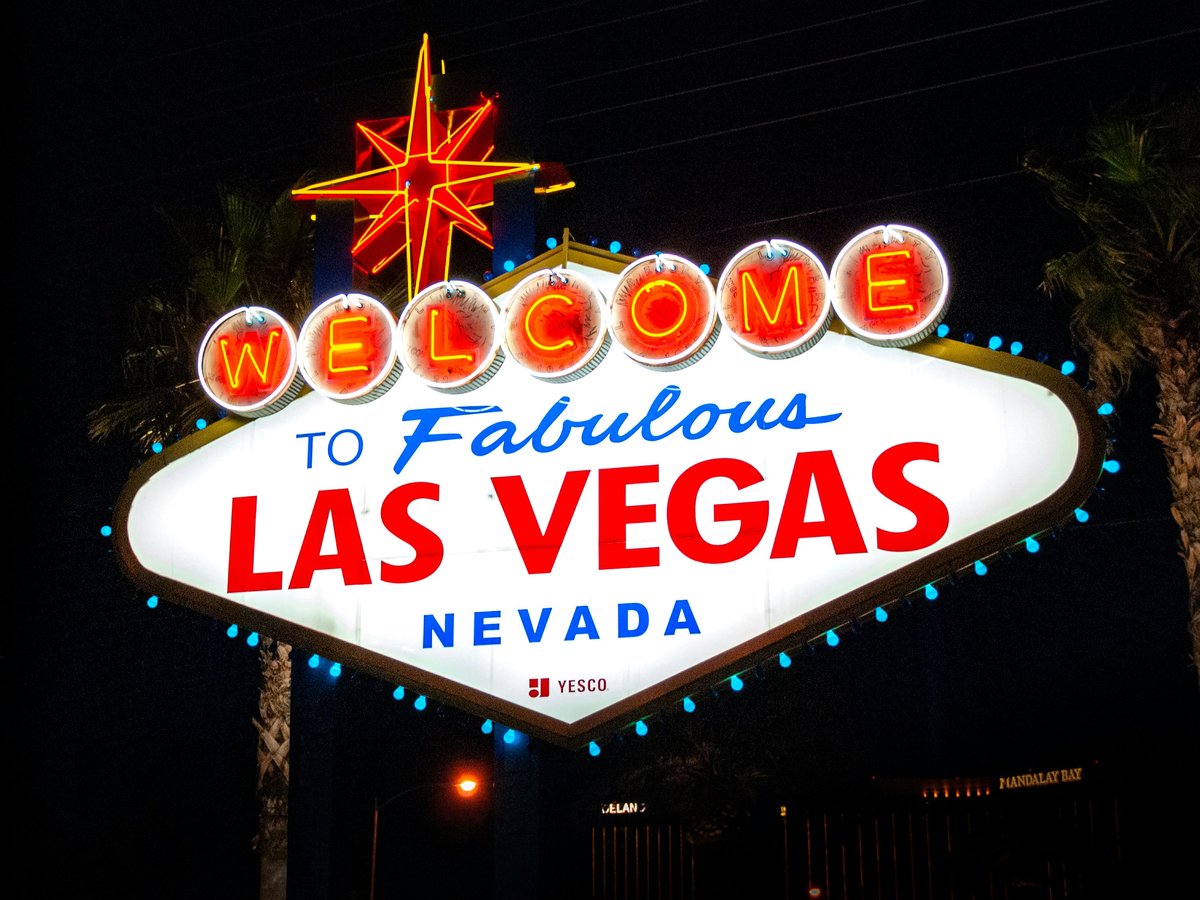
Day 1 walks the south Strip from the Welcome sign to the Bellagio fountains. Day 2 heads 6 km north to Fremont Street and the Arts District. Day 3 drives to Red Rock Canyon at dawn, then returns for the Sphere. Three geographic clusters, about 22 km of walking total.
Read the full answer → -
What to avoid
Three things to skip in Las Vegas. Don't walk the whole Strip, which looks short on a map and is not. Pass on the 6-to-5 blackjack and triple-zero roulette tables that fill the casino floors between Mandalay Bay and Wynn. And skip any Strip room priced without its resort fee, because the nightly total tends to run far higher.
Read the full answer → -
What to pack
Walking shoes rated for 8-10 miles of concrete daily, SPF 50 sunscreen, and a light layer for the 20°C swing between 43°C Strip sidewalks and 18°C casino floors. Las Vegas at 14% humidity cracks lips and sinuses within a day. Pack moisture-wicking fabrics, not cotton. Skip toiletries and buy them at the 24-hour CVS inside The Linq.
Read the full answer → -
Where to stay
Mid-Strip between The LINQ and Bellagio for a first visit. You're walking distance to 80% of what you'll want to see, and room rates run $120-200 on weekday nights. Downtown Fremont Street is the budget alternative at $50-90, with better food and fewer crowds, but a 15-minute rideshare from the main Strip attractions.
Read the full answer →
Deep guides for Las Vegas
Curated lists for Las Vegas
accommodation
-
Best boutique hotels
Las Vegas sorts itself into neighborhoods more cleanly than most visitors expect. The Strip is the obvious anchor: a corridor of megaresorts where room rates swing by hundreds depending on the night. South of it, Las Vegas Boulevard loses its neon and becomes a suburban road lined with extended-stay hotels and strip malls, trading spectacle for suite kitchens and free parking. East of the Strip, the convention district runs along Paradise Road, serving badge-wearing crowds with mid-rise chains at half the boulevard's rate. Henderson, the city's southeastern neighbor, scatters its hotel inventory across planned communities like West Henderson, Whitney Ranch, Green Valley Ranch, and Green Valley, each built around parks, grocery stores, and freeway on-ramps rather than casinos. Centennial Hills anchors the northwest, where new construction meets the desert edge. Bracken and Filipino Town occupy quieter pockets closer to the action but off the tourist map entirely. The question for any traveler is not whether Las Vegas has rooms; it is which version of the city you need on this trip. A family driving to Red Rock Canyon, a convention attendee walking to the LVCC, and a couple chasing a pool weekend will each land in a different neighborhood and barely cross paths. The areas below are ordered by hotel density, from the corridor everyone knows to the suburbs only the locals use.
See the picks → -
Best hostels
Las Vegas spreads its budget beds across corridors that feel nothing alike, and picking the right neighborhood matters more here than in most cities. The central Strip runs the highest floor prices even at the hostel end, while downtown Fremont Street and the blocks east of the boulevard drop rates sharply without losing walkable access to food and transit. Beyond the tourist core, suburban pockets like Centennial Hills and Meadows Village offer a different proposition: quiet residential streets, lower nightly costs, and the grocery stores and laundromats that long-stay travelers need. The tradeoff is distance from the neon. For hostel seekers specifically, true dorm-style inventory is thin in Las Vegas compared to Southeast Asian backpacker circuits. Most budget options here are casino-hotel rooms priced low enough to compete, which means you get a private room with a gaming floor attached rather than a shared bunk. Your common space is a casino lobby, not a hostel kitchen, and that shapes everything from the noise level to the crowd you meet. The neighborhoods below run from the densest hotel corridors to the quietest residential blocks, and the right choice depends on whether you came for the spectacle or the savings.
See the picks → -
Best luxury hotels
Las Vegas luxury runs on spectacle by default: towers stacked with pools, casinos, lounges, and restaurants, each competing to be louder than the last. But the city has a second register. South of the main cluster, the boulevard quiets down. West of it, in the suburbs, the desert takes over. The four properties on this list split across both registers, with nightly rates from USD 212 to USD 349. None of them are the obvious first booking for a first-time visitor. Each is the property that visitors return to after they've done the Strip once and decided what they want.
See the picks → -
Where to stay
Las Vegas sorts itself into neighborhoods more honestly than the marketing suggests. The central Strip corridor holds the marquee towers and the crowds that come with them, but travelers who look south toward the convention district, east past Paradise Road, or north to Fremont Street find rates that drop fast and rooms that stay quiet after midnight. Henderson and the northwest suburbs serve a different visitor entirely: families driving in, conference attendees who want a kitchen, anyone who needs a parking lot more than a pool cabana. Price tiers overlap in ways that reward attention; a budget room on the Strip proper can cost less than a mid-range suite in the suburbs, and the highest-rated properties are not always the most expensive. The city's hotel density peaks along Las Vegas Boulevard between Flamingo Road and the Sahara, thins through the convention corridor to the east, and drops to isolated clusters in the residential northwest. Where you sleep determines what version of Las Vegas you get, and the gap between the right neighborhood and the wrong one is wider here than in most cities.
See the picks →
attractions
-
Best museums
Las Vegas keeps its museums off the Strip's main pull, and that is the point. The city's best small institutions treat the town's own strange history as the subject worth curating: the neon that lit its first boom, the mob that ran its back rooms, the atomic tests that flashed over the desert, the burlesque circuit that trained its stages, the pinball and punk scenes that never asked the casinos for permission. Skip the wax-and-souvenir attractions inside the resorts; the museums below are run by people who care what happened here and want you to leave knowing it. Six of the seven sit within a short ride of downtown or the south end of Las Vegas Boulevard, which makes a two-day museum crawl an easy plan. This is a list for the traveler who wants Las Vegas explained by its own artifacts, not by a tour bus narrator, and who is willing to trade a headline show for an afternoon with the objects the city built itself around.
See the picks → -

Must-see attractions
Las Vegas is not shy about promoting its attractions, which means the real work is deciding what earns your time. This list spans a lot of ground: from a music and entertainment arena dating from 2023 at 255 Sands Ave to a neon sign dating from 1959, and from the Strip, open 24/7, to a state park on East Washington Avenue. Two of the entries are National Register of Historic Places listed places: the welcome sign and a wedding chapel dating from 1943. There is a theater dating from 1978, a Catholic cathedral dating from 1963, and a temple of The Church of Jesus Christ of Latter-day Saints in Sunrise Manor. The list works for first-timers after the big set pieces and equally for repeat visitors who suspect the city carries more history than its casino floors suggest. Pick three or four a day, mix the boulevard with the older addresses, and leave time to walk between them.
See the picks →
food
-
Best cafes
Las Vegas rewards a caffeine-first itinerary in ways the Strip never advertises. The city's better cafes cluster east of the tourist corridor along Fremont, Charleston, and Main, where roasters and diners open by 07:00 or 08:00 and keep serving locals long after the pool decks empty out. This list is for the visitor who has already done the resort brunch and wants a flat white made by someone who knows the beans, or a diner counter where the coffee refill is free and the eggs arrive before the second sip. It sequences accordingly: independent roasters and sit-down morning rooms first, then neighborhood coffee-and-sandwich shops that stretch into the afternoon, then the chain outposts worth knowing when you are on the west side or the freeway, and finally two bubble-tea counters for the afternoon detour. Every address, every service hour, every phone number below traces to a mapped record; nothing here is invented. Bring a car for the last six stops, and read the hours twice: several close by 15:30 or 16:00.
See the picks → -
Best restaurants
Downtown Las Vegas eats differently than the Strip. The twelve rooms below cluster along a walkable spine that runs from the Fremont East blocks around Carson Avenue down South Las Vegas Boulevard to the base of the Stratosphere tower, and they are what people who live in the 89101 and 89104 postal grids put on repeat. You will find a chef-driven small-plates room, a downtown pizzeria that stays open past 02:00 on weekends, a sandwich counter that closes at 16:00 because that is when the sandwiches run out, a Mexican dining room that has held its corner for years, and a steakhouse 800 feet up with a booking that is worth the elevator ride. Skip the casino-floor buffets and the theme-restaurant chains along the middle Strip; this list is for a visitor who would rather walk a few blocks, sit at a real counter, and eat where the address is doing some of the work. Hours, phones and street numbers are cited so you can build a day around them without guessing.
See the picks →
Browse by traveler type
- For foodies
Las Vegas for foodies
- For families with kids
Las Vegas for families
- For digital nomads
Las Vegas for digital nomads
- For solo travelers
Las Vegas for solo travelers
- For couples
Las Vegas for couples
- For budget travelers
Las Vegas on a budget
- For luxury travelers
Las Vegas for luxury travelers
- For first-timers
Las Vegas for first-time visitors
Book experiences in Las Vegas
 Free cancellation
 Grand Canyon West Hoover Dam Stop WiFi Lunch and Skywalk
Day trip: free cancellation.
via Viator Free cancellation
 Grand Canyon West, Hoover Dam Stop, Breakfast, Lunch & Skywalk
Day trip: 10.5 hours, free cancellation.
via Viator Free cancellation
 Award-Winning Lower Antelope Canyon & Horseshoe Bend Tour
Day trip: free cancellation.
via Viator Free cancellation
 Grand Canyon West Hoover Dam with WiFi and Lunch Options
Day trip: 10.5 hours, free cancellation.
via Viator Free cancellation
 Half-Day Emerald Cave Kayak Tour with Optional Hotel Pickup
Outdoor experience: free cancellation.
via Viator Free cancellation
 Grand Canyon West & Hoover Dam Tour With Breakfast At IHOP
Day trip: 11 hours, free cancellation.
via Viator
Grand Canyon Deluxe Helicopter Tour with Landing from Las Vegas
Outdoor experience: 2.5 hours.
via Viator Free cancellation
 Vegas: Bryce & Zion Luxury Boutique Scenic Tour with Lunch, WiFi
Day trip: 13 hours, free cancellation.
via Viator
Las Vegas Beginner ATV Tour with Safety Training
Outdoor experience: 1 hour.
via Viator Free cancellation
 Scooter Tours of Red Rock Canyon
Outdoor experience: 4 hours, free cancellation.
via Viator Free cancellation
 Red Rock Canyon eBike Half-Day Tour
Outdoor experience: 4.2 hours, free cancellation.
via Viator Free cancellation
 Los Angeles and Hollywood Small Group Day Tour from Las Vegas
Day trip: 14 hours, free cancellation.
via ViatorBrowse by interest
Find a flight to Las Vegas
Live fares to Las Vegas appear here once cookies are accepted.
Last verified by automated review (v1.7.2) on . What is automated review?