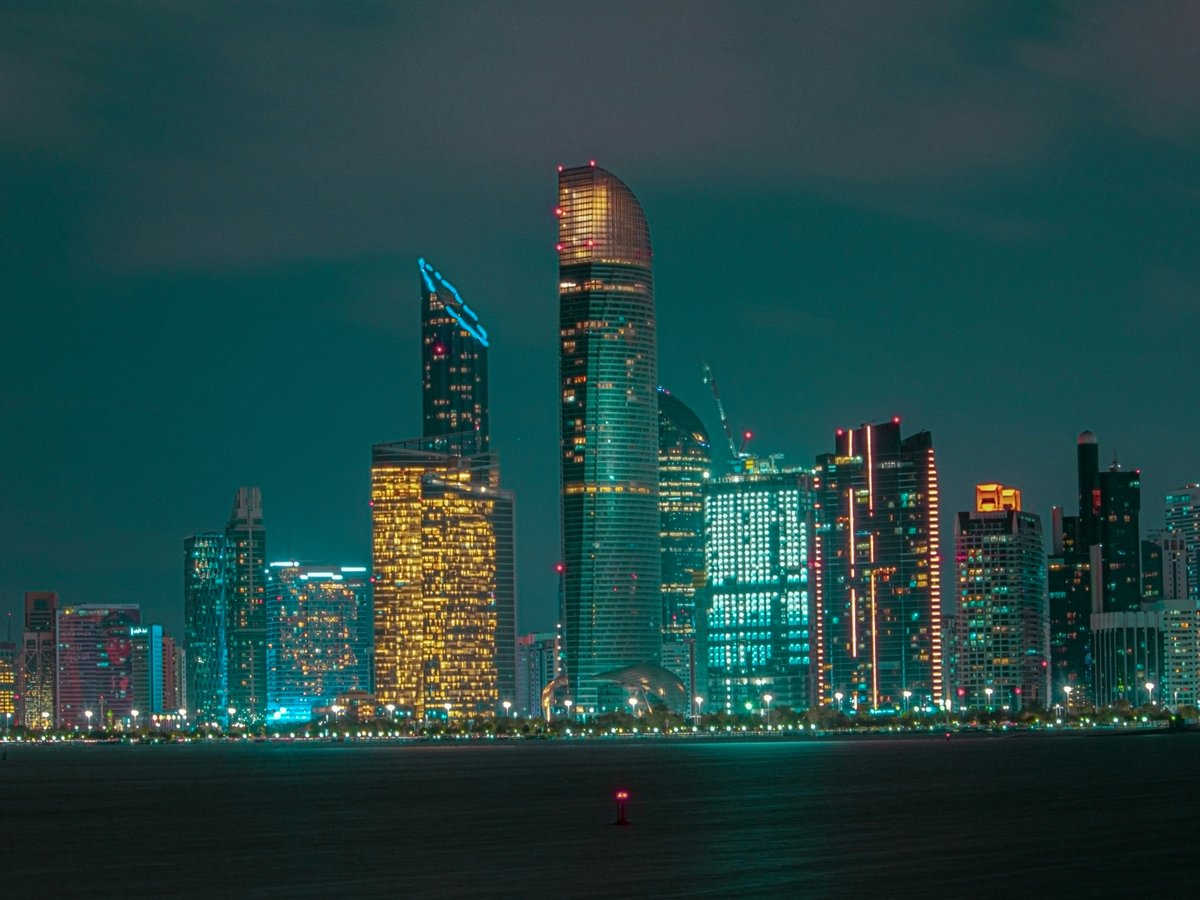
Abu Dhabi's shopping scene splits cleanly between two worlds. The marble-floored malls along the Corniche and on Al Maryah Island cater to a luxury crowd that treats Gucci and Cartier as weekly errands. Then there's the older city, where the Iranian Souk in Mina Zayed still smells of cardamom and machine oil, and where you'll find Filipino, South Asian, and Emirati traders selling goods that never see a department store shelf. Gold remains a genuine draw here. Abu Dhabi's gold souks operate on lower margins than Dubai's, and the UAE abolished import duty on gold in 2023, which pushed retail premiums down to roughly 2-5% over spot. The city also has a quieter carpet trade than its northern neighbor, with Afghan and Persian pieces still moving through Mina Zayed's warehouses at wholesale-adjacent prices. Worth noting, Abu Dhabi is not Dubai. The pace is slower, the crowds thinner, and the retail landscape feels less performative. Locals shop at Mushrif Mall and Al Wahda for everyday needs, and save the Galleria for occasions.
Shopping districts
-
Al Maryah Island (The Galleria)
luxuryAbu Dhabi's answer to the luxury mall district sits on its own island connected to the mainland by three bridges. The Galleria Al Maryah Island houses around 400 stores across two connected buildings, with the luxury wing holding Chanel, Louis Vuitton, Dior, and Bulgari. The waterfront promenade wraps around the south side. You'll hear fountain jets and smell salt air between the buildings. The crowd skews Emirati families on weekends and expat professionals on Thursday evenings. Mind you, the food hall on level 2 is genuinely good, not an afterthought.
Best for: High-end fashion, fine jewelry, luxury watches, and waterfront dining between shops
-
Yas Mall and Yas Island
mid-range to luxuryYas Mall opened in 2014 with around 370 stores and sits next to Ferrari World and the Etihad Arena. The tenant mix runs from Zara and H&M through to Harvey Nichols. It feels younger and louder than the Galleria. Families with children dominate on Fridays. The air conditioning hits you like a wall after the parking structure. There's a cinema, a bowling alley, and an indoor amusement park called Clymb with an indoor skydiving tunnel. The retail tends mid-range with luxury anchors.
Best for: Family shopping trips, mainstream fashion brands, entertainment between stores
-
Al Wahda Mall and Tourist Club Area
budget to mid-rangeAl Wahda sits near the old city center along Hazza Bin Zayed Street. The mall itself has around 350 shops, but the real draw is the surrounding streets. The Tourist Club Area (now officially Al Zahiyah) has independent electronics shops, tailors, phone repair stalls, and fabric stores lining Hamdan Street and Electra Street. The sidewalks get busy after 5pm. You'll smell shawarma from the restaurants wedged between storefronts. Prices here run 30-50% below mall retail for electronics and textiles.
Best for: Electronics, custom tailoring, everyday clothing, and street-level independent shops
-
Mina Zayed (Port Area)
budgetThe port district stretches along the waterfront north of the old city. This is where Abu Dhabi's traditional commerce still lives. The Iranian Souk, the carpet warehouses, the fish market, the dates market, and the plant souk all cluster within walking distance. The buildings are low, the signage is Arabic-first, and the clientele is mostly working-class expats and Emirati traders. Parking is chaotic. The smell of dried limes and burlap sacks of spices carries across the parking lots. Wholesale buyers come here for bulk textiles, household goods, and building materials.
Best for: Souks, wholesale goods, carpets, spices, traditional goods at local prices
-
Khalifa City and suburban malls
mid-rangeAbu Dhabi's residential sprawl south toward the airport has its own retail ecosystem. Khalifa City Mall, My City Centre Masdar, and the newer Reem Mall on Reem Island (opened 2022, roughly 450 stores) serve the suburban Emirati and expat population. Reem Mall has a snow park and a Carrefour hypermarket. These malls feel less touristy. The parking is easier. Prices match Al Wahda levels for most chains.
Best for: Everyday shopping without tourist crowds, hypermarkets, suburban convenience
-
The World Trade Center Mall and Al Markaziyah
mixedThe WTC Mall sits on the Corniche end of Hamdan Street, attached to the World Trade Center complex. It opened its renovation around 2014 and holds about 160 shops across 7 levels. The Souk at WTC on the lower floors tries to replicate traditional market architecture with vaulted ceilings and narrow lanes. You'll find perfume shops, abaya tailors, and gold dealers here alongside standard mall brands. The area outside, Al Markaziyah, has older commercial towers with ground-floor shops selling watches, perfumes, and traditional Emirati goods.
Best for: Traditional Emirati goods in a climate-controlled setting, perfumes, abayas, gold
Markets
-
Mina Zayed Iranian Souk
traditional soukA covered market of narrow lanes and small shops run primarily by Iranian and South Asian traders. The stalls sell household goods, textiles, toys, kitchenware, and cheap electronics. The lighting is fluorescent and the aisles are tight. Bargaining is expected and prices start at roughly double what the seller will accept. The souk has been earmarked for redevelopment multiple times since 2019, so its future is uncertain. Still operating as of early 2026.
Daily roughly 9am-1pm and 4pm-10pm, Friday mornings quieter
-
Mina Zayed Carpet Souk
specialtyA cluster of warehouses near the port where Afghan, Persian, Iranian, and Pakistani carpets are stacked floor to ceiling. Sellers will unroll dozens of pieces for you without pressure. Prices range from 200 AED for a small kilim to 50,000+ AED for antique Persian silk pieces. The quality varies enormously. If you know your knot counts and dye types, genuine deals exist here. The warehouses smell of lanolin and dust.
Saturday to Thursday roughly 9am-1pm and 4pm-9pm
-
Mina Zayed Fish Market
foodThe modern fish market building (rebuilt around 2016) sits near the dhow harbor. Fishermen offload catches from the Arabian Gulf each morning. You'll find hammour, kingfish, shrimp, crab, and seasonal catches laid out on ice. The building is clean by regional standards, with tiled floors and drainage channels. Upstairs restaurants will cook your purchase for a preparation fee of around 20-40 AED. The noise level is high before 8am when wholesale buyers negotiate.
Daily from roughly 6am, busiest 6-9am, some stalls close by 2pm
-
Mina Zayed Dates Market
food and souvenirA covered hall dedicated to dates from across the Gulf and North Africa. Khalas, Lulu, Fard, Barhi, Sukkari varieties fill boxes and bags. Sellers offer samples freely. Prices run from about 15 AED per kilo for common varieties to 80+ AED for premium stuffed dates. The sweetness in the air is immediate. October through January is peak season for fresh dates. Gift boxes are available for tourists.
Daily roughly 8am-10pm, busiest evenings and weekends
-
Al Ain Souk (day trip)
traditional heritage soukAbout 90 minutes east of Abu Dhabi city, Al Ain's restored souk near Al Ain National Museum sells traditional Emirati goods, frankincense, silver khanjar daggers, pottery, and local honey. The souk sits among date palms near the Al Ain Oasis (UNESCO site since 2011). It tends quieter than Mina Zayed and feels more authentically Emirati. The drive takes you through desert that shifts to green irrigated farmland.
Saturday to Thursday roughly 8am-12pm and 4pm-9pm
-
RIPE Market (seasonal pop-up)
artisan and foodAn outdoor community market that appears at various Abu Dhabi locations, often Umm Al Emarat Park or Khalifa Park, typically November through March when temperatures allow. Local vendors sell organic produce, artisan foods, handmade crafts, baked goods, and plants. The crowd is young families and health-conscious expats. Entry is usually free. Stall count tends to be 40-80 depending on the venue.
Seasonal, typically Saturday mornings November-March, check social media for dates
Souvenirs worth bringing home
Dates remain the most genuinely local gift from Abu Dhabi. Khalas dates from Al Ain are considered among the UAE's finest, and you'll find them packaged in wooden boxes at the Dates Market in Mina Zayed from about 30-80 AED per kilo depending on variety. Oud and bakhoor (woodchip incense) are deeply embedded in Emirati daily life. Local perfume houses like Swiss Arabian and Ajmal have roots in the Emirates and sell concentrated oud oils starting around 50 AED for small vials, though high-grade natural oud reaches thousands. Frankincense from Oman crosses the border freely and sells in Mina Zayed for about 20-50 AED per bag. Camel milk chocolate appeared as a UAE specialty product in the 2010s, with Al Nassma being the most recognized brand. Arabic coffee pots (dallah) in brass or copper make a distinctive gift, typically 40-150 AED depending on size and craftsmanship. Gold jewelry carries lower premiums in the UAE than most Western countries due to the 2023 duty removal, and the Al Zahiyah gold shops sell 18-24 karat pieces by weight plus a making charge. Woven palm-leaf baskets (khoos) from Al Ain represent a traditional Emirati craft that's still practiced. Saffron from Iran sells for about 60-100 AED per gram in Mina Zayed, well below European retail.
Practical tips
- Bargaining norms
- Bargaining is standard at Mina Zayed souks and independent shops in the Tourist Club Area. Start at roughly 40-50% of the asking price and meet somewhere around 60-70%. Mall stores have fixed prices. Gold shops negotiate on the making charge (the markup above gold weight value) but not the gold price itself, which tracks daily spot rates displayed in-store.
- Tax refund (Tourist Refund Scheme)
- The UAE charges 5% VAT on most retail purchases. Tourists can reclaim VAT on purchases of 250 AED or more per transaction through the Planet Tax Free system. Look for the Tax Free Shopping sticker in store windows. Keep receipts and your passport. Process the refund at the airport kiosk before check-in. The refund is typically 85% of the VAT paid (so about 4.25% of purchase price), minus a processing fee.
- Opening hours
- Mall hours in Abu Dhabi typically run 10am to 10pm Sunday through Wednesday, extending to midnight or later on Thursday through Saturday. During Ramadan, mall hours shift to open later (often 10am or noon) and close later (1am or 2am). The traditional souks in Mina Zayed follow a split schedule with a midday closure from roughly 1pm to 4pm, especially in summer when temperatures reach 45-50 degrees Celsius.
- Payment methods
- Card payments are accepted at all malls and most independent shops. Apple Pay and Samsung Pay work widely. Mina Zayed souk stalls often prefer cash, though many now have card machines. The currency is UAE Dirham (AED), pegged to the US dollar at 3.6725 AED per dollar since 1997. ATMs are everywhere. Some souk traders also accept Saudi Riyals or US dollars at slightly unfavorable rates.
- Summer shopping
- June through September, outdoor shopping is effectively impossible during daytime (temperatures regularly reach 48 degrees Celsius). Malls compensate with extended hours and aggressive sales. The Dubai Summer Surprises promotion extends into Abu Dhabi retailers, and you'll find 50-75% markdowns at many stores. The Abu Dhabi Summer Season typically runs late June through early September with mall-based events and raffles.
- Friday and prayer times
- Friday is the Islamic holy day. Most malls open at noon rather than 10am on Fridays. Prayer times (5 daily, each lasting about 15-20 minutes) do not close malls, but smaller independent shops and souk stalls may close briefly. The Mina Zayed area is quieter on Friday mornings. Saturday has replaced Sunday as the first working day since the UAE shifted its weekend to Saturday-Sunday in January 2022.
FAQ
Is shopping in Abu Dhabi cheaper than in Dubai?
Prices at chain stores and malls are identical across both cities since they carry the same tenants at the same pricing. Where Abu Dhabi tends cheaper is in the traditional markets and independent shops. Mina Zayed's carpet and gold dealers face less tourist traffic than Dubai's Deira Gold Souk, which can mean lower starting prices and more willingness to negotiate. Rent is generally lower in Abu Dhabi's older commercial areas, and some of that passes through to retail pricing on independent goods.
What are the best months for shopping sales in Abu Dhabi?
The main sale periods are the Abu Dhabi Shopping Festival (typically December-January), the summer sales running roughly late June through August, and Eid sales following Ramadan. January brings end-of-season clearance for winter stock. The 3-Day Super Sale (usually late May) offers steep discounts at participating malls. Black Friday promotions have been adopted by most UAE retailers since about 2017, running late November. Ramadan itself often brings evening promotions tied to iftar shopping culture.
Can I ship large purchases like carpets home from Abu Dhabi?
Yes. Most carpet dealers in Mina Zayed arrange international shipping and have done so for decades. They typically use DHL, Aramex, or sea freight depending on size and destination. Expect shipping costs of 200-500 AED for a single carpet to Europe or North America via air courier. The dealer handles export paperwork. For gold and jewelry, you carry it yourself and declare at your home customs if above duty-free thresholds. Dates and food items are generally fine in checked luggage, though some countries restrict agricultural imports.
Is the Mina Zayed area safe for tourists?
The area is safe in the physical security sense. Abu Dhabi has extremely low violent crime rates. That said, the port district is a working-class commercial zone, not a curated tourist experience. Streets are busy with delivery trucks, the signage is mostly Arabic, and you might be the only obvious tourist. The foot traffic is largely male South Asian laborers and Iranian traders during work hours. Women traveling solo report no safety issues but may feel conspicuous. The rebuilt fish market building is modern and well-lit.
Do Abu Dhabi shops accept foreign currency or only dirhams?
Most shops only accept UAE Dirhams. Some traders in Mina Zayed will accept US dollars or Saudi Riyals, but at exchange rates that favor the seller by 3-5%. Cards are the easiest option at mall stores since your bank handles conversion automatically. Exchange bureaus (Al Ansari Exchange, UAE Exchange) are in every mall and offer better rates than hotel desks. The dirham's dollar peg (3.6725 since 1997) means USD holders face no exchange rate risk.
What time do the souks in Mina Zayed close during summer?
Most Mina Zayed souk stalls follow a split schedule in summer. They open around 8-9am, close by 1pm when heat peaks, then reopen around 4-5pm and stay open until 9-10pm. Some food-related stalls (the fish market, dates market) open earlier, around 6am, and may not reopen for the evening session. The Iranian Souk's evening hours are the busiest time year-round. During Ramadan, the evening hours shift later, often 8pm to midnight or beyond.
Last verified by automated review (v1.7.2) on . What is automated review?