Is Saratoga Springs good for digital nomads in 2026?
Saratoga Springs scores 3.8/10 for digital-nomad suitability (sourced from TTDI's editorial rubric). One coworking space, Spectrum cable broadband topping around 200 Mbps, and racing-season rent spikes of 50-100% make multi-month stays expensive and logistically thin. The town works as a 2-week retreat in May-June or September-October, not as a long-term base.
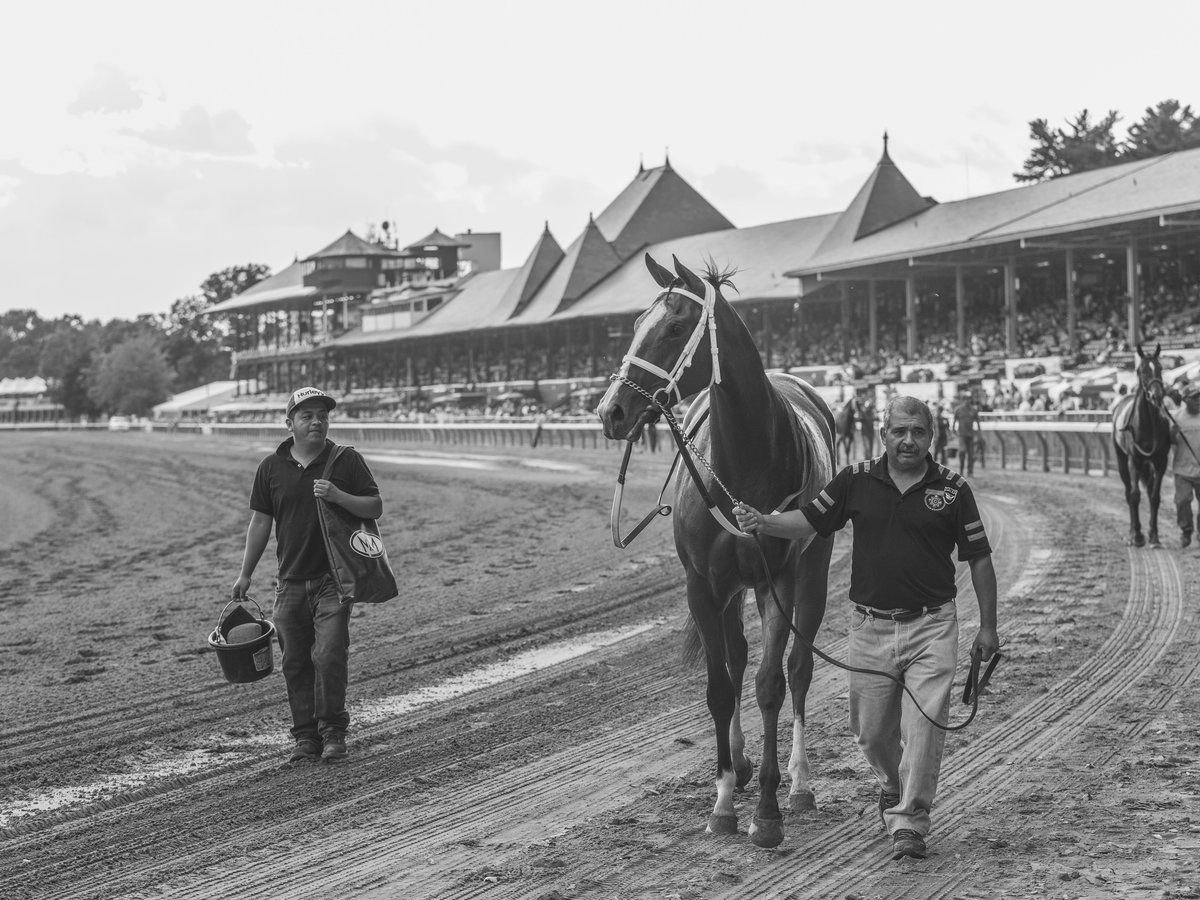
Saratoga Springs scores 3.8/10 for digital-nomad suitability (sourced from TTDI's editorial rubric), and the number is honest. The town has roughly 28,000 year-round residents, one dedicated coworking space, and Spectrum cable as the dominant ISP at around 200 Mbps in most residential listings. Fiber from Greenlight Networks has been expanding since 2023, but coverage remains patchy outside the downtown core on Broadway. Racing season runs late July through Labor Day at the Saratoga Race Course, founded in 1863, and short-term rental prices climb 50-100% during those 6 weeks. An Airbnb that lists at $1,400/month in April might reach $2,800 or more in August. If you're planning a multi-month stay, arrive in May or after Labor Day in September.
Saratoga CoWorks on Railroad Place is currently the only dedicated coworking option, with hot desks at $225/month and about 15 seats total. Uncommon Grounds on Broadway stays open until 10 PM and tolerates laptops, though the afternoon crowd between 2 and 4 PM gets loud enough that noise-cancelling headphones become necessary. The hiss of espresso machines at Uncommon Grounds fills the room by mid-morning. Saratoga Coffee Traders on South Broadway runs calmer but closes at 5 PM, which cuts afternoon sessions short. The Saratoga Springs Public Library on Broadway offers free wifi at around 50 Mbps and decent seating, though you'll hear every chair scrape on the tile floor during quiet hours. No 24-hour workspace exists in this town of 28,000, so late-night sessions depend on your rental's Spectrum connection.
For a month-plus stay, the blocks between Broadway and Circular Street offer the most walkable setup. Grocery runs land at Price Chopper on Route 50, about a 10-minute walk from downtown, or the smaller Fresh Market on Broadway. One laundromat, Saratoga Suds on Ballston Avenue, serves the whole town. The neighborhood around Skidmore College, half a mile north, tends to have cheaper monthly rentals at $1,200-1,600 in the off-season, because landlords target students who leave May through August. You'll smell pine resin drifting from Congress Park on morning walks. The mineral springs at Saratoga Spa State Park pump sulfur-tinged water that tastes like warm pennies. Worth noting, January averages drop to -8°C, sidewalks ice over, and the town empties out. The cold keeps rents low from November through March, but your social world shrinks to the bars on Caroline Street.
To be fair, Saratoga Springs has a pace that most nomad hubs can't match. You can walk the 4-block downtown in 15 minutes, grab a $14 fried chicken plate at Hattie's on Phila Street, and be back at your desk before your coffee cools. The Amtrak Ethan Allen Express runs to Penn Station in about 3 hours 20 minutes, so New York City weekend trips are practical at $45-65 each way. But the town lacks the redundancy nomads need past 2-3 weeks. No backup ISP if Spectrum drops. The YMCA on West Avenue charges $65/month with no day passes under $15. DoorDash and Grubhub cover Broadway restaurants but few places beyond. You'll need a car for anything past Broadway, and street parking fills during racing season, when 40,000 daily visitors descend on a town built for 28,000.
Composite of cafe + coworking download speeds and reliability.
Apartment, coworking membership, food, and transit at a comfortable level.
Coworking spaces
- Saratoga CoWorks (Railroad Place, hot desk $225/mo)
- Uncommon Grounds (Broadway, cafe with wifi, open until 10 PM)
- Saratoga Coffee Traders (South Broadway, closes 5 PM)
- Saratoga Springs Public Library (Broadway, free wifi ~50 Mbps)
Visa options
The US has no digital nomad visa. Visa Waiver Program (ESTA) covers 41 countries for 90 days with no extensions. B-1/B-2 tourist visas allow up to 180 days at officer discretion. Remote work for a non-US employer on either status occupies a legal gray area that CBP interprets inconsistently. The only clear long-term paths are employer-sponsored H-1B or O-1 extraordinary ability visas.
Last verified by automated review (v1.7.2) on . What is automated review?