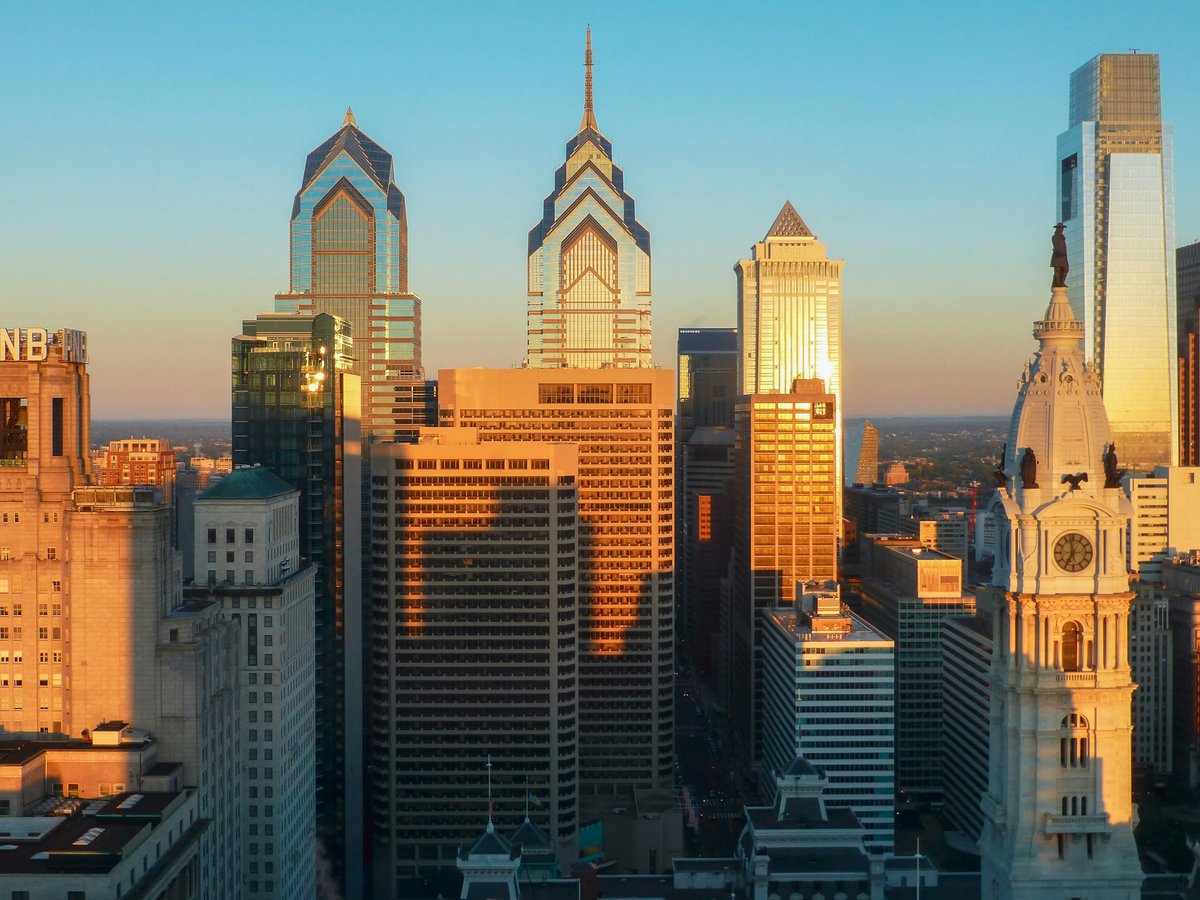
Philadelphia tends to get overlooked between New York and D.C., which is honestly part of the appeal. The city's nightlife runs on a 2 AM last call, Pennsylvania state law, and most bars fill their best hours between 10 PM and 1 AM on weekends. Philly drinks like a blue-collar town that went to art school. You'll find a cheap Yuengling lager at one end of a block and a carefully constructed clarified milk punch at the other. The after-work crowd still gravitates toward happy hours that start at 4 PM or 5 PM, especially along Rittenhouse Square and in Old City. Friday nights peak hard and fast. Saturday nights tend to build slower, with people eating later and heading out closer to 11 PM. Sundays are quieter but not dead, especially in neighborhoods like Fishtown where the service-industry crowd keeps things moving on their night off. Worth noting, Philadelphia's BYOB culture spills into the nightlife mentality. People here are comfortable being scrappy about a good time. The dress code at most spots leans casual, sometimes aggressively so. Sneakers and a clean shirt will get you into 90 percent of the city's bars without a second glance.
The Bar Scene in Philadelphia
Philadelphia's cocktail scene has been building steadily since the mid-2010s, concentrated in neighborhoods like Rittenhouse, Washington Square West, and Fishtown. The cocktail bars tend to run dark and quiet, low lighting, exposed brick, bartenders who take the craft seriously but skip the pretension. Cocktails in Center City cost noticeably more than in the surrounding neighborhoods. Fishtown spots often come in a bit lower. The speakeasy format has settled into Philly well. Several cocktail rooms operate behind unmarked doors or inside other businesses, a format the city seems to enjoy without taking too seriously. The dive bar tradition here might be the strongest on the East Coast outside of New York. Philly dives are not curated or ironic. They smell like stale beer and Pine-Sol. The jukebox is loud and the selections lean toward classic rock and 90s hip-hop. A Yuengling draft, brewed about 90 miles north in Pottsville, still costs less than you'd pay for a craft pint anywhere in Center City. Citywide Specials, a combination of a PBR tallboy and a shot of Jim Beam, remain a Philadelphia institution and one of the better cheap-drink deals on the East Coast. Rooftop bars concentrate in Center City and along the Delaware River waterfront. The seasonal ones typically open in late April or early May and close by mid-October. Expect longer waits on warm Friday evenings, sometimes 30 to 45 minutes after 9 PM. Mind you, the views from the higher Center City rooftops take in everything from the Benjamin Franklin Bridge to the Schuylkill River. The wine bar scene clusters in Rittenhouse, Graduate Hospital, and parts of East Passyunk. Natural wine has a foothold here. The crowd at Philly wine bars skews slightly older than the cocktail spots, often late 20s through 40s, and the rooms tend to be smaller and noisier than you'd expect. By-the-glass pours generally cost less than what you'd pay in Manhattan or D.C., though the gap has been narrowing.
Clubs and Late-Night Dancing
Philadelphia is not a bottle-service city. That culture never really took root here the way it did in Miami or Manhattan. The club scene runs more on local DJs, reasonable door prices, and a crowd that prioritizes the music over the scene. Cover charges at most dance nights stay modest compared to other major East Coast cities, though special events and holiday weekends push higher. Thursday through Saturday are the active nights. Electronic music has a strong presence, particularly house and techno, with roots going back to the 1990s warehouse scene along the Delaware waterfront. That tradition still echoes in the current underground parties that pop up in Kensington, Northern Liberties, and sometimes South Philadelphia warehouse spaces. You'll find event listings on Instagram and local promoter pages more reliably than on any single website. Hip-hop and R&B nights draw big crowds, especially in Center City and along South Street. The crowd tends to be younger, 21 to 30, and dress codes are more enforced at these events. Collared shirts for men, no excessively baggy clothing, closed-toe shoes. These rules vary by venue and promoter, so checking ahead saves you an awkward conversation at the door. Latin nights have been growing, particularly in North Philadelphia and parts of Center City. Salsa, bachata, and reggaeton each have their own dedicated weekly events. Things don't really get going at most clubs until 11:30 PM or midnight. The 2 AM last call pushes people out fairly abruptly, and the after-hours scene is limited compared to cities with later closing times. A handful of spots with dance-hall permits or private-event structures push past 2 AM, but they shift around and you'll need to know someone or follow the right accounts to find them.
Live Music After Dark
Philadelphia has been producing musicians since before American Bandstand broadcast from 46th and Market in the 1950s. The city's musical DNA runs through Gamble and Huff's Philadelphia International Records, the 1990s neo-soul movement anchored by The Roots and Jill Scott, and a punk and hardcore scene that's been grinding since the 1980s. The concentration of live music venues in Philly is dense for a city of 1.6 million people. Fishtown and Northern Liberties hold several rooms that book touring indie, punk, and experimental acts on any given weeknight. South Street and the surrounding blocks in Bella Vista still host blues and jazz on weeknights, often with no cover or a nominal door charge. Old City has a cluster of spots leaning toward jazz trios and singer-songwriters, particularly on Thursday and Friday nights. The jazz and soul tradition here runs deep. On any given Wednesday or Thursday, you can find a jazz quartet playing a late set that started at 10 PM in a room that holds maybe 60 people. The sound is warm and close. You can hear the drummer's brushes on the snare from across the bar. Punk and hardcore still have a loyal following. Shows happen in basements, VFW halls, and dedicated all-ages spaces scattered across West Philadelphia and Kensington. Doors open early, often 7 PM or 8 PM, and the headliner might be done by 10:30 PM. The sweat and volume in a packed 200-capacity room is something you feel in your chest. For bigger touring acts, the venues scale up quickly. The city has several mid-size rooms in the 1,000 to 3,000 capacity range that book national and international artists. Ticket prices for mid-tier touring acts tend to cost considerably less than comparable shows in New York, which is one reason Philly draws strong lineups relative to its size. Monday and Tuesday nights are the quietest for live music, though you can still find open mic nights and residencies in Fishtown and University City.
Nightlife neighborhoods
-
Fishtown
Converted-warehouse bars and music venues line Frankford Avenue. The crowd runs 25 to 35, creative-industry types mixed with longtime residents. Neon signs glow over narrow sidewalks, and you can hear live bands bleeding through doorways on most weekend nights.
- Best for
- Indie music fans, craft beer drinkers, and anyone who wants a full night without leaving a 6-block radius. Best on Friday and Saturday.
- Standouts
- Frankford Avenue between Girard and Palmer is the main strip. The cross streets hold smaller rooms and neighborhood dives.
-
Rittenhouse Square
Polished but not stiff. The after-work crowd fills happy hours by 5:30 PM, and by 10 PM the cocktail bars settle into a more relaxed rhythm. The sidewalk tables stay full on warm evenings, with the hum of conversation and clinking glasses carrying across the square.
- Best for
- Cocktail enthusiasts, date nights, and weeknight drinks. The happy hour scene here is among the city's best, especially Monday through Thursday.
- Standouts
- The blocks along 18th Street and Walnut Street hold most of the density. Sansom Street between Broad and 18th has a quieter row of wine bars and smaller rooms.
-
Old City
Cobblestone streets and brick facades between 2nd and 5th Streets give Old City a distinct feel after dark. The crowd skews toward late 20s and 30s on weekends, with a tourist presence that thins after 11 PM. Jazz and acoustic sets drift out of ground-floor windows.
- Best for
- Jazz fans, first-time visitors, and couples looking for walkable variety between bars, restaurants, and live music on a single night out.
- Standouts
- 2nd Street and 3rd Street between Market and Race hold the densest cluster. Chestnut Street has a few more tucked below the main drag.
-
East Passyunk
South Philly's dining corridor doubles as a low-key nightlife strip after 10 PM. The avenue curves from Broad Street southeast, and the bars here tend toward neighborhood warmth. You'll smell wood-fired pizza and hear laughter spilling onto the sidewalk from open doorways.
- Best for
- Wine drinkers, people who want to eat well before drinking, and anyone who prefers a mellower pace. Best on Thursday through Saturday.
- Standouts
- East Passyunk Avenue between Broad Street and Dickinson Street is the main stretch. The Italian Market area a few blocks north adds a couple of late-night options.
-
Northern Liberties
Sits between Fishtown and Old City, both geographically and in personality. The bars here lean slightly more polished than Fishtown but stay relaxed. The 2nd Street corridor hums with foot traffic on weekends, and you'll catch the thump of bass from basement DJ sets as you walk past.
- Best for
- People who want Fishtown energy with slightly easier parking and shorter waits. Good for groups of 4 to 6 who want options within walking distance.
- Standouts
- 2nd Street and 3rd Street between Germantown Avenue and Spring Garden Street form the core. A few spots on Fairmount Avenue round out the area.
Safety after dark
Stick to well-lit, populated streets when walking between bars, particularly in neighborhoods like Fishtown and Northern Liberties where the blocks between nightlife corridors can get quiet fast. SEPTA's Broad Street Line and Market-Frankford Line run until about midnight on weeknights and roughly 1 AM on weekends, but service thins considerably after 11 PM. Rideshare is the default late-night transport for most locals. Surge pricing tends to spike right at 2 AM when last call empties bars across the city, so leaving 15 to 20 minutes early or waiting 30 minutes can make a difference. Keep your phone in a front pocket in crowded venues, especially on South Street and in Old City on weekend nights. Philadelphia has a robust tap-water culture, so asking for a glass of water between drinks at any bar is standard and expected.
Practical tips
- Last call and hours
- Pennsylvania law sets last call at 2 AM. Most bars stop serving by 1:45 AM and begin clearing the room. Kitchens at bar-restaurants typically close between 10 PM and 11 PM, so eat before you go out or plan around the late-night food trucks along South Street and in University City.
- Cash and cards
- Most Philadelphia bars accept cards, but a handful of older dives in South Philly and Kensington are still cash-only. Carrying a small amount of cash saves you a trip to the ATM at the back of the bar, which often charges a fee.
- Tipping
- Standard tipping at Philadelphia bars is at least a dollar per beer or 18 to 20 percent on cocktails. Bartenders here remember faces, and tipping well on your first round tends to get you faster service for the rest of the night.
- Getting around
- The Broad Street Line runs north-south through Center City and connects to neighborhoods like Fishtown (via transfer at Berks) and South Philadelphia. Rideshare wait times in Center City on weekend nights typically run 5 to 10 minutes. Parking in Fishtown and Northern Liberties fills up by 9 PM on Fridays and Saturdays.
- Dress code
- Philadelphia bars and clubs lean casual. Sneakers, jeans, and a decent shirt will get you into the vast majority of spots. The exceptions are a few upscale cocktail lounges in Rittenhouse and some hip-hop nights in Center City that enforce collared shirts and closed-toe shoes for men.
FAQ
What time does nightlife start in Philadelphia?
The after-work happy hour crowd fills bars by 5 PM on weekdays, but the real nightlife energy picks up around 10 PM on Fridays and closer to 11 PM on Saturdays. Weeknight shows and events often start earlier, around 8 PM or 9 PM.
Is Philadelphia nightlife expensive compared to other East Coast cities?
Philadelphia is notably cheaper than New York or Washington D.C. for a night out. Drinks at dive bars and neighborhood spots cost significantly less than comparable places in Manhattan, and cover charges at clubs and music venues tend to stay reasonable. Fishtown and South Philadelphia are generally the most affordable neighborhoods for going out.
What neighborhoods are best for bar-hopping on foot?
Fishtown along Frankford Avenue, Rittenhouse Square in Center City, and Old City between 2nd and 5th Streets all offer dense clusters of bars within easy walking distance. East Passyunk in South Philadelphia is another strong option, especially if you want to mix dining and drinking.
How do you get home late at night in Philadelphia?
Rideshare apps are the most common option after midnight. SEPTA subway lines run until about 1 AM on weekends, but bus service drops off significantly after 11 PM. Taxis are available in Center City but harder to flag in outer neighborhoods. Leaving 15 minutes before last call at 2 AM helps you avoid the worst rideshare surge.
Are there after-hours spots in Philadelphia?
The 2 AM last call under Pennsylvania law limits the late-night scene compared to cities like New York. A few venues with special permits or private-event structures operate past 2 AM, but they tend to shift locations and are best found through local Instagram accounts and word of mouth rather than published listings.
Last verified by automated review (v1.7.2) on . What is automated review?