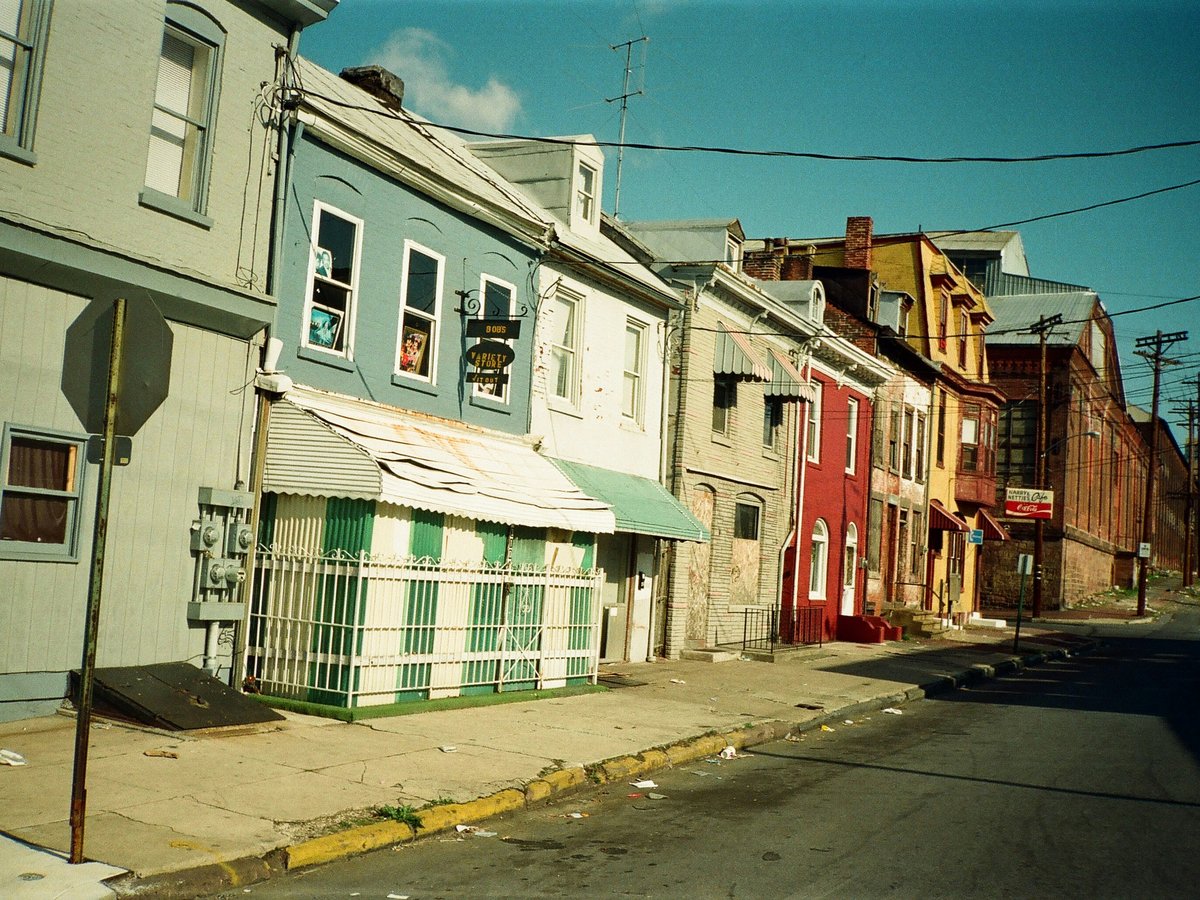
Louisville's shopping identity leans heavily on bourbon, horses, and a stubborn streak of local pride that keeps independent stores alive in neighborhoods where chain retail might otherwise take hold. The city has roughly 5 major shopping corridors, each with a distinct personality, and most of the interesting buying happens away from the malls. Bourbon is the obvious souvenir, but Louisville Stoneware has been making pottery here since 1815, and the local bat-making tradition at Louisville Slugger still turns out wooden bats on West Main Street. You'll find a city where the vintage shops tend to smell like old leather and cedar, where the food halls carry local sorghum and beer cheese, and where the best shopping days might be a Saturday market in a converted warehouse district. Worth noting, Louisville's retail scene has been shifting east and south over the past decade, with NuLu and the Highlands pulling foot traffic that once belonged to downtown department stores.
Shopping districts
-
NuLu (East Market District)
mid-range to upper-midNuLu runs along East Market Street between Shelby and Clay, roughly 6 blocks of converted warehouses and Victorian storefronts. The neighborhood took shape in the early 2010s and still has that polished-but-not-slick feel. Boutiques here tend toward curated home goods, local jewelry, and small-batch leather work. The sidewalks are brick in places, and on warm afternoons the smell of coffee drifts out of open shop doors. Prices sit above average for Louisville, though this is not Rodeo Drive. Handmade ceramics vary depending on the maker, but the general range sits below what you'd pay in comparable neighborhoods in Nashville or Cincinnati. The crowd skews younger, late 20s to early 40s, and weekend foot traffic picks up noticeably after 11 a.m.
Best for: Local artisan goods, boutique clothing, home decor, gallery browsing
-
Bardstown Road and the Highlands
budget to mid-rangeBardstown Road stretches south from Broadway through the Highlands for nearly 2 miles, and it has been Louisville's bohemian commercial strip since at least the 1970s. The shops here are eclectic in the truest sense. Vintage clothing stores sit next to used bookshops, record stores, and the occasional crystal-and-incense place. The buildings are older, some with creaky wooden floors and hand-lettered window signs. It tends to feel a bit worn in, which is the point. You might catch the faint sound of someone busking near Baxter Avenue on a Saturday. Prices are generally affordable along the whole Bardstown Road corridor, with vintage finds priced for browsing rather than deliberation. Local art prints from Louisville makers tend toward the kind of pricing that encourages impulse buying. The Highlands still draws a mix of college students from nearby Bellarmine and U of L alongside longtime neighborhood residents.
Best for: Vintage clothing, vinyl records, used books, eclectic local shops
-
Frankfort Avenue
budget to mid-rangeFrankfort Avenue in Crescent Hill runs roughly from the Pope Street area east past Stilz Avenue, about a mile of storefronts that lean toward antiques, consignment, and neighborhood retail. The avenue has a quieter, more residential feel than Bardstown Road. Antique shops here carry everything from mid-century modern furniture to old Kentucky stoneware, and prices can be reasonable if you know what you're looking at. Pressed-glass pieces and vintage ceramics tend to be priced well below what similar items fetch in larger antiques markets. The strip also has a handful of locally owned gift shops and a few galleries. Foot traffic is lighter on weekdays, and some shops keep shorter Tuesday-through-Saturday hours.
Best for: Antiques, consignment finds, mid-century furniture, neighborhood gift shops
-
West Main Street and Museum Row
mid-range to upper-midWest Main Street downtown, between 7th and 10th Streets, sits in Louisville's old Whiskey Row district. The cast-iron facades have been restored, and the block now holds the Louisville Slugger Museum gift shop, the Frazier History Museum store, and a cluster of bourbon-focused retail. This is where most visitors end up buying their souvenir bottles and Derby gear. The Louisville Slugger Museum lets you watch bats being turned on lathes before you hit the shop. Bourbon barrel heads, branded glassware, and Kentucky-made leather goods fill the storefronts. Expect tourist pricing on some items, particularly the branded glassware and gift sets that lean toward the upper end of what you'd call reasonable.
Best for: Bourbon souvenirs, Louisville Slugger merchandise, Kentucky-themed gifts
-
Oxmoor Center and Mall St. Matthews
mid-range to upperThese two malls sit about half a mile apart near Shelbyville Road in St. Matthews, Louisville's main suburban retail corridor. Oxmoor Center is the more upscale of the two, anchored by national department stores. Mall St. Matthews tends toward a broader mid-range mix. If you need a national brand or standard mall shopping, this is the area. The surrounding Shelbyville Road strip adds big-box stores and chain restaurants. It is functional, not charming. The parking lots fill up on weekends, and the area sees heavy traffic during the Kentucky Derby Festival in late April and early May.
Best for: National brand retail, department stores, practical shopping
-
South Louisville and Preston Highway
budgetPreston Highway and the surrounding blocks south of the Watterson Expressway hold Louisville's most diverse retail corridor. Vietnamese, Mexican, Bosnian, and East African shops line the road, and you can find imported goods, fabrics, and specialty groceries that do not exist elsewhere in the city. The Bosnian bakeries sell fresh burek at prices that feel almost unreasonably cheap, and the Vietnamese grocery stores carry fresh herbs and sauces in bulk. The area does not look like a shopping district in any conventional sense. Strip malls, modest signage, parking lots. But the variety of goods is genuinely unusual for a mid-sized American city. Louisville resettled over 70,000 refugees between the 1970s and 2020s, and this corridor reflects that history.
Best for: International groceries, imported goods, specialty fabrics, affordable global food shopping
Markets
-
Logan Street Market
food hallLogan Street Market opened in 2019 in the Shelby Park neighborhood on Logan Street, a permanent indoor food hall with roughly 20 vendors under one roof. The vendors rotate, but you'll typically find local coffee roasters, a butcher counter, a cheese shop, and a few prepared-food stalls. The building is a converted industrial space with high ceilings and concrete floors, and it stays cool even in Louisville's humid July heat. Saturday mornings draw the biggest crowds. Some vendors sell packaged Kentucky-made goods like sorghum, hot sauce, and small-batch pickles that pack well for travel.
Tuesday through Sunday, hours vary by vendor, typically 8 a.m. to 6 p.m.
-
Flea Off Market
fleaFlea Off Market sets up in the NuLu area, usually in a parking lot or open space along East Market Street. It runs monthly from roughly April through November on a Saturday, drawing 50 to 80 vendors on a good day. The mix leans toward vintage, handmade, and local art, with some antique dealers and plant sellers thrown in. The smell of kettle corn tends to hang over the whole event. Prices are negotiable at most booths, which is unusual for Louisville retail. Vintage denim and old Kentucky Derby memorabilia seem to be the consistent draws. The crowd is relaxed and browsing-heavy, and you'll likely hear a local musician set up near the entrance.
One Saturday per month, typically April through November, check their social media for exact dates
-
Bardstown Road Farmers' Market
farmers marketThis seasonal market sets up on Bardstown Road near Longest Avenue on Saturday mornings from May through October. It is smaller than some of the region's farmers' markets, maybe 20 to 30 vendors on a typical Saturday, but the quality of the produce leans local and seasonal. Kentucky-grown tomatoes in August, pawpaws in September if you're lucky. You'll also find honey, goat cheese, and baked goods from vendors who tend to show up week after week. The whole thing wraps up by early afternoon.
Saturdays, May through October, morning hours
Souvenirs worth bringing home
Bourbon is the default Louisville souvenir, and you can find local distillery bottles along Whiskey Row on West Main Street and at shops throughout the city. Louisville Stoneware, made in the city since 1815, offers pottery in distinctive patterns that have become a quiet Kentucky tradition. Louisville Slugger bats, either miniature display models or full-size game bats, ship well and come from the factory on West Main. Beyond the obvious picks, look for Kentucky-made sorghum, local hot sauces from small producers, Muth's Candies hand-dipped bourbon balls from East Market Street, and Derby-themed prints from local artists. Beer cheese spread, a central Kentucky staple, travels well in jars and appears at Logan Street Market and specialty grocers around town.
Practical tips
- Sales tax
- Kentucky charges a 6% state sales tax on most retail purchases, with no additional city or county tax in Louisville. Clothing is taxed. There is no tax-free shopping program for international visitors.
- Store hours
- Most independent shops in NuLu, the Highlands, and Frankfort Avenue open between 10 and 11 a.m. and close by 6 p.m. Monday hours are hit or miss. Malls and chain stores keep longer hours, typically 10 a.m. to 9 p.m. During Derby week in late April and early May, some shops extend hours and stock Derby-specific merchandise.
- Payment methods
- Credit and debit cards are accepted nearly everywhere, including most farmers' market and flea market vendors. A few of the smaller antique dealers on Frankfort Avenue still prefer cash, and cash tends to help at flea markets if you're negotiating.
- Getting around shopping areas
- NuLu and West Main Street are walkable from each other, roughly a 15-minute walk. Bardstown Road and Frankfort Avenue each require a car or rideshare from downtown. Preston Highway in South Louisville is car-dependent with limited sidewalk infrastructure. Free parking is available on side streets in most neighborhoods, though NuLu meters apply on weekdays.
FAQ
What are the best local souvenirs to buy in Louisville?
Louisville Stoneware pottery, Louisville Slugger bats, and locally distilled bourbon are the three most distinctive options. For food gifts, Muth's Candies bourbon balls from East Market Street and Kentucky-made sorghum from Logan Street Market vendors travel well. Derby-themed art prints from local makers also tend to be popular with visitors.
Is bargaining common at Louisville shops and markets?
Bargaining is not typical at brick-and-mortar shops in Louisville. However, at Flea Off Market and some of the antique dealers on Frankfort Avenue, polite negotiation is generally expected and welcomed. Farmers' market prices tend to be fixed.
Where should I shop for bourbon in Louisville?
West Main Street along Whiskey Row has the densest concentration of bourbon retail, including shops attached to the Louisville Slugger Museum and the Frazier History Museum. Liquor stores throughout the city, particularly in the Highlands and St. Matthews, often carry allocated Kentucky bourbon bottles that might be harder to find in the tourist-facing shops downtown.
When is the best time of year to shop in Louisville?
The Kentucky Derby Festival in late April and early May brings Derby-specific merchandise to shops citywide, though crowds and prices both rise during that period. The Flea Off Market season runs April through November. For calmer browsing with full store availability, September and October tend to be comfortable and well-stocked.
Last verified by automated review (v1.7.2) on . What is automated review?