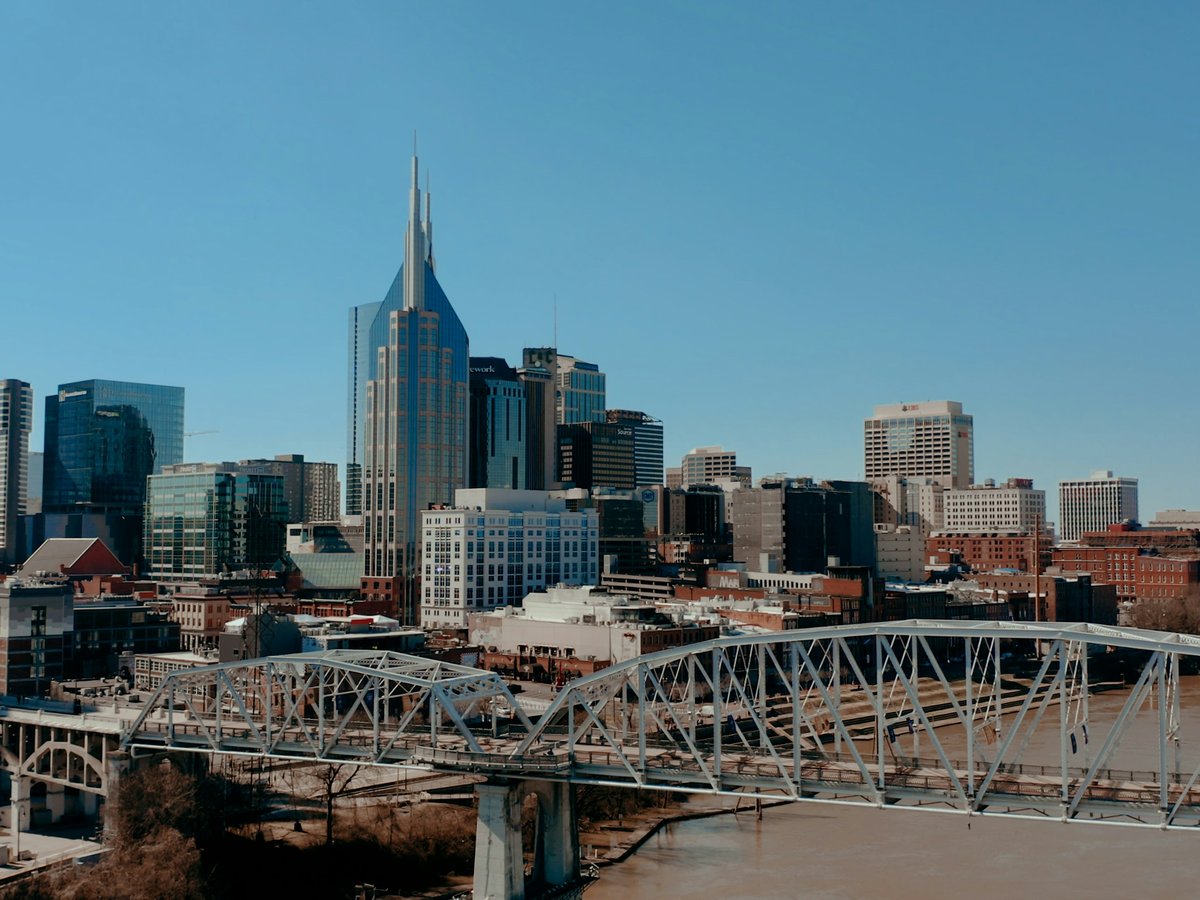
12 packing essentials every Nashville visitor brings in 2026
Comfortable broken-in walking shoes top the list for Nashville. The tie-breaker is Lower Broadway's uneven sidewalks and The Gulch's long pedestrian stretches, where new shoes guarantee blisters by day two. Nashville's unpredictable humidity and afternoon thunderstorms from May through September make a packable rain layer and moisture-wicking fabrics nearly as critical.
Scoring these picks weighs three factors. How Nashville-specific the need is, quality per dollar, and how often travelers report regretting the omission. Nashville visitors tend to walk 8 to 12 miles daily between Lower Broadway's sticky honky tonk floors, the tree-lined sidewalks of 12South, and the gravel paths through Shelby Bottoms Greenway. That walking volume makes footwear the highest-stakes packing decision. Properly broken-in shoes in the $100 to $140 range pay back in avoided blisters, skipped taxi rides, and the freedom to keep exploring past sunset. The second-highest regret factor is rain protection. Afternoon thunderstorms roll through from April to October, often dumping 15 to 20mm in under an hour. You'll smell the ozone before you see clouds darken over the Cumberland River. A visitor caught between The Gulch and Germantown without a rain layer faces a soggy walk or a $15 Uber surge.
The most common packing mistake is dressing for the wrong humidity. Temperatures at BNA arrivals in June might read 33°C on the board, but Nashville's 75% average humidity pushes the heat index closer to 40°C. Cotton t-shirts feel fine in the air-conditioned terminal but soak through within an hour of walking Dickerson Pike or browsing Marathon Village. Moisture-wicking synthetics or lightweight merino handle the damp heat without developing that sour smell by evening. The second mistake is skipping evening layers. Rooftop bars in SoBro and the patios along Demonbreun Hill cool down noticeably after dark, even in July. You'll feel goosebumps by 10 PM if you're in a tank top 20 stories up. A light flannel or packable jacket earns its suitcase space. The third mistake is bringing a full backpack to Lower Broadway on a Friday night. The honky tonks run shoulder-to-shoulder from Robert's Western World to Tootsie's, and a bulky pack blocks doorways and draws unwanted attention.
The walking shoe emphasis is not the right priority for visitors whose Nashville trip is primarily car-based. If you're driving to the Grand Ole Opry in Donelson, parking at Centennial Park, and taking rideshares between restaurants in East Nashville's Five Points neighborhood, your existing sneakers will likely hold up fine. Same applies to anyone relying on WeGo buses or the Music City Star commuter rail from the Hermitage or Mt. Juliet stations rather than covering the city on foot. In that case, bump the rain jacket and crossbody bag above footwear in your packing order. Nashville's WeGo Central station downtown connects most bus routes but still involves a 5 to 10 minute exposed walk to the nearest Broadway venue.
The full list
-
Broken-in walking shoes
Nashville's Lower Broadway runs 6 blocks of uneven sidewalks and honky tonk floors sticky with spilled beer. Add a morning loop through Centennial Park past the Parthenon and an afternoon browsing 12South, and you're at 10+ miles. New shoes will punish you by day two.
Shop Broken-in walking shoes -
Packable rain jacket
Afternoon thunderstorms hit Nashville from April through October with little warning. You'll get caught between The Gulch and Broadway at least once. A packable layer that fits in a bag beats an umbrella in the wind that sweeps off the Cumberland River.
Shop Packable rain jacket -
Moisture-wicking shirts
Nashville's summer humidity sits around 70-80% most days. Cotton soaks through within an hour of walking Shelby Bottoms Greenway or standing in the hot chicken line at Prince's on Dickerson Pike. Synthetics or merino dry faster and smell better by evening.
Shop Moisture-wicking shirts -
Silicone earplugs (NRR 27+)
Broadway's honky tonks pump live music at 90+ decibels until 3 AM, and most downtown hotels sit within 2 blocks of the strip. Even in Germantown or East Nashville, weekend bar noise carries. A pair rated NRR 27+ makes the difference between sleeping and not.
Shop Silicone earplugs (NRR 27+) -
Crossbody bag with zip closure
Lower Broadway on a Friday night runs shoulder-to-shoulder from Tootsie's to Kid Rock's Big Ass Honky Tonk. A backpack blocks every doorway and loose pockets are easy targets in that density. A slim crossbody keeps your phone and wallet secure while you move between venues.
Shop Crossbody bag with zip closure -
Portable battery pack (10,000+ mAh)
A full Nashville day starts with coffee in Five Points, moves to the Country Music Hall of Fame on Demonbreun, continues through Centennial Park, and ends with 4 to 5 hours on Broadway. That's 14 hours of GPS, photos, and rideshare calls. Bring at least 10,000 mAh.
Shop Portable battery pack (10,000+ mAh) -
SPF 50 sunscreen
Nashville sits at latitude 36°N with limited shade along Broadway and through Bicentennial Capitol Mall State Park. Summer UV index regularly hits 9 or 10 by noon. Even overcast May or September days warrant SPF 50, especially on the rooftop bars along SoBro.
Shop SPF 50 sunscreen -
Insulated water bottle (750ml+)
Nashville's heat index reaches 40°C in July and August. Free refill stations are limited outside Centennial Park and the Nashville Farmers' Market on Rosa L. Parks Boulevard. An insulated 750ml bottle keeps water cold for 6+ hours through a full walking day.
Shop Insulated water bottle (750ml+) -
Light flannel or packable jacket
Nashville drops 10-15°C after sunset from March through May and September through November. Rooftop spots like L.A. Jackson in The Gulch and the Demonbreun Hill patios get genuinely cool by 10 PM. A flannel fits the local dress code better than a windbreaker.
Shop Light flannel or packable jacket -
Baseball cap or wide-brim hat
Shade is sparse along the John Seigenthaler Pedestrian Bridge and through the open stretches of East Park. Nashville's summer sun sits high enough that sunglasses alone won't prevent forehead burns during a 3-hour afternoon walk from Marathon Village through Germantown.
Shop Baseball cap or wide-brim hat -
Blister bandaids (Compeed or moleskin)
The walk from a downtown hotel to the Ryman Auditorium, through Printers Alley, and back along 2nd Avenue is enough to raise a blister in stiff shoes. Compeed patches applied at the first hot spot prevent a limp by day three. The Broadway CVS stocks them, but at tourist prices.
Shop Blister bandaids (Compeed or moleskin) -
Polarized sunglasses
Glare off the Cumberland River and the glass facades along SoBro hits hard during golden hour walks on the Seigenthaler Pedestrian Bridge. Polarized lenses cut that reflection and make the 15-minute crossing to the East Bank comfortable rather than squint-inducing.
Shop Polarized sunglasses
Last verified by automated review (v1.7.2) on . What is automated review?