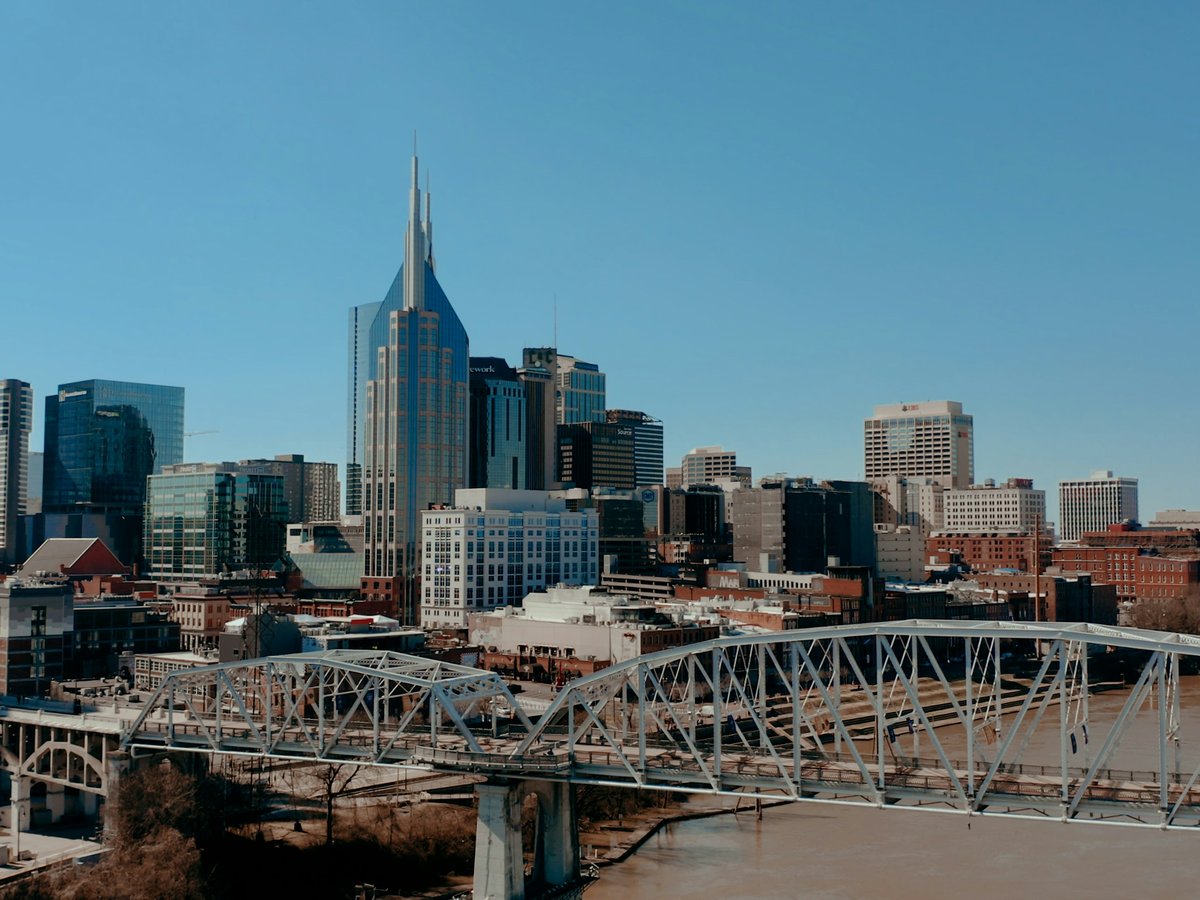
Nashville tends to run on a different clock than most American cities. The honky-tonks on Lower Broadway stay open until 3 AM, 7 nights a week, and you'll find tourists shoulder-to-shoulder with session musicians who finished a recording at 4 PM and haven't stopped drinking since. But Broadway is only one layer. The locals mostly avoid it, gravitating instead toward East Nashville's dive bars, the Gulch's cocktail spots, or Midtown's college-heavy strip along Elliston Place. Tennessee doesn't have a statewide last-call law, though Nashville's metro ordinance sets it at 3 AM. Beer is sold until that hour, and liquor pours stop at the same time in most bars. Worth noting, the city still has a strong beer-and-whiskey identity. You'll see more Yazoo Pale Ale and George Dickel on the rails here than craft cocktails, though that's been shifting since about 2018. The crowd skews younger on weekends, with bachelorette parties arriving by the pedal-tavern load on Friday afternoons along 2nd Avenue. Weeknight crowds are thinner and more local. Tuesday and Wednesday nights tend to have the best songwriter rounds and the cheapest drinks.
The Bar Scene, from Barrel-Aged Bourbon to Cheap Tallboys
Nashville's cocktail bar scene has grown considerably since the mid-2010s. The Patterson House on Division Street is still considered the gold standard for craft cocktails in the city, with a no-standing-room policy and drinks priced at the higher end of Nashville's cocktail range. Attaboy, the New York transplant, opened on McGavock Street in Germantown and brought a similar omakase-style approach where bartenders mix based on your preferences rather than a printed menu. Over in the Gulch, Bastion keeps its bar program tight at around 8 seats, and the pricing sits in a similar premium bracket. The dive bar circuit is where locals spend most of their time. Santa's Pub, the double-wide trailer off Nolensville Pike, still does karaoke 7 nights a week with cheap Pabst tallboys. No cover, no pretense. Dino's on Gallatin Avenue in East Nashville serves cheap beer and surprisingly good cheeseburgers until 1:30 AM most nights. The bar itself is tiny, maybe 12 stools, and the jukebox still takes quarters. Rooftop bars have multiplied along Lower Broadway. L.A. Jackson, perched atop the Thompson Hotel in the Gulch, offers one of the better skyline views, though drinks are on the pricier side and the wait for a table on weekend evenings can hit 45 minutes. Up on the roof at Acme Feed & Seed on Lower Broadway, the view stretches across the Cumberland River and the Nissan Stadium side. It tends to be less cramped than the Broadway-facing rooftops, especially before 9 PM. For wine, the options are fewer but improving. Bode Nashville in Wedgewood-Houston has a thoughtful natural wine list in a converted warehouse space. The bottles lean European, and glasses are priced in the typical Nashville wine-bar range. House Wine in the Gulch does a more approachable, American-forward list with pours at the lower end of that range.
The Club Scene, Smaller Than You'd Expect
Nashville has never been a club-first city. The live music economy dominates so thoroughly that dedicated dance clubs occupy a narrow slice of the nightlife. That said, the scene has a few consistent spots. Printers Alley, the narrow lane between 3rd and 4th Avenues downtown, has held onto a handful of clubs for years. The spaces there tend to rotate between DJs and live acts depending on the night. Dress codes downtown are loose by most big-city standards. Clean sneakers, jeans, and a collared shirt will get you into nearly anywhere. A few of the newer rooftop spots on Broadway might turn away flip-flops and tank tops on weekend nights, but enforcement is inconsistent. Canvas Lounge in Midtown has been one of the more reliable spots for hip-hop and R&B nights, typically running Thursday through Saturday with cover charges that vary depending on the DJ and the night. Things don't pick up there until around 11 PM, and the crowd peaks closer to 1 AM. For electronic music, the options are thinner than in Atlanta or Chicago. Basement East in East Nashville occasionally books electronic acts, and there's a rotating cast of warehouse-style events that pop up in Wedgewood-Houston. Check local listings on Do615.com for those, as they move around. The EDM crowd in Nashville is real but relatively small, and most events wrap by 2:30 AM. Peak hours for any club night run from about 11 PM to 2 AM. Arriving before 10:30 PM might mean a near-empty room. Arriving after 1:30 AM means lines and inflated cover charges at the door.
Live Music, the Reason Nashville Exists After Dark
This is the city's backbone. On any given night, there might be 100 or more live performances happening across Nashville's venues. The sheer density is hard to overstate. The Ryman Auditorium on 5th Avenue North, the original home of the Grand Ole Opry, seats about 2,300 and still hosts 4 to 5 shows a week. The acoustics in that room are genuinely special, built in 1892 as a tabernacle, and the wooden pew seating hasn't changed. Ticket prices vary widely depending on the act. The Opry itself moved to the Grand Ole Opry House on Briley Parkway in 1974, and that 4,400-seat venue still runs shows on Friday and Saturday nights year-round, plus Tuesday nights from spring through fall. For the smaller rooms, The Bluebird Cafe in Green Hills is probably Nashville's most famous listening room. It holds 90 people. Reservations open on the first of each month for the following month, and they sell out within minutes for the prime songwriter-round slots on Tuesday and Sunday nights. The format is intimate. Four writers sit in the center of the room and trade songs. No talking during performances. That policy is enforced. The Basement and Basement East on the east side of the river book indie rock, Americana, and genre-bending acts most nights. Capacity at Basement East is around 800, while the original Basement under Grimey's record store holds maybe 150. Monday nights at The Basement tend to feature newer or more experimental acts, and cover is generally low. The Station Inn on 12th Avenue South is the city's premier bluegrass room. It's been open since 1974 and holds about 200 people. Shows typically start at 9 PM, and you'll hear some of the best pickers in the world for a modest cover charge. Sunday night's jam session is a local tradition. Honky-tonks on Lower Broadway, like Tootsie's, Robert's Western World, and The Stage, run live music from around 10 AM to 3 AM daily with no cover charge. The bands rotate on 3 to 4 hour shifts. Tips go directly to the musicians, and tipping each set is considered standard practice. Country is the headline genre, but Nashville's working musicians play everything. You'll find jazz at Rudy's Jazz Room on Gleaves Street, blues at Bourbon Street Blues and Boogie Bar downtown, and Latin nights scattered across the Nolensville Pike corridor. The Americana and indie scenes are particularly strong on the east side, where venues like The 5 Spot on Forrest Avenue run themed nights including Motown Monday.
Nightlife neighborhoods
-
Lower Broadway and Downtown
Tourist-heavy, loud, and relentless. Neon signs reflect off the pavement, the smell of spilled beer and hot chicken wafts between the honky-tonk doors, and cover bands compete for volume across 4 blocks. The pedal taverns roll through until about 10 PM. It gets genuinely chaotic on Friday and Saturday nights between 9 PM and midnight.
- Best for
- First-time visitors, bachelorette groups, anyone who wants free live music until 3 AM.
- Standouts
- Robert's Western World, Tootsie's Orchid Lounge, Acme Feed & Seed, The Stage
-
East Nashville
The neighborhood that locals claim as their own. Gallatin Avenue is the main artery, lined with dive bars, taco joints, and small music venues. The energy is more relaxed than downtown, with a craft-beer-and-vinyl crowd that tends to skew late 20s to early 40s. You'll hear more Americana and indie rock spilling out of doorways than country.
- Best for
- Locals, indie music fans, anyone looking for a low-key night with good food and cheap beer.
- Standouts
- Dino's, The Basement East, The 5 Spot, Duke's
-
Midtown and Elliston Place
College-heavy and loud on weekends, especially along Division Street and near the Vanderbilt University campus. The bars here lean more toward the shot-and-beer variety, with a younger crowd that fills the sidewalks by 10 PM on Thursdays and Saturdays. The energy drops off noticeably on weeknights.
- Best for
- College-age crowds, late-night bar-hopping, hip-hop and dance nights.
- Standouts
- Canvas Lounge, The Patterson House, Winners Bar
-
The Gulch
Nashville's most polished neighborhood after dark. The converted warehouse buildings house upscale cocktail bars and wine spots, and the crowd tends toward young professionals in their late 20s and 30s. Quieter than Midtown, more curated than Broadway. The Thompson Hotel's rooftop draws a dressed-up weekend crowd.
- Best for
- Date nights, craft cocktails, rooftop drinks with a skyline view.
- Standouts
- L.A. Jackson, Bastion, House Wine
-
Germantown
A short walk north of downtown, Germantown has a quieter nightlife presence but a few standout spots. The streets are calmer after dark, and the bar scene here leans more toward cocktail-focused, intimate spaces. The neighborhood's 19th-century brick architecture gives it a different texture than the neon-lit strip to the south.
- Best for
- Cocktail enthusiasts, smaller groups, a mellower pace.
- Standouts
- Attaboy, Bearded Iris Brewing taproom
-
Wedgewood-Houston
Nashville's current art-and-warehouse district, still shifting. Former industrial spaces host pop-up events, natural wine bars, and occasional electronic music nights. The streets are quieter and darker than the more established neighborhoods, and you might walk a few blocks between lit-up venues. It feels like it's still figuring itself out, which is part of the draw.
- Best for
- Natural wine drinkers, art-adjacent crowds, anyone chasing pop-up events and DJ sets.
- Standouts
- Bode Nashville, rotating warehouse events (check Do615.com)
Safety after dark
Nashville is generally safe for nightlife, but Lower Broadway gets crowded and pickpocketing has been reported on busy weekend nights. Stick to well-lit streets, especially if you're walking between neighborhoods after midnight. Rideshare is the standard way home. Surge pricing hits hard between 1:30 AM and 3 AM on Fridays and Saturdays, so consider leaving by 1 AM or waiting until the surge drops around 3:30 AM. Drink spiking happens, as it does in any city with a heavy bar scene. Keep your drink in hand. The Broadway corridor has a visible police presence on weekend nights, and most venues have their own security. If you're walking to East Nashville from downtown, use the Pedestrian Bridge over the Cumberland rather than walking along the less-lit roads near the river.
Practical tips
- Cover Charges
- Most honky-tonks on Lower Broadway have no cover charge at all. Smaller music venues and clubs elsewhere in the city typically charge a cover that varies by the act and the night of the week. Check venue websites or Do615.com before heading out.
- Tipping
- Nashville's service industry runs on tips. Bartenders expect a standard tip per drink, and live musicians on Broadway rely heavily on tip jars. Tipping each set you watch is considered standard local practice.
- Getting Around
- Rideshare is the default for getting between neighborhoods at night. Nashville's public transit doesn't run late enough for most nightlife. If you're staying downtown, Lower Broadway, Printers Alley, and the Gulch are all walkable from most downtown hotels.
- Timing Your Night
- Honky-tonks on Broadway start live music by 10 AM and don't stop until 3 AM. For clubs and DJ nights, arriving before 10:30 PM means an empty room. The sweet spot for most bars is 9 PM to midnight. Songwriter rounds at The Bluebird and smaller rooms often start at 6 PM or 9 PM.
- What to Wear
- Nashville is casual by big-city standards. Jeans, boots, and a clean shirt will get you into 95% of venues. A few rooftop bars and upscale spots in the Gulch lean dressier on weekends, but a strict dress code is rare outside of private events.
FAQ
What time do bars close in Nashville?
Nashville's metro ordinance sets last call at 3 AM for both beer and liquor. Most bars serve until that hour 7 nights a week. The honky-tonks on Lower Broadway are among the last to close, while neighborhood bars in East Nashville and Germantown sometimes wind down a bit earlier on weeknights.
Is Lower Broadway worth visiting or is it all tourist traps?
Broadway is loud, crowded, and unabashedly touristy, but the live music is real. The musicians playing 4-hour sets at Robert's Western World or Tootsie's are often working session players. If you go, try a weeknight. Tuesday or Wednesday around 8 PM gives you the same music with a fraction of the crowd and no bachelorette-party traffic.
Do I need to make reservations for live music venues?
For The Bluebird Cafe, yes. Reservations open on the first of each month and sell out fast for prime songwriter-round nights. For most other venues, including the Ryman, you buy tickets in advance through the venue's site. The honky-tonks on Broadway are walk-in only, no tickets or reservations needed.
Where do locals go out in Nashville?
East Nashville is the short answer. Gallatin Avenue's bars and The 5 Spot draw a reliable local crowd. Dino's is a neighborhood institution. Beyond the east side, Santa's Pub off Nolensville Pike and The Station Inn on 12th Avenue South are both deeply local spots that most tourists never find.
Last verified by automated review (v1.7.2) on . What is automated review?