
Oslo for first-time visitors
Oslo Opera House is the walk-up marble roof that behaves as a public plaza sloping into the fjord. The earliest of the picks for first-time visitors in Oslo opens at 09:30 and the latest closes at 03:30.
Oslo for first-timers, in numbers
- Picks on this page
- 24 places across 2 lists, led by Oslo Opera House, Oslo Cathedral, National Theatre Oslo
- Posted hours
- 12 picks post hours earliest 09:30, latest 03:30; 0 open by 09:00, 10 past 21:00
Questions first-timers ask about Oslo
-
Must-see
The Vigeland installation in Frogner Park. Gustav Vigeland's 212 bronze and granite sculptures line an 850-metre axis through open parkland, free to enter, open 24 hours. No ticket, no queue, no reservation. Walk from the wrought-iron main gate to the 14-metre Monolith at 7am when the park belongs to joggers and magpies.
Read the full answer → -
Best time to visit
Late June through mid-August gives you 18+ hours of daylight, temperatures between 15°C and 23°C, and the Oslofjord warm enough for swimming at Sørenga. May is the sweet spot if you want lower hotel rates and the Syttende Mai celebrations on May 17. Skip November through February unless you specifically want the Nobel ceremony or northern-lights day trips.
Read the full answer → -
Airport to city
Take the Flytoget airport express from Oslo Gardermoen (OSL) to Oslo Sentralstasjon. It runs every 10 minutes, takes 19 minutes, and costs 220 NOK ($23). The Vy regional train covers the same route for 119 NOK ($12) in 23 minutes. After midnight, a licensed taxi runs a fixed 800 to 900 NOK ($84 to $94) to central Oslo.
Read the full answer → -
How to get there
Oslo Gardermoen (OSL) sits 47 km north of the city center and handles nearly all international traffic. The Flytoget express train reaches Oslo Sentralstasjon in 19 minutes for 220 NOK (~$23). Direct flights from New York take 8-9 hours on SAS or United; from London, 2-2.5 hours on SAS, Norwegian, or British Airways.
Read the full answer → -
Getting around
The Ruter app handles everything. Buy a 24-hour pass for 117 NOK (about $12) and it covers the T-bane metro, trams, buses, and even the Bygdøy ferries. Central Oslo from the Opera House to the Royal Palace is a flat 1.5 km walk along Karl Johans gate. Uber and Bolt both operate, but at Norwegian taxi prices you'll rarely need them.
Read the full answer →
Curated for first-timers
-
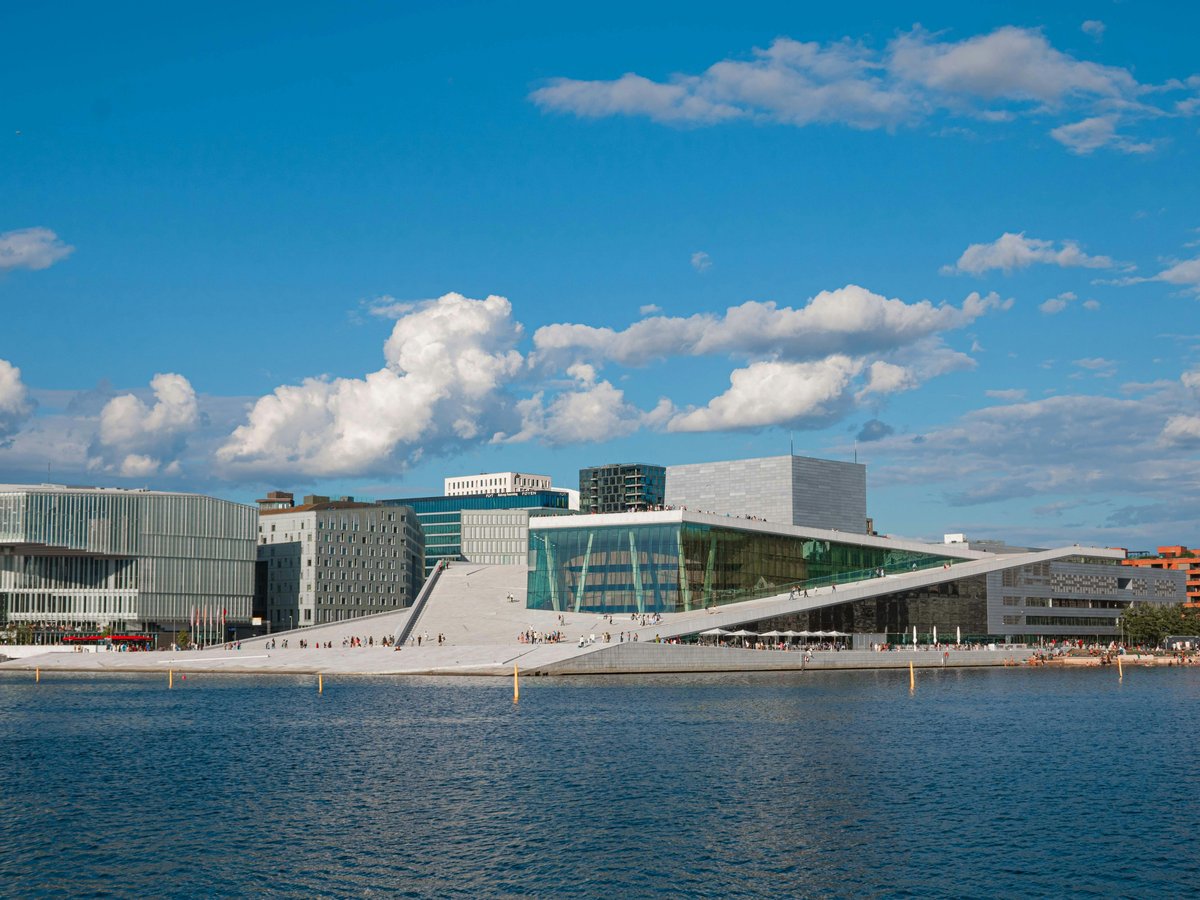
Must-see attractions
Oslo's must-see roster is a compact walk-and-water affair, weighted toward stone, timber and sung sound rather than blockbuster galleries. The city built its landmarks close together along the harbour edge and up the low ridge behind it, so a visitor can move from a marble opera roof to a wooden royal summerhouse to a working parish church without ever hailing a cab. The list below rotates through the four building types Oslo does best: the civic stages (opera, national theatre, folk theatre), the Lutheran and Catholic cathedrals that anchor the old grid, the parish churches that mark the residential ring, and the royal addresses that still function as royal addresses. It is written for the traveller who would rather read a plaque in Norwegian than queue for a novelty, and who is willing to walk 20 minutes uphill for a smaller room with better light. Every address, coordinate and website below is cited to Wikidata or the venue's own domain; nothing is inferred from a name. The order follows editorial rank, not proximity, so read it through before you plot the day: otherwise you will end up crossing the Akerselva three times.
See the picks → -
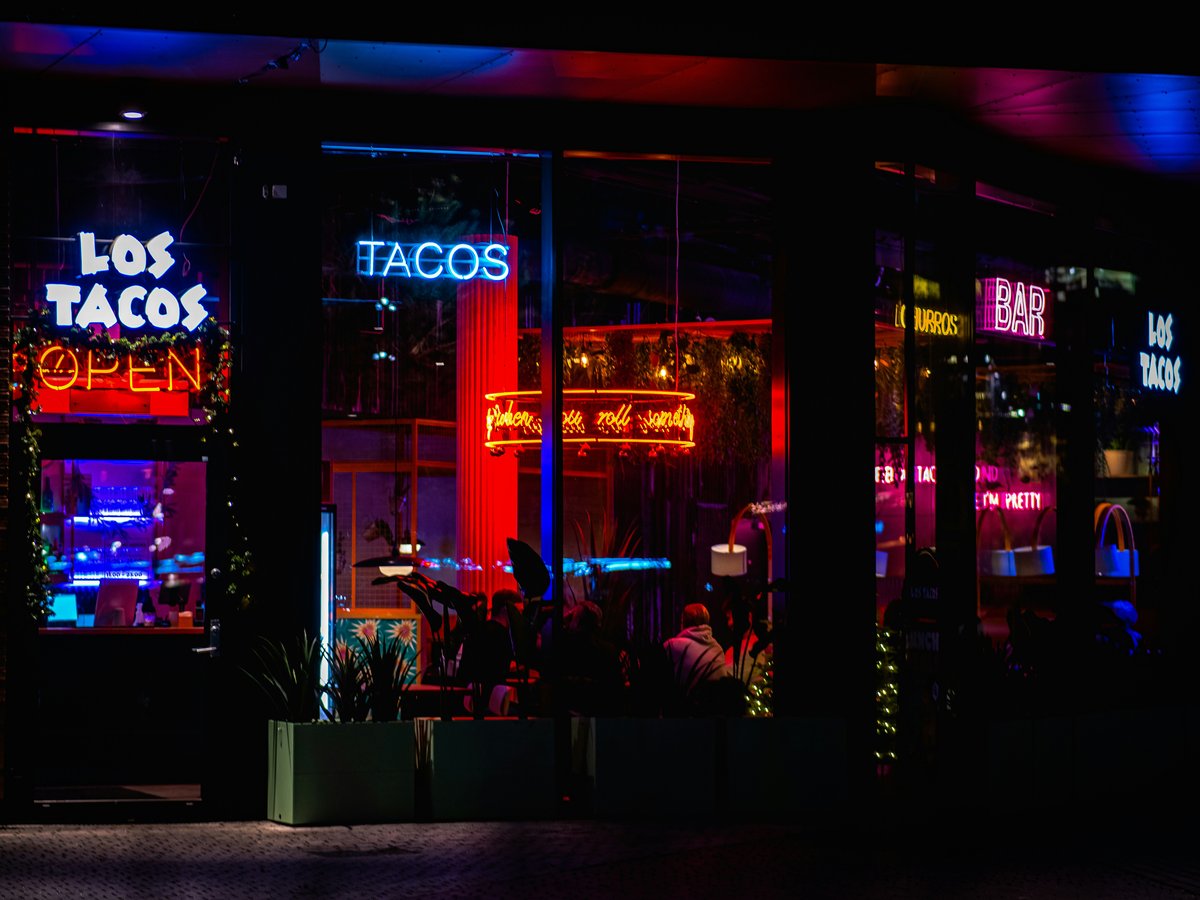
Best restaurants
Oslo eats close to the ground. The city's restaurants cluster in a handful of dense pockets, Grønland for the room-and-a-half places that stay open past 24:00, Vulkan for the grill-and-fire crowd on the Akerselva, Dronningens gate for the late-night pizza-and-noodle counters serving the office quarter, Grünerløkka for the neighbourhood tables that fill by 19:00 and empty toward the river. The list below is not a survey of fine dining; it is 12 rooms where the kitchen, the address, and the hours line up into something a visitor can use. Some are late (03:30 on a Friday at one; 03:00 at another), some are early (14:00 to 21:00 seven days at a sushi counter), and one closes on Mondays because the meat comes in on Tuesdays. Each entry is grounded in what the room is, where it is, and when it opens, so you can plan a night that runs from an early plate to a late drink without leaving the postcode you started in. Read the hours, walk the block, and let the address decide.
See the picks →