
Oslo for families
Oslo Opera House is the walk-up marble roof that behaves as a public plaza sloping into the fjord. Oslo Cathedral is the working Lutheran cathedral that opens straight onto the city's market square.
Oslo for families with kids, in numbers
- Score for families
- 9.2 out of 10
- Picks on this page
- 36 places across 3 lists, led by Oslo Opera House, Oslo Cathedral, National Theatre Oslo
Questions families with kids ask about Oslo
-
Family-friendly
Oslo scores 9.2/10 for family friendliness (see the TTDI Family-Friendliness Index). Flat sidewalks, low-floor trams, and free attractions like Vigeland Park make it one of Europe's easiest cities with a stroller. The main caveat is cost. At 9.75 NOK to the dollar, a family lunch runs 600-900 NOK ($60-90). Summer's near-endless daylight means bedtime becomes a negotiation.
Read the full answer → -
Is it safe?
Oslo scores 8.5 out of 10 for solo-traveler safety (see the TTDI Solo-Safety Index). Violent crime against tourists is near zero. The risks that affect visitors are pickpocketing along one busy pedestrian strip and an uncomfortable drug scene on a single block. Norway's homicide rate sits among Europe's lowest. The biggest danger to your trip is likely the price of a beer.
Read the full answer → -
What to pack
Pack layers for Oslo's 8-22°C summer range and frequent rain. A packable rain shell matters more than an umbrella on windy Karl Johans gate. Bring a sleep mask for June's 19 hours of daylight. Norwegian outlets use Europlug Type C/F at 230V. Skip full-size toiletries. Apotek 1 pharmacies in Sentrum carry everything you'd need.
Read the full answer → -
Getting around
The Ruter app handles everything. Buy a 24-hour pass for 117 NOK (about $12) and it covers the T-bane metro, trams, buses, and even the Bygdøy ferries. Central Oslo from the Opera House to the Royal Palace is a flat 1.5 km walk along Karl Johans gate. Uber and Bolt both operate, but at Norwegian taxi prices you'll rarely need them.
Read the full answer → -
Best time to visit
Late June through mid-August gives you 18+ hours of daylight, temperatures between 15°C and 23°C, and the Oslofjord warm enough for swimming at Sørenga. May is the sweet spot if you want lower hotel rates and the Syttende Mai celebrations on May 17. Skip November through February unless you specifically want the Nobel ceremony or northern-lights day trips.
Read the full answer →
Curated for families with kids
-
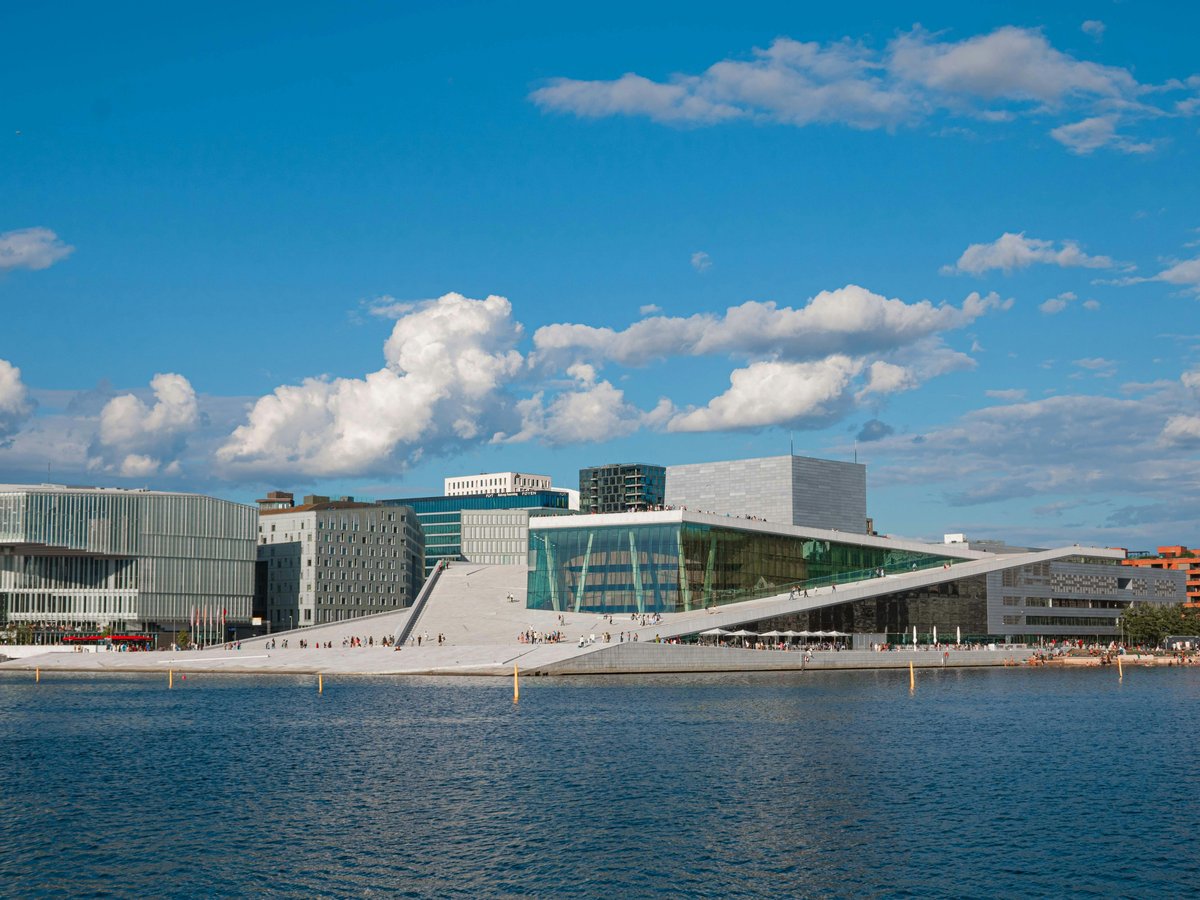
Must-see attractions
Oslo's must-see roster is a compact walk-and-water affair, weighted toward stone, timber and sung sound rather than blockbuster galleries. The city built its landmarks close together along the harbour edge and up the low ridge behind it, so a visitor can move from a marble opera roof to a wooden royal summerhouse to a working parish church without ever hailing a cab. The list below rotates through the four building types Oslo does best: the civic stages (opera, national theatre, folk theatre), the Lutheran and Catholic cathedrals that anchor the old grid, the parish churches that mark the residential ring, and the royal addresses that still function as royal addresses. It is written for the traveller who would rather read a plaque in Norwegian than queue for a novelty, and who is willing to walk 20 minutes uphill for a smaller room with better light. Every address, coordinate and website below is cited to Wikidata or the venue's own domain; nothing is inferred from a name. The order follows editorial rank, not proximity, so read it through before you plot the day: otherwise you will end up crossing the Akerselva three times.
See the picks → -

Best free attractions
Oslo makes its case for free travel more honestly than most European capitals. The city treats its public squares, its royal-adjacent gardens, and its medieval ground as everyday infrastructure rather than premium attractions. This list favours the outdoor over the ticketed, the local over the guidebook, the walk over the itinerary. It is weighted toward parks and plazas because these are where Oslo lives: the granite grounds of Vigeland, the university's botanical rows, the medieval stones down in Gamlebyen, the small plass in Grünerløkka where locals sit through their lunch. The route between many of them is walkable, and the ones that aren't sit near stations no visitor can miss. If you are visiting on a strict budget, or simply want to see Oslo without the mediation of a turnstile, these twelve are the honest starting point. Ranked in the order I would send a friend to them, with the free-and-generous choices first and the smaller central plazas at the tail: each one earning its place in a day.
See the picks → -
Best museums
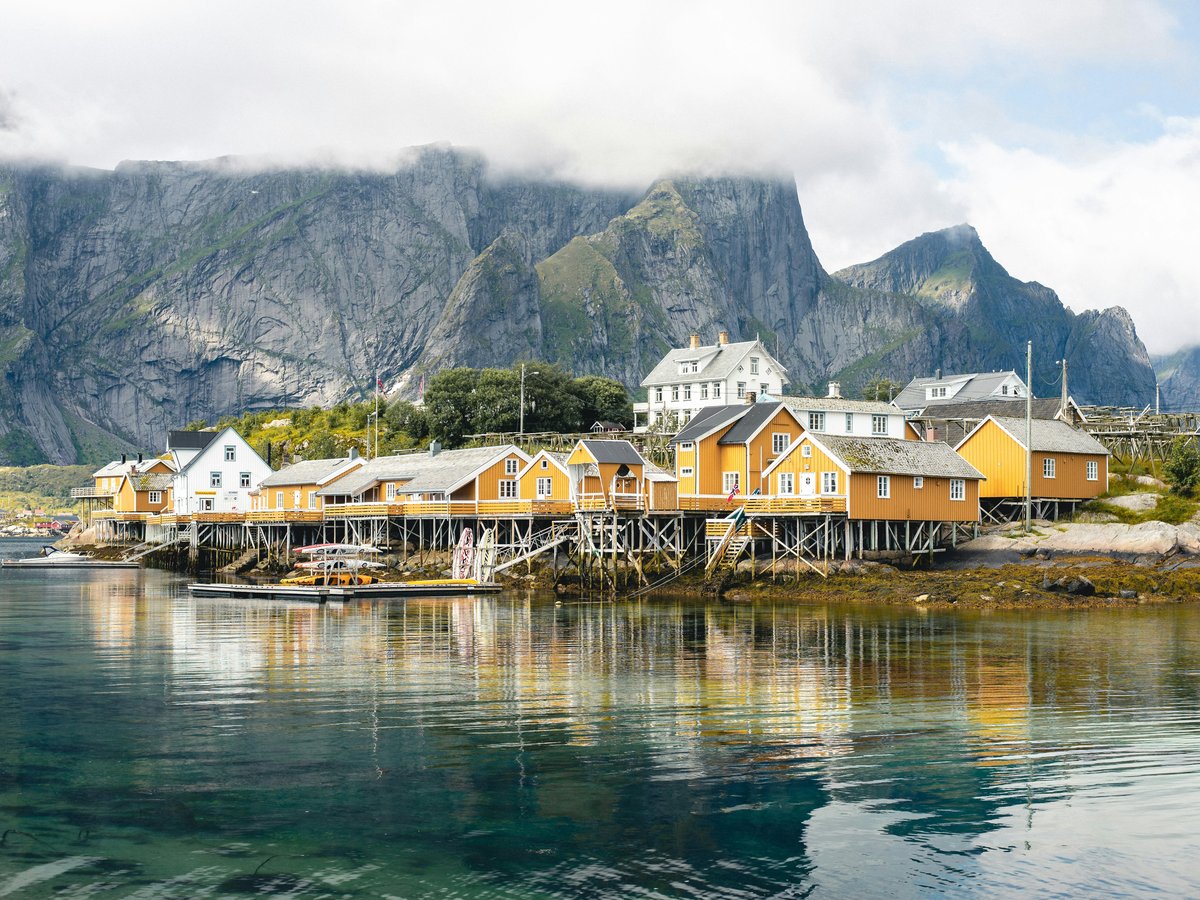
Oslo is a museum city that rewards a visitor willing to move around it. The National Museum sits on Brynjulf Bulls plass 3, the Nobel Peace Center a few steps west on the same square, and the Munch Museum reads the harbour from Edvard Munchs plass 1, so a single walk along the waterfront takes in three of Norway's flagship institutions. Cross the fjord to Bygdøy and the register changes: polar exploration at Bygdøynesveien 36, balsa-raft ethnography next door at the same street number, Viking hulls at Huk Aveny 35, and open-air cultural history at Museumsveien 10. Inland, the University of Oslo keeps its Museum of Cultural History at 2 Frederiks gate in postal district 0164 and its Natural History Museum on Sars gate 1. This list favours venues with a real address you can walk to, a website you can plan on, and a subject that could only be told in Oslo, from Astrup Fearnley's harbour-side contemporary rooms to the wartime resistance rooms inside Akershus Fortress.
See the picks →