
Oslo is a museum city that rewards a visitor willing to move around it. The National Museum sits on Brynjulf Bulls plass 3, the Nobel Peace Center a few steps west on the same square, and the Munch Museum reads the harbour from Edvard Munchs plass 1, so a single walk along the waterfront takes in three of Norway's flagship institutions. Cross the fjord to Bygdøy and the register changes: polar exploration at Bygdøynesveien 36, balsa-raft ethnography next door at the same street number, Viking hulls at Huk Aveny 35, and open-air cultural history at Museumsveien 10. Inland, the University of Oslo keeps its Museum of Cultural History at 2 Frederiks gate in postal district 0164 and its Natural History Museum on Sars gate 1. This list favours venues with a real address you can walk to, a website you can plan on, and a subject that could only be told in Oslo, from Astrup Fearnley's harbour-side contemporary rooms to the wartime resistance rooms inside Akershus Fortress.
-
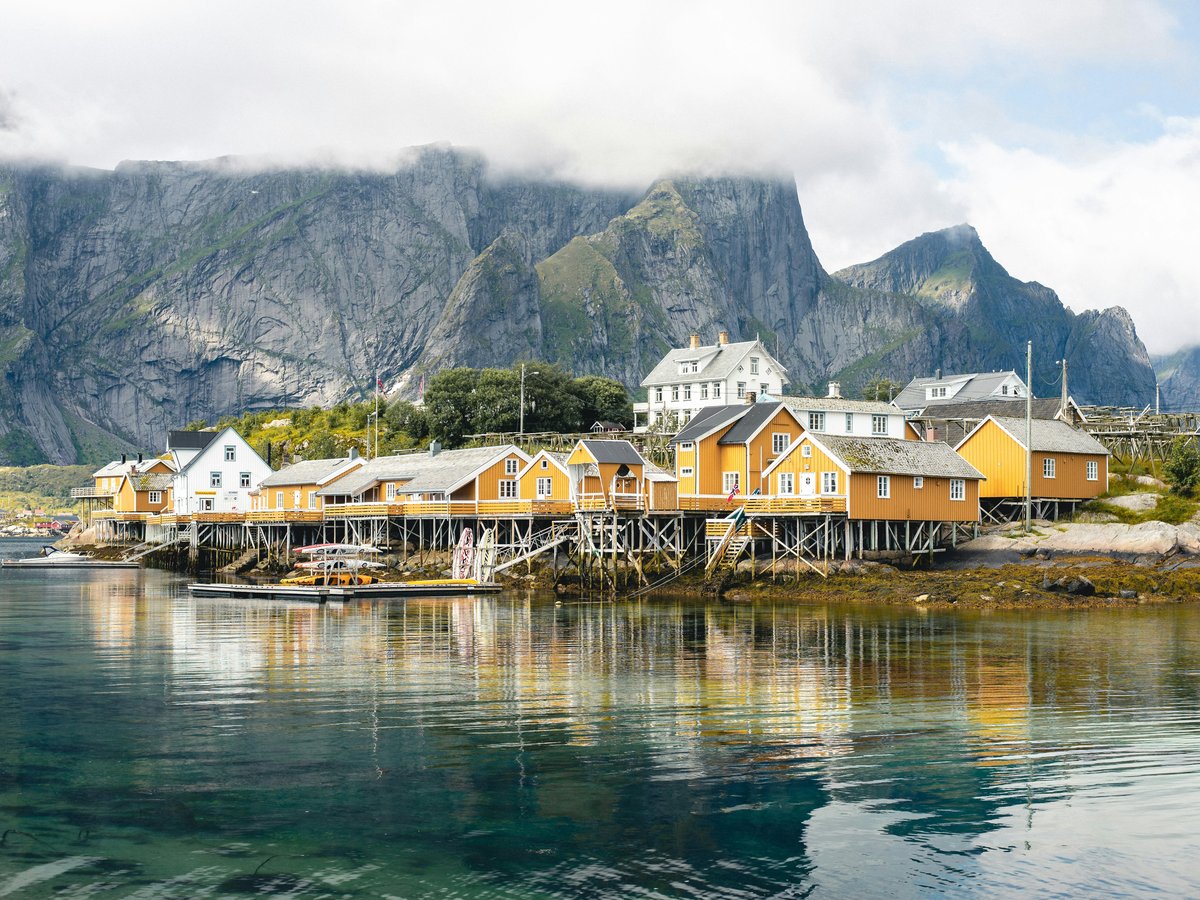
1 Munch Museum
Edvard Munchs plass 1Oslo's single-artist flagship, purpose-built on the harbour for the Munch collection
From Edvard Munchs plass 1 the Munch Museum looks straight into the fjord and reads as an address before it reads as a building. Skip the impulse to treat this as a one-painting stop; the collection here is the deepest single-artist holding in the city, and the rooms are paced for a long visit rather than a selfie loop. Plan on munch.no before you go, because rotating hangs mean the room you came for may be resting. The site sits at 59.9057°N, 10.7553°E, close enough to Oslo S to walk in from a train, far enough from the old National Gallery footprint that a visitor who does both in one day sees two versions of Norwegian modernism arguing with each other.
Dates from 1963
Hours: Mo-Tu,Su 10:00-18:00; We-Sa 10:00-21:00
-
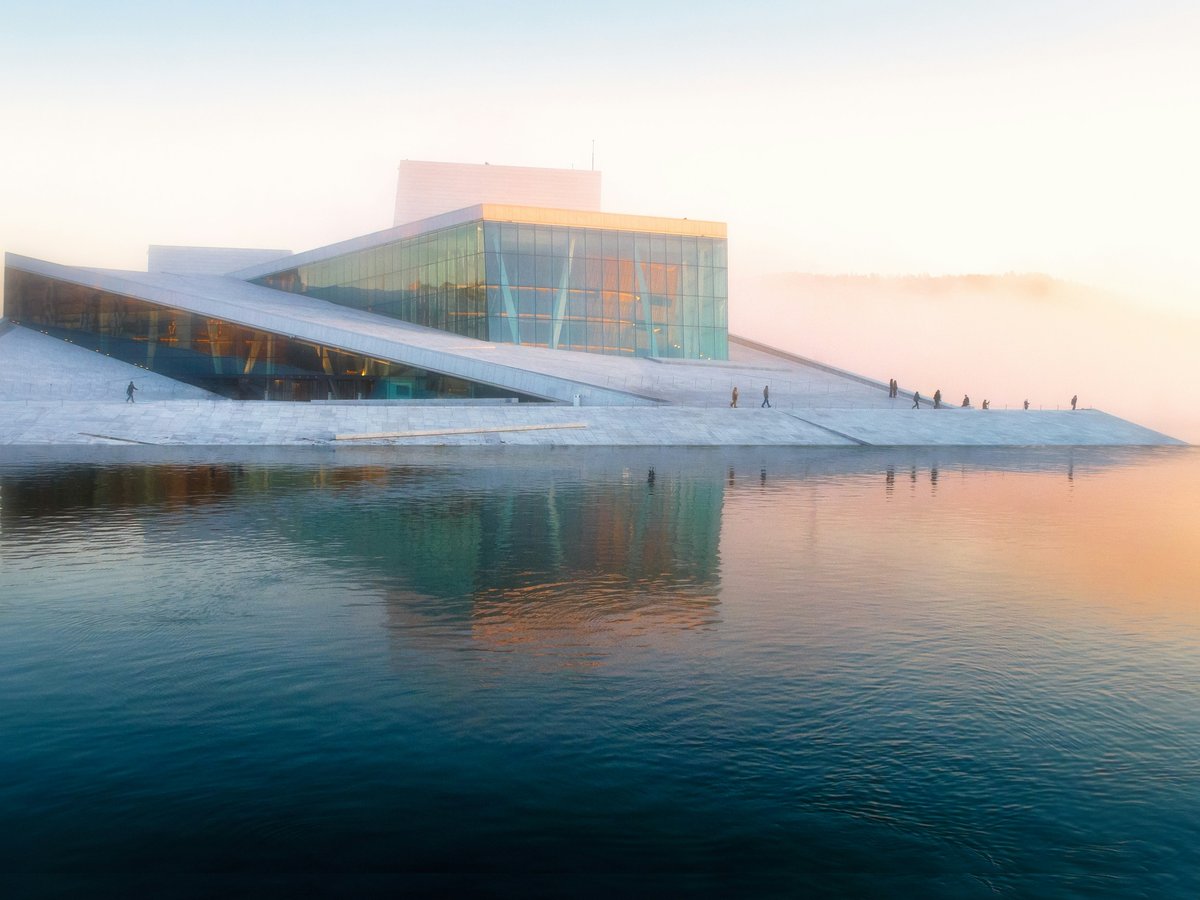
2 National Museum of Art, Architecture and Design
Brynjulf Bulls plass 3Norway's consolidated national collection under one recent roof
At Brynjulf Bulls plass 3 the National Museum of Art, Architecture and Design does the work three separate institutions used to split, rebuilt as one address. The locals head here for the permanent halls rather than the queue-forming temporary shows, and that is the right instinct: the Norwegian rooms are what a visitor cannot see anywhere else. Reserve on nasjonalmuseet.no and, if you are trying to time a specific work, ring +47 21 98 20 00 rather than trust a third-party listing. The building anchors the western edge of Rådhusplassen at 59.9116°N, 10.7292°E; pair it with the Nobel Peace Center on the same square and you have a coherent half-day without a taxi.
Dates from 2003
-
3 Nobel Peace Center
Brynjulf Bulls plass, Oslo, 0250A single-subject museum built around each year's Peace Prize laureate
Facing the harbour at Brynjulf Bulls plass, Oslo, 0250, the Nobel Peace Center has an unusual brief: one prize a year, and a whole institution to explain it. Don't arrive expecting a permanent hang; the point is the rotation, and the laureate exhibition changes the tone of the ground floor entirely. Check nobelpeacecenter.org before you cross Rådhusplassen, because a between-shows day is a thin visit. The address puts it at 59.9116°N, 10.7302°E, ten metres of longitude from the National Museum next door, which is why a visitor with a single afternoon in central Oslo can honestly do both. Better than the mid-tier city museums a coach tour will herd you into; this one earns the hour on subject alone.
Dates from 2005
-
4 Fram Museum
Bygdøynesveien 36, 0286 OsloThe polar ship Fram, preserved indoors and boardable
Bygdøynesveien 36, 0286 Oslo is where you go to walk the deck of the actual Fram, a museum on the Bygdøy peninsula that keeps its subject as its centrepiece rather than a supporting exhibit. Skip the temptation to treat Bygdøy as a drive-past; the ferry from Rådhusbrygge is the right way in, and this is the building to open the afternoon with. Plan a route on frammuseum.no and give it more time than you think; the interpretive rooms around the hull are longer than the hull. The site sits at 59.9033°N, 10.6994°E, which puts you within one street number of the Kon-Tiki collection next door; that adjacency is not a coincidence, and a single-ticket afternoon on Bygdøy stacks two very different polar and Pacific stories back to back.
Dates from 1936
-
5 Kon-Tiki Museum
Bygdøynesveien 36The balsa raft Kon-Tiki and the papyrus Ra II, kept as objects rather than replicas
At Bygdøynesveien 36 the Kon-Tiki Museum keeps Thor Heyerdahl's actual balsa raft as the room's argument. The locals know to pair this with the Fram next door rather than treat it as a rainy-day fallback, because the two collections tell the same national story from opposite oceans. Book or check hours on kon-tiki.no, or call +47-23-08-67-67 if a group visit needs confirming; phone contact is still the fastest route for anything unusual. The building sits at 59.9036°N, 10.6981°E, the address that makes clear why Bygdøy is planned as one museum quarter rather than four separate errands. The raft itself is small in a way photographs never manage; standing next to it recalibrates the Pacific.
Dates from 1949
-

6 Viking Ship Museum
Huk Aveny 35The Oseberg, Gokstad and Tune ships, kept as the archaeological finds they are
Huk Aveny 35 is the address of the Viking Ship Museum, three burial ships a visitor can walk around at deck height. Check khm.uio.no/vikingskipshuset before you plan the day; the building has been through long closures for the new Museum of the Viking Age and access shifts by season. Skip the replica-ship tourist traps a cruise itinerary might sell you; the point here is that the hulls are 9th-century, not reproductions. The site is on the western side of Bygdøy at 59.9047°N, 10.6844°E, further out than the Fram cluster and best reached by the same ferry chain if the weather cooperates. It is a short visit by design, and denser for it.
Dates from 1926 · Cultural heritage preservation in Norway
-
7 Norwegian Museum of Cultural History
Museumsveien 10, 0287 OsloAn open-air complex of relocated Norwegian buildings, including a stave church
Museumsveien 10, 0287 Oslo opens onto a cultural history museum whose exhibits are entire buildings, moved plank by plank onto Bygdøy. Skip the box-ticking Viking-plus-ships loop that leaves this off the schedule; a proper Oslo afternoon needs one long walk through relocated farmhouses, urban terraces and the stave church, not another ship hall. Plan the route on norskfolkemuseum.no, because the site is large enough that arriving without a map wastes an hour. The complex sits at 59.9069°N, 10.6860°E, a short uphill from the Bygdøy ferry pier, and rewards a slower pace than the neighbouring ship museums. If the weather turns, the indoor Norwegian folk-art rooms are the strongest single collection in the city.
Dates from 1894
-
8 Museum of Cultural History
2 Frederiks gate, Oslo, 0164The University of Oslo's central archaeology and ethnography collections
2 Frederiks gate, Oslo, 0164 holds the Museum of Cultural History, a University of Oslo collection that a visitor who has only done Bygdøy will otherwise miss. The locals prefer this address for the archaeological rooms, because the Viking finds that are not ship-shaped: coin hoards, textiles, runes: live here rather than on the peninsula. Check khm.uio.no before you go; opening hours follow the university calendar and are less predictable than a private museum's. The building is at 59.9168°N, 10.7355°E, five minutes on foot from the Royal Palace park, which makes it the natural companion to a walk along Karl Johans gate rather than a separate expedition. Confusingly named next to entry 7; the addresses tell the two apart.
Dates from 1999
-
9 Norwegian Film Institute
Dronningens gate, Oslo, 0152Cinematheque, archive and industry library for Norwegian film
On Dronningens gate, Oslo, 0152, the Norwegian Film Institute is the address a visitor with a specific film-culture interest should plan around, not tick as an afterthought. Don't arrive without a programme; this is a working institute with a cinematheque and a research library, not a walk-through gallery. Check nfi.no a week ahead if you want a screening rather than a lobby visit; the calendar is what earns the trip. The building sits at 59.9094°N, 10.7458°E, in the block of central Oslo where the film and TV trades cluster, and a coffee in the neighbourhood afterwards is more informative than a rushed second museum. Better than the generic cinema-history exhibit a bigger tourist attraction might tuck into a corner; this is the real archive.
Dates from 1956
-
10 Natural History Museum in Oslo
Sars gate 1The University of Oslo's botanical garden and natural-history halls at Tøyen
Sars gate 1 is the entrance to a natural history museum in Oslo that pairs a serious research collection with the city's botanical garden at Tøyen. The locals bring children here rather than to the private aquarium options, because the garden pays for the ticket on its own and the geological halls carry the rest. Plan on nhm.uio.no and give it half a day; the outdoor beds and the indoor systematics rooms are separate visits stitched into one address. The site is at 59.9198°N, 10.7717°E, a tram ride east of the centre and worth the small effort, because the Tøyen park frames the museum in a way a downtown block cannot. Combine it with a walk through the neighbouring gardens and it becomes an afternoon, not an errand.
Dates from 1812
Hours: Mo-Su 10:00-17:00
-
11 Astrup Fearnley Museum of Modern Art
Strandpromenaden, Oslo, 0252A privately built contemporary-art museum on the Tjuvholmen waterfront
At Strandpromenaden, Oslo, 0252 the Astrup Fearnley Museum of Modern Art is the counterweight to the state institutions further inland. Skip the assumption that Oslo's contemporary scene is folded into the National Museum; it is not, and this address is where the argument lives. The locals swear by the sculpture park along the waterfront on the same walk, which is free and part of the visit whether you buy a ticket or not. Plan on afmuseet.no before you commit; temporary shows swing the character of the building from one visit to the next. The site is at 59.9067°N, 10.7214°E, the far tip of Tjuvholmen, and the harbour approach is half the reason to go: you walk in past water and boats, not through a lobby.
Dates from 1993
Hours: Tu-We 12:00-17:00; Th 12:00-19:00; Fr 12:00-17:00; Sa-Su 11:00-17:00
-
12 Norway's Resistance Museum
Akershus Festning, Bygning 21, NO-0015 OsloThe wartime occupation and resistance told inside Akershus Fortress
Inside the fortress walls at Akershus Festning, Bygning 21, NO-0015 Oslo, Norway's Resistance Museum tells the wartime occupation and resistance: and the address matters: this is the ground where it was contested. Don't try to compress it into a fortress walking tour; the exhibits reward a sit-down visit rather than a pass-through. Check forsvaretsmuseer.no/Hjemmefrontmuseet for opening hours; the site is defence-run and its calendar follows that rather than a commercial museum's. The building is at 59.9079°N, 10.7358°E, a short walk from Rådhusplassen through the fortress gate, and the approach itself: up cobbled ramps between stone walls: is a preface to the subject. Better than the generic wartime-history stops a coach itinerary will offer; this one is on site.
Dates from 1966
Last verified by automated review (v1.7.2_curated-wave-2239-20260916155912) on . What is automated review?