
Oslo sits at the head of a hundred-kilometre fjord cutting inland from the Skagerrak, a position that has made it both a maritime gateway and a city hemmed in by forest: two thirds of the municipality is protected green space, a ratio no other European capital matches. The roughly 700,000 people who live here occupy a compact urban core where the seventeenth-century grid of Kvadraturen gives way within a few blocks to the waterfront at Bjørvika, home to the angular white marble of the Opera House whose roof slopes into the harbour and which anyone can walk up at any hour. That juxtaposition (old timber wharves and bold contemporary architecture sharing the same sightline) is the defining visual rhythm of modern Oslo. A first-time visitor's day tends to start late by southern European standards, with coffee taken seriously and breakfast eaten slowly, then unfold westward from the central station through Karl Johans gate toward the Royal Palace, a walk of about fifteen minutes that passes the National Theatre and the university's neoclassical facades. But the real texture of Oslo life sits off that tourist axis: in Grünerløkka, the former workers' district across the Akerselva river where vintage shops and small-batch roasteries fill converted industrial buildings; in Tøyen, where the Munch Museum's thirteen-storey tower anchors a neighbourhood overlooked for decades; in Frogner, where residential streets are wide and quiet and Vigeland's sculpture park draws locals who treat it as their backyard rather than a destination. Winters are long and genuinely dark (the sun sets before three in December) but Norwegians do not retreat indoors so much as adapt, and the city's network of illuminated cross-country ski trails through Nordmarka forest begins at the end of the metro line, a fact that still surprises visitors who expect wilderness to require a car.
Oslo in photos


Oslo right now
Answers about Oslo
-
Airport to city
Take the Flytoget airport express from Oslo Gardermoen (OSL) to Oslo Sentralstasjon. It runs every 10 minutes, takes 19 minutes, and costs 220 NOK ($23). The Vy regional train covers the same route for 119 NOK ($12) in 23 minutes. After midnight, a licensed taxi runs a fixed 800 to 900 NOK ($84 to $94) to central Oslo.
Read the full answer → -
Best time to visit
Late June through mid-August gives you 18+ hours of daylight, temperatures between 15°C and 23°C, and the Oslofjord warm enough for swimming at Sørenga. May is the sweet spot if you want lower hotel rates and the Syttende Mai celebrations on May 17. Skip November through February unless you specifically want the Nobel ceremony or northern-lights day trips.
Read the full answer → -
Cost per day
Budget travelers in Oslo can manage around 700 NOK ($75) per day with a hostel dorm in Grønland, supermarket meals from Rema 1000, and free attractions like the Vigeland installation at Frogner Park. Midrange sits at roughly 1,900 NOK ($200) with a hotel, one museum, and a restaurant dinner. Norway is expensive, but free-entry parks, baked-in tax, and zero tipping expectations soften the blow for disciplined travelers.
Read the full answer → -
Cultural etiquette
Norwegians value punctuality, personal space, and quiet restraint. Remove shoes when entering any home. Tipping is not expected since service is included, though rounding up 20-50 NOK at restaurants is appreciated. A firm handshake and direct eye contact replace the effusive greetings common elsewhere. Don't brag, don't cut queues, and don't talk loudly on the T-bane.
Read the full answer → -
Best day trips
Drøbak and Oscarsborg Fortress, 40 km south of Oslo, make the best single-day trip by Ruter bus (75 minutes, about NOK 95 one way). Fredrikstad's star fortress from 1663 is 90 km south-east by Vy train, 1 hour 15 minutes from Oslo S. Tønsberg, founded around 871, sits 100 km south-west and takes about 1 hour 20 minutes by rail.
Read the full answer → -
Digital nomads
Oslo scores a 6/10 for nomads. Fiber broadband reaches 200-500 Mbps in most Grünerløkka and Frogner apartments, coworking at Mesh costs 3,500 NOK ($367) a month for a hot desk, and the cafe-laptop culture is real. The problem is cost. Budget around 32,000 NOK ($3,400) monthly all-in. The Schengen 90/180-day limit is the hard ceiling without a work permit.
Read the full answer → -
Family-friendly
Oslo scores 9.2/10 for family friendliness (see the TTDI Family-Friendliness Index). Flat sidewalks, low-floor trams, and free attractions like Vigeland Park make it one of Europe's easiest cities with a stroller. The main caveat is cost. At 9.75 NOK to the dollar, a family lunch runs 600-900 NOK ($60-90). Summer's near-endless daylight means bedtime becomes a negotiation.
Read the full answer → -
Food culture
Oslo eats early, pays dearly, and rewards the disciplined. Lunch hits at 11am, dinner by 6pm, and a main course runs 250-400 NOK ($26-42). Skip the Karl Johans gate tourist strip. Grünerløkka's Mathallen food hall, Grønland's immigrant kitchens, and harbor shrimp vendors at Akershusstranda are where locals eat. Brunost, rakfisk, and fresh fjord shrimp define the local palate.
Read the full answer → -
Getting around
The Ruter app handles everything. Buy a 24-hour pass for 117 NOK (about $12) and it covers the T-bane metro, trams, buses, and even the Bygdøy ferries. Central Oslo from the Opera House to the Royal Palace is a flat 1.5 km walk along Karl Johans gate. Uber and Bolt both operate, but at Norwegian taxi prices you'll rarely need them.
Read the full answer → -
How to get there
Oslo Gardermoen (OSL) sits 47 km north of the city center and handles nearly all international traffic. The Flytoget express train reaches Oslo Sentralstasjon in 19 minutes for 220 NOK (~$23). Direct flights from New York take 8-9 hours on SAS or United; from London, 2-2.5 hours on SAS, Norwegian, or British Airways.
Read the full answer → -
Is it safe?
Oslo scores 8.5 out of 10 for solo-traveler safety (see the TTDI Solo-Safety Index). Violent crime against tourists is near zero. The risks that affect visitors are pickpocketing along one busy pedestrian strip and an uncomfortable drug scene on a single block. Norway's homicide rate sits among Europe's lowest. The biggest danger to your trip is likely the price of a beer.
Read the full answer → -
Language basics
Norwegian, written in Bokmål in Oslo. English proficiency sits around 9/10 in tourist zones. Nearly everyone under 50 speaks confident English across the city. The Latin alphabet means street signs and restaurant menus are readable on sight. A few words of Norwegian, like 'takk' for thanks and 'unnskyld' for excuse me, signal politeness, but you won't need them to get around.
Read the full answer → -
Layover guide
Yes. The Flytoget express train runs from Oslo Gardermoen to Oslo Sentralstasjon in 19 minutes for 220 NOK (about $24). EU, US, UK, Canadian, and Australian passport holders enter visa-free. Budget 5 hours minimum to leave, see the waterfront, and clear security on return. Under that, stay airside.
Read the full answer → -
LGBTQ-friendly
Oslo rates 9.5/10 for LGBTQ+ friendliness (sourced from TTDI's editorial rubric). Norway legalized same-sex marriage in 2009 and holds some of Europe's oldest protections for sexual orientation. Same-sex couples draw zero attention walking Aker Brygge or sharing a table in Grünerløkka. The queer scene spreads across the city center, from London Pub to cocktail bars like Elsker.
Read the full answer → -
Where locals go
Oslo locals drink at Grünerløkka's side-street bars, swim at Sørenga's fjord pool from June through August, and eat weekday lunch at Mathallen food hall in Vulkan. Tøyen and Sagene are where under-35 Norwegians live. Skip Aker Brygge on weekends. The real city sits north and east of the Akerselva river.
Read the full answer → -
Must-see
The Vigeland installation in Frogner Park. Gustav Vigeland's 212 bronze and granite sculptures line an 850-metre axis through open parkland, free to enter, open 24 hours. No ticket, no queue, no reservation. Walk from the wrought-iron main gate to the 14-metre Monolith at 7am when the park belongs to joggers and magpies.
Read the full answer → -
Solo travel
Oslo rates 8.5 out of 10 for solo-friendliness. Nearly everyone speaks English, the metro runs until 1am on weekends, and single-occupancy rooms rarely carry a supplement. The real challenge is price. A sit-down dinner for one runs 250-400 NOK ($26-41). Safety and navigation are non-issues here.
Read the full answer → -
This week
Oslo this week brings nearly 19 hours of daylight and temperatures around 16°C. About 35 events run this week, led by live music at Brygglab on Monday and comedy at Latter and SALT on Tuesday. The Vigeland sculpture park and Oslofjord island ferries keep full summer schedules between shows.
Read the full answer → -
3-day itinerary
Day 1 covers Bjørvika and the waterfront on foot. Walk the Opera House roof by 9 AM, cross to MUNCH, loop past Akershus Fortress to Aker Brygge for dinner. Day 2 takes the bus to Bygdøy for the museums, then tram 12 to Vigeland's 212 sculptures in Frogner Park. Day 3 explores Grünerløkka and Mathallen, then T-bane 1 to Holmenkollen. About 24 kilometres total walking.
Read the full answer → -
What to avoid
Skip Flytoget from Gardermoen, because Vy's regional trains run the same tracks for far less. Skip the Viking Ship Museum, which is shut for rebuilding, and the waterfront restaurants on Aker Brygge. Check that a cheap flight lands at Gardermoen, not Sandefjord Torp. Activate your Ruter ticket before you board, and buy supermarket beer before evening.
Read the full answer → -
What to pack
Pack layers for Oslo's 8-22°C summer range and frequent rain. A packable rain shell matters more than an umbrella on windy Karl Johans gate. Bring a sleep mask for June's 19 hours of daylight. Norwegian outlets use Europlug Type C/F at 230V. Skip full-size toiletries. Apotek 1 pharmacies in Sentrum carry everything you'd need.
Read the full answer → -
Where to stay
Stay in Sentrum along Karl Johans gate for a first visit. You're 5 minutes on foot from Oslo Cathedral, 10 from the Royal Palace, and on top of the Jernbanetorget T-bane hub that connects every line. Budget $150-250 per night for a mid-range hotel. Aker Brygge works if you want waterfront and a higher price tag.
Read the full answer →
Deep guides for Oslo
Curated lists for Oslo
accommodation
-
Best boutique hotels
Oslo splits neatly along one axis: the compact, walkable center clustered around Oslo S and the Fjord, versus the newer districts pushing east and north along the T-bane lines. Most of the boutique inventory sits inside a roughly 2-kilometer radius from the central station, where fortress walls, government blocks, and waterfront promenades each anchor a distinct pocket. Prices run lower than Stockholm or Copenhagen for equivalent quality, and the tram network means even the outer picks connect to the Opera House in under 20 minutes. The 10 neighborhoods below move from the densest hotel clusters near Kvadraturen and the station out toward the glass towers of Barcode and the residential calm of Løren. Each rewards a different kind of stay: some trade quiet streets for proximity to the Fjord ferries, others swap waterfront views for a room rate that leaves budget for the Munch Museum. Pick the neighborhood first; the hotel follows.
See the picks → -
Best hostels
Oslo's hostel inventory scatters across a city that rewards choosing by transit line, not by postcard view. The center around Oslo S and the Opera House offers the fastest connections but the least neighborhood texture; the eastern stretches toward Tøyen and Grünerløkka bring cheaper beds with better-rated kitchens and calmer streets; the residential north trades location for genuine quiet and the best breakfast-included deals in the city. None of these neighborhoods compete on nightlife or dining density the way central European capitals do. Oslo is expensive by default, and the hostel tier here is a real financial strategy, not a backpacker aesthetic. Prices across these three areas range from about $45 to $65 a night, ratings from 6.8 to 9.0, and the spread tells you more than the averages: the cheapest bed scores highest, and the most central option scores lowest. That pattern holds across Oslo's budget accommodation and it should guide where you book. The T-bane connects all three neighborhoods to the center, so the real question is not how far you are from Karl Johans gate but what kind of morning you want: park quiet, waterfront concrete, or a street that hums with coffee grinders before the tram arrives.
See the picks → -
Best luxury hotels
Oslo's luxury hotels spread across distinct neighborhoods rather than clustering around a single square. The properties on this list sit in zones from Vaterland near the central station to Grunerlokka, Tjuvholmen, Vika, and Ruseløkka further out, and the choice of hotel is a choice of neighborhood. Nightly rates span a wide band, and guest scores on Trip.com do not track neatly with price: the sharpest rates often sit behind the strongest scores. This is a compact city where your hotel zone shapes your daily rhythm more than your commute time. If you want a pool and a spa, the options are clear. If you want a neighborhood with markets and cafes at the door, the options are different but equally sharp. What follows is a curated selection of 12 luxury-tier hotels, ordered by editorial judgment.
See the picks → -
Where to stay
Oslo's hotel inventory concentrates in a tight band between the central station and the Royal Palace, with a handful of residential pockets further out that trade location for quiet and lower rates. The core distinction for visitors is directional: east of Oslo S skews transit-hub practical, the blocks north of Karl Johans gate sit in the gallery-and-government belt, and the western neighborhoods near Frogner lean residential and expensive. Price tiers overlap between neighborhoods more than most travelers expect. A mid-range room in Vaterland starts around $105 at the Scandic Oslo City, while the same tier in Kvadraturen asks $165 at Home Hotel Bastion. The luxury ceiling ranges from $205 at the Clarion Hotel The Hub to $406 at the Grand Hotel Oslo. Walking distances between neighborhoods are short; fifteen minutes on foot covers most of the center, and the T-bane and tram networks fill the gaps after dark. Summer light in June and July stretches well past dinner, which makes a central location less urgent when the city stays bright. Winter reverses the equation, and a room near the station saves cold, dark walks. Pick the neighborhood first; the area shapes your Oslo more than the hotel itself.
See the picks →
attractions
-

Best free attractions
Oslo makes its case for free travel more honestly than most European capitals. The city treats its public squares, its royal-adjacent gardens, and its medieval ground as everyday infrastructure rather than premium attractions. This list favours the outdoor over the ticketed, the local over the guidebook, the walk over the itinerary. It is weighted toward parks and plazas because these are where Oslo lives: the granite grounds of Vigeland, the university's botanical rows, the medieval stones down in Gamlebyen, the small plass in Grünerløkka where locals sit through their lunch. The route between many of them is walkable, and the ones that aren't sit near stations no visitor can miss. If you are visiting on a strict budget, or simply want to see Oslo without the mediation of a turnstile, these twelve are the honest starting point. Ranked in the order I would send a friend to them, with the free-and-generous choices first and the smaller central plazas at the tail: each one earning its place in a day.
See the picks → -
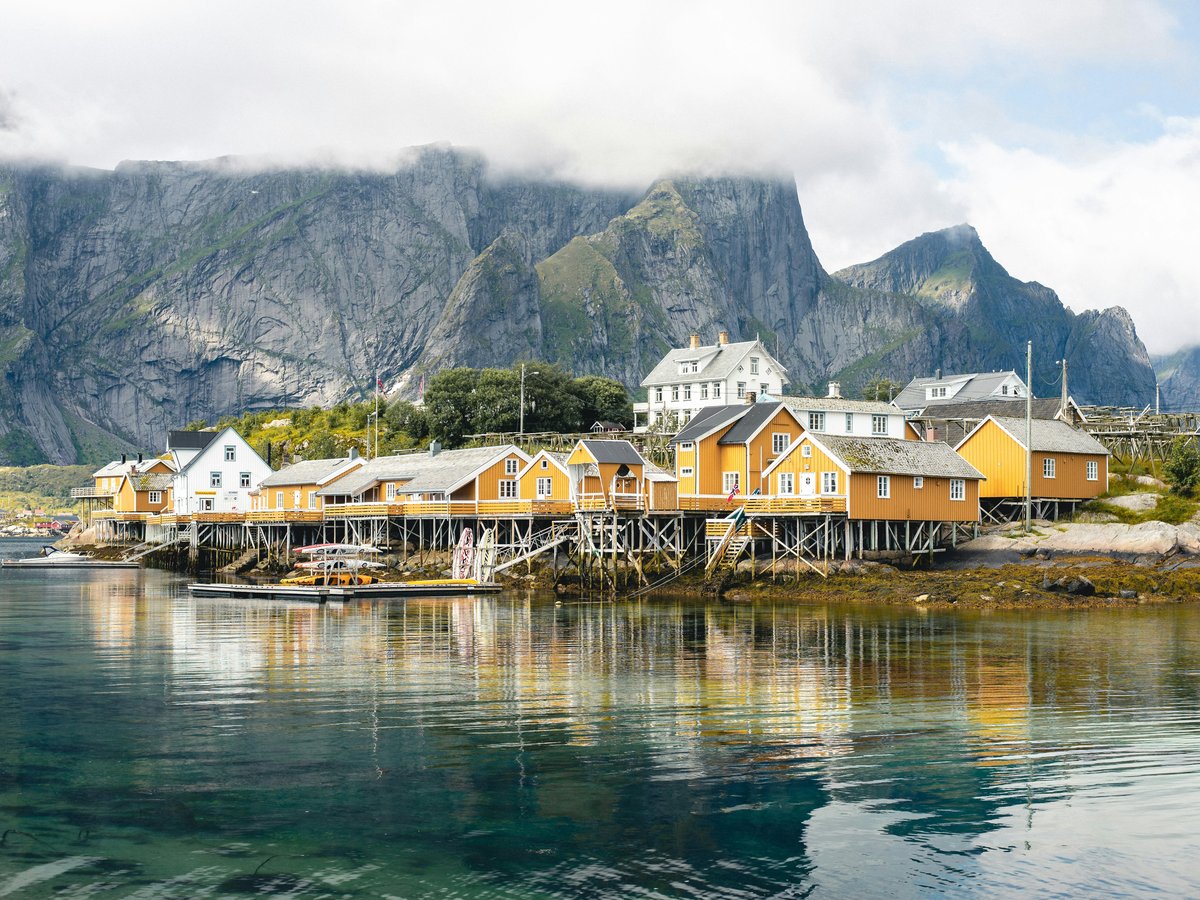
Best museums
Oslo is a museum city that rewards a visitor willing to move around it. The National Museum sits on Brynjulf Bulls plass 3, the Nobel Peace Center a few steps west on the same square, and the Munch Museum reads the harbour from Edvard Munchs plass 1, so a single walk along the waterfront takes in three of Norway's flagship institutions. Cross the fjord to Bygdøy and the register changes: polar exploration at Bygdøynesveien 36, balsa-raft ethnography next door at the same street number, Viking hulls at Huk Aveny 35, and open-air cultural history at Museumsveien 10. Inland, the University of Oslo keeps its Museum of Cultural History at 2 Frederiks gate in postal district 0164 and its Natural History Museum on Sars gate 1. This list favours venues with a real address you can walk to, a website you can plan on, and a subject that could only be told in Oslo, from Astrup Fearnley's harbour-side contemporary rooms to the wartime resistance rooms inside Akershus Fortress.
See the picks → -
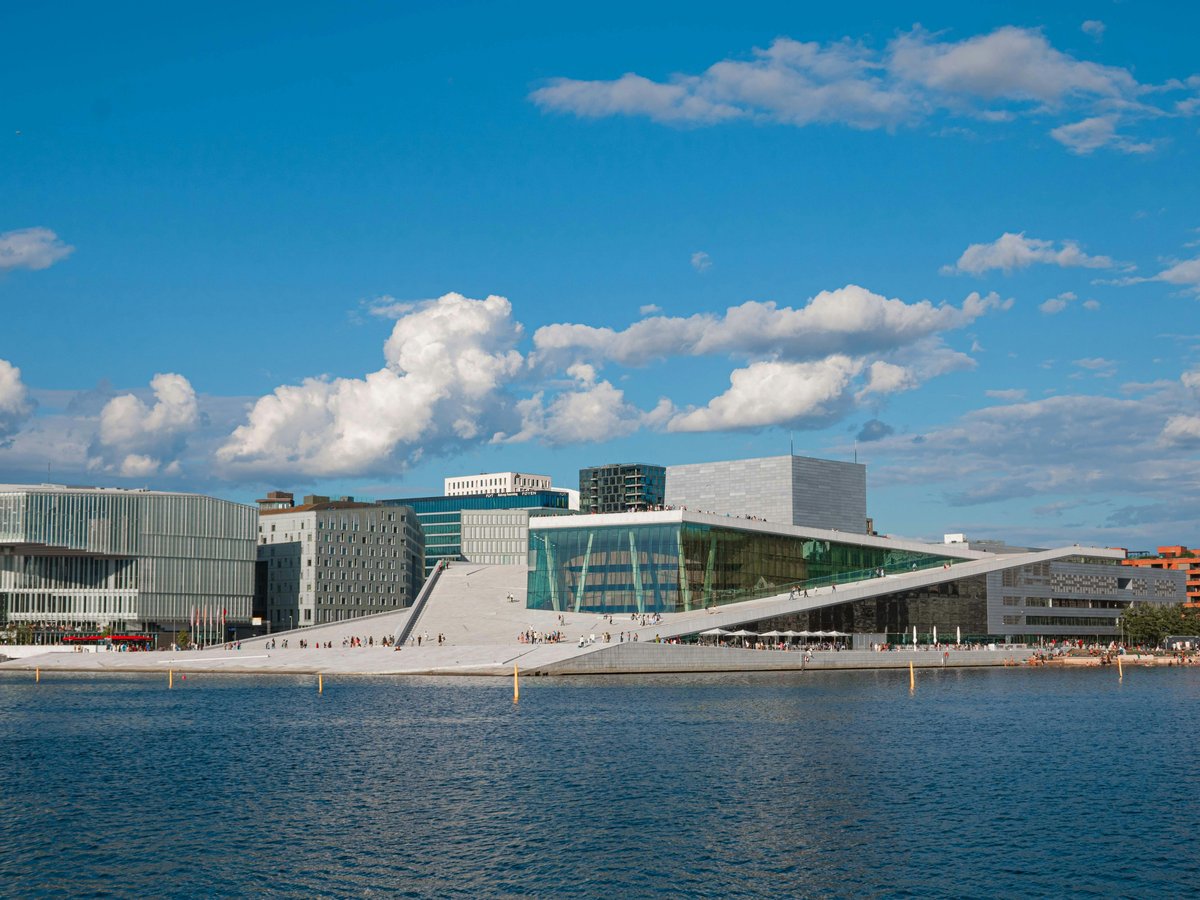
Must-see attractions
Oslo's must-see roster is a compact walk-and-water affair, weighted toward stone, timber and sung sound rather than blockbuster galleries. The city built its landmarks close together along the harbour edge and up the low ridge behind it, so a visitor can move from a marble opera roof to a wooden royal summerhouse to a working parish church without ever hailing a cab. The list below rotates through the four building types Oslo does best: the civic stages (opera, national theatre, folk theatre), the Lutheran and Catholic cathedrals that anchor the old grid, the parish churches that mark the residential ring, and the royal addresses that still function as royal addresses. It is written for the traveller who would rather read a plaque in Norwegian than queue for a novelty, and who is willing to walk 20 minutes uphill for a smaller room with better light. Every address, coordinate and website below is cited to Wikidata or the venue's own domain; nothing is inferred from a name. The order follows editorial rank, not proximity, so read it through before you plot the day: otherwise you will end up crossing the Akerselva three times.
See the picks →
food
-
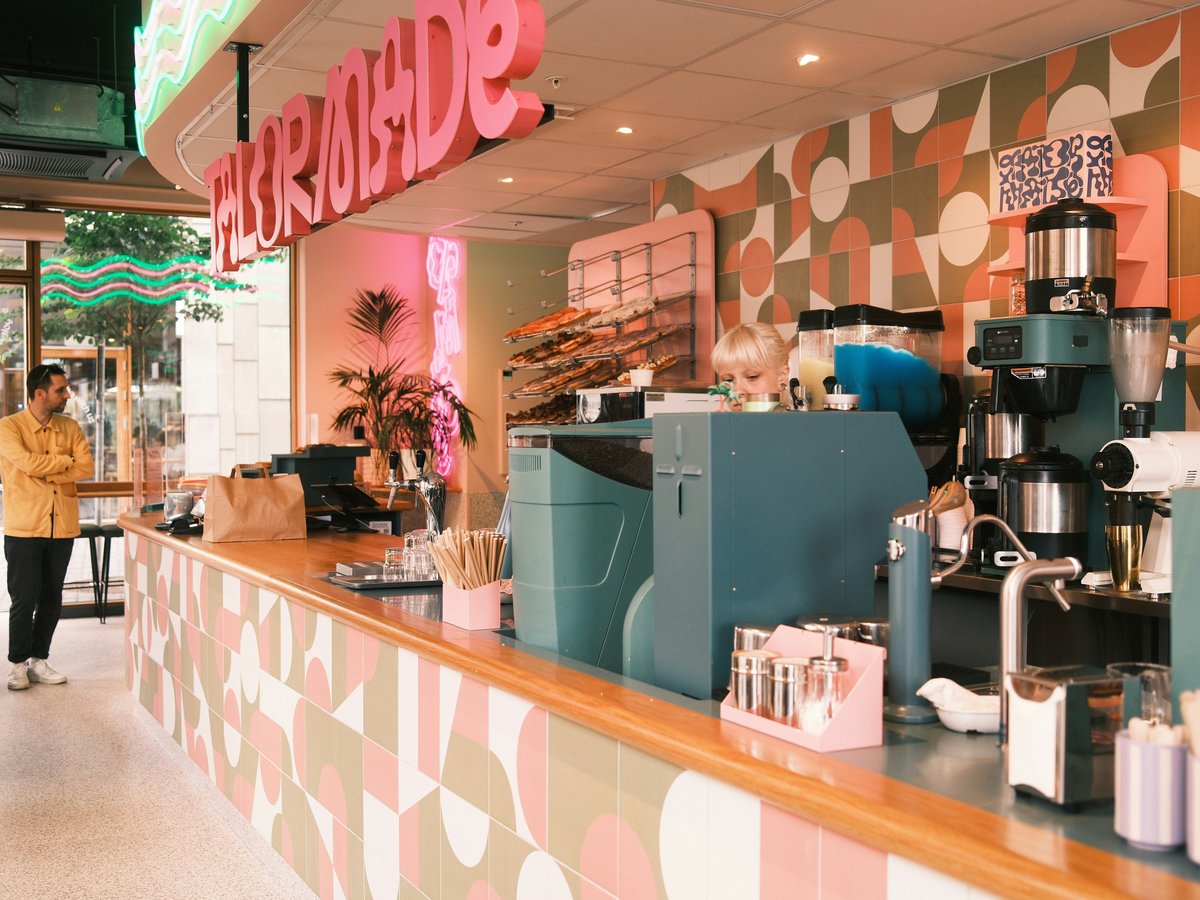
Best cafes
Oslo's coffee culture punches far above the city's size, shaped by a Nordic third-wave sensibility that treats espresso as a single-origin ingredient and the pastry counter as a serious side project. The twelve rooms below are not a greatest-hits reel of the harbour-front chains; they are the addresses a local editor rotates through across a working week: a chai counter that treats the drink as its whole argument, a pair of veteran roasters whose beans travel further than most Norwegians do, a bakery-cafe that opens before the trams warm up, and a plant-based brunch room in the east that has become the standing Sunday plan. They stretch from Aker Brygge on the fjord to Grünerløkka north of the river, and the hours run from 06:30 workday openings to weekend rooms that stay lit until 23:00. Read this as a week, not a ranking: a morning pastry, a mid-afternoon flat white, a late one on a Friday when the light finally goes.
See the picks → -
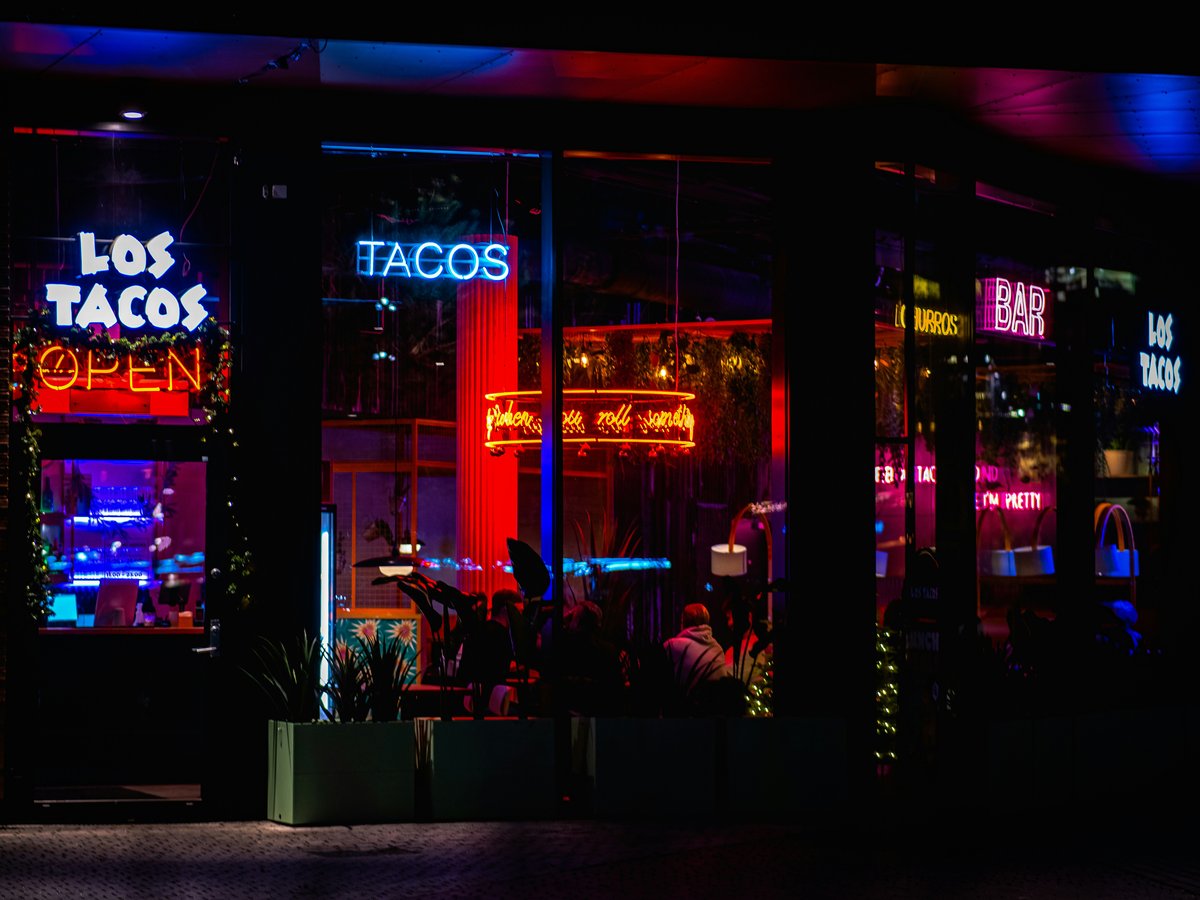
Best restaurants
Oslo eats close to the ground. The city's restaurants cluster in a handful of dense pockets, Grønland for the room-and-a-half places that stay open past 24:00, Vulkan for the grill-and-fire crowd on the Akerselva, Dronningens gate for the late-night pizza-and-noodle counters serving the office quarter, Grünerløkka for the neighbourhood tables that fill by 19:00 and empty toward the river. The list below is not a survey of fine dining; it is 12 rooms where the kitchen, the address, and the hours line up into something a visitor can use. Some are late (03:30 on a Friday at one; 03:00 at another), some are early (14:00 to 21:00 seven days at a sushi counter), and one closes on Mondays because the meat comes in on Tuesdays. Each entry is grounded in what the room is, where it is, and when it opens, so you can plan a night that runs from an early plate to a late drink without leaving the postcode you started in. Read the hours, walk the block, and let the address decide.
See the picks →
Browse by traveler type
- For foodies
Oslo for foodies
- For families with kids
Oslo for families
- For digital nomads
Oslo for digital nomads
- For solo travelers
Oslo for solo travelers
- For couples
Oslo for couples
- For budget travelers
Oslo on a budget
- For luxury travelers
Oslo for luxury travelers
- For first-timers
Oslo for first-time visitors
Book experiences in Oslo
 Free cancellation
 Oslo Highlights Bike Tour
City tour: 3 hours, free cancellation.
via Viator Free cancellation
 Guided Sightseeing Cruise on Oslofjord by Premium Silent Boat
Cruise: 2 hours, free cancellation.
via Viator Free cancellation
 Oslo Combo Tour: Grand City Tour and Oslo Fjord Cruise
Cruise: 7.5 hours, free cancellation.
via Viator Free cancellation
 Taste of Oslo Walking Tour
City tour: free cancellation.
via Viator Free cancellation
 Oslo Panorama Tour with Holmenkollen Ski Jump and Vigeland Park
City tour: 3.2 hours, free cancellation.
via Viator Free cancellation
 2hr Retro Motorcycle Sidecar Oslo Highlights Tour
City tour: 2 hours, free cancellation.
via Viator Free cancellation
 Oslo City Highlights with Fjord Cruise
Cruise: 5.5 hours, free cancellation.
via Viator Free cancellation
 Best of Oslo Guided Walking Tour
City tour: 2 hours, free cancellation.
via Viator Free cancellation
 Oslo: Norwegian Food Tour & Hidden Gems City Walk
City tour: 3 hours, free cancellation.
via Viator Free cancellation
 The Essential Oslo Private Walking Tour
Day trip: 3 hours, free cancellation.
via Viator Free cancellation
 Oslo Private Custom Tour with a Local: Highlights & Hidden Gems
City tour: free cancellation.
via Viator Free cancellation
 Oslo To Sognefjord Private Full Day Roundtrip Including Flam Railway
Outdoor experience: 15.5 hours, free cancellation.
via ViatorBrowse by interest
Find a flight to Oslo
Live fares to Oslo appear here once cookies are accepted.
Last verified by automated review (v1.7.2) on . What is automated review?