
Toronto's museums cover a long stretch of time: a historic site dating from 1793 at one end and a museum of Islamic history, artifacts and art dating from 2014 at the other. Between them are the large provincial institutions, two designated heritage houses, and several specialist museums, each given to a single subject: footwear, photography or transport. This list is for a visitor with a day or two who would rather know one subject well than tick off a checklist. The big names earn their places here, but some of the best hours you can spend in this city are in the smaller rooms that do one thing properly. Opening hours below come from the venues' mapped listings and can change with seasons and holidays, so check the official site before you set out. Where a museum has no hours listed, we could not verify them, which does not mean the museum keeps none.
-
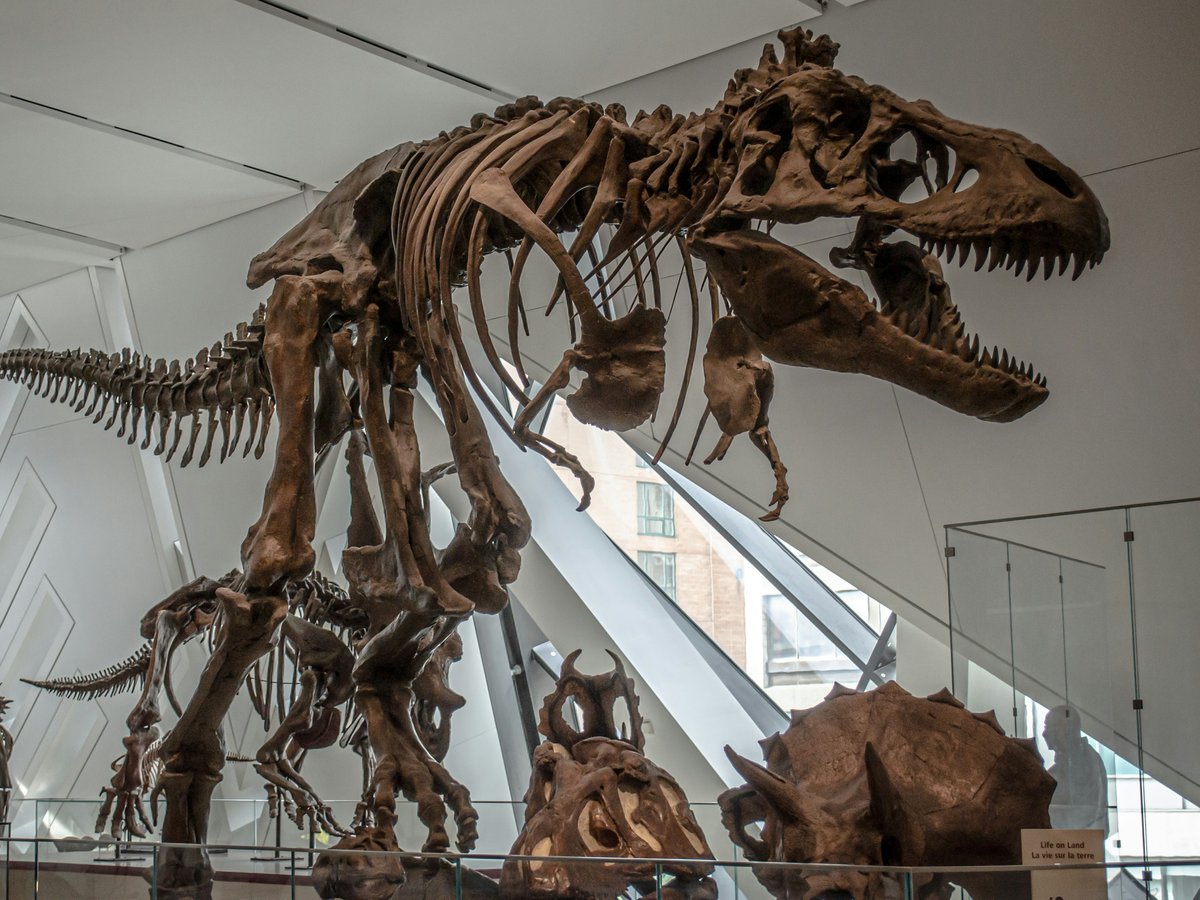
1 Royal Ontario Museum
100 Queen's ParkToronto, Ontario M5S 2C6World culture and natural history under one roof
The Royal Ontario Museum at 100 Queen's Park, M5S 2C6, opens at 10:00 every day, with a collection covering both world culture and natural history. That double remit is the reason to come. The pleasure is in crossing from one subject to the other in a single afternoon, at an institution that dates from 1912. Skip the urge to see everything in one go: pick a wing, give it two hours, and come back another day. Friday closes at 18:30 rather than the usual 17:30, making it the best fit for an after-work visit. Check rom.on.ca for current exhibitions before you go.
Dates from 1912
Hours: Sa-Th 10:00-17:30; Fr 10:00-18:30
-
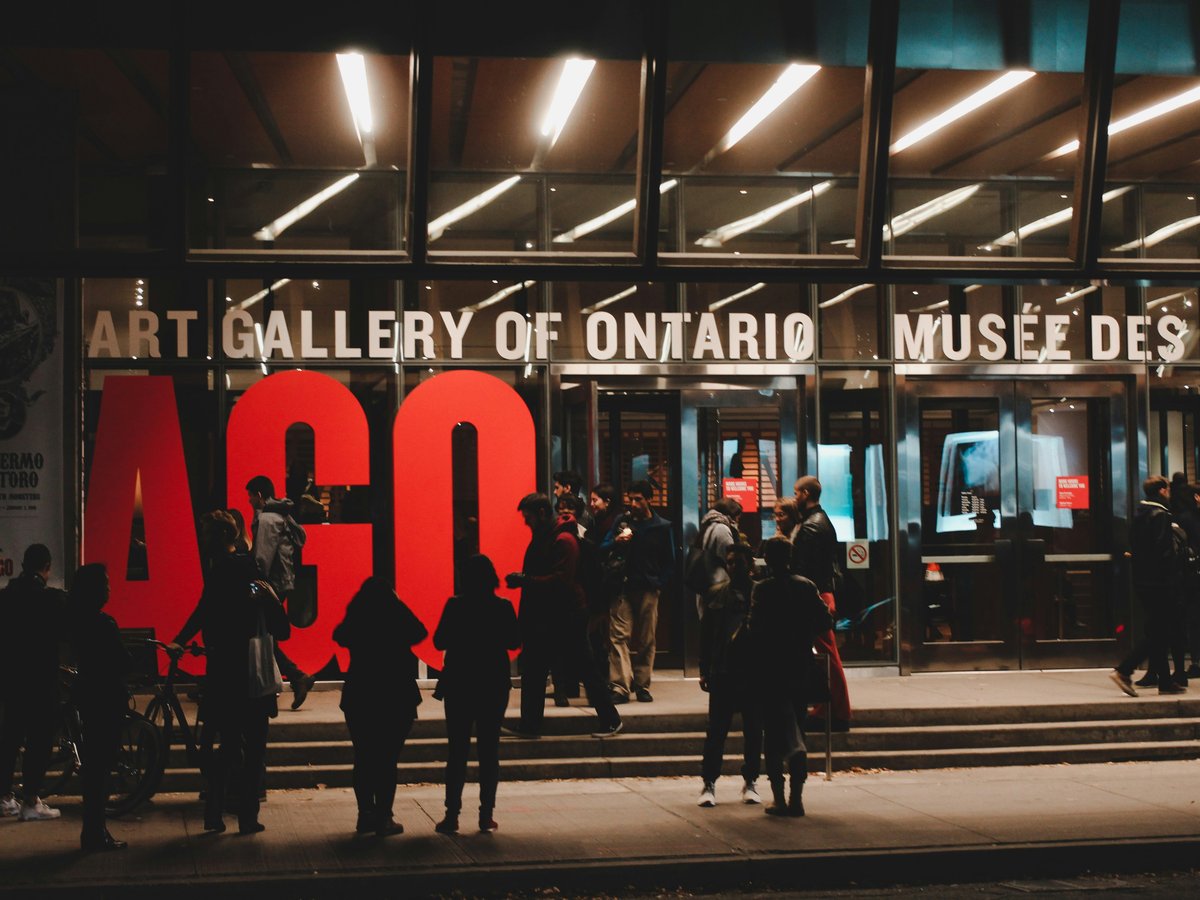
2 Art Gallery of Ontario
317 Dundas Street WestLate opening to 21:00 on Wednesdays and Fridays
At 317 Dundas Street West, the Art Gallery of Ontario stays open until 21:00 on Wednesdays and Fridays, and those two late nights are the best way in. Skip the weekend afternoon crush and come after dinner instead, when the rooms empty out and you can stand in front of one painting for as long as you like. The gallery dates from 1900 and is the city's namesake art museum for the province. Plan around Mondays, when it is closed. The rest of the week it opens at 10:30 and closes at 17:00 on Tuesday and Thursday and 17:30 on Saturday and Sunday. For questions, the listed phone number is +1-416-979-6648.
Dates from 1900
-
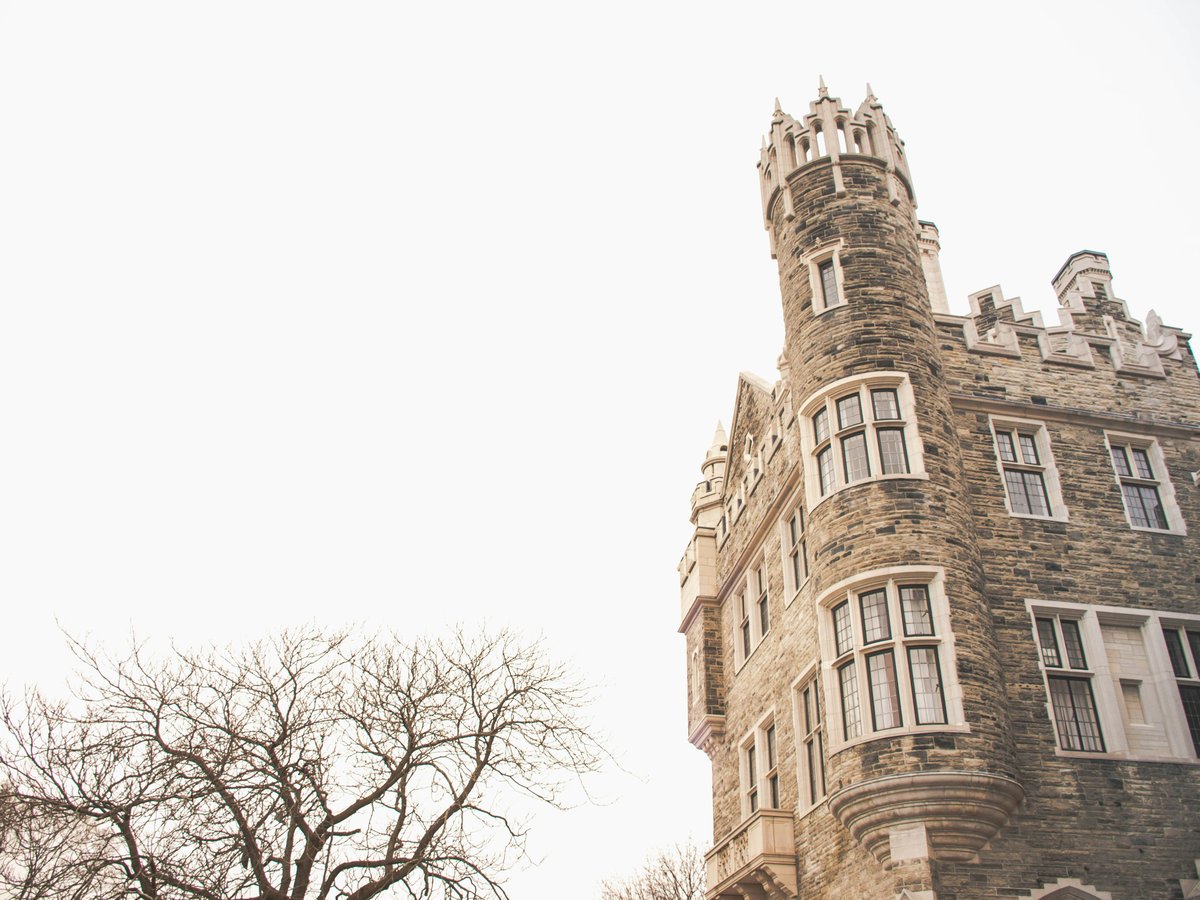
3 Casa Loma
1 Austin TerraceA heritage-designated mansion open to walk through
Casa Loma at 1 Austin Terrace dates to 1914 and is a mansion, not a museum in the usual sense, designated as a heritage property under part IV. The house itself is the exhibit: you walk through it room by room, spending more time studying ceilings and staircases than reading labels. It opens daily from 09:30 to 17:00. Mid-day brings the crowds; we'd arrive at opening, when the rooms are calmest. If you need to check something before the trip, the listed phone number is 4169231171.
Dates from 1914 · Designated heritage property (part IV)
Hours: Mo-Su 09:30-17:00
-
4 Bata Shoe Museum
Bloor Street WestA whole museum devoted to footwear
The Bata Shoe Museum on Bloor Street West dates from 1995 and opens at 10:00 Monday to Saturday and at 12:00 on Sunday, following its single subject much further than you'd expect. For a short visit, it beats the sprawling encyclopaedic galleries: give it an hour and you'll leave looking at everyone's feet on the subway. It closes at 17:00 every day and stays shut on 25 and 26 December and on 1 January. Check batashoemuseum.ca to see what is on before you go.
Dates from 1995
-
5 Aga Khan Museum
77 Wynford Drive, Toronto, OntarioIslamic history, artifacts and art
At 77 Wynford Drive, the Aga Khan Museum is given over to Islamic history, artifacts and art, dating from 2014 and the most focused museum on this list: one tradition, presented with care. Making the trip out is part of the reward, because a dedicated journey brings an unhurried visit and more time with each object. Don't treat it as an add-on squeezed between other sights; give it a morning or an afternoon of its own. We could not verify its opening hours for this list, so check agakhanmuseum.org before you leave.
Dates from 2014
-
6 Fort York
250 Fort York Boulevard, TorontoA historic site within a heritage conservation district
Fort York, dating from 1793, sits at 250 Fort York Boulevard and is a historic site, not a gallery. Its grounds form a heritage conservation district, so the protection covers the whole setting, not just a few display cases. We'd skip the indoor timeline-and-diorama approach to history: at Fort York you stand on the ground where the story happened and work it out from there. Bring a jacket on cold days, since a good part of the visit is spent outside. We could not verify opening hours for this list, so check fortyork.ca before you go.
Dates from 1793 · Heritage conservation district
-
7 Textile Museum of Canada
55 Centre Avenue, Toronto, M5G 2H5A museum given entirely to textiles, dating from 1975
Colour runs through every gallery at the Textile Museum of Canada, 55 Centre Avenue, M5G 2H5. The museum dates from 1975, and the subject rewards close attention: weave, thread, and pattern are best studied slowly. Skip the blockbuster queues and take an unhurried hour here. It is the kind of place where you notice something new each time you lean in, and if you bring someone who sews or knits, they will slow you down in the best way. We could not verify opening hours, so check textilemuseum.ca before you go.
Dates from 1975
-
9 The Image Centre
Bond Street, TorontoPhotography museum and education centre
The Image Centre on Bond Street is devoted entirely to photography, a museum and an education centre that has been running since 2012. You feel that dual purpose the moment you walk in: the work on the walls is there to be studied and argued over, not simply admired. If you love photographs, skip the souvenir-print stalls. This is where you look at them properly, one frame at a time, and leave with an opinion. Our verified record holds no opening hours, so confirm before you go and don't assume it keeps the same schedule as the large museums.
Dates from 2012
-
10 John Street Roundhouse
Bremner Boulevard, TorontoA transport museum in a heritage-designated railway building
The John Street Roundhouse on Bremner Boulevard is a transport museum and a designated heritage property under part IV, open since 2010, with its official site at torontorailwaymuseum.com. The building is a big part of the appeal: you are looking at railway history inside a protected railway structure, not in a white-walled gallery. If trains leave you cold, the trip is not worth making for that alone. For anyone with a soft spot for machinery, or a child who stops at every level crossing, it repays an hour. Hours were not in our verified record, so check the website before you go.
Dates from 2010 · Designated heritage property (part IV)
-
11 Museum of Contemporary Art Toronto Canada
158, Sterling Road, TorontoContemporary art at 158 Sterling Road
The Museum of Contemporary Art Toronto Canada, at 158 Sterling Road, dates from 1999. Come here for the present tense. The two big institutions at the top of this list give you the canon, and this is where you see what artists are working on now. Skip the polished blockbuster circuit if you want work that might still divide the room. Some of it will not land for you, and that is part of the point. Go in with an open hour and no checklist. We could not verify opening hours, so check mocca.ca before you set out.
Dates from 1999
-
12 Spadina House
285 Spadina RoadA heritage-designated manor open Wednesday to Sunday
Spadina House at 285 Spadina Road is a designated heritage property under part IV, and its museum record goes back to 1984. It opens Wednesday to Sunday from 11:00 to 17:00, which rules out a Monday or Tuesday visit. We'd choose this over the grander showpiece mansions for a slow afternoon: the scale is domestic, so you can picture someone living here rather than inhabiting a stage set. Give it an unhurried hour, and check the official page on toronto.ca for anything that might change the week's schedule.
Dates from 1984 · Designated heritage property (part IV)
Hours: We-Su 11:00-17:00
This is an early version of the Toronto list. We add picks as we test more places.
Last verified by automated review (v1.7.2_fame1017d-1015-1363-20261017202624) on . What is automated review?