
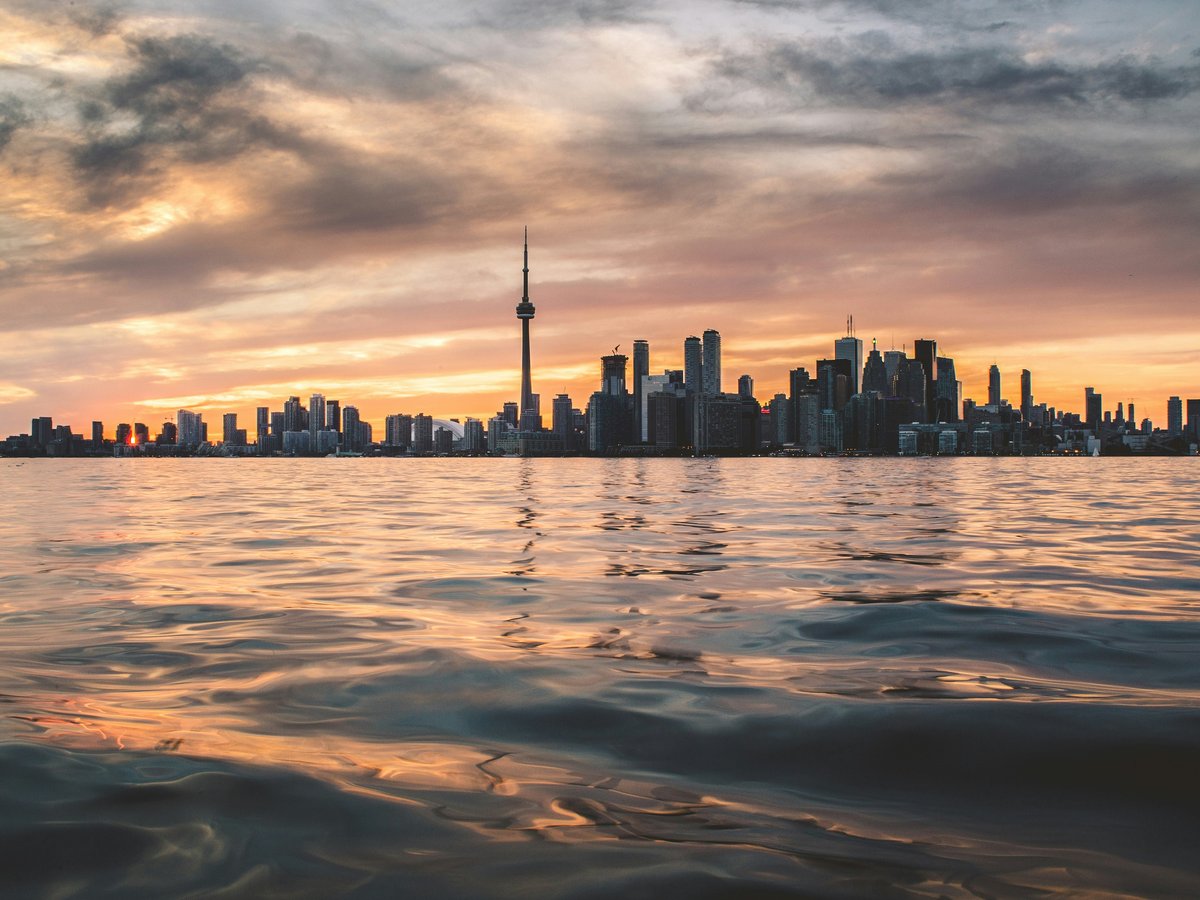
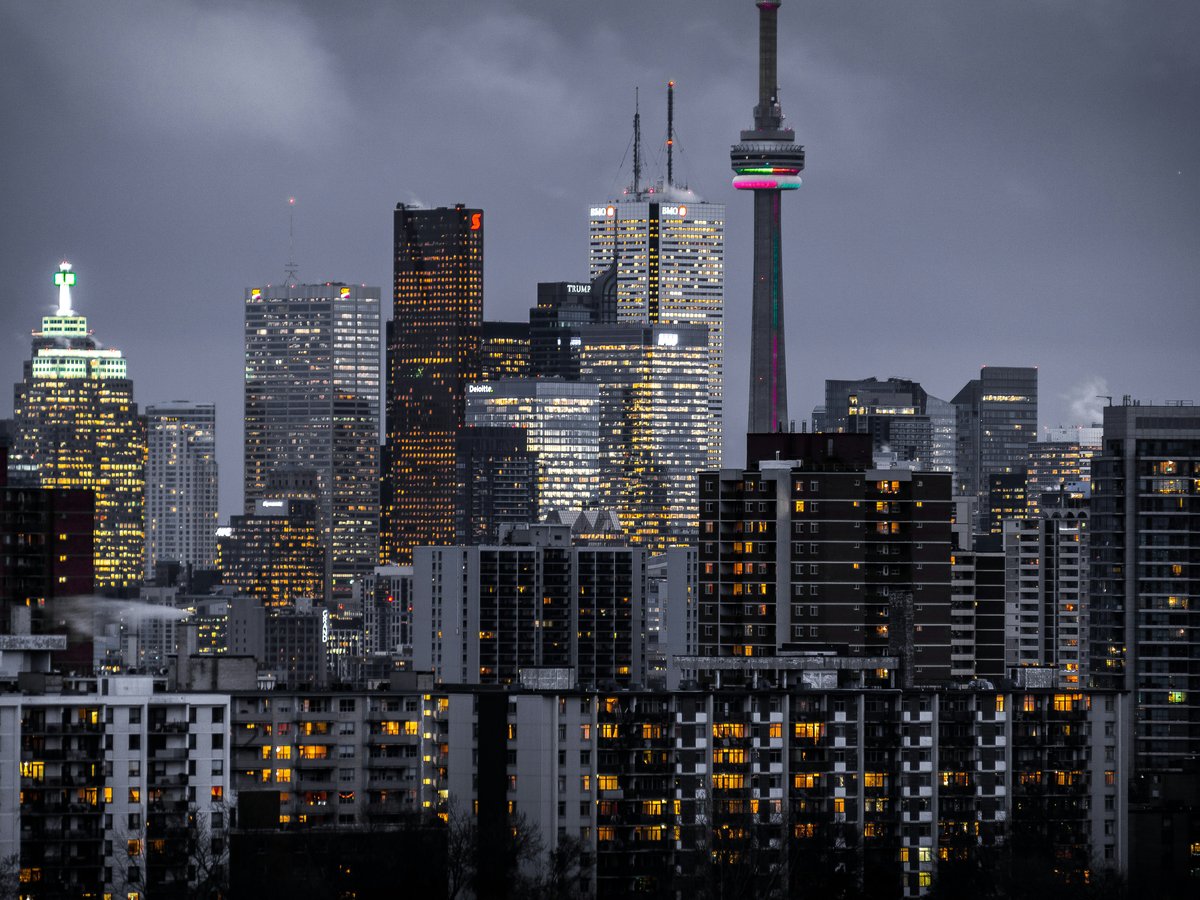
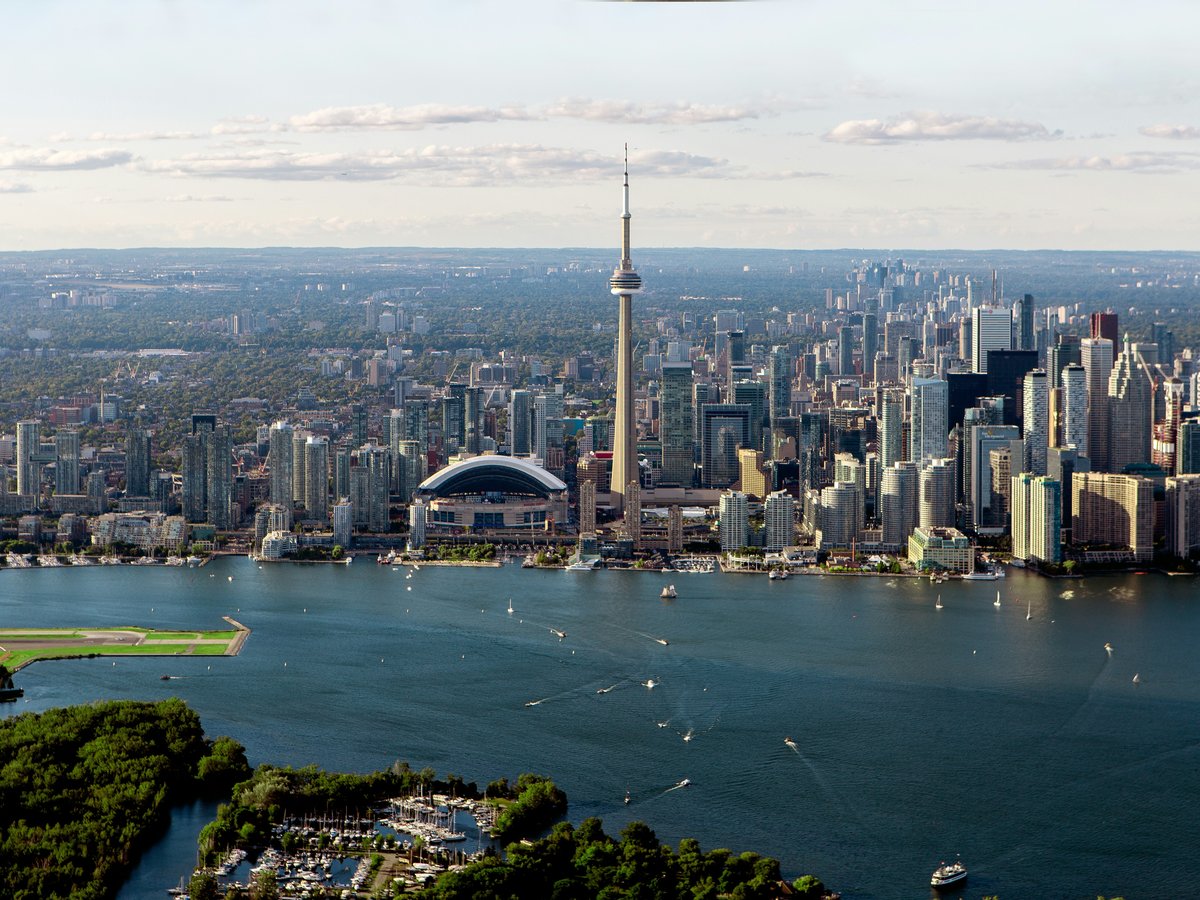
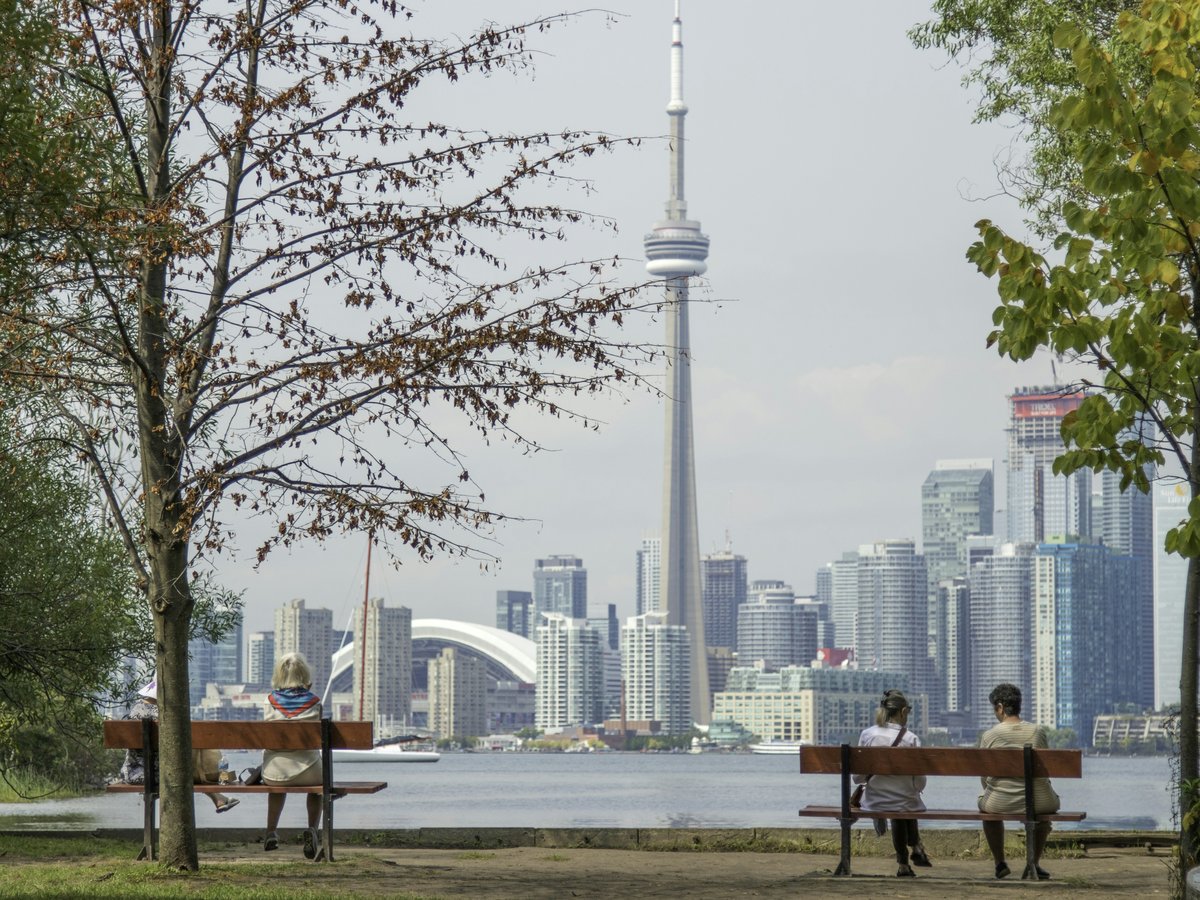
Toronto sits on the northwestern shore of Lake Ontario, a city whose downtown slopes gently from a waterfront of converted rail yards up to a midtown ridge where the CN Tower stands framed against open water. Nearly 2.8 million people live here, making it Canada's largest city by a wide margin, and roughly half were born outside the country: a demographic fact that shapes everything from the streetscape to the way people eat. The old core follows a grid laid down in the 1790s by British colonial surveyors, and that grid still organizes daily life: Yonge Street runs north from the harbour as the central axis, dividing east from west, while Bloor Street marks the transition from downtown density to the lower-rise residential neighbourhoods above it. Kensington Market, a few blocks west of the University of Toronto campus, is where Portuguese fish shops sit next to Jamaican patty counters and vintage clothing stores crammed into converted Victorian row houses. The Distillery District, east of downtown, preserves a cluster of nineteenth-century whiskey buildings now given over to galleries and restaurants. Parkdale, further west along Queen Street, has shifted from rooming-house neighbourhood to a strip of Tibetan momos, Filipino bakeries, and third-wave coffee. A first visit in any season means reckoning with scale: the PATH network, underground walkways connecting over thirty kilometres of retail and office space beneath the financial district, exists because winters drop below freezing and hold there for months. Summers push into the low thirties Celsius, and the city empties toward the Toronto Islands, car-free parkland reachable by a ten-minute ferry from the downtown terminal. The TTC subway runs on just two main lines but covers the core reliably, and streetcars still operate on several downtown routes, a holdover from a transit network that never fully converted to buses.
Toronto in photos


Toronto right now
Answers about Toronto
-
Airport to city
Take the UP Express from Toronto Pearson (YYZ) to Union Station. It costs $12.35 CAD ($8.90 USD), runs every 15 minutes, and reaches downtown in 25 minutes. After midnight, Uber from the ground-level pickup zone runs $35-50 CAD to most downtown hotels. Skip the taxi queue unless you're headed somewhere the UP Express doesn't serve.
Read the full answer → -
Best time to visit
We'd point you to the second half of September, after the film festival crowds have gone. Highs sit near 20°C and Lake Ontario still holds its summer warmth. June is a close second, with long light evenings on the Toronto Islands. Skip January to March, when wind off the lake can push the felt temperature below minus 15°C.
Read the full answer → -
Cost per day
Budget travelers spend about C$90 (~$65 USD) per day in Toronto on a hostel dorm, Chinatown meals along Spadina Avenue, and TTC rides. Midrange runs C$280 (~$200 USD) with a three-star near Dundas Square and restaurant dinners. Tax and tips together add 30%+ to every posted menu price.
Read the full answer → -
Cultural etiquette
Toronto expects 15-20% tips at restaurants, and skipping the tip is considered rude, not thrifty. Remove shoes in any private home without being asked. Say "sorry" freely, even when it's not your fault. The TTC has its own unwritten rules. Public drinking is illegal outside licensed patios.
Read the full answer → -
Best day trips
Niagara-on-the-Lake (130 km, 90 minutes by car) leads for couples, with 40+ wineries and the Shaw Festival running April through November. Stratford (150 km west) pairs the Stratford Festival with restaurants that punch above a town of 33,000. Hamilton's waterfalls are under an hour on GO Transit. All work as single-day round trips from Union Station.
Read the full answer → -
Digital nomads
Toronto scores 7.2/10 for digital-nomad suitability (sourced from TTDI's editorial rubric), with 300-1,000 Mbps residential fibre, coworking from CAD 275 a month at CSI Spadina, and a realistic all-in budget of USD 3,200. No dedicated nomad visa exists, but standard visitor entry allows 6-month stays with remote work for non-Canadian employers permitted.
Read the full answer → -
Family-friendly
Toronto is family-friendly, 8 out of 10, with winter cold as the main asterisk. The Royal Ontario Museum's dinosaur hall, Ripley's Aquarium beside the CN Tower, and the Toronto Islands ferry loop keep kids 2-12 busy for days. Strollers handle downtown sidewalks well, though not every TTC subway station has an elevator yet.
Read the full answer → -
Food culture
Toronto's food identity comes from its immigration patterns. Over 200 nationalities cook here, and the best meals sit in suburban strip malls far from the CN Tower. Peameal bacon at St. Lawrence Market for $9 CAD, Jamaican patties on Eglinton West for $3, dim sum on Spadina for $6 a steamer, goat roti in Scarborough for $14.
Read the full answer → -
Getting around
PRESTO card on the TTC subway and streetcar for everything downtown and midtown. Load $20 CAD for two full days of rides at $3.35 per tap. Uber for late nights and cross-town trips the subway doesn't serve well. The PATH keeps you underground and warm from Union Station to the Eaton Centre in winter.
Read the full answer → -
How to get there
Toronto Pearson International (YYZ), 27 km northwest of downtown, handles nearly all international traffic with direct flights from over 180 destinations. Billy Bishop (YTZ), on the Toronto Islands 3 km from the Financial District, is Porter Airlines territory for East Coast and short-haul routes. Round-trip fares from New York start around US$150, from London around £400.
Read the full answer → -
Is it safe?
Toronto scores 7.8 out of 10 for solo-traveler safety (see the TTDI Solo-Safety Index). Violent crime against visitors is rare. The real risks are aggressive panhandling near Sherbourne Street, winter windchill that causes frostbite from November to March, and TTC subway service ending at 1:30am when Blue Night buses take over. Call 911 for emergencies.
Read the full answer → -
Layover guide
Yes, with 6 or more hours at Toronto Pearson. The UP Express reaches Union Station in 25 minutes, and most nationalities enter Canada visa-free or with a quick online eTA. One focused stop fits a 6-hour window. Two stops work with 8 hours. Under 6, stay airside.
Read the full answer → -
LGBTQ-friendly
Toronto scores 9.5/10 for LGBTQ+ friendliness (sourced from TTDI's editorial rubric). Canada was the fourth country to legalize same-sex marriage. The Village, Toronto's queer anchor neighborhood, packs bars, bookshops, and community spaces into 4 walkable blocks. Same-sex couples hold hands freely from Yorkville boutiques to the Harbourfront boardwalk.
Read the full answer → -
Where locals go
Torontonians spend weeknight evenings on the Ossington and Dundas West strip, Saturday mornings at The Stop's farmers' market in the Wychwood Barns off St. Clair West, and warm afternoons on the grass in Trinity Bellwoods Park. For a working day, the Toronto Reference Library at Yonge and Bloor is free and quieter than any Queen West cafe until the after-school crowd arrives around 3:30pm.
Read the full answer → -
Must-see
The CN Tower. Toronto's 553-metre communications tower, built in 1976, remains the single structure that orients you to the entire city. The main observation level at 346 metres costs CAD $43 for adults. Go within your first 3 hours in town. Once you see the grid from above, every neighbourhood makes sense.
Read the full answer → -
Solo travel
Toronto rates 8/10 for solo travel. The TTC subway runs until 1:30am on weekends, single-occupancy hotel rooms rarely carry a supplement, and the city's 140-plus language communities mean solo diners draw zero attention anywhere. Kensington Market and The Annex are where you'll find social momentum fastest.
Read the full answer → -
This week
Toronto this week sits around 24°C with 77% humidity and afternoon thunderstorms that tend to clear by evening. Saturday mornings belong to St. Lawrence Market. Weeknight dining along Ossington and Dundas West peaks Tuesday through Thursday. Front-load outdoor time before 1pm, when the Queens Quay waterfront still carries a breeze.
Read the full answer → -
3-day itinerary
Day 1 covers the waterfront from St. Lawrence Market to the Distillery District. Day 2 heads north through Kensington Market, the Art Gallery of Ontario, and the Royal Ontario Museum. Day 3 takes the ferry to Toronto Islands before heading uptown to Casa Loma. About 24 kilometres of walking across three days, with short TTC subway hops between clusters.
Read the full answer → -
What to avoid
Skip the CN Tower when cloud sits on Lake Ontario, the unlicensed drivers who approach you inside Pearson's arrivals hall, Sankofa Square's billboards, and the chain patios along Queens Quay. Take the UP Express to Union Station rather than a taxi, eat at St. Lawrence Market, and remember that Ontario menu prices exclude sales tax and the tip.
Read the full answer → -
What to pack
Pack layers for Toronto's 30°C temperature swings between air-conditioned interiors and humid summer streets. Walking shoes that handle both concrete sidewalks and the 30-km underground PATH network are non-negotiable. Canadian outlets run 120V Type A/B, same as US plugs. European and UK visitors need a North American adapter.
Read the full answer → -
Where to stay
Stay in the Entertainment District between King and Front streets for a first visit to Toronto. You're on the subway at St. Andrew and Union stations, a 10-minute walk from the CN Tower, and connected to the PATH underground network for Toronto's -15°C winters. Mid-range hotels run $120-180 USD per night.
Read the full answer →
Deep guides for Toronto
Curated lists for Toronto
accommodation
-
Best boutique hotels
Toronto's hotel inventory clusters in two corridors: the downtown core south of Bloor Street, where condo conversions and conference-district suites fill the blocks between Union Station and Queen West, and the airport belt along Highway 427, where extended-stay brands serve transit passengers and business travelers on tighter budgets. Between those anchors sit residential pockets in North York, Etobicoke, and the western suburbs, each trading walkability for lower nightly rates. The downtown neighborhoods reward visitors who want to walk to the CN Tower, St. Lawrence Market, or the Distillery District without hailing a cab. The airport-adjacent areas reward those who need a shuttle ride, a kitchen, and a parking spot more than a streetcar stop. Price tiers overlap more than you might expect: a well-rated suite near Pearson can cost less than a bare-bones condo downtown, and a $84 room in Etobicoke City Centre undercuts anything the core offers. Not every neighborhood here feels distinct on foot; some are commuter belts that happen to have hotels. The difference between a streetcar-line address and a highway-side room is worth understanding before you book.
See the picks → -
Best hostels
Toronto's hostel scene splits along its subway lines. The densest inventory clusters in two overlapping downtown zones, one around the entertainment district south of Queen Street, the other near the University of Toronto campus further north. Both put you within walking distance of the CN Tower, Kensington Market, and the streetcar network that stitches the city together. West along Queen Street, Parkdale offers the cheapest beds in the city in a neighborhood that still belongs to its residents rather than its visitors. East and north, Scarborough trades urban density for suburban quiet and homestay rooms at prices that undercut the core. All four areas connect to the TTC subway or streetcar grid, so the real question is not access but atmosphere: loud and central, residential and cheap, or removed and calm. Budget travelers will find beds ranging from $24 in Parkdale to $52 near campus, and the gap buys a very different version of the city.
See the picks → -
Best luxury hotels
Toronto's luxury hotels cluster in two zones: the Financial District and the broader Downtown core. Nightly rates in this selection range from USD 200 to USD 604, and the spread reveals the market's structure. At the lower end, you get a clean room and a prime address; at the upper end, you get a spa, an indoor pool, an executive lounge, and staff who anticipate before you ask. Trip.com guest ratings across these twelve properties fall between 8.7 and 9.4, a narrow band that rewards close reading. The difference between an 8.7 and a 9.4 at this price tier is usually service and atmosphere, not square footage or thread count. This list is for visitors who want to sleep well in central Toronto without overpaying for amenities they will never touch, and for those willing to pay a premium when the property earns it.
See the picks → -
Where to stay
Toronto's accommodation map splits along a simple axis: the lakefront core where most travelers default, and the quieter residential orbits where rates drop and space opens up. The core stretches from the Financial District's old rail hotels west through the Entertainment and Fashion districts, then south to the waterfront parkland around Niagara. North of Bloor, the city turns suburban; out past the 427, Etobicoke and Eringate serve the airport crowd more than the sightseeing crowd. The ten neighborhoods below sit at different points on that spectrum. Downtown clusters concentrate the highest hotel counts and the widest tier range, from $43 hostel bunks to $800 luxury suites. The further you move from the intersection of Yonge and Dundas, the more your nightly rate buys in square footage and kitchen access, and the less it buys in walkable restaurants and late-night transit frequency. Choosing where to stay in Toronto is less about finding the best neighborhood and more about matching your trip's center of gravity: theatre tickets and rooftop bars pull you toward King West; conference schedules anchor you near Union Station; a week-long stay with grocery runs favors the suite hotels near Pearson. Each area below includes tier-balanced picks so you can compare what a budget, mid-range, or luxury bed costs in each part of the city.
See the picks →
attractions
-
Best free attractions
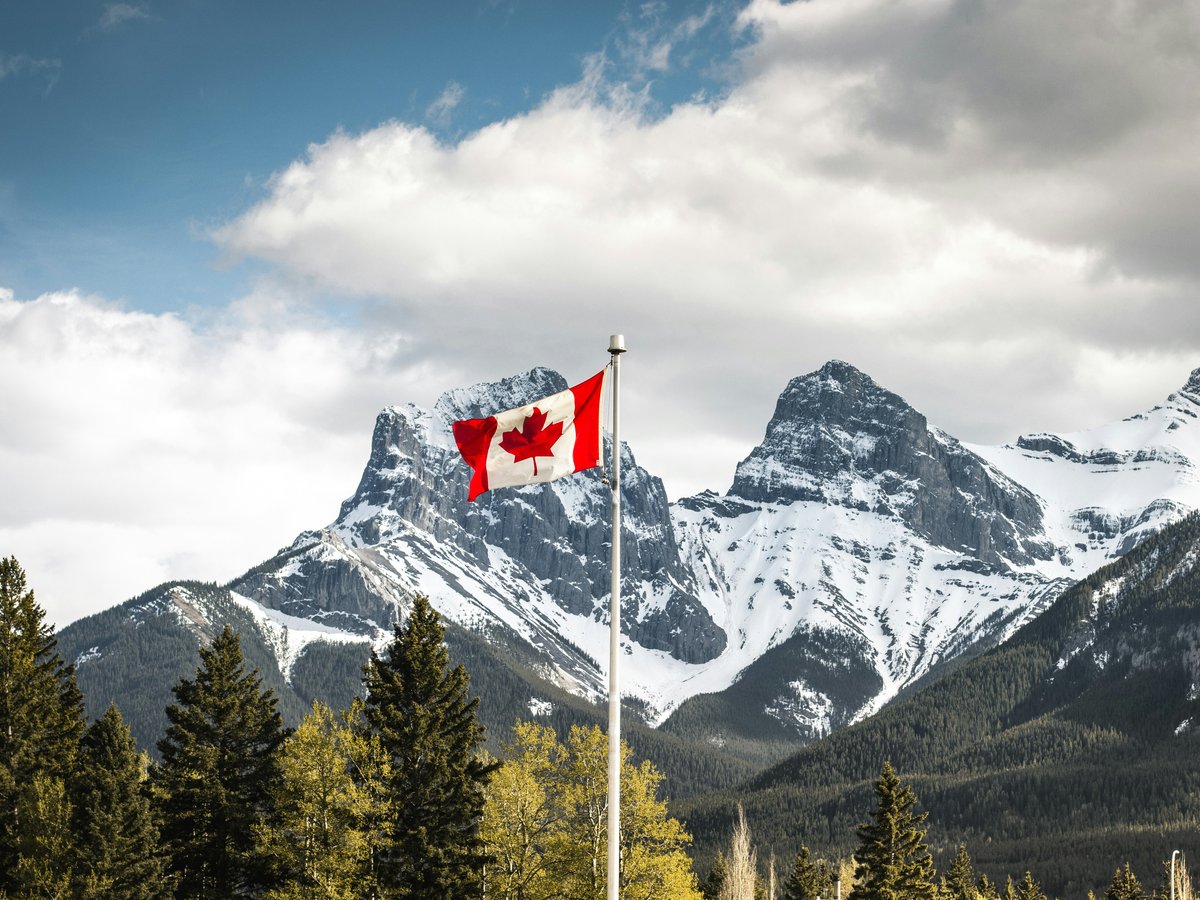
Toronto keeps its civic pride outdoors, and the best way to read the city without spending money is to walk its squares, parks and gardens. This list starts with the downtown plazas built for crowds and ends with quieter greens where a dog walker is often the loudest thing around. Allan Gardens, the oldest pick here, dates from 1858, the plaza in front of City Hall from 1965, and High Park carries an Area of Natural and Scientific Interest designation. Biidaasige Park is mapped as open 24/7, so it suits early risers and night owls alike. The list is for walkers, for families filling a long afternoon, and for anyone who would rather spend a morning watching a city use its public space than stand in a ticket queue. Bring comfortable shoes and a transit pass, and check each official site before you set out.
See the picks → -
Best museums
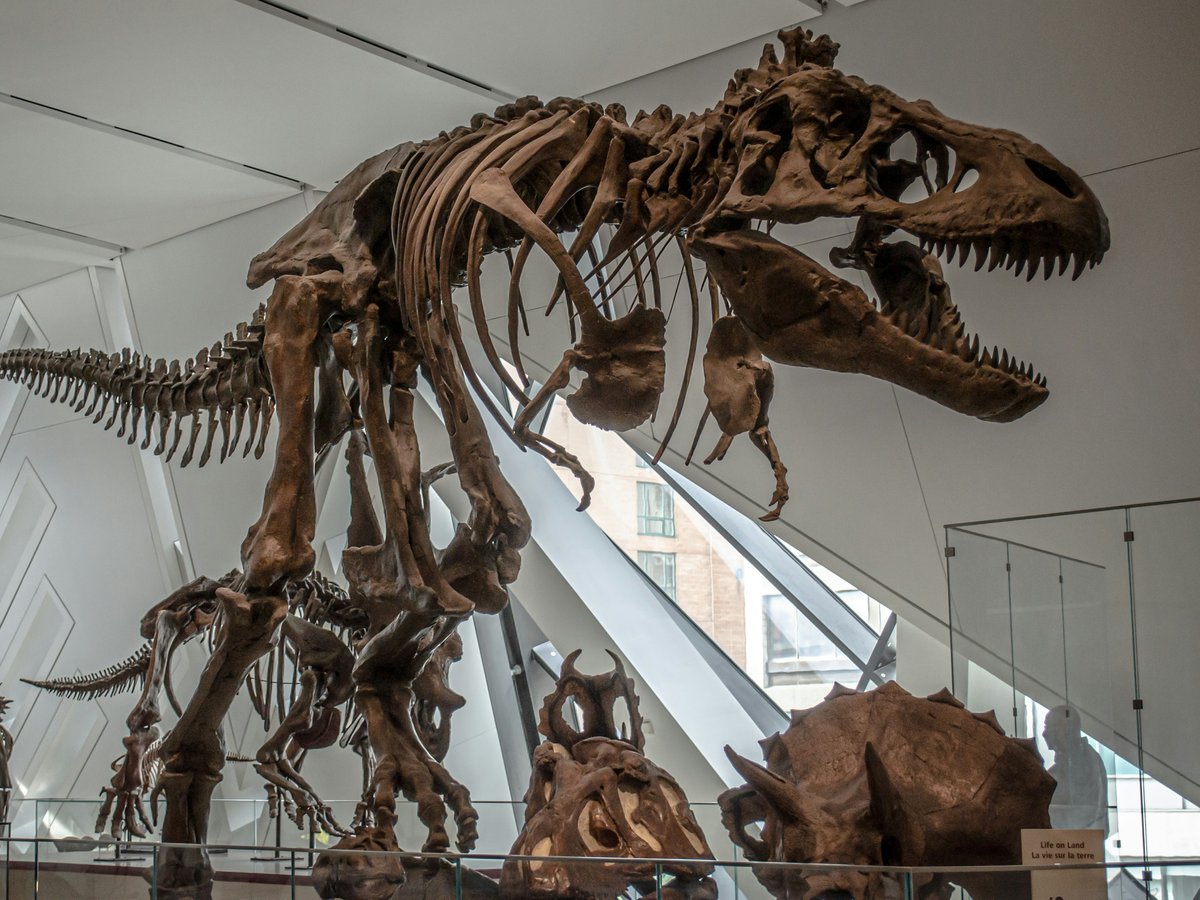
Toronto's museums cover a long stretch of time: a historic site dating from 1793 at one end and a museum of Islamic history, artifacts and art dating from 2014 at the other. Between them are the large provincial institutions, two designated heritage houses, and several specialist museums, each given to a single subject: footwear, photography or transport. This list is for a visitor with a day or two who would rather know one subject well than tick off a checklist. The big names earn their places here, but some of the best hours you can spend in this city are in the smaller rooms that do one thing properly. Opening hours below come from the venues' mapped listings and can change with seasons and holidays, so check the official site before you set out. Where a museum has no hours listed, we could not verify them, which does not mean the museum keeps none.
See the picks → -

Must-see attractions
Toronto's must-see list runs deeper than its skyline suggests. The communications and observation tower from 1976 is the obvious starting point, but the dates reach much further back: Fort York from 1793, the Church of the Holy Trinity from 1847, St. Michael's Cathedral from 1848, and the Cathedral Church of St. James from 1853. The 1900s brought two synagogues (Anshei Minsk from 1930 among them), two libraries (Robarts from 1973 and the Toronto Reference Library from 1977), and two theatres: the Ed Mirvish Theatre from 1920 and the Royal Alexandra. Several of these buildings carry formal heritage protection. This list is for visitors who take in the view from the top and then want to walk the streets and see how the city got there; it favours places where people still worship, study and go to shows over places whose purpose begins and ends with the photograph.
See the picks →
food
-
Best cafes
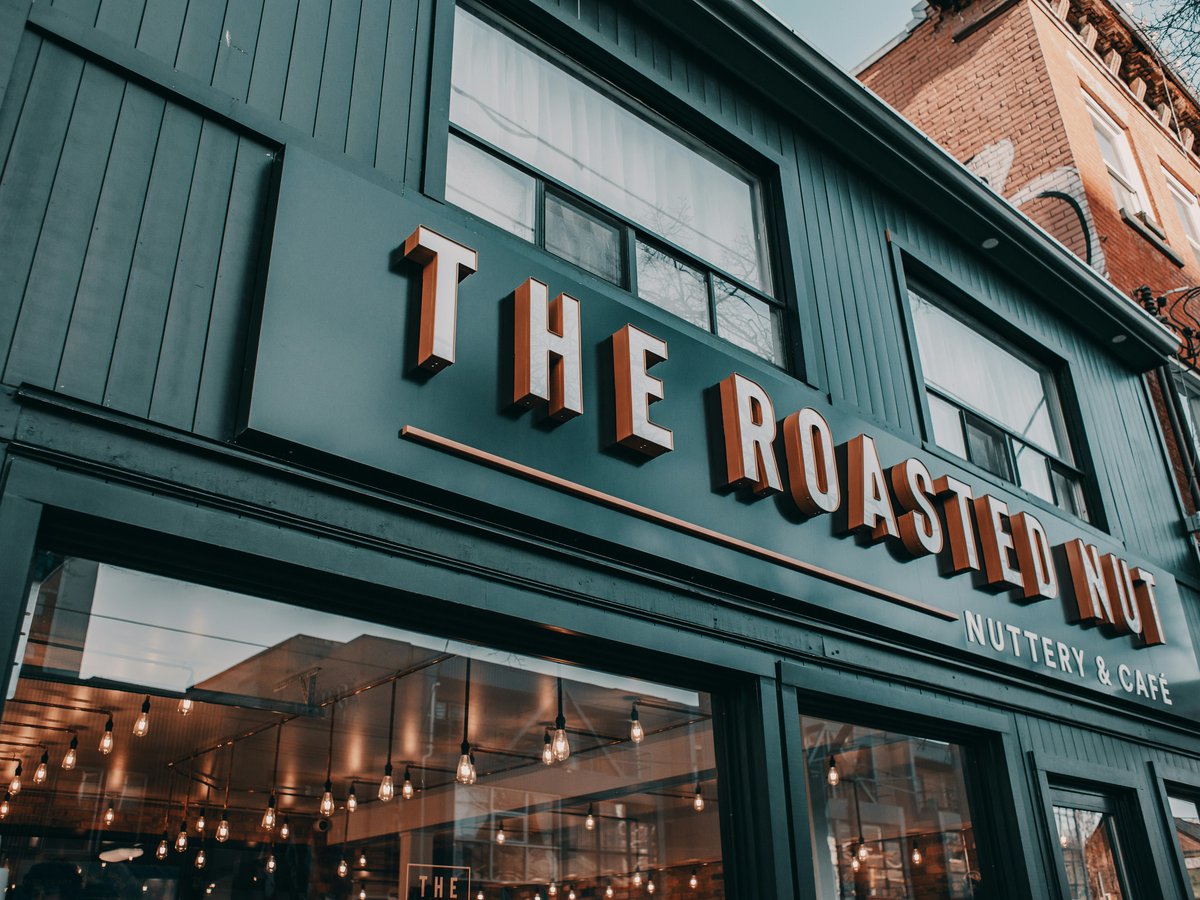
Toronto's cafe scene sorts itself into two honest camps: the independents that treat coffee as a craft worth arguing about, and the chains that treat it as fuel for a city that starts moving at 06:00. Both have their place, and this list respects the difference. What you will not find here is pretence: the room-with-a-mission cafes that flatter their own aesthetic more than they respect their beans. What you will find is twelve addresses, plotted between Bond Street and Bathurst, that each earn their slot for a specific reason: an early opening that catches the pre-shift hospital crowd, a Kensington backroom that keeps its door open until 21:00, a Front Street counter that pours the same espresso whether you are in a suit or a bike helmet. Read them as a route, not a ranking. The rank order reflects our editors' preference on a given morning; the map will tell you which one is on your way. Every hour, address, and phone number below is cited to OpenStreetMap and the venues' own sites, so you can plan around real service windows rather than the aspirational hours cafes tend to post on Instagram.
See the picks → -
Best restaurants
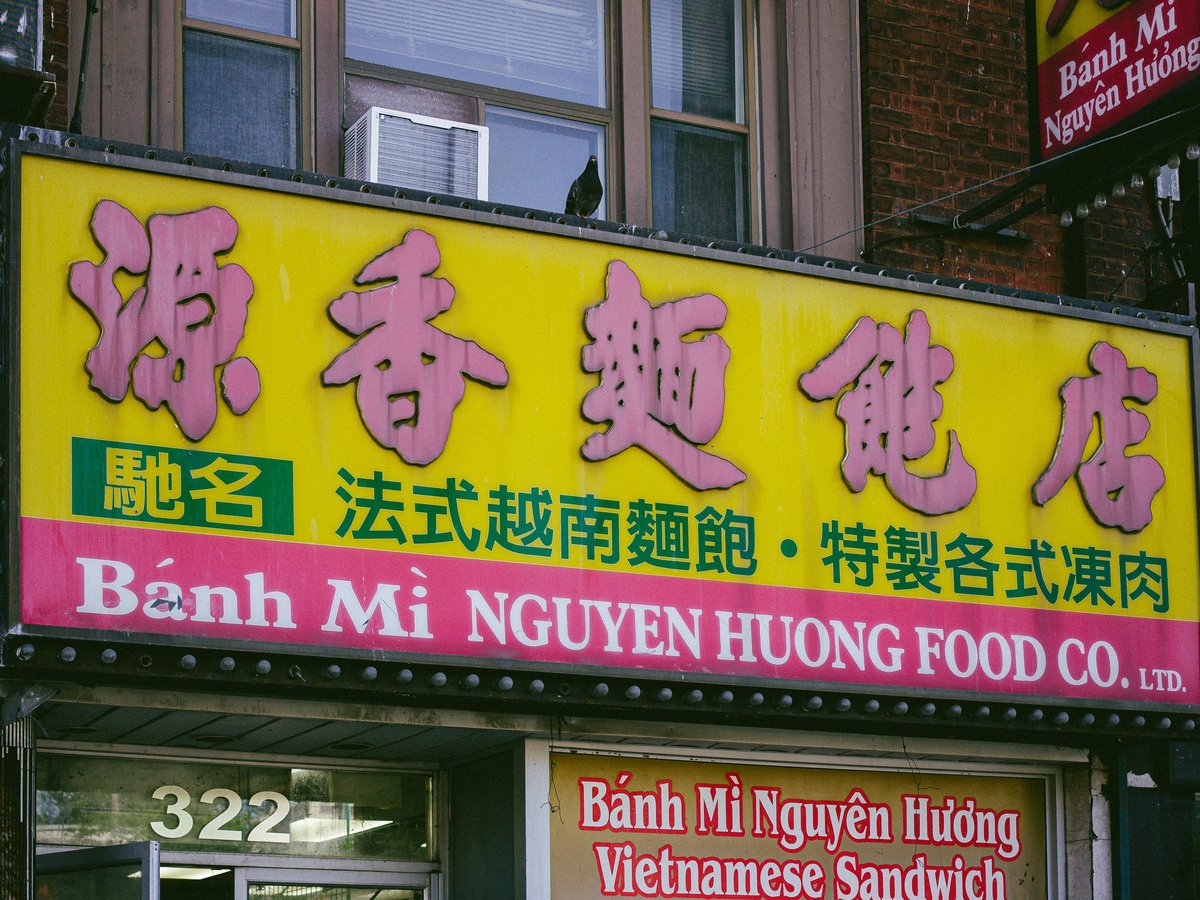
Downtown Toronto's restaurant map is dense in a way the guidebooks flatten: within a few blocks of Bay and Dundas you can eat a Hakka-Chinese lunch that predates the condo towers, a Kyoto-style rice bowl next to a Korean stew, a Greek fish plate served from a marble bar, and a diner breakfast at 03:00 when everything else has closed. This list works the core of that grid, from the financial district up through the hospital corridor and into the fringe of the Entertainment District. It is written for a visitor who has an hour to spend, not a food tour to book: every entry is a real address you can walk to, with hours that hold, a phone that answers, and a website you can read before you go. Chains appear where the address earns its slot; independents appear because the room does. Read the paragraph, pick the meal that fits the hour on your watch, and go.
See the picks →
Browse by traveler type
- For foodies
Toronto for foodies
- For families with kids
Toronto for families
- For digital nomads
Toronto for digital nomads
- For solo travelers
Toronto for solo travelers
- For couples
Toronto for couples
- For budget travelers
Toronto on a budget
- For luxury travelers
Toronto for luxury travelers
- For first-timers
Toronto for first-time visitors
Book experiences in Toronto
 Free cancellation
 Niagara Falls Day Tour from Toronto
Day trip: 9.5 hours, free cancellation.
via Viator Free cancellation
 Niagara Falls Canada Day Tour From Toronto + Boat Cruise Option
Day trip: 9 hours, free cancellation.
via Viator Free cancellation
 Toronto to Niagara Falls Tour: Skip-the-Line Boat & Journey
Day trip: 9 hours, free cancellation.
via Viator Free cancellation
 Niagara Falls Day Tour Includes Boat Cruise, Winery Stop & Lunch
Day trip: 10 hours, free cancellation.
via Viator Free cancellation
 Niagara Falls Tour from Toronto: Boat Ride & Journey Behind Falls
Day trip: 9 hours, free cancellation.
via Viator Free cancellation
 Niagara Falls Day Tour from Toronto (9 Hours)
Day trip: 9 hours, free cancellation.
via Viator Free cancellation
 FROM TORONTO: Niagara Day Tour w/ Niagara on the Lake & Boat Ride
Day trip: 8 hours, free cancellation.
via Viator Free cancellation
 Fall for Niagara Tour
Day trip: 9 hours, free cancellation.
via Viator Free cancellation
 From Toronto: Niagara Falls Day Tour with Optional Boat Cruise
Day trip: free cancellation.
via Viator Free cancellation
 Toronto Premium Driving Tour with CN Tower & Boat Cruise
City tour: 4 hours, free cancellation.
via Viator Free cancellation
 1-Hour Toronto Harbour Tour with Live Narration
Cruise: 1 hour, free cancellation.
via Viator Free cancellation
 Niagara Falls Tour: Boat Cruise, Journey Behind Falls and Skylon
City tour: 3.2 hours, free cancellation.
via ViatorBrowse by interest
Find a flight to Toronto
Live fares to Toronto appear here once cookies are accepted.
Last verified by automated review (v1.7.2) on . What is automated review?