
Antwerp on a budget
Antwerp has 19 budget-tier hotels in the Trip.com pool from US$15 a night. The 2 lists picked for budget travelers in Antwerp carry 20 places. Crowne Plaza ANTWERP by IHG, Citybox Antwerp and Tulip Inn Antwerpen lead the picks.
Antwerp for budget travelers, in numbers
- Picks on this page
- 20 places across 2 lists, led by Crowne Plaza ANTWERP by IHG, Citybox Antwerp, Tulip Inn Antwerpen
- budget-tier hotels
- 19 in the Trip.com poolfrom US$15 a night
Questions budget travelers ask about Antwerp
-
Cost per day
Budget travelers in Antwerp spend around €60/day ($70) with a hostel dorm near Centraal Station, frituur lunches, and free museum rooftops. Midrange runs €130/day ($150) with a three-star hotel, two restaurant meals, and paid museum tickets. Luxury starts at €330/day ($380). Belgium's per-night city tax and no-free-water convention push real costs above the booking headline.
Read the full answer → -
What to avoid
Skip the restaurants ringing Grote Markt, where stoofvlees runs €22 for a tourist-grade version you'll find for €14 two streets away. Avoid Appelmansstraat diamond shops aimed at cruise passengers. Don't take taxis from Antwerpen-Centraal when tram lines 2, 6, and 9 run directly beneath the station for €3.50 a ride.
Read the full answer → -
Getting around
Walk. Antwerp's center fits in a 2-kilometer radius from Centraal Station. You can reach the Grote Markt, the Rubenshuis, and the Scheldt in 15-25 minutes on foot. For longer distances, De Lijn trams run every 7-10 minutes. A day pass costs €7.50. Bolt beats Uber on price. Skip driving. LEZ fines start at €150.
Read the full answer → -
Airport to city
Take the direct NMBS train from Brussels Airport (BRU) to Antwerp-Centraal station. Trains depart every 15 to 20 minutes, the ride takes 33 minutes, and a second-class ticket costs around €13 ($15 USD). No transfer needed. Antwerp-Centraal sits at the eastern edge of the city center, within walking distance of the Meir and the Diamond Quarter.
Read the full answer → -
Food culture
Antwerp's food identity sits on the frituur (fry shop), the bolleke (a glass of De Koninck amber ale), and the garnaalkroket (crispy shrimp croquette). Lunch happens at noon sharp, dinner rarely before 7:30pm. The best eating happens outside the Grote Markt tourist ring, in neighborhoods like Zurenborg, Sint-Andries, and Het Eilandje where kitchen teams cook for regulars, not day-trippers.
Read the full answer →
Curated for budget travelers
-
Best hostels
Antwerp's budget beds scatter across a compact center where tram lines and a single rail hub stitch eight distinct pockets together. The cheapest inventory clusters south in Berchem's residential blocks, the densest rings Centraal Station and the Meir shopping spine, and the highest-rated sits where you might not expect it: a converted warehouse hostel well off the tourist trail. Unlike Brussels, where budget accommodation concentrates in a single zone near Midi, Antwerp spreads affordable rooms through neighborhoods that each carry a different daily rhythm: diamond traders north of the station, shoppers packing the pedestrian drag, quiet residential streets empty by dark. For a hostel-budget traveler the practical question is not whether Antwerp has cheap beds but which version of the city you want outside the door each morning. Walk south from the station and the nightly rate drops; walk west toward the cathedral quarter and the architecture improves but the choices thin. Every area below is reachable from Antwerpen-Centraal on foot or by a single tram, so the decision is about character, not logistics.
See the picks → -
Best free attractions
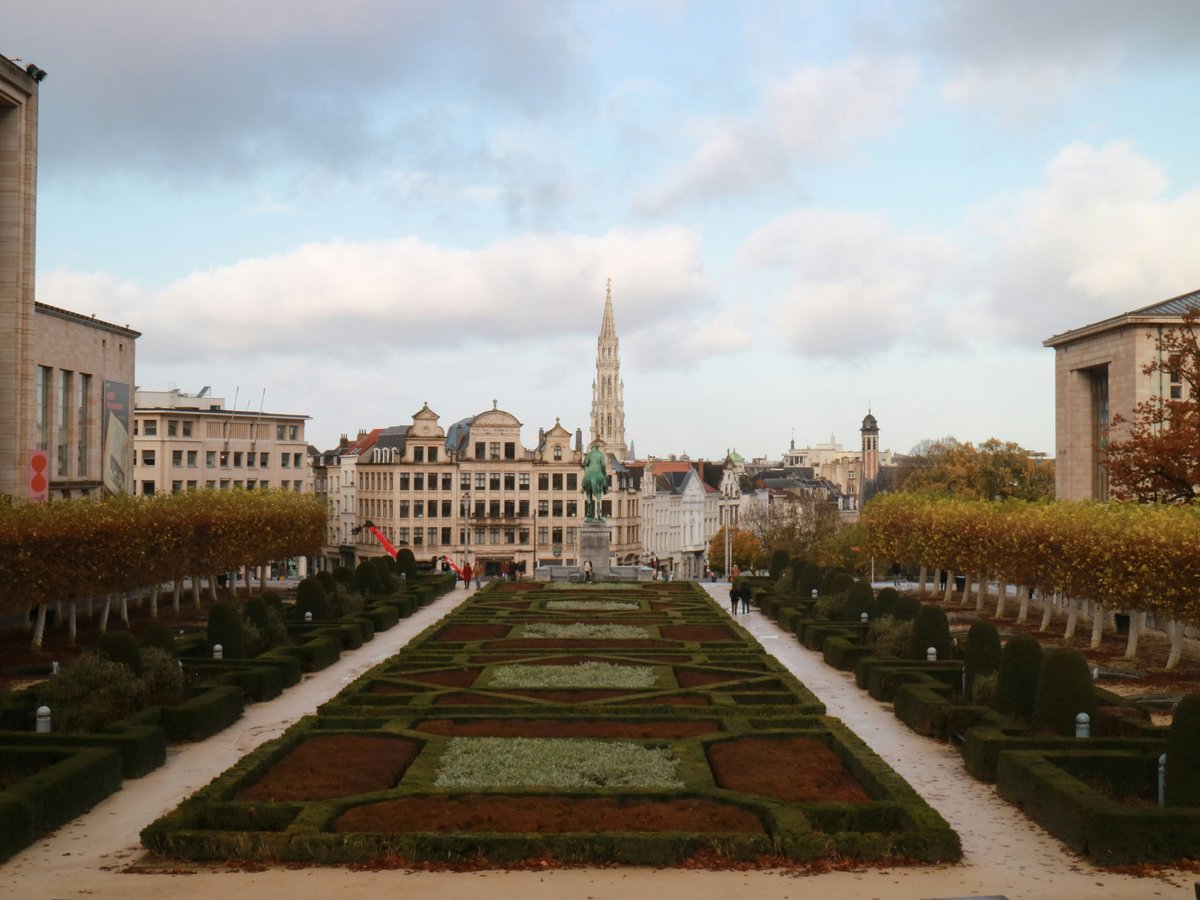
Antwerp's free hours are spent outdoors, in the squares and parks the city bothered to plan properly. What follows is not a tour of monuments: it is a working map of the open ground where the city meets itself: a walled botanic garden laid out in 1825, a medieval market square, a chain of neighbourhood plazas that carry the traffic and the terraces, and a ring of parks from the old bourgeois south to the reclaimed rail yards of the north. Every entry below is genuinely free to walk into. The rank order roughly follows how central each is to a first visit, but the parks at the bottom of the list are where locals spend their Sundays: do not read the numbering as a quality gradient. Coordinates and Wikidata identifiers are provided so you can cross-check anything before you go; addresses are given where the records include them. If you are new to the city, walk the first six in a morning, then take a tram south for the parks in the afternoon.
See the picks →