
More than half the world's rough diamonds pass through a single square kilometre near Antwerp's Centraal Station, a fact that has shaped this city of 529,000 on the tidal Scheldt since long before the cutters arrived. Antwerp grew rich in the sixteenth century as the commercial capital of northern Europe, briefly eclipsing Venice and Bruges, and the wealth from that era still reads in the stone: guild houses on the Grote Markt, Rubens's townhouse studio on the Wapper, the Cathedral of Our Lady whose single completed spire marks the skyline from almost every bridge. But the city never calcified into a museum. The port, still among Europe's largest, pushed industry north along the river, and the neighbourhoods south of the old centre: Het Zuid, with its Royal Museum of Fine Arts and the galleries that line Leopold de Waelstraat: turned into the corridor where restaurants, studios, and fashion graduates of the Royal Academy cluster. That fashion connection is not decorative: the Antwerp Six, who upended Paris runways in the late 1980s, trained here, and the city still produces designers at a rate disproportionate to its size. A first visit settles into a rhythm dictated by geography. The medieval core around the cathedral and the Vlaeykensgang alley is compact enough for a morning. Lunch might be a cone of frites from a frituur on the Groenplaats. Afternoons pull you either south toward Het Zuid or north to Het Eilandje, the old docklands now anchored by the MAS museum, whose rooftop terrace gives you the port, the cathedral, and the low Flemish horizon in a single slow turn. Evenings belong to the bars along Kloosterstraat or the terrace cafés on Hendrik Conscienceplein, where the Baroque library facade catches the last light and locals switch between Dutch, French, and English without being asked.
Antwerp in photos


Antwerp right now
Answers about Antwerp
-
Airport to city
Take the direct NMBS train from Brussels Airport (BRU) to Antwerp-Centraal station. Trains depart every 15 to 20 minutes, the ride takes 33 minutes, and a second-class ticket costs around €13 ($15 USD). No transfer needed. Antwerp-Centraal sits at the eastern edge of the city center, within walking distance of the Meir and the Diamond Quarter.
Read the full answer → -
Best time to visit
May and September are the strongest months for a first visit to Antwerp. Daytime highs sit around 17-20°C, the Grote Markt cafe terraces are open, and you avoid the July-August school-holiday crowds that pack the Rubenshuis. Late April works too, though rain is less predictable.
Read the full answer → -
Cost per day
Budget travelers in Antwerp spend around €60/day ($70) with a hostel dorm near Centraal Station, frituur lunches, and free museum rooftops. Midrange runs €130/day ($150) with a three-star hotel, two restaurant meals, and paid museum tickets. Luxury starts at €330/day ($380). Belgium's per-night city tax and no-free-water convention push real costs above the booking headline.
Read the full answer → -
Cultural etiquette
Antwerp runs on Flemish Dutch, not French. Greeting shop owners with 'goedendag' before asking anything is the baseline. Tipping is optional since Belgian law requires service charges in the bill. Cover your shoulders inside Onze-Lieve-Vrouwekathedraal. Speak English before French if your Dutch fails. Locals notice, and they appreciate the effort.
Read the full answer → -
Best day trips
Ghent is the strongest single-day trip from Antwerp, 60 km north-west, 50 minutes by IC train from Antwerp-Centraal for about €22 round trip. Bruges works but needs an early start to beat the tour-bus crowds. Mechelen, 25 km south, is the quieter pick for couples wanting a slow afternoon with good beer.
Read the full answer → -
Digital nomads
Antwerp scores 5.8/10 for digital-nomad suitability (sourced from TTDI's editorial rubric). Telenet and Proximus deliver 100-300 Mbps fiber to most apartments, but furnished one-bedrooms run €1,000-1,500 a month. Belgium has no digital nomad visa, so non-EU nationals hit the Schengen 90/180-day ceiling. Coworking costs €150-325 monthly. Realistic all-in budget sits around $2,500 a month.
Read the full answer → -
Family-friendly
Antwerp is family-friendly, 8 out of 10. Antwerp Zoo sits 50 meters from Centraal Station's front door, Belgian frites cost €3-4 per cone, and the compact old center keeps walking distances under 2 km. Cobblestones around Grote Markt punish lightweight strollers, and rain falls roughly 180 days a year, but indoor fallbacks like Chocolate Nation cover wet afternoons.
Read the full answer → -
Food culture
Antwerp's food identity sits on the frituur (fry shop), the bolleke (a glass of De Koninck amber ale), and the garnaalkroket (crispy shrimp croquette). Lunch happens at noon sharp, dinner rarely before 7:30pm. The best eating happens outside the Grote Markt tourist ring, in neighborhoods like Zurenborg, Sint-Andries, and Het Eilandje where kitchen teams cook for regulars, not day-trippers.
Read the full answer → -
Getting around
Walk. Antwerp's center fits in a 2-kilometer radius from Centraal Station. You can reach the Grote Markt, the Rubenshuis, and the Scheldt in 15-25 minutes on foot. For longer distances, De Lijn trams run every 7-10 minutes. A day pass costs €7.50. Bolt beats Uber on price. Skip driving. LEZ fines start at €150.
Read the full answer → -
How to get there
Antwerp has no major international airport. Fly into Brussels Airport (BRU), 45 km south, then take a direct SNCB train to Antwerp-Centraal in about 35 minutes for roughly €16. From elsewhere in Europe, Eurostar high-speed rail reaches Antwerp-Centraal from Paris in 1h48m and Amsterdam in 1h10m. From London, change at Brussels-Midi for about 3.5 hours total.
Read the full answer → -
Is it safe?
Antwerp is safe, scoring 7.2 out of 10 for solo travelers (see the TTDI Solo-Safety Index). Violent crime against visitors is rare. The real risks are pickpocketing on the Meir shopping street and near Antwerpen-Centraal station. Avoid the Schipperskwartier red-light area and Borgerhout after dark. Emergency number 112 connects to English-speaking dispatchers for police, fire, and ambulance.
Read the full answer → -
Language basics
Dutch, specifically Flemish Dutch with the soft Antwerp accent called Antwerps. English works in roughly 8 out of 10 tourist interactions (per the EF English Proficiency Index, Belgium ranks top 12 and Flanders runs above that average). Do not default to French. Antwerp's language politics make English the safer choice for non-Dutch speakers. Latin alphabet, so signs and menus are immediately readable.
Read the full answer → -
Layover guide
Yes, with 6 or more hours between flights at Brussels Airport. Direct trains reach Antwerp Centraal in about 35 minutes for roughly €18. That leaves 2 to 3 hours to walk from the station down the Meir to Grote Markt and Onze-Lieve-Vrouwekathedraal, with time for frites and a Trappist beer.
Read the full answer → -
LGBTQ-friendly
Antwerp scores 9.5/10 for LGBTQ+ friendliness (sourced from TTDI's editorial rubric). Belgium was the second country to legalize same-sex marriage, and Antwerp's acceptance runs deeper than the law requires. The queer scene concentrates around Kloosterstraat in the south city and the Eilandje waterfront. Couples hold hands in the shopping district without drawing a second glance.
Read the full answer → -
Where locals go
Antwerp's locals skip the Grote Markt after dark. The real city lives on Dageraadplaats in Zurenborg, along Vlasmarkt in Sint-Andries, and inside the brown cafés lining Kloosterstraat. Friday evenings from 6pm, Borgerhout's De Roma and Bar Paniek fill with Antwerpenaren who haven't crossed the Leien in weeks. Saturday mornings belong to the Exotic Market on Oudevaartplaats.
Read the full answer → -
Must-see
Onze-Lieve-Vrouwekathedraal on Groenplaats. The 123-metre Gothic tower is the tallest in the Low Countries, and inside hang four Rubens altarpieces including the Descent from the Cross, worth the €12 entry alone. Go before 10am on a weekday, when the nave holds maybe 30 visitors instead of the 300 who fill it on Saturday afternoons.
Read the full answer → -
Solo travel
Antwerp works well for solo travel. The city is compact enough to walk between Antwerpen-Centraal and the Grote Markt in 15 minutes, De Lijn trams run until midnight, and Belgian dining culture treats solo diners as normal. Single rooms at boutique hotels around Nationalestraat start near €85. Safety is strong in most neighborhoods after dark, with Falconplein and Schipperskwartier best avoided late.
Read the full answer → -
This week
Antwerp's week runs on markets and museum schedules, not one-off events. Sunday's Vogelenmarkt opens at 8am on Theaterplein. Friday brings the Vrijdagmarkt antiques market. Most museums close Monday. This week's weather looks mild and damp, with afternoon rain cells. The Treasures of Tutankhamun exhibition is currently running.
Read the full answer → -
3-day itinerary
Day 1 covers the Oude Stad on foot. Onze-Lieve-Vrouwekathedraal at 9am, Rubenshuis by 11, Museum Plantin-Moretus after lunch. Day 2 splits between Museum aan de Stroom in Het Eilandje and the Royal Museum of Fine Arts in the Zuid. Day 3 is Zurenborg's art nouveau streets, Antwerp Zoo, and the Meir. About 24 kilometres of walking total.
Read the full answer → -
What to avoid
Skip the restaurants ringing Grote Markt, where stoofvlees runs €22 for a tourist-grade version you'll find for €14 two streets away. Avoid Appelmansstraat diamond shops aimed at cruise passengers. Don't take taxis from Antwerpen-Centraal when tram lines 2, 6, and 9 run directly beneath the station for €3.50 a ride.
Read the full answer → -
What to pack
A packable rain jacket and broken-in walking shoes for wet cobblestones. Antwerp's historic center around the Grote Markt is almost entirely uneven stone, and rain falls roughly 200 days a year. Layers for 10-22°C summer swings, a Type E/C plug adapter for 230V, and a small daypack for museum hopping. Skip the umbrella. Buy one at HEMA for €3.
Read the full answer → -
Where to stay
Stay near Groenplaats in the Oude Stad for a first visit. You're within walking distance of Onze-Lieve-Vrouwekathedraal, the Grote Markt, and Rubenshuis, with Antwerp-Centraal station 12 minutes on foot. Budget $130 to $220 for a four-star. For a return visit, Het Zuid near the Royal Museum of Fine Arts runs $110 to $180 with better restaurant streets.
Read the full answer →
Deep guides for Antwerp
-
Antwerp Street Food: Where Locals Eat
A walking route through Antwerp's kitchens and coffee counters, sequenced by the clock. Which doors open at 07:00, where to eat at noon on Groenplaats, the afternoon coffee gap most visitors miss, and the one Turkish kitchen at 39 Oude Koornmarkt that never closes. Every venue verified, every tourist trap named.
Read the guide → -
Antwerp Restaurants: What's Worth It
Antwerp is not a fine-dining city. It is a port city that eats well at every register. Ten rooms across the 2000 postal code, from the 07:00 espresso at Kafeïno to the 24-hour mezze plate at Nevizade, sorted into two tiers with a verdict on each.
Read the guide →
Curated lists for Antwerp
accommodation
-
Best boutique hotels
Antwerp arranges its accommodation in a tight half-circle around Centraal Station, and the difference between neighborhoods is measured in tram stops, not taxi rides. The densest hotel inventory clusters within the old Spanish walls: from the diamond vaults along Pelikaanstraat to the museum promenades of Het Zuid, while Berchem, one train stop south, offers a quieter commuter-belt alternative. Most visitors default to the station quarter and overpay for proximity they do not need; the tram network is frequent and runs until midnight, so a bed near the Koninklijk Museum or Stadspark puts you minutes from the Grote Markt at half the crowd pressure. Price tiers compress in Antwerp more than visitors expect: mid-range rooms scoring above 9.0 start under $90 a night, and the priciest neighborhoods barely cross $120. That compression means the neighborhood matters more than the rate: your address sets the morning walk, the dinner radius, and whether the street quiets at ten or carries past two.
See the picks → -
Best hostels
Antwerp's budget beds scatter across a compact center where tram lines and a single rail hub stitch eight distinct pockets together. The cheapest inventory clusters south in Berchem's residential blocks, the densest rings Centraal Station and the Meir shopping spine, and the highest-rated sits where you might not expect it: a converted warehouse hostel well off the tourist trail. Unlike Brussels, where budget accommodation concentrates in a single zone near Midi, Antwerp spreads affordable rooms through neighborhoods that each carry a different daily rhythm: diamond traders north of the station, shoppers packing the pedestrian drag, quiet residential streets empty by dark. For a hostel-budget traveler the practical question is not whether Antwerp has cheap beds but which version of the city you want outside the door each morning. Walk south from the station and the nightly rate drops; walk west toward the cathedral quarter and the architecture improves but the choices thin. Every area below is reachable from Antwerpen-Centraal on foot or by a single tram, so the decision is about character, not logistics.
See the picks → -
Where to stay
Antwerp splits its hotel inventory along a tight axis: Centraal Station at the eastern edge, the Meir shopping corridor running west, and the residential neighborhoods fanning south toward Berchem. Most travelers land at the station and never leave the diamond-and-department-store orbit, which means the best rates hide one tram stop away. The city's footprint is compact enough that a bed in Berchem still puts the Grote Markt within a short train ride, and the station-adjacent districts trade quiet streets for the convenience of rolling your bag straight off the platform. Budget inventory starts at $24 a night in the hostel tier and rarely crosses $80 for a private room; mid-range holds steady between $88 and $118; and the luxury tier appears only on the Meir, where it asks $216. Antwerp is not a city that punishes you for staying in the wrong neighborhood: it is a city that rewards you for picking the right one.
See the picks →
attractions
-
Best free attractions
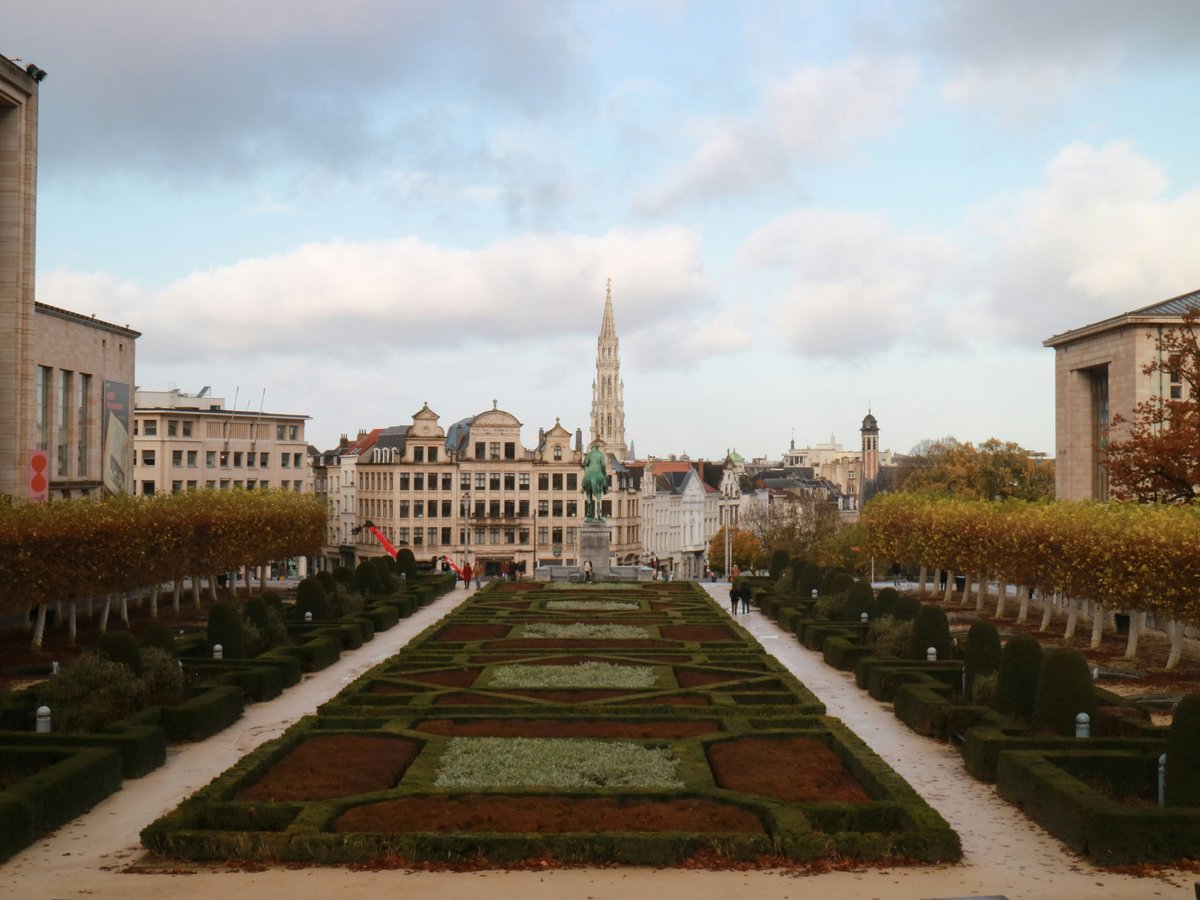
Antwerp's free hours are spent outdoors, in the squares and parks the city bothered to plan properly. What follows is not a tour of monuments: it is a working map of the open ground where the city meets itself: a walled botanic garden laid out in 1825, a medieval market square, a chain of neighbourhood plazas that carry the traffic and the terraces, and a ring of parks from the old bourgeois south to the reclaimed rail yards of the north. Every entry below is genuinely free to walk into. The rank order roughly follows how central each is to a first visit, but the parks at the bottom of the list are where locals spend their Sundays: do not read the numbering as a quality gradient. Coordinates and Wikidata identifiers are provided so you can cross-check anything before you go; addresses are given where the records include them. If you are new to the city, walk the first six in a morning, then take a tram south for the parks in the afternoon.
See the picks → -

Best museums
Antwerp does not have one signature museum the way Amsterdam has the Rijksmuseum or Brussels has its royal cluster. It has a dozen smaller institutions strung between the cathedral spire and the river, each one built around a single obsession: a Counter-Reformation printing dynasty, a Flemish master's studio, a fashion school that rewrote the 1980s, a sculpture park you walk through without a ticket. Most of them sit inside walking distance of one another in the old centre, with the Royal Museum of Fine Arts anchoring the south and Museum aan de Stroom anchoring the docks. The list below moves from the cathedral on Handschoenmarkt outward, in the order a curious visitor with three days should take them. Skip the bus-tour loop that herds groups past the diamond district and the chocolatiers; the locals route their visiting cousins through the houses and the print works, where the rooms are small and the objects are specific. None of these venues require a guide. All of them reward an unhurried hour.
See the picks → -

Must-see attractions
Antwerp's must-sees pack a city into walking distance. The twelve below: churches, a palace, the city hall, a chapel, a fountain, a gate, an opera house, a cinema: sit close enough that you can string most of them into a morning, with a short detour out to Italiëlei 8 for the Noorse Zeemanskerk and another to Appelstraat 14 for De Roma. They are ranked by editorial conviction, not guidebook orthodoxy: a church on Hendrik Conscienceplein 12 first, the palace at Meir 90 next, then the city hall, then quieter monuments, churches, and a small chapel to round it out. Antwerp's centre is small enough to cover in a morning, so treat the order here as a walking route, not a podium, and pace it for the rooms that ask for time, rather than the names that draw the queue.
See the picks →
food
-
Best cafes
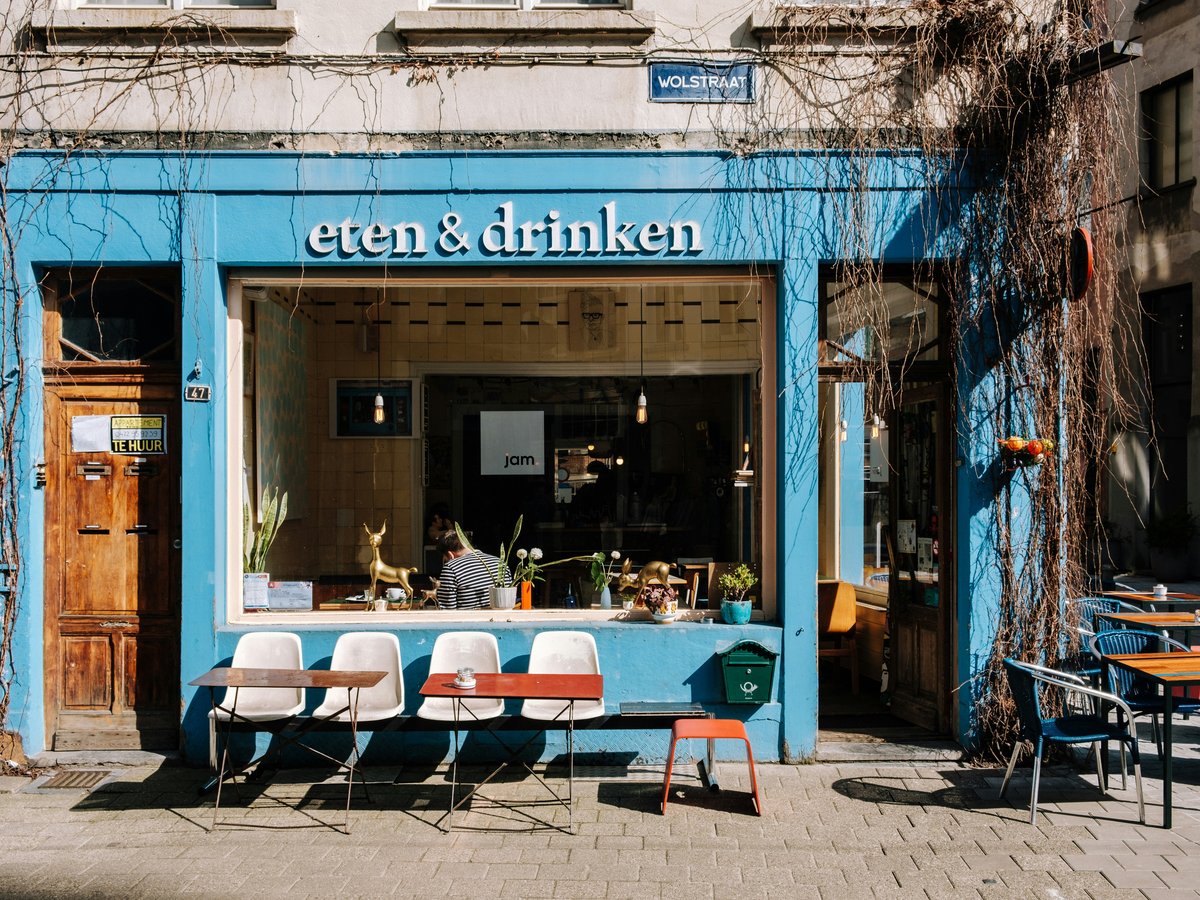
Antwerp's cafe culture sits between two stubborn traditions: the Belgian eetcafé, where you can drink coffee at 09:00 and pilsner at 16:00 without changing seats, and the third-wave roastery that has spent the last decade quietly rewiring how the city drinks espresso. The result is a scene that refuses to pick a lane. A diamond-district roaster opens at 07:00 for builders and notaries; a fashion-school favourite serves bagels until 21:00; a converted laundromat washes your jeans while it pulls your flat white. The twelve below are the ones worth walking for: places where the coffee is taken seriously, the room has a point of view, and the hours respect the fact that not everyone in Antwerp keeps an office schedule. They are arranged across the centre, the Zuid, the Eilandje, and the streets north of the station, so the list doubles as a walking map. Skip the chain terraces on Groenplaats; the people who live here are drinking somewhere on this page.
See the picks → -
Best restaurants
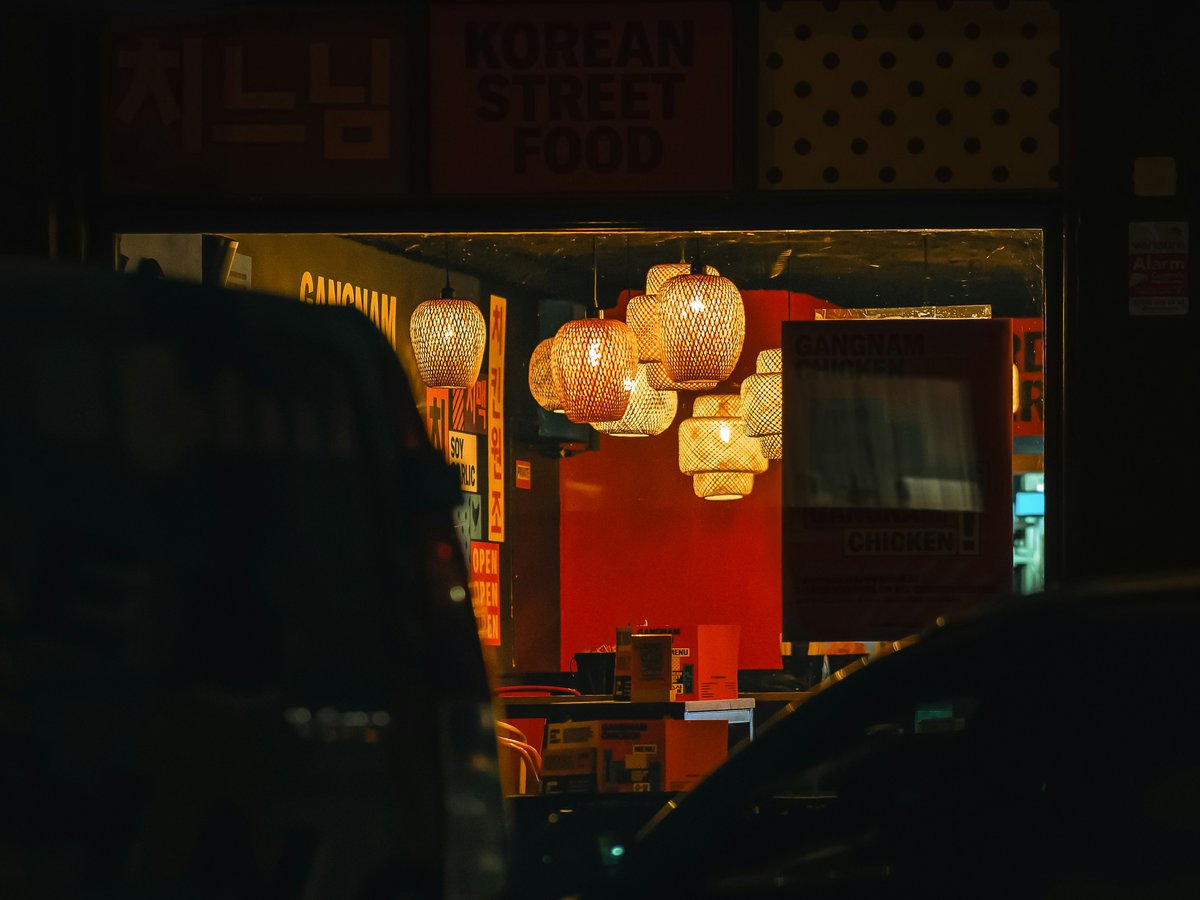
Antwerp's restaurant map is not a fine-dining map: it is a working port city's map, which is more interesting. Twelve picks here cluster around Groenplaats, the Oude Koornmarkt, Reyndersstraat and the Vlasmarkt, which is to say within ten minutes' walk of the cathedral and the river. The cooking is, predictably, all over the place: Korean fried chicken, Neapolitan slice pizza, ramen pulled to order, Belgian café food, Turkish all-nighters, two Greek tavernas that do not pretend to be each other, waffles served as a meal, a fusion room with a Wikidata page, Vietnamese summer rolls, Thai wok, a sit-down Italian that still keeps a midday break. None of these rooms are trying to win a star; most of them are trying to feed people who live in the 2000 postal code and the visitors who wandered in from Grote Markt. That is the bar. The list is built for someone who has one or two evenings in the centre, wants to eat something specific rather than safe, and would rather know the hours and the address than read another paragraph about atmosphere.
See the picks →
Browse by traveler type
Browse by interest
Find a flight to Antwerp
Live fares to Antwerp appear here once cookies are accepted.
Last verified by automated review (v1.7.2) on . What is automated review?