
Bucharest wears its museum culture on Calea Victoriei and along Şoseaua Kiseleff, two axes where the city files its history, its art, and its complicated 20th century into buildings that were often meant for something else. The list below is a working itinerary for a visitor with two days and an appetite for specificity: the big national holdings at 010063 and 12, a peasant-ethnography counterweight at Kiseleff nr. 3, a contemporary-art wing at 050563, and a set of smaller houses, from a former dictator's residence on Bulevardul Primăverii to a football archive at 24 Strada Gabroveni, 030089. Skip the notion that a national label guarantees the better afternoon; the Zambaccian on Str. Muzeul Zambaccian 21A and the Kitsch Museum at 6 Strada Covaci are the sort of hour-long visits that will change what you notice on the walk home. Twelve entries, in the order we would take them, with the addresses that get you through the door.
-
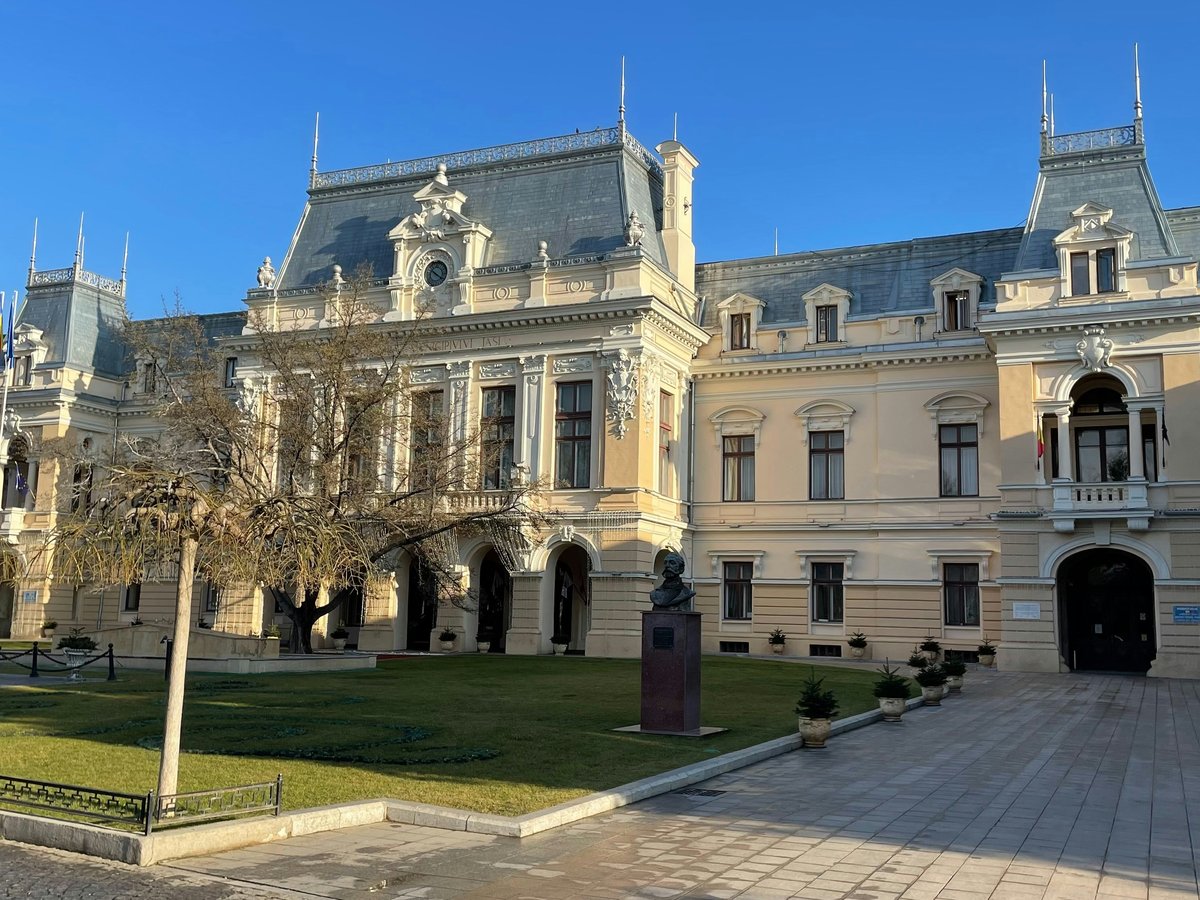
1 National Museum of Art of Romania
Calea Victoriei, București, 010063The national art collection housed in the former royal palace on Calea Victoriei.
At 010063 on Calea Victoriei, the National Museum of Art of Romania is the address you plan a Bucharest afternoon around, not the one you drop into between coffees. The locals head here first for the Romanian medieval and modern galleries, and treat the European wing as the reward at the end of the loop. Skip the temptation to power through both halves in one visit: the building is generous, the labels are unhurried, and a half day is honest pacing. Check the current programme at https://mnar.ro before you go, because temporary exhibitions rotate through the wings, and closing days are not the same as the rest of the country's national museums. Enter from the courtyard side, and give the staircase a minute before you climb it.
-
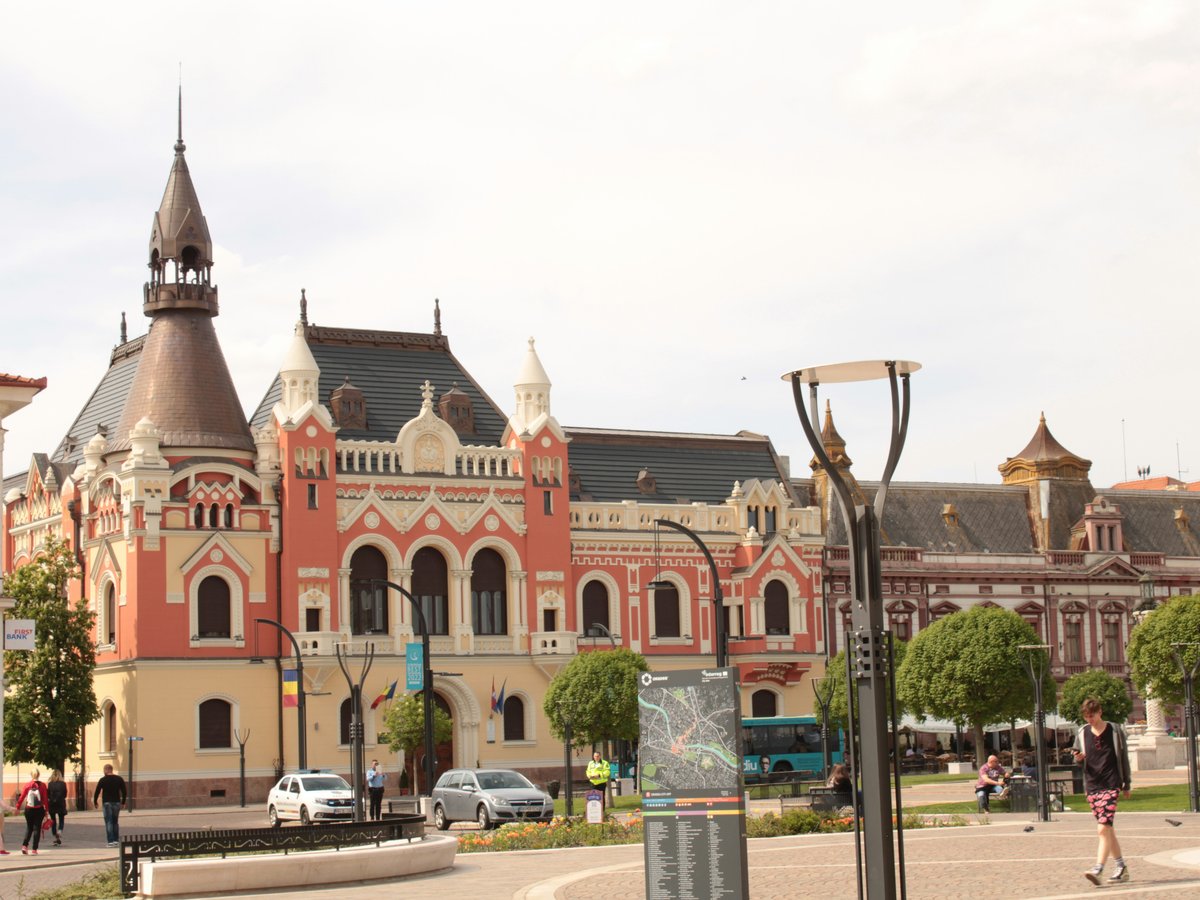
2 National Museum of Romanian History
Calea Victoriei 12, Sector 3, BucureștiThe national history collection on the ceremonial stretch of Calea Victoriei.
Ten minutes' walk south, at Calea Victoriei 12 in Sector 3, the National Museum of Romanian History fills a heavy former post-office building with the objects the country uses to tell itself its own story. Don't bother with a fifteen-minute drop-in; the standing display and the treasury each want their own hour, and you will resent rushing either. The locals know to check https://www.mnir.ro/ the morning of, because scaffolding and long-run restorations have been part of the visit here for years and rooms open and close on their own timetable. Pair it with the art museum a few hundred metres north on the same avenue and you have the spine of a serious Bucharest day; try to do a third national in the same afternoon and you are just collecting ticket stubs.
-
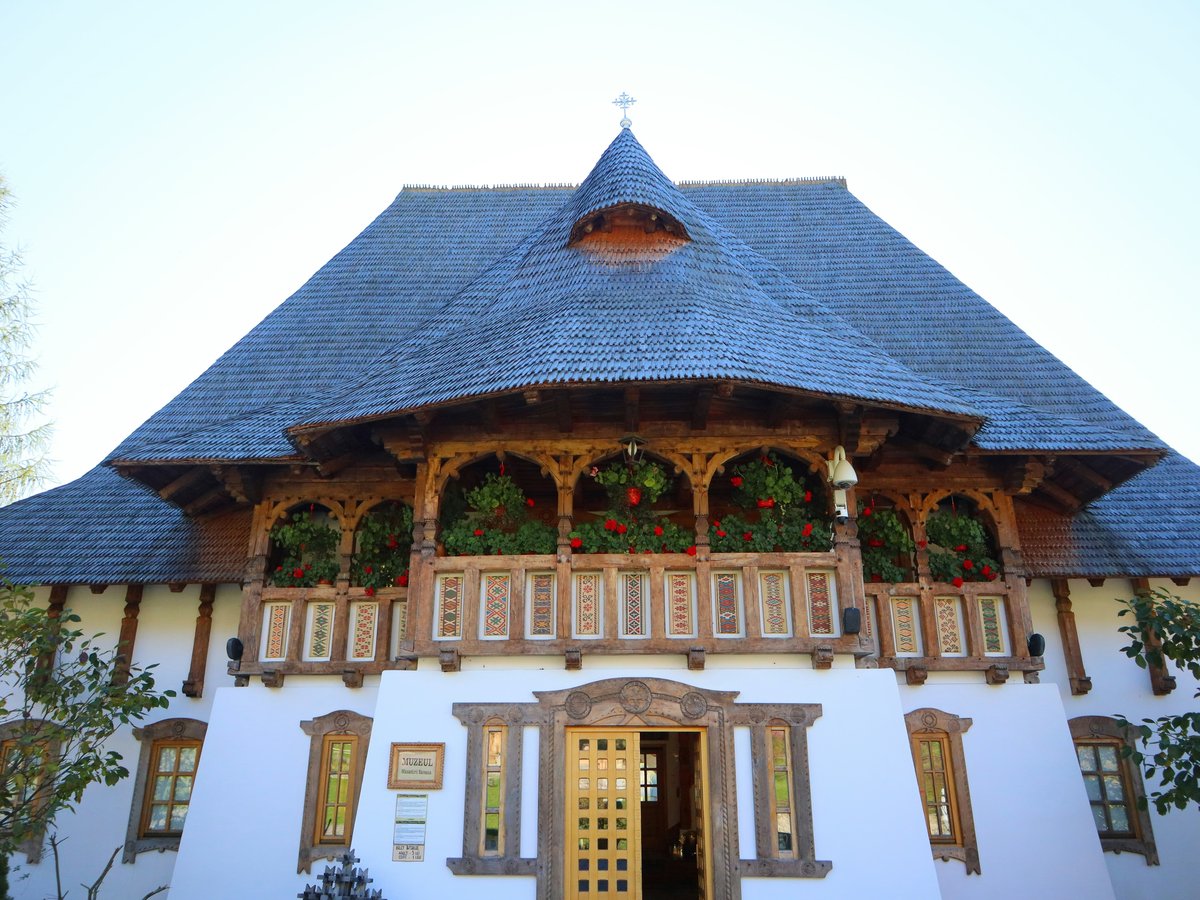
3 Romanian Peasant Museum
Șoseaua Kiseleff nr. 3, BucureștiAn ethnographic collection of Romanian rural life, staged with unusual editorial voice.
Head up to Kiseleff nr. 3 and the Romanian Peasant Museum reads less like an ethnographic warehouse and more like a curated argument about rural life, which is why it keeps winning over people who thought they were bored of folk collections. The locals send visiting friends here before they send them to any of the nationals downtown, and they are right to. Skip the assumption that folk means dusty: the room-by-room staging, the reconstructed church, and the textile hangs do a job of framing that most bigger institutions have forgotten how to do. Check http://www.muzeultaranuluiroman.ro for the current exhibition schedule and for the shop hours, because the shop is one of the few places in the city where the souvenirs are honest.
-
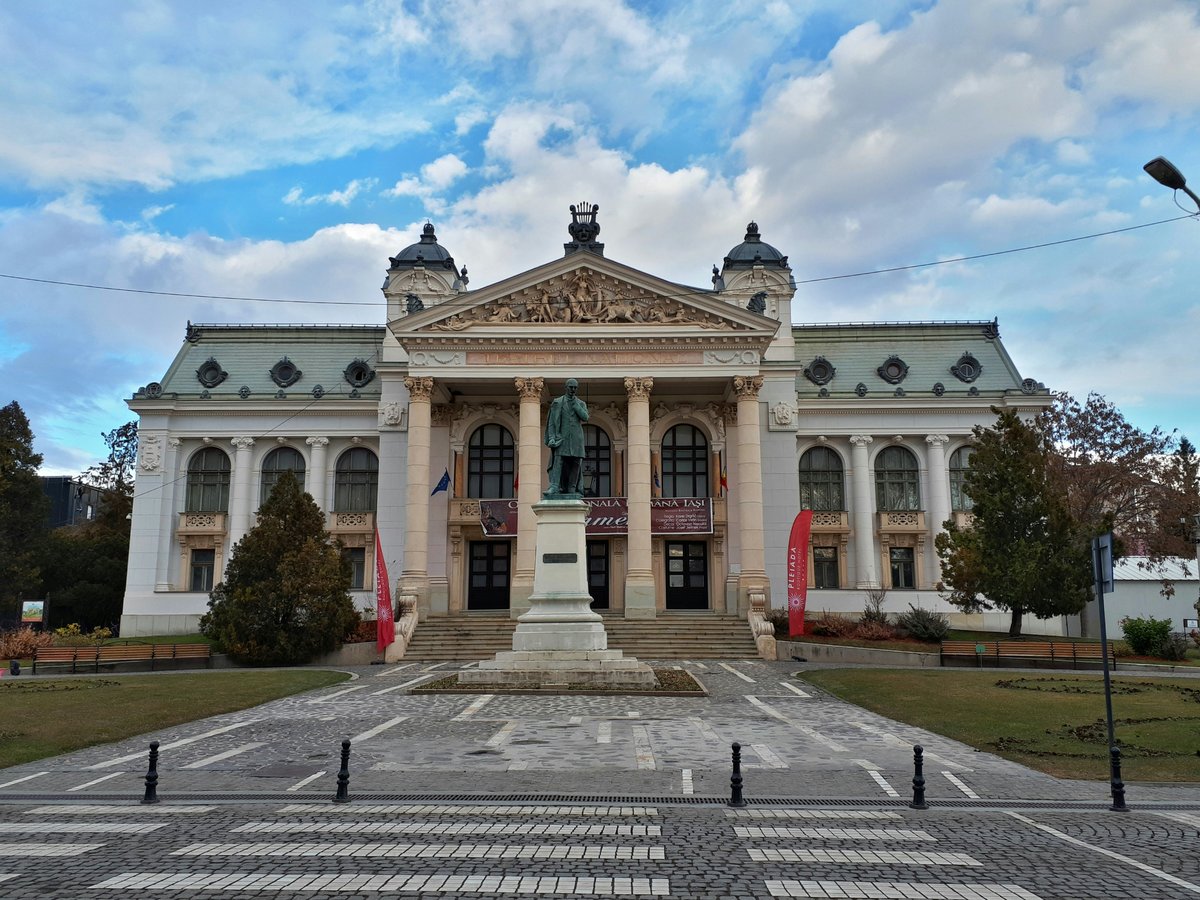
4 National Museum of Contemporary Art
Strada Izvor, București, 050563Contemporary art staged inside a wing of the Palace of the Parliament.
The address tells you the story: Strada Izvor, 050563, puts the National Museum of Contemporary Art inside a wing of the vast parliament complex, a curatorial premise no other contemporary institution in the region shares. The locals prefer this over the rest of the city's private galleries when the temporary programme is strong, and it usually is. Don't bother trying to walk up unannounced from the boulevard side; the museum entrance is on a specific approach, the security check is real, and it is worth confirming access on http://www.mnac.ro/ the day before. Give yourself ninety minutes for the shows and the rooftop, and treat the building itself as half of the exhibition. You are not here for a white cube.
-
5 Dimitrie Leonida Technical Museum
Bulevardul Mărășești, BucureștiA working-class engineering and technology collection south of the centre.
Down on Bulevardul Mărășești, the Dimitrie Leonida Technical Museum is the kind of institution the guidebooks under-cover and Bucharest engineers grew up on. The locals bring their children here rather than pay for the flashier science venues elsewhere in town, and the collection rewards a slow lap: turbines, telegraphy, early domestic electrics, the sort of hardware that explains how a mid-century Romanian city ran. Don't bother expecting a polished museum-shop experience; the pleasure here is the objects and the labels, not the packaging. Confirm current opening on http://www.cimec.ro/muzee/mteh/mteh.htm before you make the trip south of the ring, because the site is not run to the same programme as the nationals on Calea Victoriei. An hour and a half is enough, and honestly spent.
-
6 “Grigore Antipa” National Museum of Natural History
Şoseaua Pavel D. Kiseleff 1, BucureștiThe city's flagship natural history collection, refit with modern dioramas.
At Kiseleff 1, directly opposite the boulevard's traffic circle, the Antipa natural history museum is the family visit that is worth the two hours, not the reflex ticket you buy because it rains. The locals go for the redone dioramas and the mineral halls; skip the assumption that you have seen this kind of museum before, because the refit here is more ambitious than most European natural histories of its size. Check http://www.antipa.ro for temporary programmes and for the days when school groups block out the ground floor; a late-morning slot on a weekday is the right call. Pair the visit with the Peasant Museum next door on the same Kiseleff axis and you have a strong, contrast-rich morning without a taxi.
-
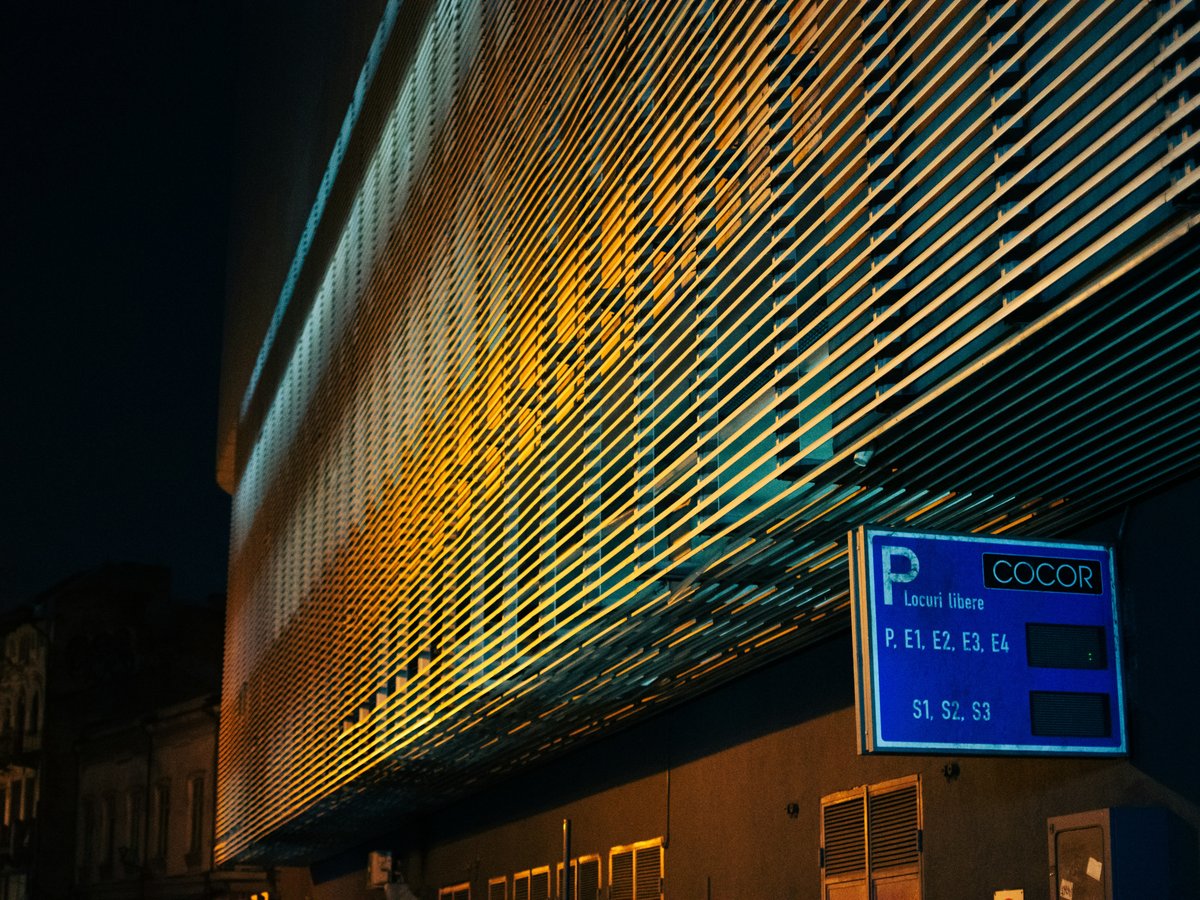
7 The Football Museum in Bucharest
24 Strada Gabroveni, București, 030089A dedicated football archive in the Lipscani quarter.
Tucked at 24 Strada Gabroveni, 030089, the Football Museum sits inside the Lipscani grid where the bars start early, and it does one thing well: the Romanian domestic and national game, told through kit, programmes, and cabinet after cabinet of the sort of ephemera that clubs quietly throw out. The locals bring visitors here who they suspect will not sit still for another national institution, and it works. Don't bother arriving before mid-morning; the street wakes up slowly and so does the ticket desk. Check https://footballmuseum.ro/ for match-day openings and special exhibitions tied to the fixture calendar, because the schedule reacts to what is happening on the pitch. An hour is right; two if you played, or watched, the domestic game seriously.
-
8 Romanian Kitsch Museum
6 Strada Covaci, București, 030097A curated argument about contemporary Romanian taste, staged as a museum.
Two streets over, at 6 Strada Covaci, 030097, the Kitsch Museum is the least polite museum in Bucharest and, on the right afternoon, the most useful. Skip the reflex that this is a novelty stop; it is an editorial project about contemporary Romanian taste, and it does more explaining of the city outside its doors than several of the serious nationals combined. The locals know to bring the visiting friend who has been complaining that Bucharest looks like everywhere else; they always come out quieter. Check https://kitschmuseum.ro/ for the current rooms, because the collection is small enough that it curates aggressively and swaps material. Forty-five minutes is honest, and the gift shop is in on the joke without becoming the joke.
-
9 Zambaccian Museum
Str. Muzeul Zambaccian 21A, BucureștiThe private collection of a mid-century Romanian collector, kept in his own house.
Up in the quiet residential lanes at Str. Muzeul Zambaccian 21A, the Zambaccian Museum is a house-and-collection visit that reads as the antidote to a heavy national programme. The locals prefer this over queueing through a temporary blockbuster downtown, and they will tell you so if you ask. Don't bother trying to fold it into the same afternoon as the big nationals on Calea Victoriei; the pleasure here is the domestic scale and the walk in through a real neighbourhood. Confirm access and current hours on https://mnar.ro/en/k-h-zambaccian-museum, because the site is administered under the national museum of art and its programme follows that institution's calendar, not its own signage. Give it an hour, no more, and take the long way back.
-
10 Primăveri Palace
Bulevardul Primăverii, București, 011975The former residence of Nicolae Ceaușescu, opened as a house-museum.
Further north at Bulevardul Primăverii, 011975, the Primăveri Palace is the Ceaușescu family residence turned house-museum, and it is the single most editorially loaded hour on this list. Skip the assumption that you already know what this will feel like from the parliament tour downtown; the domestic scale here (the bathrooms, the pool, the wardrobes) does a job the state architecture cannot. The locals go once, in their own time, and then argue about it for a decade. Book ahead on https://casaceausescu.ro/ because entry is timed and the guided route is the only way through. Do not pair it with the parliament in the same day; the two buildings need separate afternoons, and separate moods, to land at all.
-
11 National Geological Museum
Şoseaua Pavel D. Kiseleff 2, BucureștiA specialist mineral and rock collection on the Kiseleff museum axis.
Across from the Antipa, at Kiseleff 2, the National Geological Museum is the quiet, undersold half of the Kiseleff museum axis. The locals send geology-minded friends here rather than to any of the private science attractions in the outer city, and the cabinets of Romanian minerals justify it on their own. Don't bother with more than ninety minutes; the collection is dense but finite, and the pleasure is in the specificity of the labels, not in trying to see every case. Check http://www.geology.ro/ for temporary exhibitions and for the days when the mezzanine is closed for cleaning, because the building is small enough that a single closed room changes the visit. Pair it with the Antipa across the boulevard at Kiseleff 1 and you have a coherent morning on one street.
-
12 National Museum of Romanian Aviation
str. Fabrica de Glucoza nr. 2-4, sectorul 2, municipiul BucureștiThe national aviation collection, staged on a working airfield in Sector 2.
Out at Fabrica de Glucoza nr. 2-4 in Sector 2, the National Museum of Romanian Aviation is the visit that asks the most of your afternoon and rewards it most concretely. The locals who care about this collection know to check the calendar the day before, because access to the airframes and the outdoor line depends on weather, on the airfield, and on a schedule that does not answer to the downtown institutions. Don't bother pairing it with a Calea Victoriei day; give it its own trip out and its own return. Confirm on http://www.roaf.ro/?page_id=854 before you leave the centre, and treat any published hours as guidance rather than promise. Two hours, and better on a bright, still day than on a hot one.
Last verified by automated review (v1.7.2_curated-wave-1832-20260916122246) on . What is automated review?