
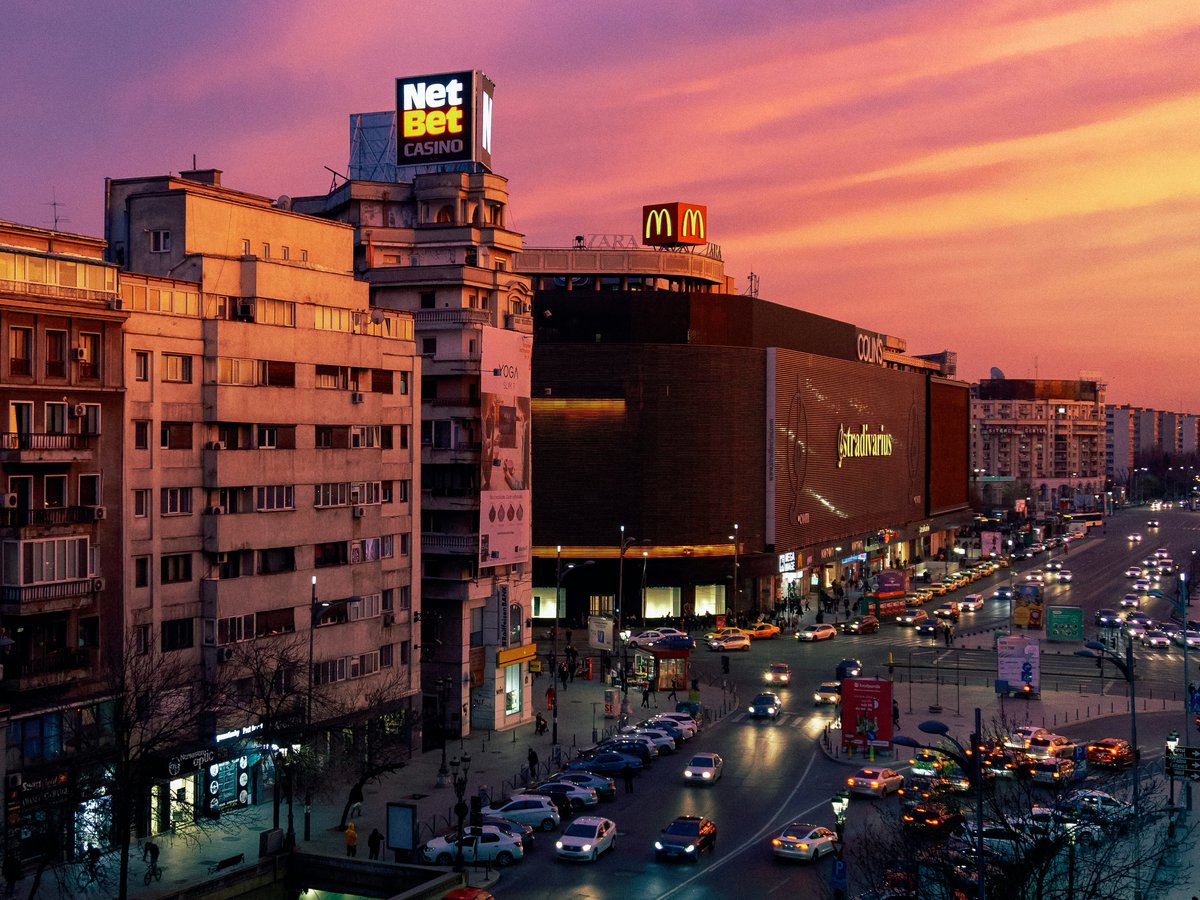
Bucharest sits on the Wallachian Plain, its skyline still dominated by the Palace of the Parliament: the heaviest building on earth by some reckonings, a monument to Ceaușescu's megalomania that required demolishing a fifth of the historic centre. That act of erasure is the key to understanding the modern city: Bucharest is defined as much by what was destroyed as by what survived. What survived is considerable. The Lipscani quarter, once the commercial heart of a city that styled itself the Paris of the East in the interwar years, keeps its tight network of streets lined with ornate plasterwork above ground-floor bars and bookshops. North of the centre, tree-lined boulevards around Herăstrău Park: locals still use the old name, though it was officially renamed for King Michael I: give way to art nouveau villas in Dorobanți and Primăverii, neighbourhoods where the former nomenklatura built their homes. A first-time visitor's day tends to find its own rhythm: mornings in the old town, where coffee is strong, cheap, and served without ceremony; afternoons farther north at the Village Museum, which preserves dozens of relocated rural houses along the lakeshore; evenings back in the centre, where the food runs on ciorba de burtă, mici from sidewalk grills, and natural wine sourced from Dealu Mare vineyards about an hour up the road. Public transport works if you stay patient: the metro has four lines and a monthly pass costs less than a single London zone-one fare. The city does not perform for tourists the way Prague or Budapest does. It continues being itself, which means construction dust on your shoes, a crumbling facade next to a freshly renovated one, and the persistent feeling that you have arrived somewhere still mid-argument with its own history, still deciding what to keep and what to let go.
Bucharest in photos


Bucharest right now
Answers about Bucharest
-
Airport to city
From Henri Coandă Airport (OTP), book a Bolt ride from the arrivals curb for 50-80 RON ($11-18), about 25-35 minutes to the Old Town. The airport train to Gara de Nord costs 4 RON ($0.90) and takes 23 minutes but drops you 3 km from most hotels, requiring a second transfer. Bolt is the low-stress default for first-time visitors.
Read the full answer → -
Best time to visit
May and September through mid-October give Bucharest its best weather for walking. Daytime temperatures range from 18°C to 25°C, Herăstrău Park's 187 hectares are comfortable on foot, and hotel rates in Lipscani sit 40-60% below July peaks. Summer pushes past 35°C with little shade on Calea Victoriei. January and February drop below freezing with under 9 hours of daylight.
Read the full answer → -
Cost per day
Bucharest runs about 140 RON ($30) per day on a hostel-dorm budget, or 370 RON ($80) at midrange with a three-star hotel and sit-down meals. It remains one of the cheapest EU capitals for backpackers. The Romanian leu currently trades at roughly 4.60 RON to the dollar, and most national museums charge under 30 RON to enter.
Read the full answer → -
Cultural etiquette
Greet with 'Bună ziua' and a firm handshake. Tip 10% at restaurants, round up taxi fares. Cover shoulders and knees at Orthodox churches. Never call Romania 'Eastern European' or confuse the language with Russian. Bucharest communication is direct. A flat 'no' from a waiter is the local register, not rudeness.
Read the full answer → -
Best day trips
Sinaia is the strongest single-day trip from Bucharest, 120 km north by CFR train from Gara de Nord in about 2 hours, with Peleș Castle and the 1695 Sinaia Monastery walkable from the station. Mogoșoaia Palace at 16 km northwest fills a relaxed half-day. Brașov at 170 km is doable but honestly needs 12 hours and works better as an overnight.
Read the full answer → -
Digital nomads
Bucharest scores 8.5/10 for digital-nomad suitability (sourced from TTDI's editorial rubric). Romania's fiber delivers 500 Mbps to 1 Gbps in most apartments for about $11/month. A single nomad lives well on $1,300-1,500/month. The Digital Nomad Visa (launched 2022) grants 12 months to non-EU workers earning €3,500/month gross. Coworking runs €100-180/month.
Read the full answer → -
Family-friendly
Bucharest rates 6.8/10 for family friendliness (see the TTDI Family-Friendliness Index). Kids under 5 will fight broken sidewalks and limited changing tables, but ages 6 and up have solid options. Herăstrău Park and the Village Museum anchor most family days. Romanian food tends to be friendlier to picky eaters than you'd expect, with mici and covrigi at 2-25 RON.
Read the full answer → -
Food culture
Bucharest's food runs on a lunch-first schedule, with every meal opening with ciorbă, a sour soup made with fermented wheat-bran borș. Grilled mici (skinless minced-meat rolls) and slow-cooked sarmale (stuffed cabbage) anchor most menus. A full restaurant lunch with soup, main, and a drink runs 60-80 lei ($13-18). Piața Obor market is the best place to taste raw ingredients and street snacks.
Read the full answer → -
Getting around
Bolt ridehail and the 4-line metro cover most of Bucharest. A single metro ride costs 3 RON (about $0.66). The center between Piața Romană and Lipscani is walkable but sidewalks are uneven and cars park on them. Download Bolt before arrival. Trams fill the corridors the metro misses.
Read the full answer → -
How to get there
Henri Coandă International Airport (OTP), 17 km north of central Bucharest, handles nearly all commercial flights. From London, Wizz Air and Ryanair fly direct in 3 hours for £50-180 round-trip. From the US, one-stop connections via Istanbul, Frankfurt, or Vienna cost $600-1,000. November through March offers the lowest fares, dropping 30-40%.
Read the full answer → -
Is it safe?
Bucharest scores 7.2 out of 10 for solo-traveler safety (see the TTDI Solo-Safety Index). Violent crime against visitors is rare; the real risks are taxi scams from Henri Coandă Airport, petty theft near Gara de Nord, and the Ferentari neighborhood after dark. Use Bolt or Uber for rides. Dial 112 for any emergency.
Read the full answer → -
Language basics
Romanian, a Romance language written in the Latin alphabet with 5 extra diacritics. English proficiency in Bucharest's tourist zones sits around 7/10 for under-35s, dropping to 3/10 among older residents. The phrases worth learning are "mulțumesc" (thank you, mool-tsoo-MESK) and "vă rog" (please, vuh ROG). Pronunciation is phonetically consistent, so you can sound out menus and signs.
Read the full answer → -
Layover guide
Yes. Henri Coandă Airport is 16 km north of central Bucharest, and express bus 783 reaches Piața Unirii in about 40 minutes for 4 lei. Six hours is the realistic floor. That gives you around 2.5 hours on the ground, enough for the Lipscani quarter and a sit-down meal at Caru' cu Bere, not enough for the Palace of the Parliament's interior tour.
Read the full answer → -
LGBTQ-friendly
Bucharest scores 3.5/10 for LGBTQ+ friendliness (sourced from TTDI's editorial rubric). Legal protections lag behind most of the EU, and social attitudes remain conservative outside the capital's center. A small queer scene exists around the Old Town area, but same-sex couples should expect discretion as the default social contract rather than open visibility.
Read the full answer → -
Where locals go
Bucharest locals drink at Floreasca's garden terraces on Friday nights, shop Piața Obor market before 9am on Saturdays, and crowd Control Club on Strada Constantin Mille for midweek live music. The tourist circuit centers on Lipscani in the Old Town. Walk 15 minutes north or west and the foreigner-to-local ratio drops to near zero.
Read the full answer → -
Must-see
The Palace of the Parliament, not the Old Town. Ceaușescu demolished a fifth of central Bucharest to build it between 1984 and 1997. At 365,000 square metres, it is the heaviest building on Earth. Book the standard tour (40 RON, about $9) at least 2 days ahead and bring your passport. The underground levels smell of cold marble and unfinished concrete.
Read the full answer → -
Solo travel
Bucharest scores 7/10 for solo travel. Dirt-cheap by EU standards (a full dinner runs 60-80 RON, roughly $14-18), safe in central neighborhoods after dark, and the metro runs until 23:00. The social scene is thinner than Budapest or Prague, but Lipscani's bar density and a growing hostel network in Sector 1 compensate. Single-occupancy rooms rarely carry a supplement.
Read the full answer → -
This week
Bucharest runs on a summer terrace rhythm right now, with temperatures around 27°C and dry skies through most of the week. Evenings settle into the low 20s on the terrace bars of Strada Lipscani. Weekend mornings belong to Piața Obor market and Herăstrău Park. Monday is museum-dark day for several institutions. Thursday through Saturday the Old Town stays loud past 2am.
Read the full answer → -
3-day itinerary
Day 1 covers Lipscani and the Palace of the Parliament on foot. Day 2 moves to Revolution Square, the National Museum of Art, and Cișmigiu Gardens before heading west to Cotroceni. Day 3 goes north to Herăstrău Park and the Village Museum. About 25 kilometres of walking total, with metro rides filling the gaps between clusters.
Read the full answer → -
What to avoid
Skip the unlicensed taxis at Henri Coandă Airport, the overpriced cocktail bars on Strada Lipscani, and the currency exchange booths near Gara de Nord advertising '0% commission.' Use Bolt instead of street hails. Bucharest's real food and nightlife sits 2-3 blocks off the Old Town pedestrian strip, at roughly half the price.
Read the full answer → -
What to pack
Broken-in walking shoes for Lipscani's limestone cobblestones, a packable rain shell for Bucharest's June-August afternoon thunderstorms, a Type C adapter for Romania's 230V outlets, and knee-covering clothes for the Romanian Patriarchal Cathedral. Skip sunscreen and umbrellas. Farmacia Tei and Mega Image sell both for under 45 RON ($10).
Read the full answer → -
Where to stay
Stay near Piața Romană or along Calea Victoriei north of the Old Town for a first visit. You're within walking distance of Lipscani's restaurants and the National Art Museum, but far enough from the Old Town's 2am bar noise to sleep. Budget $50-80 for a solid four-star, $120-180 for the Athenee Palace Hilton tier.
Read the full answer →
Deep guides for Bucharest
-
Bucharest With Kids: What Works
Bucharest scores a 6.8 out of 10 for family friendliness, a number that means the parks are generous, the food is cheap, and the city's most famous building is a meltdown trap for anyone under 8. Here is the itinerary shape that actually survives small children.
Read the guide → -
Best Time to Visit Bucharest, by Season
Bucharest's continental climate swings from January's -1.0°C overnight lows to July's 31.8°C afternoon highs, a 32.8-degree annual range that makes timing genuinely consequential. Here is the month-by-month case for when to book, who each window suits best, and the single strongest month for five kinds of traveller.
Read the guide →
Curated lists for Bucharest
accommodation
-
Best boutique hotels
Bucharest splits its hotel inventory along a north-south axis that runs from the embassy streets of Aviației down through the Belle Époque core to the concrete civic blocks south of the Dâmbovița. The neighborhoods worth booking fall into three bands. North of Piața Victoriei, Băneasa and Aviației trade walkability for quiet residential streets and rooms under $110 a night. The center clusters into overlapping zones: București, the two City Center catchments, and Centrul Istoric each put you within walking distance of Calea Victoriei, the National Theatre, and the Old Town's bar strip, but they differ in noise level and price floor. South and west, Centrul Civic, Cotroceni, Grozăvești, and Națiunile Unite ring the Parliament Palace and the university campuses, where rates drop and the streets go quieter after dark. The highest-rated room in the city, the InterContinental Athénée Palace at 9.8, sits on the central axis; the cheapest mid-range pick, the Union Plaza at $84, anchors the civic quarter to the south. That spread tells you the shape of the city: stay central and pay for the address, or shift a tram stop out and keep the walkability without the weekend bar noise.
See the picks → -
Best hostels
Bucharest's hostel inventory spreads across neighborhoods that feel nothing alike, from the cobbled bar strips of the old town to the Soviet-scale boulevards south of the Dâmbovița. The city's metro and tram network connects most of these clusters in under half an hour, so the real question is not reach but character: do you want the late-night noise of Centrul Istoric's lane bars, the commuter quiet of Militari's university blocks, or the residential calm north of Herăstrău Park? Prices stay low across the board. Budget beds with ratings above 8.0 start under $40 a night in the civic quarter and rarely top $80 even in the highest-rated central picks. That floor means you choose on location and vibe, not on what you can afford. The ten neighborhoods below run from the densest hotel clusters to the thinnest, so travelers who want options near transit and food start at the top, and those who prefer a quieter pocket with a single reliable pick scroll down.
See the picks → -
Best luxury hotels
Bucharest compresses its luxury hotel tier into a range from USD 200 to USD 465 a night, pricing that would buy a mid-range room in most Western European capitals. What separates these five from the rest of the tier is the detail: indoor swimming pools, courtyard views, a casino paired with a spa, private parking and car rentals that extend the city beyond walking radius. The properties cluster between the Centrul Istoric, the city center, and Sector 5. Each one earned the list on a feature its neighbors in the same tier do not carry, and the editorial notes below name which rooms to book and which shortcuts to skip.
See the picks → -
Where to stay
Bucharest spreads its accommodation across a set of neighborhoods that rarely line up with tourist assumptions. The densest hotel clusters sit between the Old Town and Piața Romană, where wide boulevards carry both foot traffic and late-night noise. North of the center, quieter residential districts around Băneasa and Aviației trade walkability for lower rates and proximity to Henri Coandă airport. The city's metro network connects most districts to the center, and any hotel within walking distance of a station reaches the Old Town without a taxi; the trick is knowing which neighborhoods reward the stay itself, not just the commute. Centrul Istoric anchors the nightlife and tourist foot traffic, while Centrul Civic sits in the shadow of the Parliament Palace and tilts toward business travelers and long-stay apartments. Farther out, Militari and Pajura offer budget beds with trade-offs in transit time. Bucharest rewards neighborhood-level decisions more than most European capitals: the price spread from a $39 apartment in Centrul Civic to a $465 suite on the central boulevard is wide enough that tier and location together determine the experience. Picking the right district comes down to walking range, noise tolerance, and which price tier fits.
See the picks →
attractions
-
Best free attractions
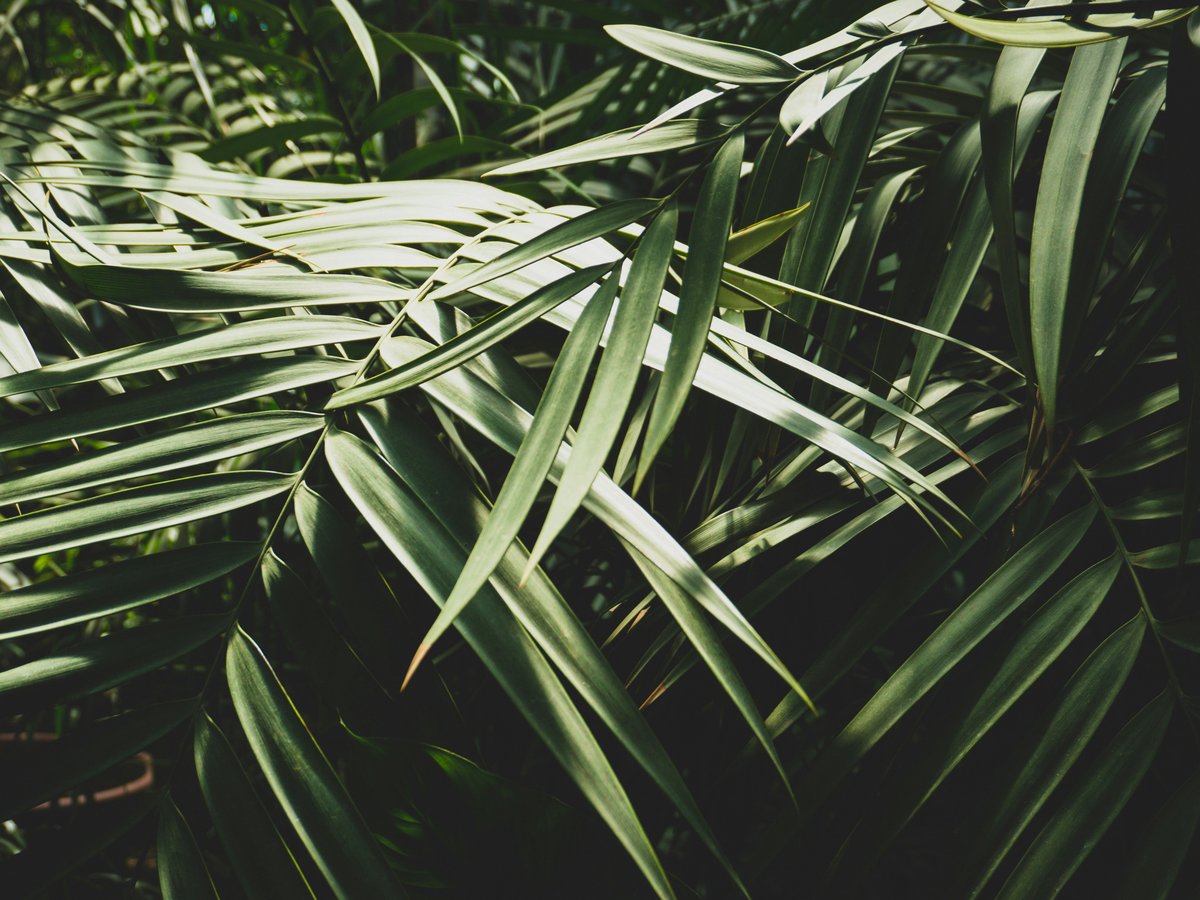
Bucharest gives away more of itself than any capital in this part of Europe has any business doing. The free things here are not consolation prizes; they are the city's connective tissue, the parks where families spend Sundays, the squares where the country's political weather has broken and reset, the botanical grounds that outlast every regime. This list is for the visitor who is done with the ticketed loop and wants to spend a day the way locals do, on benches under old trees, on paving that has seen protests and parades, at the edge of a wetland the city almost drained and then decided to keep. Twelve entries, all free at the gate, ordered by how much they reward an hour of your attention. Take the tram, wear better shoes than you think you need, and read the address before you commit to the metro stop; several of these places sit further from the tourist grid than the map's foreshortened center suggests.
See the picks → -
Best museums
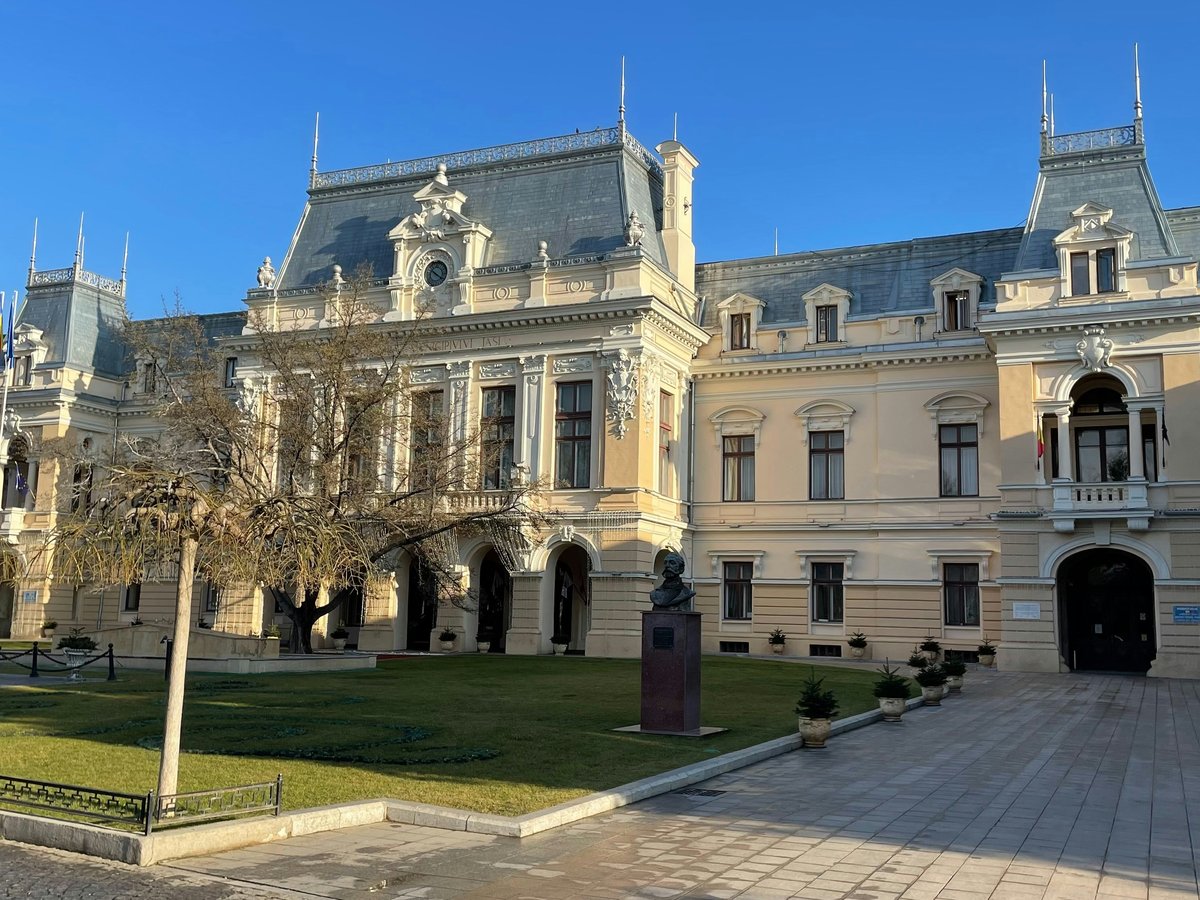
Bucharest wears its museum culture on Calea Victoriei and along Şoseaua Kiseleff, two axes where the city files its history, its art, and its complicated 20th century into buildings that were often meant for something else. The list below is a working itinerary for a visitor with two days and an appetite for specificity: the big national holdings at 010063 and 12, a peasant-ethnography counterweight at Kiseleff nr. 3, a contemporary-art wing at 050563, and a set of smaller houses, from a former dictator's residence on Bulevardul Primăverii to a football archive at 24 Strada Gabroveni, 030089. Skip the notion that a national label guarantees the better afternoon; the Zambaccian on Str. Muzeul Zambaccian 21A and the Kitsch Museum at 6 Strada Covaci are the sort of hour-long visits that will change what you notice on the walk home. Twelve entries, in the order we would take them, with the addresses that get you through the door.
See the picks → -
Must-see attractions
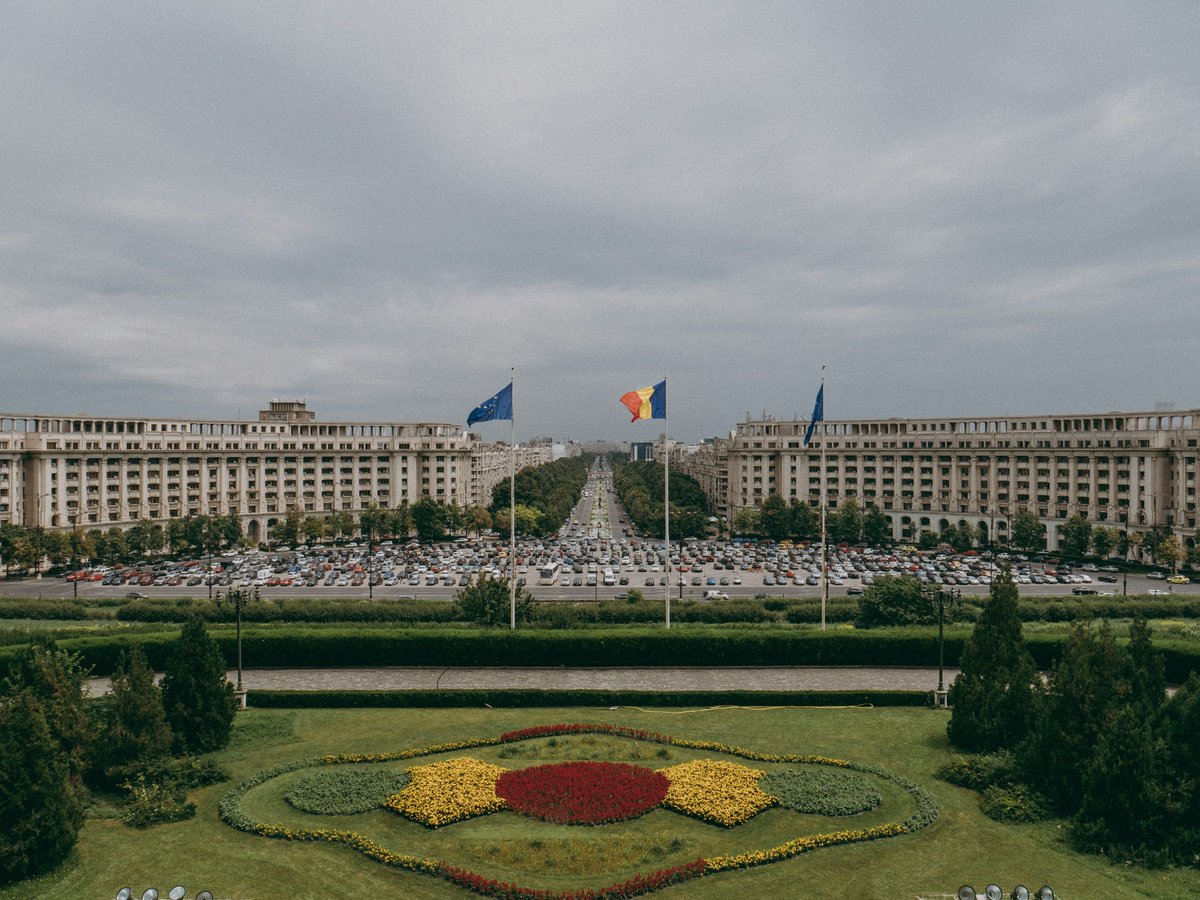
Bucharest's must-see is not a single monument but a running argument between eras: an Orthodox capital that kept building cathedrals, a communist regime that flattened neighbourhoods for a parliament house, and a boulevard of theatres and small churches that survived both. This list favours the buildings you can stand inside, not the postcard silhouettes. It leans hard on Calea Victoriei, the spine of the historic centre, and then walks you south to Calea 13 Septembrie for the new National Cathedral and out to Calea Șerban Vodă for the writers buried at Bellu. The stops are grouped by proximity rather than category, so a morning of churches shades into an afternoon of stages without a metro ride between them. It is a list for visitors who read the plaques, sit through a matinee, and stay long enough to notice which building the trams turn around. Skip the palace-only day trips sold from the airport arrivals hall; the interesting Bucharest is the one that argues with itself across a single street.
See the picks →
food
-
Best cafes
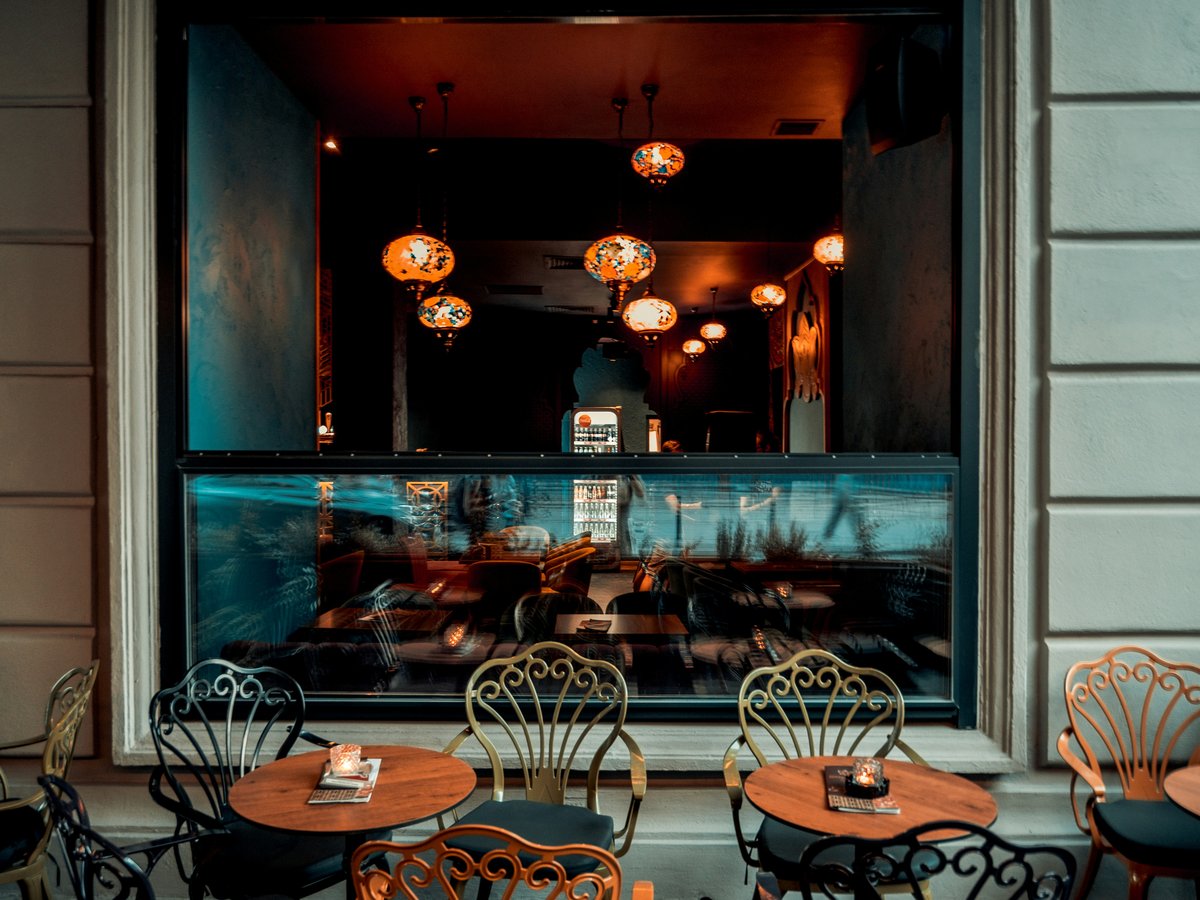
Bucharest's café map is a study in overlap: Ottoman coffee habits, French pastry ambition, a wave of specialty roasters, and the quiet Anglo-Saxon chain reflex all share the same square kilometre around Calea Victoriei and Lipscani. The city rewards the visitor who reads opening hours carefully: a Sunday morning here is not a Saturday morning, and the difference between an 07:00 door and an 09:00 door is the difference between working Bucharest and tourist Bucharest. The twelve rooms below are chosen from that overlap: a shisha-and-espresso room inside a covered arcade, a Turkish coffee-house on Calea Vitan, two specialty pioneers on Lipscani and Academiei, a French bakery on Calea Victoriei, and a scatter of neighbourhood coffee shops that keep the city caffeinated between meetings. They are ranked by how much of themselves each address offers a visitor with an hour to spend. Use the postal codes as a compass: 030027 puts you in the historic centre, 010062 on the grand boulevard, 031281 out toward Vitan.
See the picks → -
Best restaurants
Bucharest's restaurant scene concentrates, almost stubbornly, in the few short blocks of the Lipscani quarter where Strada Covaci, Strada Șepcari, Strada Franceză and Strada Smârdan meet inside the 030094 to 030116 postal band. Twelve addresses within a five-minute walk of each other cover Romanian tavern cooking, Balkan grills, Neapolitan pizza, French bistro, Irish pub food, Mexican tacos, pan-Asian wok, and a Mediterranean fine-dining room. This is not a survey of Bucharest's suburbs or its mall food courts; it is a working editor's shortlist of the Old Town kitchens worth an hour of a visitor's evening. The addresses, phone numbers and service hours below come from OpenStreetMap; the opinions are the house's. Read it as a walking list, not a ranking to argue with. The order below is a suggestion of when in a trip to reach each door, not a scoreboard, and every claim of hours or address is cited so you can plan a specific evening rather than hope for the best.
See the picks →
Browse by traveler type
- For foodies
Bucharest for foodies
- For families with kids
Bucharest for families
- For digital nomads
Bucharest for digital nomads
- For solo travelers
Bucharest for solo travelers
- For couples
Bucharest for couples
- For budget travelers
Bucharest on a budget
- For luxury travelers
Bucharest for luxury travelers
- For first-timers
Bucharest for first-time visitors
Book experiences in Bucharest
 Free cancellation
 Bucharest to Dracula Castle, Peles Castle and Brasov Guided Tour
Day trip: 12 hours, free cancellation.
via Viator Free cancellation
 Dracula's Castle, Peles Castle and Brasov Day Trip from Bucharest
Day trip: 12 hours, free cancellation.
via Viator Free cancellation
 Small-Group Day Trip to Dracula's Castle, Brasov and Peles Castle
Day trip: free cancellation.
via Viator Free cancellation
 Bucharest Highlights Walking Tour
City tour: 2.5 hours, free cancellation.
via Viator Free cancellation
 Bucharest Food Lovers Tour: Markets, Tastings & Hidden Spots
City tour: 5 hours, free cancellation.
via Viator Free cancellation
 Dracula's Castle, Brasov and Peles Full-Day Tour from Bucharest
Day trip: free cancellation.
via Viator Free cancellation
 Tuk Tuk Bucharest Tour - Unique Experience in town!
City tour: free cancellation.
via Viator Free cancellation
 Bucharest Half a Day Bike Tour
City tour: 3 hours, free cancellation.
via Viator Free cancellation
 Top Gear Road, Small-group max 7 pax with Pick-up, Transfăgărăşan
Day trip: 12 hours, free cancellation.
via Viator Free cancellation
 Full Day Trip to Bulgaria from Bucharest
Day trip: 12 hours, free cancellation.
via Viator Free cancellation
 Life under Communism
City tour: 3 hours, free cancellation.
via Viator Free cancellation
 Castles of Transylvania: Private Day Trip from Bucharest
Day trip: 12 hours, free cancellation.
via ViatorBrowse by interest
Find a flight to Bucharest
Live fares to Bucharest appear here once cookies are accepted.
Last verified by automated review (v1.7.2) on . What is automated review?