
Copenhagen sits on the eastern shore of Zealand, facing Sweden across the Øresund strait, a city where the flat coastal geography means you are never more than a fifteen-minute bike ride from open water. That proximity to the sea defines daily life here in ways most European capitals cannot claim: the harbour is clean enough to swim in, and locals do, launching themselves off the wooden platforms at Islands Brygge on summer afternoons when the sun does not set until nearly ten. The city grew from a medieval fishing village into a major Baltic trading port, burned twice in the eighteenth century, endured British bombardment in 1807, and rebuilt each time with the pragmatic restraint that still marks its architecture: low-rise, brick-faced, with decorative spires punctuating the skyline rather than dominating it. Nyhavn's painted townhouses get the postcards, but the neighbourhood most visitors end up loving is Vesterbro, the former meatpacking district west of the central station where old slaughterhouses now hold wine bars and design studios, or Nørrebro, across the lakes, where the immigrant-run grocery shops on Nørrebrogade sit alongside specialty coffee roasters and the cemetery where Hans Christian Andersen and Søren Kierkegaard are buried. A first visit tends to settle into a rhythm quickly: rent a bike from one of the city-wide stations, ride the dedicated lanes that account for nearly half of all commuter traffic, stop for smørrebrød; the open-faced rye-bread sandwiches that remain an actual weekday lunch, not a tourist performance, and find that distances between major sights rarely exceed three kilometres. Copenhagen runs on a currency of civic trust and functional design, where the metro operates without ticket gates and the food scene, anchored by the New Nordic movement that Noma codified, treats seasonal restraint as a point of pride rather than a practical limitation.
Copenhagen in photos


Copenhagen right now
Answers about Copenhagen
-
Airport to city
Take the Metro M2 from Copenhagen Airport (CPH) Terminal 3 to Kongens Nytorv: 36 DKK ($5.60), 14 minutes, runs 24 hours. It's the fastest and cheapest option, dropping you in the middle of the city. After midnight trains come every 7-20 minutes instead of every 4-6.
Read the full answer → -
Best time to visit
June is the month we'd pick for Copenhagen: mild highs, light that lingers past 10pm, and swimming in the harbour. Early September runs a close second, with thinner crowds and cheaper hotels. If your dates allow, steer around July, because the Danish summer holiday pulls the shutters on many neighbourhood restaurants. January and February are worth skipping, the days short, raw, and grey.
Read the full answer → -
Cost per day
Budget Copenhagen costs around 485 DKK ($75/day) for a hostel dorm, grocery meals, and free museum days. Midrange reaches 1,225 DKK ($190/day) with a three-star hotel and restaurant dinners. The Copenhagen Card at around 650 DKK ($101) for 48 hours only breaks even if you visit 3+ paid attractions daily.
Read the full answer → -
Cultural etiquette
Copenhagen runs on unspoken rules that are easy to break. The biggest: never walk in a bike lane; cyclists here treat lanes like highways and will not swerve. Greet with a firm handshake and first names, tip sparingly if at all, remove shoes when entering Danish homes, and keep your voice down on public transit.
Read the full answer → -
Best day trips
Louisiana Museum of Modern Art in Humlebæk is the strongest couples day trip from Copenhagen: 35 minutes north by Kystbanen train, sculpture garden right on the Øresund shore. For a full day out, Malmö sits 35 minutes across the bridge by Øresundståg, giving you dinner in a different country.
Read the full answer → -
Digital nomads
Copenhagen scores 6.2/10 for digital-nomad suitability (sourced from TTDI's editorial rubric). Residential fibre delivers 300-1,000 Mbps, coworking at Republikken or Talent Garden Rainmaking costs 2,200-3,500 DKK ($336-535) monthly, and a single nomad's all-in budget runs about $3,200 per month. The 90-day Schengen cap and high living costs are the real constraints.
Read the full answer → -
Family-friendly
Copenhagen scores 9.2/10 for family friendliness (see the TTDI Family-Friendliness Index). Flat sidewalks, a fully accessible metro, and Tivoli Gardens (open since 1843) make it one of Europe's easiest cities with a stroller. Summer days stretch past 17 hours of daylight, which wrecks bedtime but expands sightseeing. Kid food defaults to pølser carts and bakeries on every block.
Read the full answer → -
Food culture
Copenhagen eats in two registers: the ritualized smørrebrød lunch on dense rye bread, and the New Nordic movement that turned foraging and fermentation into a global reference point. Between those sit organic hot dog carts, Torvehallerne market stalls, and Nørrebro's shawarma joints. Budget 400–800 DKK (62–125 USD) for a solid day of eating.
Read the full answer → -
Getting around
Walk or bike: Copenhagen is flat, compact, and has protected bike lanes on nearly every road. The Metro runs 24 hours and connects the airport to the center in 15 minutes. Tap a contactless bank card at the turnstile or load a Rejsekort for cheaper fares. Single tickets run 24 DKK (~$3.75). Skip taxis unless it's 3 AM.
Read the full answer → -
How to get there
Copenhagen Airport-Kastrup (CPH), 8 km south of City Hall Square, handles virtually all international flights. The M2 Metro reaches central Copenhagen in 14 minutes for 27 DKK ($4.20). SAS flies nonstop from Newark and Chicago; Icelandair connects via Reykjavík from the West Coast. From London, expect under 2.5 hours nonstop on SAS, BA, easyJet, or Norwegian at £50-280 round-trip.
Read the full answer → -
Is it safe?
Copenhagen scores 8 out of 10 on overall safety, and violent crime against visitors is rare. The risks worth knowing are pickpockets at Københavns Hovedbanegård and on Strøget, cyclists in the raised bike lanes, the cannabis trade on Christiania's Pusher Street, and drunken falls into the harbour at night. Call 112 for emergencies and 114 for non-urgent police.
Read the full answer → -
Language basics
Danish, but you'll rarely need it. Denmark ranks first or second globally for English proficiency, and nearly everyone in Copenhagen under 50 switches to fluent English the moment they hear a foreign accent. The Latin alphabet with three extras (æ, ø, å) means you can read street signs and menus without a translation app. A few phrases in Danish still warm up interactions fast.
Read the full answer → -
Layover guide
Yes. Metro M2 connects Kastrup to central Copenhagen in under 15 minutes, making it one of the fastest airport-to-city runs in Europe. Five hours is the honest floor for leaving the terminal. Below that, stay airside. Most Western passports enter the Schengen zone visa-free, but verify yours before committing.
Read the full answer → -
LGBTQ-friendly
Copenhagen scores 9.5/10 on LGBTQ+ friendliness (sourced from TTDI's editorial rubric). Denmark recognized same-sex partnerships in 1989 and legalized marriage equality in June 2012. The queer scene centers on Studiestræde in the Latin Quarter. Same-sex couples hold hands across the city without a second glance.
Read the full answer → -
Where locals go
Copenhageners spend weekday mornings on Jægersborggade in Nørrebro, Saturday mornings at Torvehallerne by Nørreport, and Friday evenings in the Kødbyen beer bars of Vesterbro. Remote workers do best at the main library on Krystalgade, which has Democratic Coffee on the ground floor. Once the October wind off Øresund turns cold, the harbour saunas on Refshaleøen are where locals go.
Read the full answer → -
Must-see
Tivoli Gardens, not the Little Mermaid. The 1843 amusement park sits next to Copenhagen Central Station and still operates wooden roller coasters over a garden lake, alongside a Pierrot pantomime stage from 1874, all in air that smells of burnt sugar and cut boxwood. Entry is around 155 DKK, roughly $24 at current rates.
Read the full answer → -
Solo travel
Copenhagen scores 7.8/10 for solo-traveler safety (see the TTDI Solo-Safety Index) and earns an 8 overall for solo friendliness. The Metro runs 24 hours on weekends, English is near-universal, and the hostel-and-food-hall circuit keeps solo visitors social from day one. The real obstacle here is price, not safety or isolation.
Read the full answer → -
This week
Copenhagen's midsummer week runs on 16-hour daylight, outdoor dining, and nightly Tivoli Gardens concerts. Torvehallerne market opens Tuesday through Sunday for smørrebrød and produce. Monday several museums close. Charlottenborg Festsal programs evening classical recitals this week. Mild air with brief afternoon rain cells.
Read the full answer → -
3-day itinerary
Day 1 walks Indre By from Rundetårn to Nyhavn to Tivoli at dusk. Day 2 covers Rosenborg Castle, Designmuseum Denmark, and the waterfront north to The Little Mermaid. Day 3 crosses to Christianshavn for the church tower climb and Christiania, then Metro to Nørrebro. About 26 km of walking total.
Read the full answer → -
What to avoid
Skip eating along Nyhavn's canal-side terraces, skip The Little Mermaid at midday, and never photograph anything on Christiania's Pusher Street. In Copenhagen, stay out of the raised bike lanes, buy a Metro ticket before boarding at Kastrup airport because inspectors fine on the spot, and when a card terminal offers your home currency, always choose Danish kroner.
Read the full answer → -
What to pack
Pack layers and a wind-resistant rain shell: Copenhagen's sea breeze drops temperatures fast even in summer, and rain hits without warning roughly half the days in any given month. Bring walking shoes rated for cobblestones, a Type K power adapter (Denmark's 3-pin grounded plug fits nothing else), and swimwear for the harbor baths. Skip the umbrella: buy one at Matas if you need it.
Read the full answer → -
Where to stay
Vesterbro for first-timers: five minutes from Copenhagen Central Station, lined with independent coffee shops and dinner spots along Istedgade, with Metro access to every major sight. Budget $150–250 for a mid-range hotel. Indre By works if you want Nyhavn and Tivoli on foot, but expect $220–350 a night.
Read the full answer →
Deep guides for Copenhagen
-
Copenhagen With Kids: What Works
Copenhagen scores 9.2 out of 10 for family-friendliness, but that number assumes you know which marquee sight is a meltdown factory, which under-rated attraction wins the day, and the daily itinerary shape that actually survives small children.
Read the guide → -
Best Time to Visit Copenhagen, by Season
Copenhagen's entire year fits inside a 16-degree temperature window. Picking the right month means deciding which version of the city you actually want, and what you're willing to trade for it.
Read the guide →
Curated lists for Copenhagen
accommodation
-
Best boutique hotels
Copenhagen spreads its accommodation across a compact core and a handful of island neighborhoods, each with a distinct overnight character. The metro and S-train network ties them together, but the choice of base determines what you wake up to: canal-front cobblestones or harbour-front bike paths, brewery courtyards or beach promenades. Most visitors default to the streets around Strøget and Nyhavn, paying a premium for proximity to the postcard views. The smarter play is to look one or two stops out, where the same metro line delivers the center in minutes but the nightly rate drops and the neighborhood belongs to residents, not tour groups. Price tiers overlap more than you would expect: a well-reviewed mid-range room on Amager costs less than a bare-bones bunk in the center, and the ratings often run higher. The realistic range runs from converted meatpacking warehouses to quiet residential blocks on the far side of the harbour. Use the transit proximity and walking radius of each neighborhood to match your travel pace, not just your budget.
See the picks → -
Best hostels
Copenhagen's hostel scene spreads across seven neighborhoods, each trading a different slice of the city for a different price. The center clusters beds around Strøget and the canals, where the royal palaces, the Round Tower, and the Nyhavn waterfront all fall within walking range. Move southwest toward Central Station and the hostels get newer, the buildings more industrial, the nightlife louder. Push further south into Sydhavn or east into Ørestad and you trade atmosphere for lower rates and direct metro lines. The practical question is not which neighborhood is best but which matches the hours you keep: light sleepers want the residential southern harbor, late-night travelers want Vesterbro's bar streets, early risers catching a flight want Ørestad's metro connection. Prices across all seven sit between $20 and $77 a night, and ratings cluster above 7.5, so the real variable is location. Every area is walkable to at least one rail or metro interchange, and most connect quickly to København H, the central hub where regional trains, the metro, and the airport line converge.
See the picks → -
Best luxury hotels
Copenhagen's luxury hotels do not follow a single formula. The 12 properties below spread across more than half a dozen distinct zones, and the range in nightly rates tells you these addresses are solving different problems for different travelers. Guest ratings on Trip.com cluster tightly, close enough that the number alone will not choose your room. What separates one hotel from the next is the neighborhood character, the amenity list, and the kind of stay the property is built for. Some earn their rate through facilities; others earn it through the room itself. The list runs in rank order, with every factual claim cited so you can verify before you book.
See the picks → -
Where to stay
Copenhagen splits into walkable pockets that feel nothing alike. The station districts stack hostels and mid-range rooms within walking distance of Tivoli and the Meatpacking District. Indre By and Hahns Bastion sit inside the old ramparts where canal tours launch and pedestrian streets stay busy past midnight. Vesterbro stretches southwest into residential blocks where the price per night drops and the restaurants get more interesting. Across the harbor, Amager's two neighborhoods trade tourist density for beach access and metro-connected calm. Krøyers Plads anchors the waterfront revival at the mouth of the Nyhavn canal, where converted warehouses hold the city's highest-rated rooms. Budget beds start at $20 a night near the station; the luxury ceiling in Indre By reaches $1,124. The gaps between neighborhoods are rarely more than a bike ride.
See the picks →
attractions
-

Best free attractions
Copenhagen's best free hours are spent outside, in parks, gardens and squares that charge nothing and show you how the city lives day to day. This list sets two kinds of place side by side: the green spaces, from a botanical garden dating from 1600 and a royal park dating from 1606 to the folkpark of 1914, and the squares of the old centre, where the city meets, crosses paths and stops for a minute. It is written for the traveller whose budget is stretched by hotel and dinner prices and who would rather spend an afternoon well than spend money, though it also suits anyone who thinks a city is best read from a bench. Bring a jacket, a water bottle and enough patience to sit still, and plan your days by opening hours: the gardens close early in winter, and those hours are listed below wherever the record gives them.
See the picks → -
Best museums
Copenhagen's museums cover a lot of ground, from royal rooms to the long record of the country itself. The National Museum of Denmark is the country's largest museum of cultural history, the Museum of Copenhagen dates from 1787, and Rosenborg Castle from 1606. Private taste shows up as well: Carl Jacobsen founded the Ny Carlsberg Glyptotek. Many of these buildings are themselves listed on the Kulturstyrelsen monument register, among them Rundetaarn and the Thorvaldsen Museum, so the walls count as much as what hangs on them. This list is for visitors who want substance more than spectacle and who will plan around opening hours. The Glyptotek stays open to 21:00 on Thursdays, and the David Collection and the Natural History Museum of Denmark both stay open to 21:00 on Wednesdays; those late evenings are the best hours in the city's museum week. One pick, Arken Museum of Modern Art, is in Ishøj and deserves an unhurried half day; the rest fit together into a week of mornings and evenings without much travel.
See the picks → -
Must-see attractions
Copenhagen's must-see sights are compact enough to walk between and old enough to argue about. The range runs from a palace that is the seat of the Danish Parliament and a palace that is still home to the Danish royal family to a bronze statue from 1913 and a road and railway bridge over the Øresund. Churches carry much of the list, among them the National Cathedral of Denmark, a Catholic cathedral on Bredgade, and a church on På Bjerget that dates from 1940. The dates matter here: Rosenborg Castle dates from 1606, and the Copenhagen Opera House dates from 2005. This list is for visitors who want the city's main sights without filler and who are willing to plan around opening hours. The hours change from place to place and from day to day, so each entry gives them wherever they are known. Read the entries before you build the day, not after.
See the picks →
food
-
Best cafes
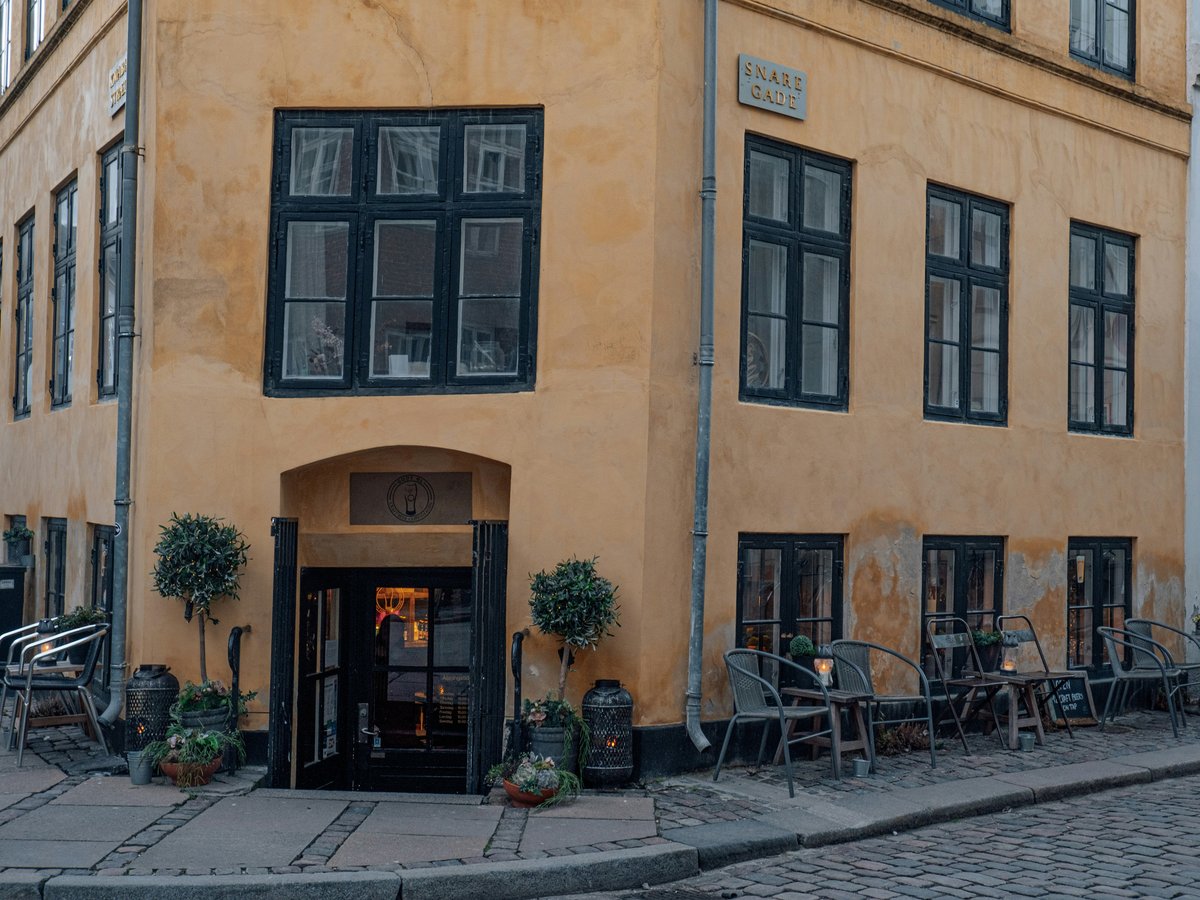
Copenhagen's cafe map, at least the twelve rooms in this list, sits inside a tight walk of the old inner city and its Vester Voldgade edge, most of them west and south of the King's New Square. What you get here is not one style but a working spread: a sandwich counter with a real lunchtime queue, a specialty coffee bar on a cobbled courtyard, an Icelandic pastry room, a smørrebrød institution, a chocolate-and-beans micro-shop, and a couple of hybrid places that stay open long enough to earn a second visit at night. The addresses cluster in postal codes 1208, 1211, 1220, 1453, 1454, 1466, 1467, 1472, 1552, 1555, 1574, and 1606, which is another way of saying you can string the whole list together on foot in an afternoon if you are stubborn about it. This is a list for the visitor who wants a specific reason to walk to a specific door, not a mood board. Every claim below traces to OpenStreetMap or the venue's own site; the opinions are ours, the addresses and hours are theirs.
See the picks → -
Best restaurants
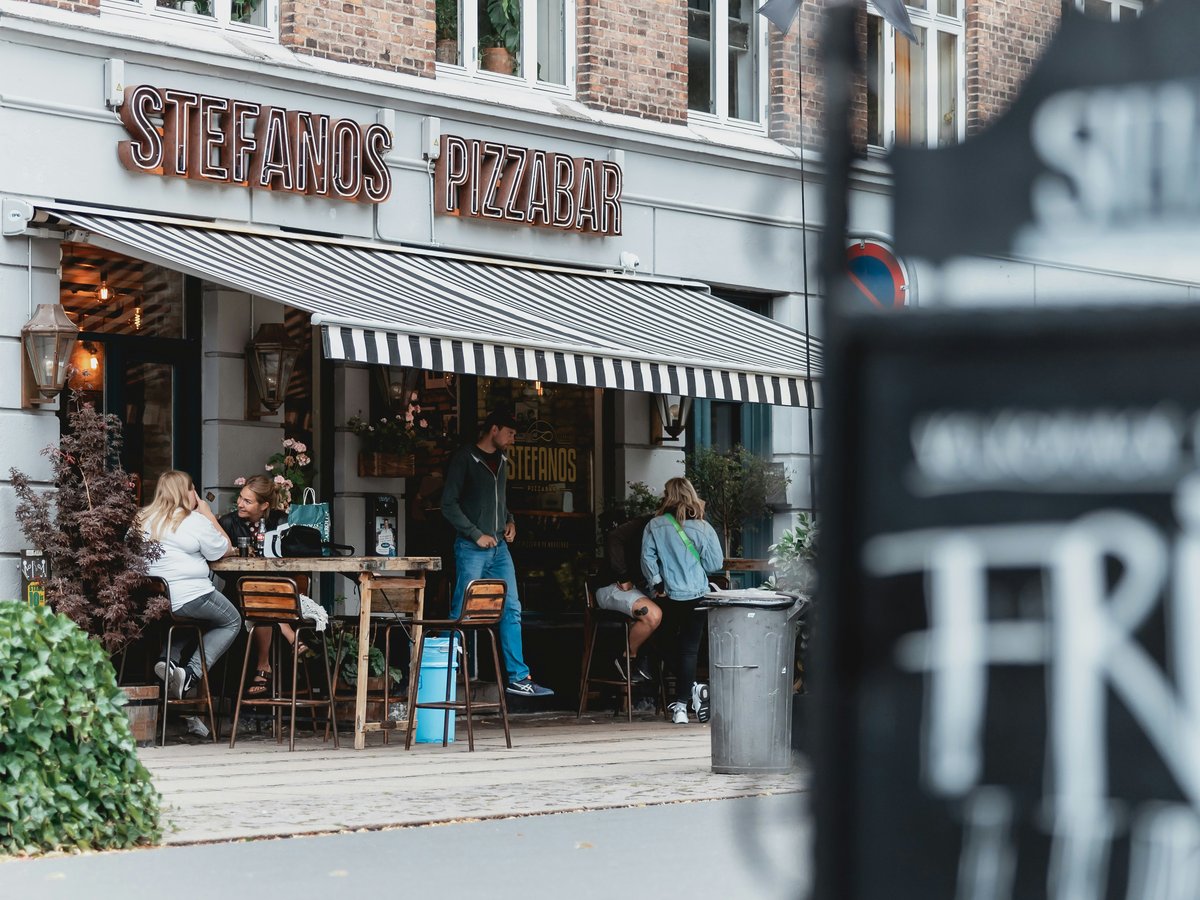
Copenhagen's dining rooms sit on medieval streets that were never widened for cars, and the twelve places below are all within a short walk of Rådhuspladsen and the old university quarter. Some are Danish to the bone, some are the city's long-settled foreign kitchens, one is a global brand you will recognise from the airport. What ties the list together is address, not cuisine: every venue is verifiable in OpenStreetMap, every phone number rings the actual room, every set of opening hours comes from the operator rather than a review aggregator. If you are here for a week, you can eat through this list without a taxi. If you are here for a weekend, pick two lunches and two dinners, book the dinners, and walk in for the rest. The city rewards visitors who read a street sign, and the postal codes below will do more for you than any neighbourhood label.
See the picks →
Browse by traveler type
- For foodies
Copenhagen for foodies
- For families with kids
Copenhagen for families
- For digital nomads
Copenhagen for digital nomads
- For solo travelers
Copenhagen for solo travelers
- For couples
Copenhagen for couples
- For budget travelers
Copenhagen on a budget
- For luxury travelers
Copenhagen for luxury travelers
- For first-timers
Copenhagen for first-time visitors
Book experiences in Copenhagen
 Free cancellation
 Private Walking Grand Tour of Copenhagen
City tour: 3 hours, free cancellation.
via Viator Free cancellation
 Hamlet and Sweden Tour - Two Countries in one day !
Day trip: free cancellation.
via Viator Free cancellation
 Grand Day Trip around Copenhagen
Day trip: 9 hours, free cancellation.
via Viator Free cancellation
 Copenhagen Classic Canal Tour With Guide
Cruise: 1 hour, free cancellation.
via Viator Free cancellation
 Social Sailing - Copenhagen Canal Tour - Captain's Favorite
Cruise: 3 hours, free cancellation.
via Viator Free cancellation
 Original Copenhagen food tour: 8 tastings, full meal & VIP access
City tour: 4 hours, free cancellation.
via Viator Free cancellation
 Best of Copenhagen: Small Group Walking Tour (Max 10, 3 Hours)
City tour: 3 hours, free cancellation.
via Viator Free cancellation
 Malmö & Lund Tour, Crossing the Øresund Bridge to Sweden
Day trip: 6.5 hours, free cancellation.
via Viator Free cancellation
 Segway Tours Copenhagen w. Guide & Concierge Service. 2 Hours+
Day trip: 2.2 hours, free cancellation.
via Viator Free cancellation
 Copenhagen Highlights: Small Group Walking Tour - Max 10 people
City tour: 2.5 hours, free cancellation.
via Viator Free cancellation
 Bike Tour Copenhagen. Guide & Concierge Service, Small Grp
City tour: 2.2 hours, free cancellation.
via Viator Free cancellation
 2 Hour Copenhagen Segway Tour
Day trip: 2.2 hours, free cancellation.
via ViatorBrowse by interest
Compare Copenhagen with
Find a flight to Copenhagen
Live fares to Copenhagen appear here once cookies are accepted.
Last verified by automated review (v1.7.2) on . What is automated review?